
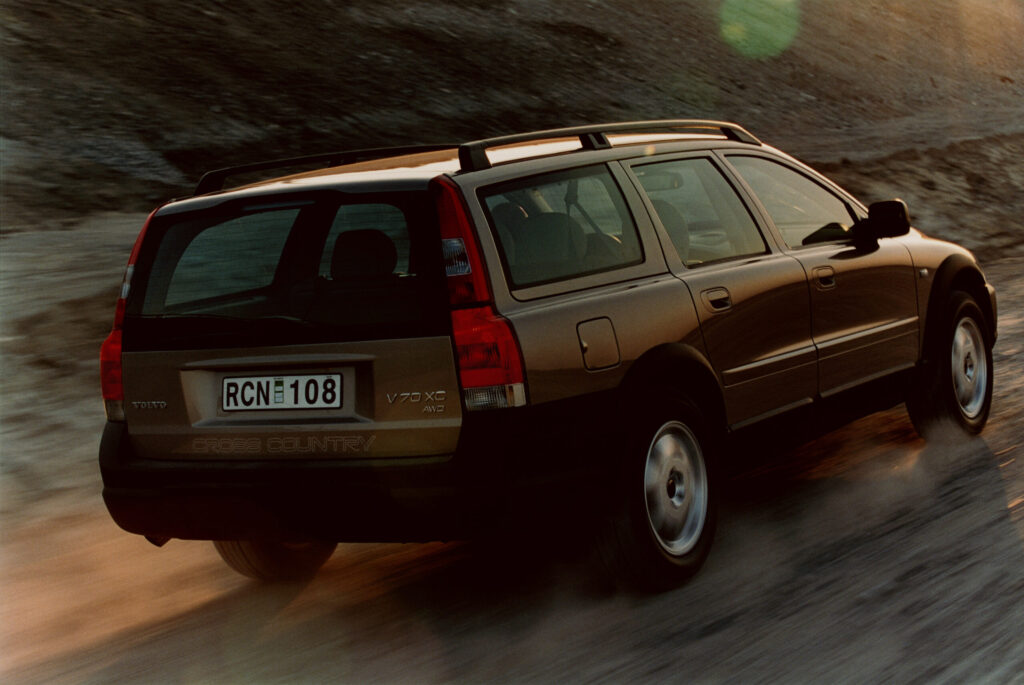
A faulty camshaft sensor will cause your engine to run roughly or even stall completely. Broken cables and malfunctions in the sensor itself disrupt the valve timing. The engine control unit (ECU) no longer receives reliable information about the position of the camshaft. In older models, such as the Volvo XC70 produced before 2002, mechanical coupling problems in the valve timing also played a well-known role. In this article, you will learn how to recognise a sensor defect, identify the underlying cause, and find out what a replacement costs.
What exactly does the camshaft sensor do?
The camshaft sensor provides the engine computer with information about the position of the camshaft. This information determines the exact moment the intake and exhaust valves open and close. In modern engines, this timing is crucial for smooth starting and stable idling. Furthermore, this timing ensures efficient combustion.
If the signal is lost or becomes unreliable, the engine computer will often keep the engine running, but with noticeable issues. You may experience difficulty starting or reduced performance. The sensor only controls the valve timing electronically, not mechanically; it measures the position, and the engine management system then controls the injection and valve timing accordingly.
‘ The check engine light is on, the engine starts with difficulty, or does not start at all. ’
How do you know if your camshaft sensor is faulty?
A faulty camshaft sensor typically presents clear symptoms. The check engine light comes on, the engine starts with difficulty or does not start at all. You may notice irregular idling, jerking while driving, and a loss of power. Increased fuel consumption is also a common symptom.
The error codes that appear often point to problems with camshaft or crankshaft synchronisation. Sometimes they indicate deviant timing. In a Volvo XC70 with variable valve timing, a sensor fault is even more noticeable because the control system relies heavily on accurate position data.
Reading the error memory with a diagnostic scanner is the logical first step. After that, check the plug, wiring, and connection for breaks, corrosion, or loose contacts. Inspect the sensor for dirt, damage, or oil contamination, as these factors can interfere with the signal.
Typical practical signals
In practice, you can often recognise a defect by the engine taking longer to start before it eventually fires up. Owners also report the engine running roughly, especially shortly after starting. An error message after connection is sometimes associated with an overly rich mixture, and significantly varying fuel trims also play a role. Fuel trims indicate how much the engine computer is adjusting fuel delivery to keep the mixture balanced. Sensor data can sometimes cause indirect engine faults, which happens frequently.

What is the cause of valve timing coupling problems?
Problems with the valve timing coupling mainly occur in XC70 models produced before 2002. This coupling mechanically adjusts the position of the camshaft. These engines were equipped with two such couplings, one on each camshaft. These couplings could wear out or fail, leading to mechanical timing issues.
It is important to distinguish between a sensor problem and a genuine mechanical timing issue to avoid using the wrong approach, as the symptoms can sometimes appear similar. A sensor only measures position, whereas a mechanical defect in the coupling disrupts the physical timing of the camshaft.
Mechanical timing problems are often accompanied by abnormal engine noises, such as a rattling or ticking sound. The engine runs irregularly, and performance suffers. In severe cases, the engine can be damaged, requiring costly repairs.
Diagnosis and inspection of the camshaft sensor
Always read the error codes first; this provides immediate insight into which component is causing the fault. Pay attention to codes indicating position errors or synchronisation problems, as well as codes related to camshaft sensor circuit faults.
Next, check the sensor and its connection. Many defects are caused by damaged cables, loose plugs, or contamination. Moisture and corrosion are also frequent culprits. In Volvo models, the sensor is typically secured with a single bolt and a plug connector; the exact location varies depending on the engine variant.
The following check points help in tracking down a defect:
- Plug connection for corrosion and loose pins
- Wiring harness for breaks, wear, or damage
- Sensor for oil leakage or contamination
- Engine bay for moisture or water ingress around the sensor
Moisture and corrosion exacerbate malfunctions. When replacing the part, ensure the surrounding area is dry and clean the contact points.
‘ The camshaft sensor is a relatively small but crucial component. ’
What are the costs for replacing camshaft sensors?
A camshaft sensor cannot be repaired; you must replace the entire component. In the Netherlands, replacement costs are usually between 150 and 250 euros, including parts and labour. The engine configuration and the workshop chosen will influence the final cost.
In most cases, the replacement process is straightforward: disconnect the battery, unplug the connector, remove the mounting bolt, take out the old sensor, and install the new one. Access can be more difficult on some engine variants, which will increase labour time.
Mechanical timing problems, such as a faulty valve timing coupling, cost significantly more. This involves removing the valve cover and resetting the timing, leading to repair bills ranging from several hundred to over a thousand euros, depending on the extent of the damage and the type of engine.
Practical tips for replacement
Always have error codes read before replacing any parts to avoid unnecessary expenses. An XC70 that struggles to start occasionally does not always require an expensive engine repair. The camshaft sensor is a relatively small but crucial component.
If the car suffers from misfires, runs roughly, or has noticeable power dips, have the camshaft sensor, wiring harness, and plug connection checked. If you are unsure about timing problems, make sure to distinguish between a sensor issue and a mechanical timing fault.
Practical observations
Owners of Volvo models report that a faulty camshaft sensor primarily manifests as the engine taking longer to start. Heavy mechanical noises are not immediately audible, a sentiment shared by many owners in forums and online communities.
Some practical observations from the Volvo community:
- Long cranking before the engine starts
- Error messages associated with an overly rich mixture
- Varying fuel trims without a clear cause
- No mechanical noises, but still running roughly
If you only look at one sensor, you risk a misdiagnosis. Check the cables, connectors, and all error codes to ensure you don’t replace parts that aren’t actually faulty.
When should you take immediate action?
If the check engine light is on and the engine is running irregularly, action is required. Do not continue to drive for more than a few days with a faulty camshaft sensor, as the engine could stall while driving, creating dangerous situations.
Severe mechanical timing problems can lead to further engine damage. If you hear abnormal noises or experience noticeable power loss, have the car checked immediately. A small problem can quickly grow into a costly repair; act promptly to prevent this.
‘ You can apply this information directly. ’
Want to discover more about car problems?
On the Carnews website, you will find extensive information about common car problems, as well as technical tips and practical advice for maintenance and repair. If you are dealing with electrical issues, mechanical problems, or have general questions about your car, you will find reliable answers here. You can apply this information directly.
Frequently Asked Questions
The most common symptoms include difficulty starting or failing to start, irregular idling, jerking while driving, noticeable power loss, and a check engine light. Sometimes fuel consumption also increases and error codes relating to camshaft/crankshaft synchronisation are stored. You can recognise the issue early by noticing extended cranking times, rough engine behaviour, and by having the error codes read as soon as the engine light turns on. Regularly checking the plug and wiring for corrosion or damage helps identify incipient faults earlier.
A faulty camshaft sensor provides incorrect or no signal regarding the camshaft position, meaning the engine computer can no longer precisely control valve and injection timing. Consequently, valves may open and close at slightly incorrect moments, making the engine run ‘out of time’. This leads directly to power loss, rough running, and sometimes starting issues. As combustion becomes less efficient, fuel consumption typically increases as well.
Possible causes include internal wear, contamination by oil or metal particles, heat and vibration damage, and problems with the plug or wiring (corrosion, breaks, loose connections). Excessive engine temperature or leaking seals around the camshaft can also contaminate the sensor. Preventive maintenance includes regularly checking and cleaning the plug and wiring harness, visually inspecting for oil leaks around the sensor, and promptly addressing engine oil leaks and overheating issues. Always have error codes read to prevent consequential damage.
The camshaft sensor measures the exact position of the camshaft and sends this signal to the engine control unit (ECU), which then knows when each valve opens or closes. In engines with variable valve timing (like VVT or VANOS), the ECU uses this signal to precisely control hydraulic or electric actuators. This allows the ECU to dynamically advance or retard valve timing based on RPM, load, and temperature. Without a reliable camshaft signal, the VVT/VANOS system cannot regulate correctly, leading to power loss, rough idling, and error codes.
You can usually continue driving (to a limited extent) with a faulty camshaft sensor, but the engine may start poorly, run irregularly, and provide less power. Long-term, incorrect timing can lead to incomplete combustion, increased fuel consumption, and extra load on components like the catalytic converter and ignition coils. In extreme cases, the engine may enter limp mode or refuse to start entirely. Therefore, it is advisable not to drive for too long, and replacing the sensor is the safest solution.