Audi Car Problems: Common Issues per Model and Smart Solutions
Despite its premium image, the reality of Audi car problems is a bitter pill for many owners, with recurring complaints about oil consumption, electronics, and expensive repairs overshadowing the driving experience. Knowing which specific weaknesses belong to which model is key to avoiding unexpected garage bills. Read on and discover how the right knowledge can limit risks and keep costs manageable.
How reliable is Audi really?
Audi positions itself as a premium brand. However, reliability scores paint a more nuanced picture. According to studies by, for example, RepairPal, Audi scores average, with a rating of 3.0 out of 5.0. This places the brand in the lower regions of the ranking. In practice, owners face above-average annual maintenance costs. Furthermore, there is a greater chance of serious repairs. The statistics show that the risk of unexpected malfunctions is real. Not every Audi driver will encounter problems.
‘ A worn or stretched timing chain can cause catastrophic engine damage. ’
Recurring Audi Problems Across Many Models
Many Audi models share the same technical basis. As a result, certain problems appear across multiple types. It is wise to be alert to the first signs of these brand-wide issues.
- Excessive oil consumption and oil leaks: One of the most persistent complaints. Worn piston rings are often the culprit. Valve cover or crankshaft seals can also become defective. A plume of blue smoke from the exhaust or oil stains under the car are clear signs.
- Carbon build-up: TFSI engines (turbo engines with direct petrol injection) with direct injection are particularly susceptible to this. Carbon deposits on the intake valves can lead to an erratic engine. Loss of power and starting problems also occur.
- Spark plug and coil pack issues: Defective spark plugs or coil packs cause misfires. You will notice this by a shuddering engine and the engine management light illuminating.
- Risks with the timing belt or chain: A worn or stretched timing chain can cause catastrophic engine damage. The same applies to a belt not replaced in time. A rattling sound on a cold start is an important warning sign.
- Electrical malfunctions and MMI problems: False dashboard warnings and failing sensors are common complaints. The MMI infotainment system (Multi Media Interface, Audi’s central control system) can also freeze or become unresponsive.


Audi A1 – Compact Premium with Early Issues
The Audi A1 offers a premium feel in a compact size but is not without its ailments. Oil leaks occur, as do TFSI-specific problems such as carbon build-up and failing coil packs. The S tronic automatic gearbox (DSG, a dual-clutch transmission) can exhibit jerky behaviour, indicating clutch wear or mechatronics issues. When purchasing and maintaining, pay extra attention to the service history of the engine and gearbox.
Read more: Audi A1
Audi A2 – Lightweight with Outdated Technology
The Audi A2 was far ahead of its time with its aluminium bodywork, but as an enthusiast’s car, it comes with specific points of attention. Damage repair to the aluminium bodywork is specialist work; poorly executed repairs can lead to structural weaknesses. The electronics are now outdated and can be prone to malfunctions. The suspension and steering system also warrant extra inspection for wear in an older A2.
Read more: Audi A2
‘ Preventive maintenance and timely diagnosis are key to limiting costs here. ’
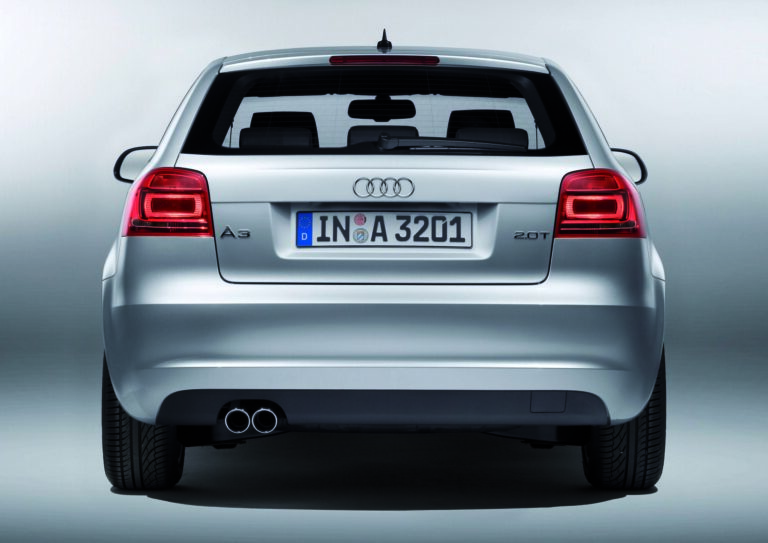
Audi A3 – Popular All-rounder with TFSI and DSG Issues
As a popular all-rounder, the Audi A3 shares much of its technology with other models, and thus also its problems. Oil consumption in certain TFSI engines is a known phenomenon. Carbon build-up and malfunctions in the DSG/S tronic transmission are also common here. Electronic malfunctions, such as defective ABS or ESP sensors (components of the braking and stability control systems) and random dashboard warnings, can surprise owners. Preventive maintenance and timely diagnosis are key to limiting costs here.
Read more: Audi A3


Audi A4 – Oil Guzzler and Multitronic Concerns
The Audi A4, particularly the generations from around 2008-2015, is known for a number of serious problems.
- Oil consumption and leaks: Many TFSI engines from this period suffer from extremely high oil consumption, often caused by a design flaw in the piston rings. Leaks at the valve cover, crankshaft seals, and oil filter housing are also common.
- Multitronic CVT problems: The continuously variable transmission Multitronic (CVT, a gearbox without fixed gears that shifts seamlessly) is a source of concern. Symptoms such as rough shifting, slipping, or even complete failure often appear after 100,000 to 150,000 kilometres.
- Electrical malfunctions: Various electronic defects and timing belt problems in older models make a thorough pre-purchase inspection necessary.
Read more: Audi A4
Audi A5 – Coupé Styling, Similar Technology to A4/A6
The Audi A5 shares its technical platform with the A4 and A6, and thus inherits many of the same vulnerabilities. Oil consumption in petrol engines is a known issue. Problems with the timing chain or belt also occur. In addition, electronic malfunctions in the MMI system and defective sensors are not uncommon. With quattro versions (Audi’s four-wheel-drive system), it is important to check the condition of the drive system, especially with sporty use that causes extra wear.
Read more: Audi A5
‘ A notorious problem is the failure of the timing chain tensioners, which can lead to severe engine damage. ’
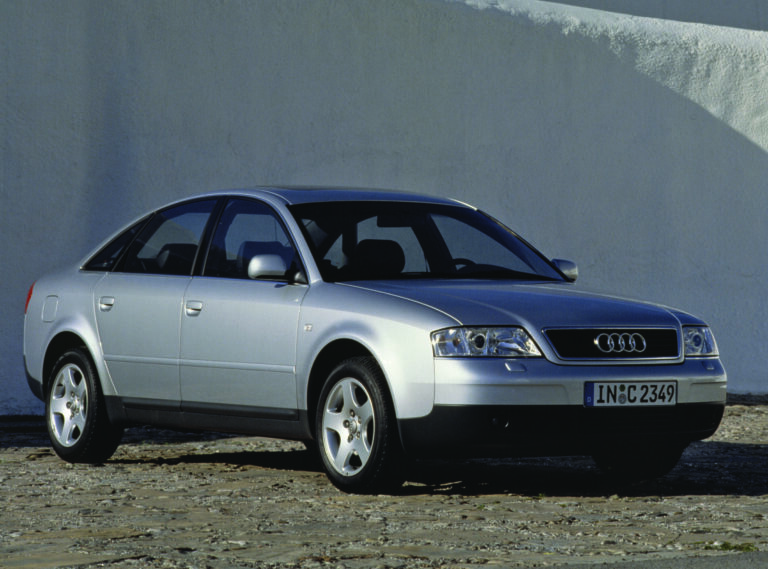
Audi A6 – Luxury, but High Maintenance Risk
The Audi A6 offers a lot of luxury and comfort but comes with an increased risk of costly maintenance. V6 engines, in particular, are susceptible to oil leaks and high consumption. A notorious problem is the failure of the timing chain tensioners, which can lead to severe engine damage. Due to the car’s weight, suspension and steering components, such as control arms, wear out relatively quickly.
- Model years 2005–2015
Oil consumption, failing chain tensioners, MMI malfunctions, suspension wear. Be extra cautious, a full service history is required. - Model years 2016–2018
Engine improvements, but electronics remain a point of attention. A good option, but thoroughly inspect the electronics. - Model years 2019+
Fewer engine complaints, but reports of software and sensor problems. Generally more reliable.
More: Audi A6


Audi A7 – Gran Coupé with Shared A6 Technology
The Audi A7 shares its technical basis with the A6 and therefore exhibits similar problems. Oil leaks and timing chain tensioner problems are also a risk here. Models equipped with air suspension may face expensive repairs to leaking bellows or a defective compressor. The complex electronics, including the infotainment system and driver assistance systems, are prone to malfunctions. Anyone considering an A7 would do well to set aside a budget for unexpected repairs.
Read more: Audi A7
Audi A8 – Flagship with Complex Electronics
Audi’s flagship, the A8, is packed with complex technology, which increases the risk of malfunctions. The electronic systems, air suspension, and advanced comfort options, in particular, can cause problems. Repairs to these systems are often very costly. A complete and perfectly documented service history is even more important for an A8 than for other models. Long-term reviews show that reliability can be a weak point.
Read more: Audi A8
‘ “The TFSI engines are susceptible to well-known problems such as oil consumption and carbon build-up.” ’
Audi TT – Sporty Icon with Technical Points of Attention
The Audi TT is a popular sports coupé but also has technical weaknesses. The TFSI engines are susceptible to well-known problems such as oil consumption and carbon build-up. Sporty driving and track use lead to accelerated wear of the suspension. The brakes and quattro system also wear faster with intensive use. Electrical malfunctions, for example, in the instrument cluster, also occur. Preventive upgrades to brakes and chassis can increase durability during intensive use.
Read more: Audi TT


Audi Q2 – Compact SUV with Modern Electronics
As one of the newer models, the Audi Q2 experiences modern teething problems. Issues often arise in the software of the infotainment system and assistance systems. The DSG/S tronic automatic gearbox also remains a point of attention. Intensive city driving with many short trips can lead to problems with the diesel particulate filter (DPF, a filter that captures soot particles from diesel engine exhaust gases) in diesel engines. The EGR valve (exhaust gas recirculation valve, which sends exhaust gases back into the engine to reduce emissions) can also cause problems. In petrol engines, this type of use can lead to accelerated carbon build-up.
Read more: Audi Q2
Audi Q3 – Family SUV with Known TFSI/TDI Issues
The Audi Q3 is a popular family car but shares the engine concerns of other models. Oil consumption in TFSI engines and problems with the exhaust gas aftertreatment system (EGR/DPF) in diesels are common complaints. Regular maintenance of the Haldex clutch system (an electronically controlled clutch that manages the four-wheel drive) of the quattro drive is necessary to prevent problems. Electronic quirks also occur with this model, so a thorough check before purchase is advisable.
Read more: Audi Q3
‘ A used Q5 requires a very critical inspection. ’
Audi Q5 – The Problem Child Among SUVs?
The Audi Q5, particularly the first generation, is often mentioned in lists of unreliable cars. The problems are largely similar to those of the A4 from the same period.
- Oil and transmission problems: High oil consumption and defects in the S tronic gearbox are the most frequently reported serious complaints.
- Coolant leaks: A leaking water pump or thermostat housing can lead to engine overheating.
- Brake problems: Some owners report irregular wear of brake pads and discs.
A used Q5 requires a very critical inspection. Preferably choose later model years and engines known to have fewer problems.
Read more: Audi Q5

Audi Q7 – Large SUV with Air Suspension and Electronics Risks
The large and heavy Audi Q7 places a considerable burden on its chassis. Problems with the air suspension, such as leaks or a faulty compressor, are a costly and common issue. The complex electronics, with numerous comfort modules and sensors, are another source of potential malfunctions. Due to its high weight, brakes and suspension components wear out faster than average. When used as a towing vehicle, it is especially important to check the condition of the drivetrain and brakes.
Read more: Audi Q7
Audi Q8 – Modern Technology and Long-Term Question Marks
With this relatively young model, the long-term problems of the Audi Q8 have not yet been fully mapped out. However, early issues are already known in the areas of software, electronics, and assistance systems. The complex mild-hybrid technology and powerful engines pose potential future risks. Regularly having software updates performed by the dealer is of great importance for this model.
Read more: Audi Q8
‘ This way you stay ahead of problems and keep costs manageable. ’
What Car Enthusiasts Can Do Themselves: Diagnosis and Prevention
As an Audi owner or enthusiast, it is wise to take steps yourself. This way you stay ahead of problems and keep costs manageable.
- Shorten maintenance intervals: Replace oil and filters earlier than the factory prescribes, for example, every 10,000 to 15,000 kilometres.
- Inspect the timing system: Have the timing belt or chain inspected in good time, especially at mileages above 100,000.
- Check chassis and brakes: A regular visual inspection of the suspension and brakes can reveal incipient wear.
- Use an OBD scanner: A simple OBD scanner (a device to read fault codes from the car’s computer system) allows you to read fault codes yourself as soon as the engine management light illuminates. This gives you a head start in diagnosis.
- Consider carbon cleaning: For TFSI engines with complaints about power loss or an irregular idle, professional cleaning of the intake valves can offer a solution. Walnut blasting (a method where carbon deposits are removed with crushed walnut shells under high pressure) is an effective technique for this.


Smart Buying and Maintenance Advice for Audi Enthusiasts
The key to worry-free Audi driving is a smart purchase and thorough maintenance. Consciously choose a model, engine, and year of manufacture with a better reputation. Avoid the known problem years and configurations, such as TFSI engines with high oil consumption or the Multitronic transmission. A complete and conclusive service history is not a luxury, but an absolute prerequisite. For maintenance after the warranty period, a visit to an independent Audi specialist can often be just as good and significantly cheaper than the dealer.
Knowledge of common Audi car problems is your most important tool to prevent expensive surprises. By knowing the weak points of each model, you can search more specifically, ask the right questions, and negotiate better. The information and tips from Carnews help you make an informed choice and keep your Audi in top condition. This not only provides peace of mind but also ensures that you can fully enjoy the driving characteristics the brand has to offer, without the constant worry about unexpected costs.