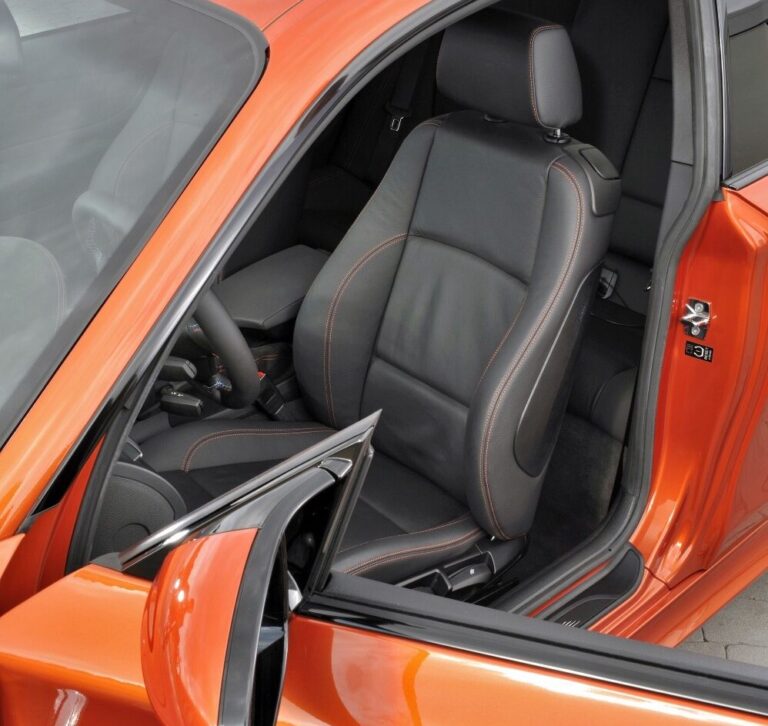
Electrical faults in the BMW 1 Series occur mainly in the E87, F20 and F21 generations through failing windows, mirrors, ignition coils and battery connections that oxidise. These issues regularly cause warning lights, malfunctioning components and in some cases even safety risks. Acting in time prevents expensive repairs and keeps your BMW reliable.
Why are the electric windows not working properly?
Electric windows that refuse to work are a common problem with the BMW 1 Series. The cause is often loose or corroded connectors that interrupt the power supply to the window mechanisms. In the F20 and F21 models, window regulators are extra sensitive to failure.
The main causes:
- Corroded connectors in the door panel
- Faulty window regulator
- Blown fuse in the fuse box
- Worn mechanical components in the window mechanism
Check the fuses first before dismantling the door. Many owners report that simply cleaning the connectors already helps. If the problem persists, the window regulator needs to be replaced. This costs between 150 and 400 euros at a specialist. The price depends on the generation.
‘ Warm and cold weather causes condensation to form in the mirror housing. ’
Defective wing mirrors due to oxidation
Wing mirrors that no longer adjust or heat electrically often point to oxidation in the connections. This mainly happens on models that are regularly parked outside. It is also common in humid climates. Warm and cold weather causes condensation to form in the mirror housing.
Possible causes of mirror faults:
- Oxidation on the connection points in the door
- Loose earth connection of the mirror unit
- Faulty mirror switch on the dashboard
- Damaged wiring between door and bodywork
First check whether the mirror still moves mechanically. If it does, the problem lies in the electronics. Carefully clean the connectors with contact cleaner. Then check the wiring in the door hinges. This wears due to the door being opened and closed repeatedly.


Ignition coils fail due to overheating
Ignition coils regularly fail on the BMW 1 Series, especially on the four-cylinder petrol engines. You notice this from engine judder, loss of power and flashing engine warning lights. The coils become damaged by heat and vibrations in the engine bay.
Symptoms of defective ignition coils:
- Engine runs irregularly or judders
- Reduced power when accelerating
- Flashing engine warning light while driving
- Rough engine running at idle
If you notice these signs, have a diagnosis carried out immediately with an OBD scanner. This shows exactly which cylinder is causing problems. Preferably replace all coils at the same time. The other coils often fail shortly afterwards as well. Count on 300 to 600 euros for replacement including labour. Do not ignore this problem, as it can lead to engine damage.
Battery connections oxidise with poor maintenance
Corroded battery terminals cause power interruption and complete electrical failure. You recognise this from a car that struggles to start. Dim headlights are also a sign. The dashboard can suddenly cut out. This occurs mainly on older models or on cars that stand still for long periods without being started.
The oxidation is caused by:
- Moisture getting between clamp and battery post
- Chemical reactions from acid leaking from the battery
- Loose clamps that generate heat
- Lack of preventive maintenance
Open the bonnet. Then inspect the battery terminals for white or green deposits. Remove the clamps and clean them thoroughly with a wire brush or sandpaper. Then coat the posts with technical petroleum jelly or special battery terminal grease. This prevents new oxidation and ensures a stable power supply. Also measure the battery voltage with a voltmeter (multimeter). The battery should show at least 12.6 volts with the engine switched off.
‘ On some models, there has been a recall due to risk of overheating. ’
Fans stop working due to faulty resistors
The heater or air conditioning fans regularly fail on the BMW 1 Series. This is due to a faulty series (blower) resistor that controls the fan speed. Only the highest setting then still works. Sometimes the fan stops working completely.
Recognisable symptoms are:
- Fan only works on maximum speed
- No airflow from the air vents
- Noises or clicking when adjusting the speed
- Burning smell from the dashboard
The blower resistor is located behind the glovebox and is relatively easy to replace. On some models, there has been a recall due to the risk of overheating. Check whether your car is affected. The resistor costs between 50 and 150 euros and can be replaced by a mechanic within an hour.
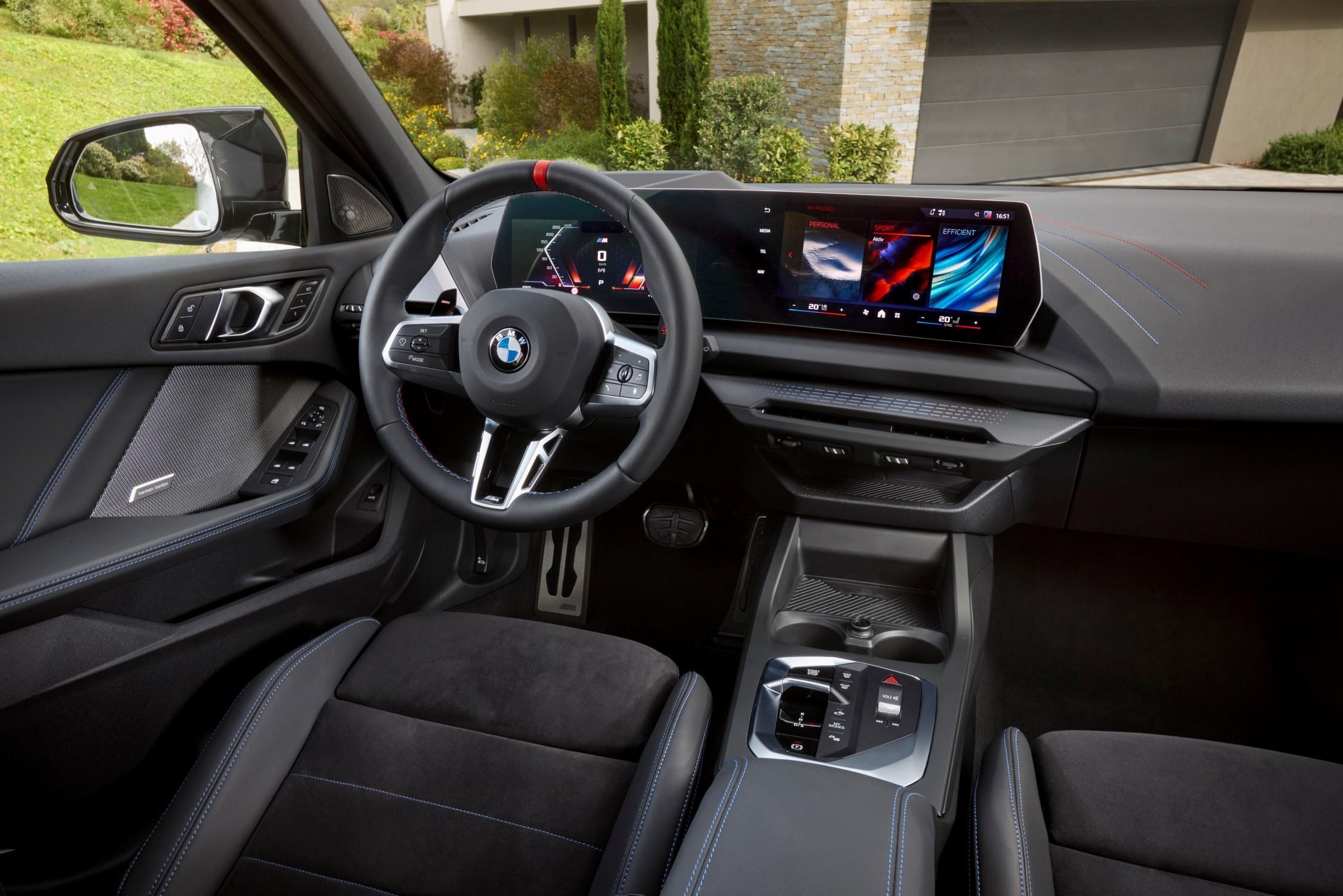
Fuses fail due to overloading
Blown fuses are often the result of a short circuit or overloading of an electrical system. In the BMW 1 Series, fuses are located in the engine bay. You will also find fuses under the dashboard on the driver’s side. A faulty fuse causes entire systems to fail, such as lighting, windscreen wipers or the audio system.
Check the fuses if:
- Several systems fail at the same time
- Lighting suddenly stops working
- Radio or navigation receives no power
- Windscreen wipers or central locking are intermittent
Open the fuse box. Then pull out each fuse to inspect it. You can recognise a blown fuse by a melted wire in the transparent casing. Only replace it with a fuse of the same amp rating. Does the new fuse keep blowing as well? Then there is a short circuit in the system. A specialist will need to trace this.
Preventive maintenance prevents electrical faults
Regular maintenance significantly reduces the risk of electrical faults. Check the battery terminals annually. Inspect wiring in the engine bay for damage. Test the battery charge with a voltmeter (multimeter). Also watch out for water ingress via doors or sunroof, as moisture quickly affects electrical components.
If in doubt, always have a diagnosis carried out by a BMW specialist. The specialist uses an OBD scanner to read out exact fault codes. He can then repair in a targeted way. Independent specialists are often cheaper than dealers and deliver similar quality. Do not postpone repairs, as minor electrical problems quickly escalate into major damage.
‘ The 3 Series, 5 Series and X models also regularly suffer from similar faults in ignition coils, window regulators and battery connectors. ’
Common electrical faults in other BMW models
Electrical issues do not only occur in the BMW 1 Series. The 3 Series, 5 Series and X models also regularly suffer from similar faults in ignition coils, window regulators and battery connectors. In models with a lot of electronics, such as the 7 Series and newer iDrive systems, software faults also occur in the control modules. Read more about specific problems for each BMW model to see which electrical weaknesses your car has and how you can recognise them at an early stage.
Frequently asked questions
The most common electrical faults in the BMW 1 Series are problems with a weak or defective battery and/or alternator, causing starting issues and failing lights. In addition, failing electrical components are common, such as central locking, windows, lighting and an iDrive display that freezes or restarts. Faults in the electric power steering (EPS) are also a known problem, resulting in heavy steering and warning lights. Furthermore, damaged or corroded wiring and connectors regularly cause ‘ghost faults’ in various systems.
Start with a visual check: look under the bonnet and around the battery for loose, damaged or corroded cables and clamps, and clean them or tighten them. Then use a multimeter to measure the battery voltage (around 12.6 V with the engine off, 13.8–14.5 V with the engine running) to roughly check battery and alternator. Pay attention to which systems fail exactly (e.g. windows, lighting, iDrive) and note any warning lights. Finally, use an OBD scanner to read out the fault codes so you can more precisely determine whether the problem lies in the battery/alternator, wiring, fuses or modules.
Common causes of electrical problems in the BMW 1 Series include a weak or defective battery and/or alternator, damaged or overheated wiring, and corroded or loose connectors. In addition, faults in modules such as the engine control unit (ECM), window and iDrive modules often lead to failed functions and warnings on the dashboard. Water ingress and long periods of non-use (parasitic drain) can also cause electrical faults and flat batteries. Regular checks of wiring, battery terminals and software help to prevent these problems or detect them at an early stage.
Have the battery, alternator and earth points checked and cleaned regularly, and replace an old battery in good time to prevent voltage problems. Inspect wiring looms and plugs for wear, corrosion and loose connections, especially around the doors, boot and at the blower/air conditioning unit. Prevent water ingress via doors, windows and any sunroof, because moisture in connectors and modules causes many faults. If strange warning lights or electronic quirks appear, have an OBD diagnosis carried out immediately and have any software updates or preventive repairs done by a BMW specialist.
It is advisable to seek professional help as soon as warning lights remain on or important systems such as power steering, iDrive or lighting fail. Professional diagnosis is also needed if there is a burning smell, strange buzzing or clicking noises, or repeated loss of battery voltage. When the car unexpectedly cuts out while driving or will not start at all, you should not continue to use it and should have it read out with an OBD scanner. For recurring or unexplained electrical faults, a BMW specialist is recommended in any case to find underlying problems.