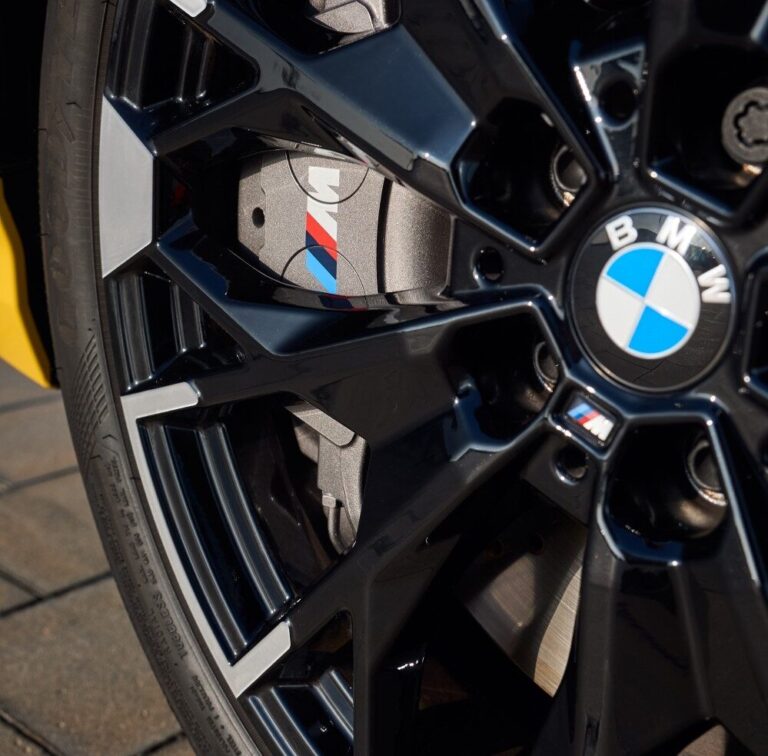
Wear of brake discs and brake pads is common on the BMW 2 Series, especially due to intensive use and uneven loading. Owners report vibrations while braking, squealing noises and persistent warning lights as familiar signs of worn brake components. Chafing brake hoses and sticking brake calipers also accelerate wear and pose a safety risk. Discover which symptoms you need to recognise and how you can tackle these problems preventively.
Why brake discs warp so quickly
A common problem with the BMW 2 Series is warped brake discs. This often occurs due to rapid temperature changes. When you drive through a puddle after heavy braking or brake in rainy conditions, the hot brake discs cool down unevenly. This sudden cooling creates stresses in the material, which can cause the discs to deform.
This problem occurs on many BMW models and has existed for more than ten years. Owners report that warped discs can appear after only 5,000 to 6,000 kilometres of driving. On the BMW 2 Series you can recognise warped brake discs by vibrations or pulsing in the brake pedal, especially at low speeds. Some dealers advise avoiding heavy braking in the rain, but in practice this is of course not a realistic solution.
Uneven wear left and right
Many BMW 2 Series owners experience brake pads on the left side wearing out significantly faster than on the right. This occurs on both the front and rear and has several causes:
- Asymmetrical loading due to cornering and driving style
- Sticking or less freely moving brake calipers
- Dirt or corrosion in the braking system
- Incorrectly fitted or damaged brake components
This uneven wear not only leads to higher maintenance costs, but also to reduced braking performance. When one side is significantly more worn, this can affect the stability of the car while braking. Regular inspection of both sides helps to detect this problem in good time.

Recognisable symptoms of worn brake pads
Brake pads have a limited service life and give clear signals when they need to be replaced. Squealing or scraping noises while braking indicate thin linings that are rubbing against the metal backing plate or brake disc. On the BMW 2 Series the built-in wear indicator activates a warning light on the dashboard as soon as the pads become too thin.
However, this light sometimes stays on even after the brake pads have been replaced. This is often due to dirty contacts, damaged sensor cables or a fault memory that has not been cleared. The sensor itself can also fail or come loose during installation. If a warning light stays on, first check whether the new pads are fitted with new wear indicators, as on later models these must be replaced at the same time.
Chafing brake hoses and their consequences
In addition to mechanical wear on discs and pads, chafing brake hoses are a serious problem. Brake hoses transport brake fluid under high pressure from the master cylinder to the brake calipers. When these hoses start to chafe due to movement of the suspension or contact with other components, weak spots form in the rubber.
You can recognise chafing brake hoses by:
- Visible wear marks or fraying on the rubber
- Damp spots around the hose connections
- A spongy or soft-feeling brake pedal
- Reduced braking power or a longer stopping distance
In severe cases a damaged brake hose can leak or even burst while braking. This causes an immediate loss of brake pressure and poses an acute safety risk. Always have the condition of the brake hoses checked at each service and have damaged hoses replaced immediately.
‘ Old brake fluid can cause sticking brake calipers, which makes the brake pads rub constantly against the disc. ’
Influence of ageing brake fluid
The quality of the brake fluid affects wear across the entire braking system. Brake fluid absorbs moisture from the air, which lowers its boiling point and makes the fluid more aggressive. This causes corrosion in calipers, cylinders and lines, which hinders the operation of moving parts.
For the BMW 2 Series it is recommended to change the brake fluid every two to three years, regardless of the mileage. Old brake fluid can lead to sticking brake calipers, causing the brake pads to rub constantly against the disc. This sometimes explains why one side is significantly more worn than the other.
Practical checks and preventive maintenance
Regular inspection prevents many brake problems and extends the lifespan of the system. At each workshop visit, or when carrying out maintenance yourself, check the following points:
- Thickness of the brake discs and presence of burrs or cracks
- Thickness of the brake pad lining and how firmly the material is attached
- Condition of brake hoses and rigid brake lines
- Free movement of brake calipers in their guides
- Colour and level of the brake fluid
With light contamination, clean the brake pads and discs using brake cleaner. This often resolves squealing noises without needing replacement. Pay particular attention to dirt that builds up in the caliper guides, as this restricts movement and causes uneven wear.
Adjustments to driving style
Your driving style has a direct impact on wear of the braking system. Avoid heavy braking followed immediately by contact with water wherever possible. After intensive use of the brakes, for example after a long downhill stretch or a fast drive, allow the brakes to cool down before driving through deep puddles.
During sporty driving the brakes heat up quickly. The BMW 2 Series, with its performance-oriented character, invites dynamic driving. However, bear in mind the load on the braking system and give the components time to cool down gradually. This prevents thermal shock that leads to warping.
When professional inspection is necessary
Certain symptoms require immediate professional attention. Do not delay a visit to the garage when you notice one or more of the following signs:
- Clearly noticeable vibrations while braking
- Significantly increased stopping distance or reduced braking power
- A warning light that remains on
- Visible leakage of brake fluid
- Scraping noises that do not disappear
A specialist can use dedicated measuring equipment to determine the exact thickness of the brake discs and pads. Reading out the fault memory also provides insight into any sensor faults or other electronic issues. If there is any doubt about chafing brake hoses, a pressure test can give a definitive answer about the condition of the system.
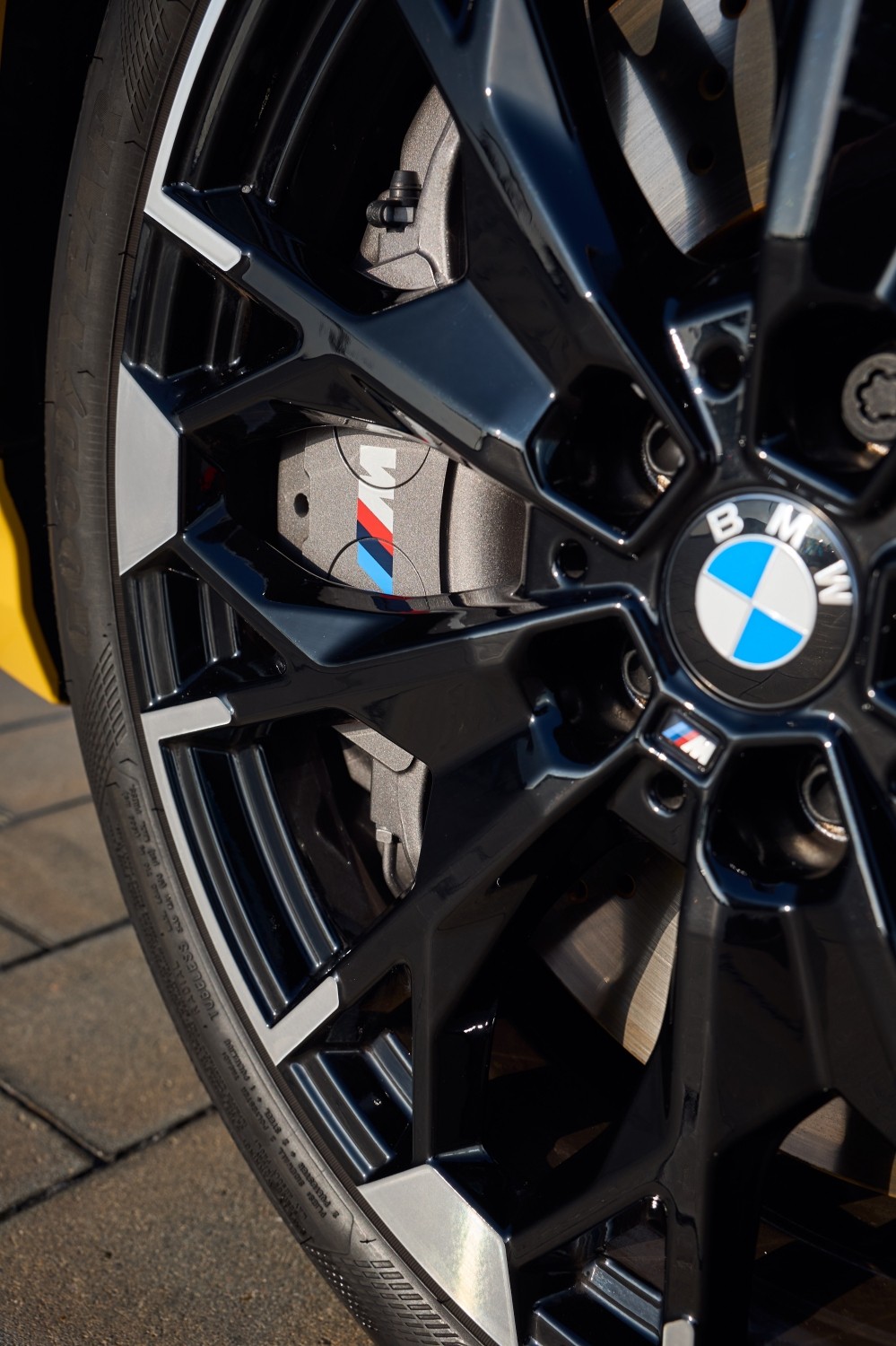
Cost of brake repair
The cost of brake maintenance on the BMW 2 Series varies greatly, depending on which components need to be replaced. New brake pads for both wheels on one axle cost on average between €100 and €200, excluding labour. Brake discs are more expensive and range between €150 and €300 per axle.
When brake calipers also need to be overhauled or replaced, the costs rise considerably. A complete brake caliper quickly costs between €150 and €400 each. Brake hoses are relatively affordable, with prices between €30 and €80 per hose. For professional installation you should allow for labour costs of €75 to €125 per hour, with a complete brake service taking between one and three hours.
Experiences of BMW 2 Series owners
On forums and in owners’ groups, BMW 2 Series drivers share their experiences with brake problems. Many owners report frustration about warped brake discs that appear after a short time, even under warranty. The advice from dealers to avoid rain showers is regarded as impractical by most drivers.
Experiences with small interventions that have a major impact are more positive. Thorough cleaning and lubricating of caliper guides, according to many owners, solves the problem of uneven wear. Replacing old brake fluid and cleaning contacts with spray when warning lights are on also prove to be effective solutions that cost relatively little.
Experienced owners do warn not to drive for too long with vibrations. What starts as a slight vibration can, if ignored, lead to damaged brake discs that are no longer reusable, resulting in significantly higher repair costs.
‘ Wear is unavoidable, but taking timely action prevents small problems from turning into dangerous situations. ’
Importance of acting in good time
The safety of your BMW 2 Series stands or falls with a properly functioning braking system. Wear is unavoidable, but taking timely action prevents small problems from turning into dangerous situations. By being alert to symptoms and carrying out regular inspections, you keep costs manageable and can enjoy the sporty driving characteristics for longer.
Take warning signs seriously and do not postpone repairs. A well-maintained braking system not only contributes to your safety, but also to preserving the value of your car. The BMW 2 Series deserves maintenance that matches its performance-oriented character.
On the Carnews website you will find much more information about maintenance, common problems and practical tips for various BMW models and other brands. Discover useful articles that help you keep your car in top condition and recognise problems at an early stage.
Frequently asked questions
You can recognise worn brakes on your BMW 2 Series by vibrations or pulsing in the brake pedal or steering wheel while braking. Squealing or scraping noises when slowing down are a sign that the brake pads are (almost) worn out. A lit wear-indicator light on the dashboard also points to worn brake pads or a sensor issue. A spongy feeling in the brake pedal or a clearly longer stopping distance may indicate wear or problems in the braking system.
Wear of the braking system on a BMW 2 Series is mainly influenced by driving style (frequent heavy braking), weather conditions (braking with hot discs in rain or puddles), sticking brake calipers and aged or contaminated components such as brake pads and brake fluid. Warping brake discs and uneven wear left/right are more common on this model due to uneven loading and thermal stresses. You can minimise wear by braking calmly and anticipatively, avoiding heavy braking with hot discs in wet conditions, and having the calipers, pads and discs cleaned and checked regularly. Replace brake fluid every 2–3 years and use high-quality braking components that meet the manufacturer’s specifications.
Ignoring brake wear on your BMW 2 Series increases the stopping distance and reduces braking power, which significantly increases the risk of an accident. Worn brake pads and discs can cause vibrations, squealing or scraping noises and a spongy brake pedal, reducing driving comfort and your control over the car. Continued wear can lead to overheated or warped discs and damaged brake calipers, resulting in expensive repairs. The brake balance can also be disturbed, causing the car to pull to one side or become unstable during heavy braking.
For intensive use or trackdays, drilled or grooved brake discs with high-performance brake pads (for example a sport/track compound) are recommended for better heat dissipation and less fading. Upgrading to braided steel brake lines improves pedal feel and brake pressure feedback. Use high-quality brake fluid with a higher boiling point (DOT 4 racing or similar) and renew it more frequently. For very intensive circuit use, a big brake kit (larger discs and multi-piston calipers) can be considered.
The average service life of brake pads on a BMW 2 Series is roughly between 30,000 and 60,000 km; under normal use, brake discs often last for two sets of pads, but due to warping they can sometimes cause issues after only 5,000–6,000 km. Have your brakes checked at least if you feel vibrations in the pedal or steering wheel, hear squealing or scraping noises, or when the wear-warning light comes on. As a general guideline, a visual inspection at every service or at least once a year is sensible. Replacement is necessary as soon as the minimum thickness of pads or discs is reached, or if there are cracks, deep grooves or persistent vibrations.