Car problems with Alfa Romeo: common issues per model and smart tips for car enthusiasts
Alfa Romeo combines Italian flair with sporty driving pleasure, but struggles with a dubious reliability reputation. Older models in particular, from the early 2010s, suffer from electrical faults, gearbox problems and cooling system leaks. Newer models such as the Giulia and Stelvio perform better, but remain susceptible to electronic faults and drivetrain complaints. With the right knowledge and preventive maintenance, you can avoid expensive surprises.
Alfa Romeo and reliability: passion, performance and pain points
Alfa Romeo is synonymous with sporty design and driving pleasure. The Italian brand attracts car enthusiasts who are looking for character and emotion. At the same time, the brand is saddled with a persistent image: wonderful to drive, but fragile and expensive to maintain.
That reputation did not appear out of nowhere. Older models from the early 2010s struggled with complex electronics, sensitive gearboxes and inconsistent build quality. Parts failed, warning lights appeared without a clear cause and repairs quickly ran into the hundreds of euros.
Under Stellantis ownership there has been progress. The engineering has been simplified, parts are more readily available and the latest generation of models scores more competitively on reliability. Even so, Alfas remain more sensitive than average, especially when it comes to electronics and the drivetrain.
For many enthusiasts, the driving pleasure outweighs the risks. They deliberately choose a brand with character, but prepare themselves for specialist maintenance and higher costs. With the right attention and level of knowledge, you can avoid the worst surprises.
‘ The MiTo offers a lot of driving pleasure for an attractive price, but only if you know the risks and are prepared for maintenance. ’
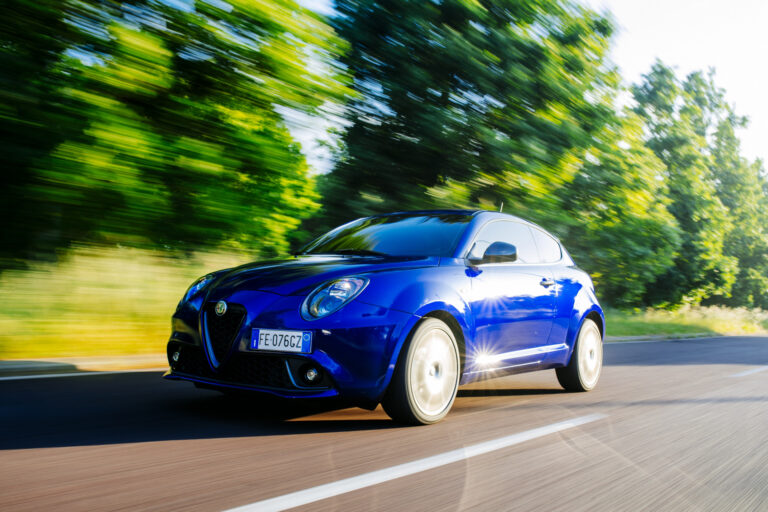
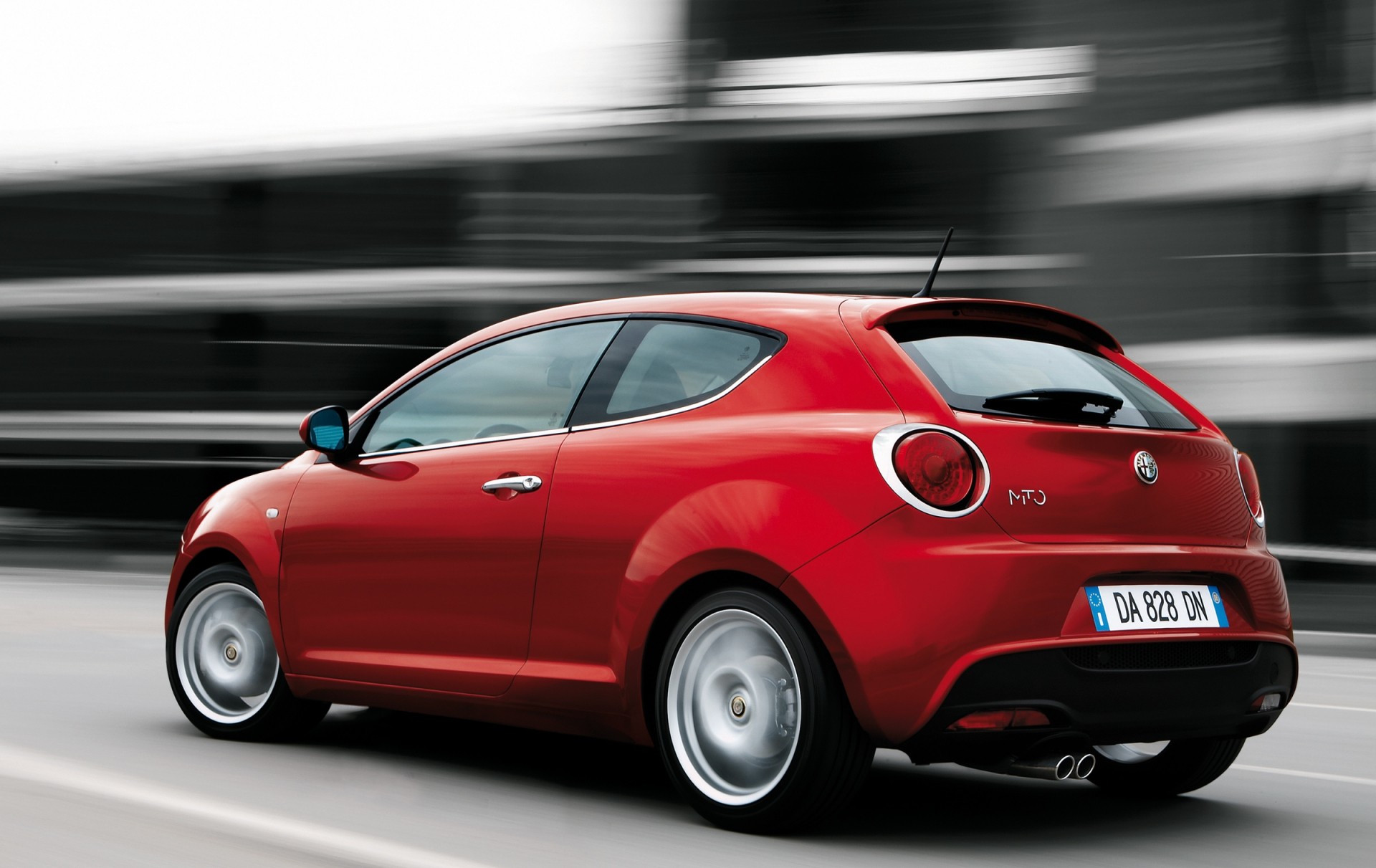
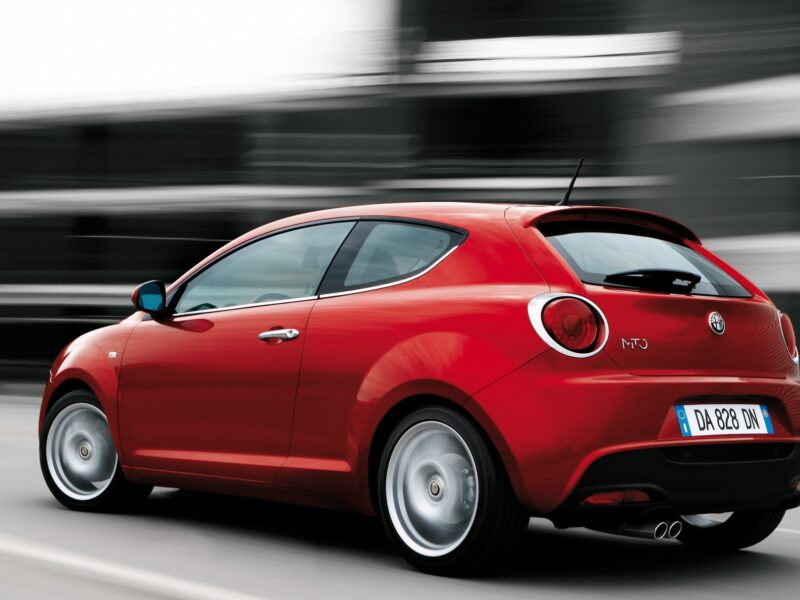
Alfa Romeo MiTo: small hatchback, big points of attention
The MiTo was launched in 2008 as a compact, sporty hatchback. The model was intended as an entry point into the Alfa world, but quickly gained a dubious name in terms of reliability. In particular, cars from the period 2008 to 2013 suffer from typical problems you need to be aware of as a buyer or owner.
Gearbox wear at higher mileages
The MiTo’s gearbox is a well-known weak point. After around 50,000 kilometres, many cars start to show signs of wear. You notice this through notchy shifting, grinding noises when changing gear or a gearbox that pops out of gear on its own.
This problem is more common with aggressive driving, but also affects gentle drivers. Repair or replacement of the gearbox quickly costs between 1,500 and 3,000 euros. When viewing a used MiTo, always check that the gearbox shifts smoothly and ask about any past repairs.
Oil leaks and possible consequences
Oil leaks are another recurring problem with the MiTo. These leaks often occur at the head gasket or the sump and are not always immediately visible. You may sometimes smell burning oil or see oil spots under the car after parking.
If you act too late, the oil level can become too low. This leads to serious engine damage and repair costs that can run into the thousands of euros. Check the oil level regularly and have oil leaks fixed immediately.
What to look out for with a used MiTo
Buying a used MiTo? Then pay attention to the following points:
- Mileage: avoid cars with more than 80,000 kilometres without a full service history
- Service history: check whether the gearbox and engine have been serviced regularly
- Test drive: shift through all gears and listen for grinding noises or notchy changes
- Oil leaks: inspect the engine bay and underside of the car for oil spots
- Warning lights: ask whether there have been electrical faults in the past
The MiTo offers a lot of driving pleasure for an attractive price, but only if you know the risks and are prepared for maintenance.
Read more: Alfa Romeo MiTo
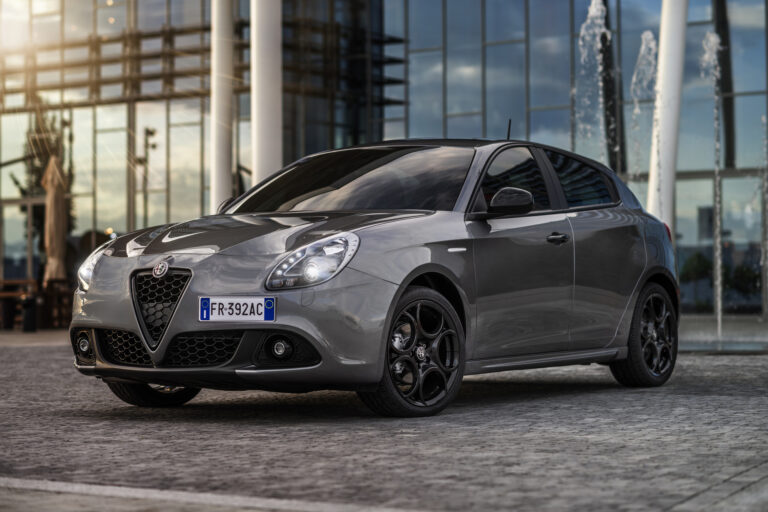
Alfa Romeo Giulietta: popular used car with electrical and gearbox issues
The Giulietta is a popular choice on the used car market. The model combines sporty design with practical space and offers a range of engine options. However, cars from around 2010 to 2014 in particular suffer from problems that you should not underestimate.
Electrical faults and warning lights
Electrical problems are the most common issue with the Giulietta. Owners report random warning lights on the dashboard, failing sensors and faults in the infotainment system. Sometimes these warnings disappear on their own, but often they keep coming back.
The causes range from weak factory batteries to software errors and corrosion in connections. Diagnostics at a specialist garage cost 50 to 100 euros, but do not always solve the problem permanently. Some owners proactively replace the battery and have software updates carried out to reduce the chance of faults.
Clutch and gearbox problems at high mileages
The clutch and gearbox of the Giulietta are prone to wear, especially after 100,000 kilometres. You notice this from a slipping clutch, hesitant gear changes or noises when shifting. Manual models are slightly less vulnerable than those with the automatic TCT gearbox.
Replacing the clutch costs between 800 and 1,500 euros, depending on the engine type. A defective TCT gearbox is more expensive and can cost up to 3,000 euros. When buying, always check how the gearbox shifts and ask about previous repairs.
Which model years you should look at critically
Cars from the period 2010 to 2014 have the most problems. Models built after 2014 benefit from improved electronics and more reliable parts. Still opting for an older car? Then carry out the following checks:
- Check the service book for regular servicing
- Ask whether the clutch, gearbox or battery has been replaced
- Test all electrical functions during a test drive
- Have a specialist read out the fault codes before you buy
The Giulietta offers a lot of value for money, but only if you pick the right model years and check the service history carefully.
Read more: Alfa Romeo Giulietta
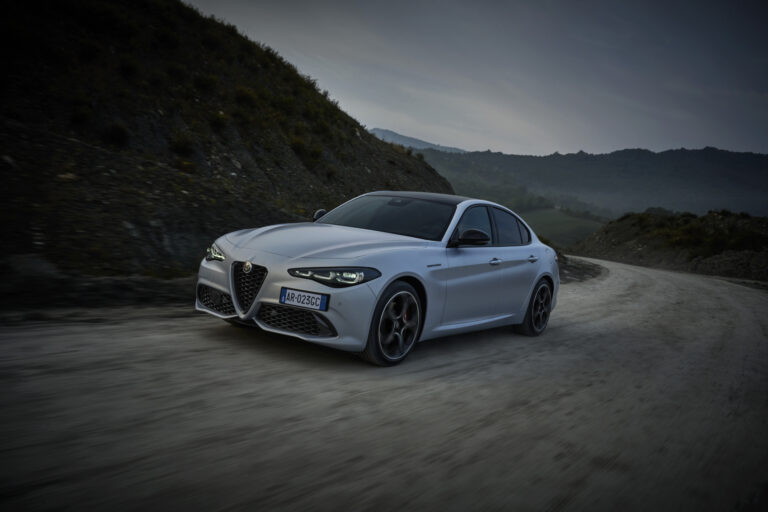
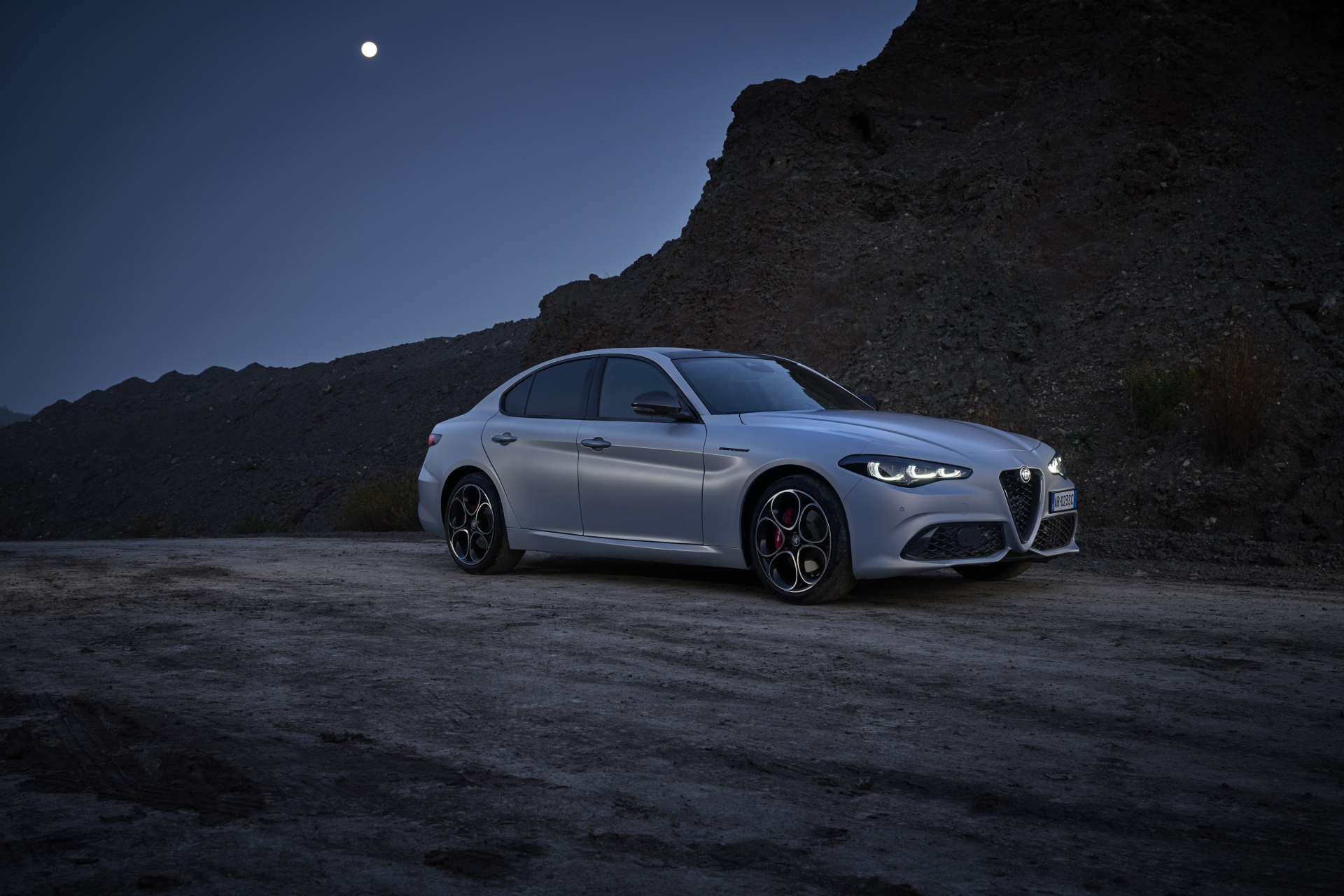
Alfa Romeo Giulia: modern sports saloon with sensitive electronics
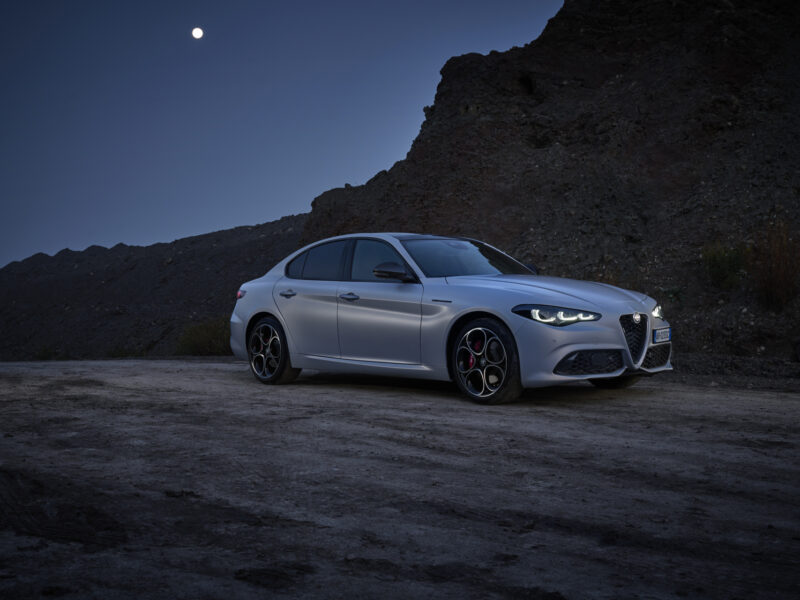
The Giulia marks a turning point for Alfa Romeo. This model appeared in 2016 and shows a clear step forward in reliability and build quality. That said, the Giulia is not trouble-free. Electrical faults, turbo issues and cooling system problems are fairly common.
Electrical faults: sensors, fault messages, weak factory battery
Electrical faults are the main point of attention with the Giulia. Sensors give false messages, warning lights appear without a clear cause and the infotainment system can freeze. These problems mainly affect early cars from 2016 and 2017.
The factory battery is a known weak spot. Many owners replace it after two to three years to prevent electrical problems. Software updates help as well, but do not solve every complaint. Have a specialist garage regularly check the electronics and update the software at every service.
Turbo and cooling system problems
The Giulia’s turbocharged engines deliver impressive performance, but are prone to faults. Boost leaks are common and lead to a loss of power. You notice this from sluggish acceleration and sometimes a warning light.
The cooling system suffers from leaking radiators and expansion tanks. These parts are often made of plastic and can crack over time. A leaking cooling system leads to overheating and can cause serious engine damage. Check the coolant level regularly and inspect the engine bay for fluid leaks.
Drivetrain: transfer case and rear differential
Models with four-wheel drive sometimes suffer from problems with the transfer case and rear differential. You then hear grinding or droning noises, especially when cornering or accelerating. In severe cases, the transfer case can fail completely, leading to repair costs of 2,000 to 4,000 euros.
These problems are not widespread, but do affect a number of owners. Have the drivetrain checked at every service and respond immediately to unusual noises.
Tips for preventive maintenance and software updates
Avoid expensive repairs with the following measures:
- Replace the factory battery after three years
- Have software updates carried out at every service
- Check the cooling system every six months for leaks
- Inspect the turbo and boost pipes annually
- Listen while driving for unusual noises from the drivetrain
The Giulia offers modern technology and sporty performance, but does require proactive maintenance to remain reliable.
Read more: Alfa Romeo Giulia
‘ This is not a defect, but it is a cost item you need to factor in. ’
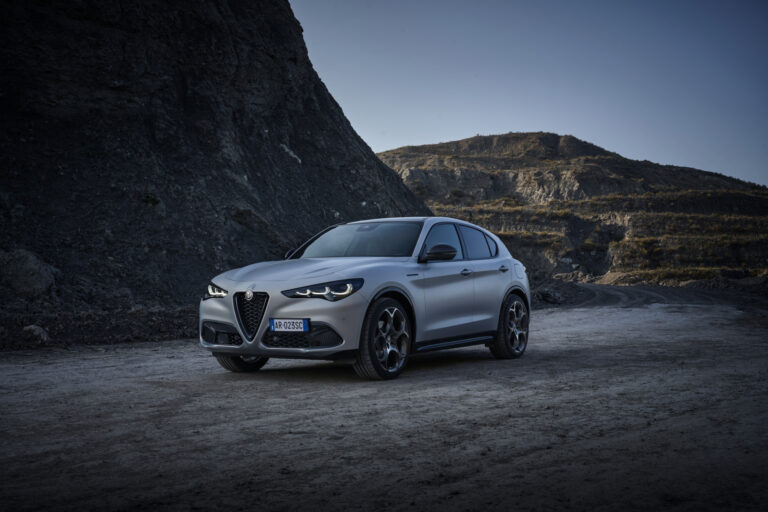
Alfa Romeo Stelvio: SUV with brake and drivetrain wear
The Stelvio appeared in 2017 as Alfa Romeo’s first SUV. The model shares its platform and technology with the Giulia, but adds extra weight and height. That has consequences for wear on brakes, tyres and drivetrain.
Rapid wear of brakes and tyres
The Stelvio’s weight and sporty setup lead to faster wear of brake pads and tyres. Owners report that brake pads often need replacing after just 30,000 to 40,000 kilometres. Tyres tend to wear unevenly, especially with enthusiastic driving.
This is not a defect, but it is a cost item you need to factor in. Budget a few hundred euros extra per year for brakes and tyres. Check the thickness of the brake pads at every service and have the tyres balanced regularly.
Electronic sensor faults and possible error codes
Just like the Giulia, the Stelvio suffers from electronic sensor faults. Parking sensors give false alerts, driver assistance systems drop out and the dashboard shows warnings without a clear cause. Many of these problems are software-related and disappear after an update.
Always have error codes read by a specialist. Sometimes they indicate real problems, but often they are temporary faults that require no further action.
Problems with the Q4 drivetrain
Models with four-wheel drive use the Q4 system with a transfer case. Over time this can become noisy or even fail. Typical symptoms are a droning sound when accelerating or shifting and warning lights on the dashboard.
A faulty transfer case is expensive to replace. Have the drivetrain inspected at every service and respond immediately to unusual noises.
Advice for company car drivers and private buyers
The Stelvio is an attractive choice for company car drivers who want to enjoy sporty driving without worrying about maintenance. Service packages often cover brakes, tyres and routine servicing, offsetting the higher wear.
As a private buyer, your best option is a nearly new car with a full service history and warranty. Models built after 2019 have fewer electrical problems and benefit from improved software. Take out a service contract if you do not want to bear all costs yourself.
Read more: Alfa Romeo Stelvio
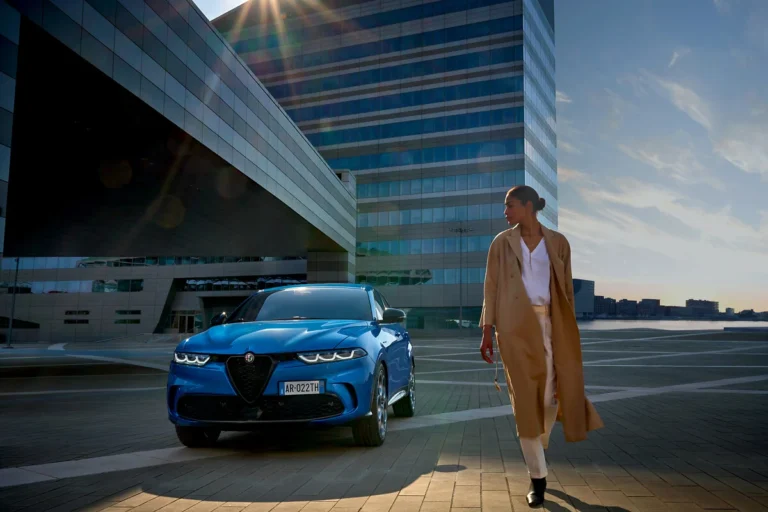
Alfa Romeo Tonale: young hybrid with teething troubles
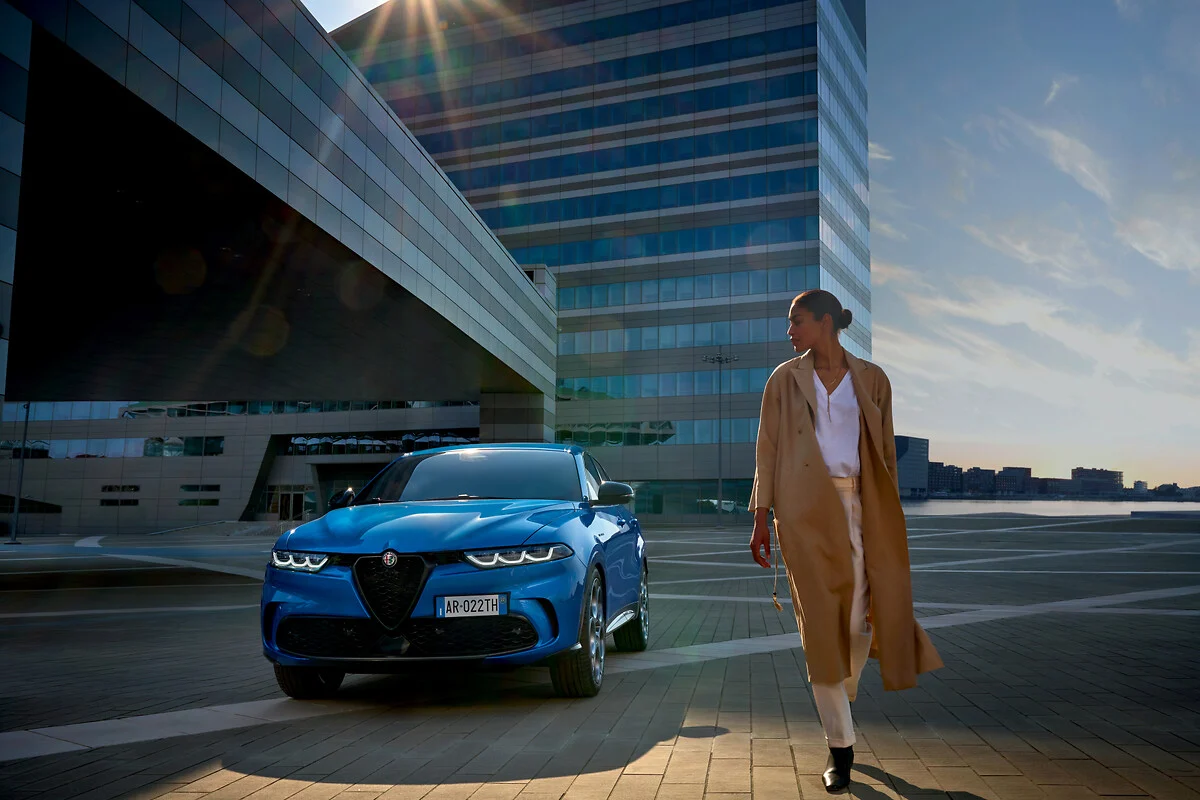
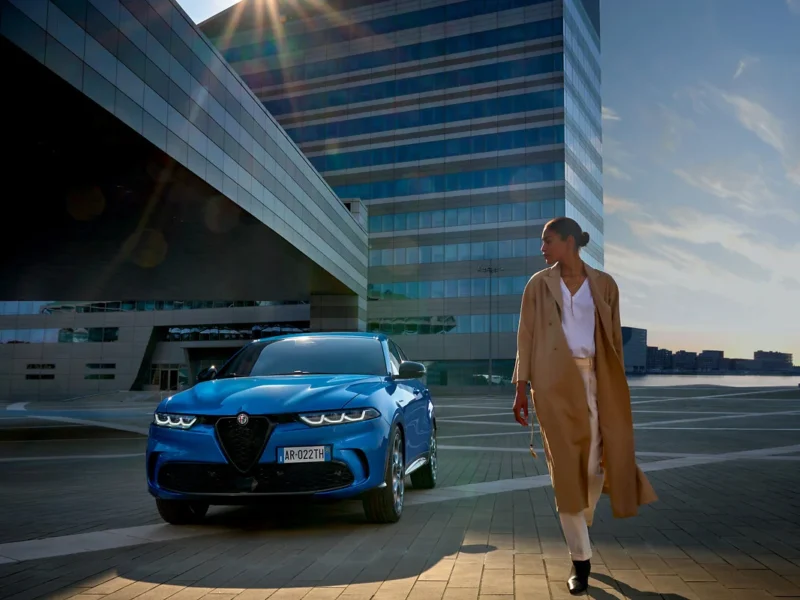
The Tonale appeared in 2022 as a compact SUV with a hybrid powertrain. The model marks the start of Alfa’s electrification strategy and combines modern technology with classic design. As a young model, the Tonale suffers from the usual teething troubles associated with new technology.
Software problems and early recalls
Early examples of the Tonale suffered from software problems in the hybrid system. Owners reported faults in the charging mode, electric motors that cut out and fault codes on the dashboard. Alfa Romeo has carried out several recalls to resolve these issues.
Most problems have now been solved via software updates. Cars from later production batches have fewer complaints. Buying a used Tonale from the first model year? Then check whether all recalls have been carried out and ask which software version is installed.
How updates and new production batches improve reliability
Alfa Romeo is learning from the early experiences and is adjusting production. Later cars benefit from improved software and modified hardware. Parts logistics have also improved, meaning repairs can be carried out more quickly.
This pattern is normal for new models with modern technology. The Tonale is following the same path as earlier hybrids from other brands: teething troubles at the start, but growing reliability after a year or two.
What early adopters should look out for
Choosing a Tonale from the first model year? Then pay attention to the following points:
- Check that all recalls have been carried out
- Ask which software version is installed and have it updated
- Thoroughly test the hybrid system during a test drive
- Try all charging modes and switch between electric motor and combustion engine
- Check that the infotainment system operates reliably
The Tonale offers modern technology and low fuel consumption, but does require alert ownership in the first few years.
Read more: Alfa Romeo Tonale
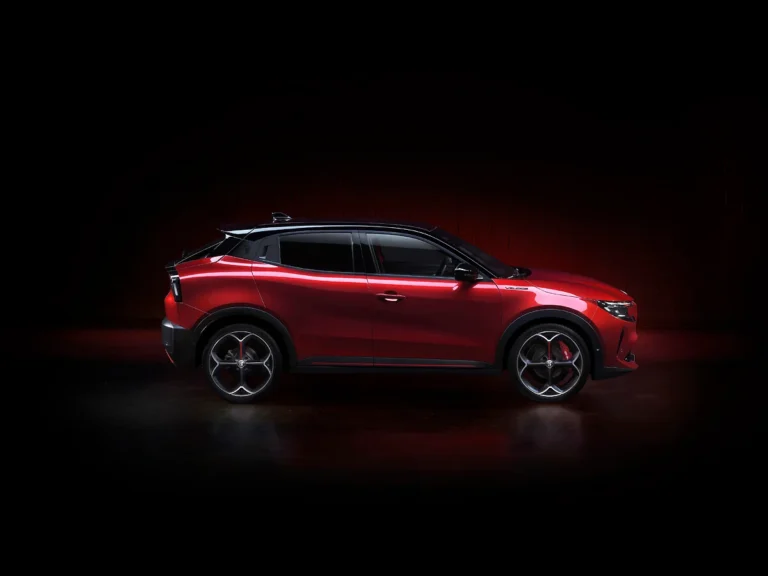
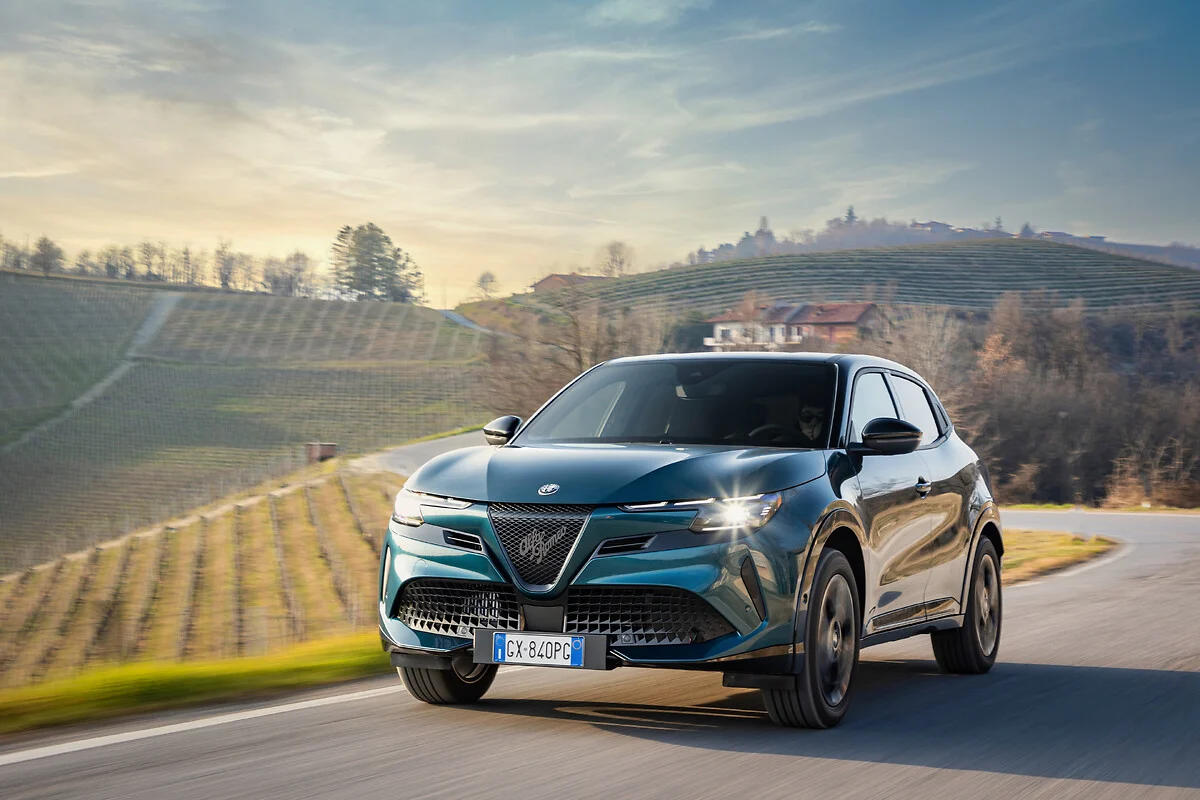
Alfa Romeo Junior: expectations and possible points of attention for the new model
The Alfa Romeo Junior is the latest addition to the model range and is positioned as a compact, often electrified entry-level model. It benefits from the lessons Alfa has learned with earlier cars and from the experience within Stellantis.
Which problems from earlier generations may have been prevented
Alfa Romeo has worked deliberately on improving reliability. The Junior uses technology and parts that are also used by other Stellantis brands. This improves parts availability and reduces complexity.
The electronics are simpler than in older models, reducing the chance of faults. The drivetrain is tried-and-tested and less prone to the typical Alfa problems of the past. Even so, it is sensible to remain alert to possible teething troubles.
Expected points of attention: electronics, battery systems, infotainment
The Junior combines electric or hybrid drive with modern infotainment systems (the combined audio and navigation system). These systems bring new risks:
- Electronics and sensors can be prone to software errors
- Battery systems require specific maintenance and can degrade over time
- Infotainment systems can freeze or receive slow updates
These problems are not unique to Alfa, but occur with all modern electrified models. Make sure you have software updates carried out regularly and respond immediately to warning lights.
What to watch out for in the first production years
Buying a Junior from the first model year? Then keep an eye on the following points:
- Follow forums and user groups to spot problems early
- Check regularly whether there are any recalls
- Have software updates carried out by the dealer straight away
- Thoroughly test all functions in the first few months
- Document any faults for possible warranty claims
The Junior has the potential to be more reliable than older Alfas, but only time will tell.
Read more: Alfa Romeo Junior
‘ There are concrete reasons that explain why Alfas seem to have problems more often than average. ’
Why Alfas in particular seem to have problems more often
Alfa Romeo’s reputation as an unreliable brand did not arise for no reason. There are concrete reasons that explain why Alfas have problems more often than average.
Complex electronics and gearboxes in older models
In the early 2010s, Alfa Romeo opted for complex electronics and advanced gearboxes. The technology was ambitious, but not yet fully developed. Sensors failed, software suffered from bugs and gearboxes were prone to wear.
These choices led to many complaints and high repair costs. The TCT gearbox and the electrical systems of the Giulietta and MiTo in particular have damaged the brand’s reputation.
Parts quality and variation in build quality
Alfa Romeo’s build quality varied greatly between 2008 and 2014. Some cars were well built, others suffered from finish and parts problems. Plastic components such as cooling system parts and wiring were not always durable.
This lack of consistency made it difficult to assess reliability. Two identical models could deliver completely different ownership experiences.
Comparison of maintenance and repair costs with brands like BMW and Audi
Alfa Romeo positions itself in the same market as BMW and Audi, but has a smaller dealer network and less economy of scale. Parts are therefore often more expensive and repairs require specialist knowledge.
Maintenance costs are on average 10 to 20 percent higher than for German competitors. Repairs to electronics and drivetrain can quickly run into the thousands of euros. For many owners this weighs more heavily than comparable costs at other brands.
Improvements since integration into Stellantis
Since integration into Stellantis, progress has been made. Alfa Romeo now shares technology and parts with other brands within the group, which improves reliability. Parts logistics and dealer support have also been strengthened.
Models from 2018 onwards benefit from these improvements. The Giulia and Stelvio now score better on reliability and customer satisfaction. Newer models such as the Tonale and Junior use proven technology and simpler electronics.
Smart maintenance: how to avoid expensive Alfa Romeo repairs
Preventive maintenance is the key to reliable Alfa ownership. With the right measures you can avoid many of the typical problems and keep costs under control.
Shorter service intervals
Alfa Romeo often recommends service intervals of 20,000 kilometres or once a year. For reliable use, it is wise to shorten this to 10,000 kilometres. This prevents wear on engine, gearbox and exhaust system.
Shorter intervals cost more in the short term, but prevent expensive repairs later on. Diesel engines and turbocharged models in particular benefit from regular replacement of oil and filters.
Timely replacement of timing belt and water pump
The timing belt and water pump must be replaced at 100,000 kilometres. Do not postpone this, as a broken timing belt causes severe engine damage. Replacement costs are between 600 and 1,200 euros, depending on the model.
Ideally, replace the water pump at the same time as the timing belt. This saves labour costs and prevents problems with the cooling system.
Extra attention to DPF, EGR, turbo and injectors on diesel and turbo models
Diesel engines and turbo models need extra care. The diesel particulate filter (DPF, the soot filter in the exhaust) can become clogged during short journeys. The EGR valve accumulates soot and can fail. Turbos and injectors are prone to wear if maintenance is poor.
Prevent problems with the following measures:
- Regularly drive longer distances at higher speed to regenerate the DPF
- Have the EGR valve cleaned every 60,000 kilometres
- Use high-quality engine oil and diesel
- Have injectors checked if you notice a loss of power
Proactive replacement of the battery and regular software updates
The factory battery in Alfas is often weak and needs replacing after three years. This prevents electrical problems and failing sensors. Choose a high-quality replacement with sufficient capacity.
Software updates solve many electrical faults. Have them carried out at every service. Ask the dealer whether new updates are available and have them installed straight away.
Inspection tips for cooling system, plastic parts and oil or boost leaks
Regularly check the following components:
- Cooling system: inspect radiators, hoses and expansion tank for cracks and leaks
- Plastic parts: look for brittle clips, brackets and housings in the engine bay
- Oil leaks: check head gasket, sump and gaskets for signs of oil
- Boost leaks: inspect turbo hoses and connections for cracks
These checks take little time, but prevent expensive surprises.
Alfa Romeo as used car or company car: what should you look out for?
Buying or leasing an Alfa Romeo requires careful preparation. With the right checks and knowledge, you can make a smart choice.
Checking service history, with special focus on MiTo and early Giulietta
The service history is the most important document when buying a used Alfa. Check that all services have been carried out and that any repairs have been done to gearbox, clutch or electronics.
This is especially important for the MiTo and Giulietta (2010–2014). These models have the most problems and require precise documentation. Cars without a service history are a risk you should not take.
What to look for during a test drive
A test drive reveals a great deal about an Alfa’s condition. Pay attention to the following points:
- Gearbox: shift through all gears and listen for grinding noises
- Brakes: test braking power and listen for juddering or grinding brakes
- Drivetrain: when cornering and accelerating, listen for droning or grinding sounds
- Warning lights: check whether any messages appear on the dashboard
- Electronics: test all functions, from infotainment to parking sensors
Take your time for a thorough test drive and test the car on different types of road.
Benefits of maintenance and warranty packages
Maintenance and warranty packages are valuable for Alfa owners. They cover routine servicing and often repairs to electronics and drivetrain as well. This provides peace of mind and prevents unexpected costs.
For models such as the Giulia and Stelvio, these packages are almost essential. The higher maintenance costs are offset by predictable monthly expenses.
When to choose nearly new rather than brand new models
A new Alfa offers maximum warranty and the latest technology. You benefit from improved reliability and up-to-date software. For models such as the Tonale and Junior, this is the safest choice.
A nearly new Giulia or Stelvio (2019 or newer) offers a lot of value for less money. These cars have already gone through their teething troubles and have had recalls and updates carried out. Choose a car with a full service history and remaining warranty.
‘ They deliberately choose character over predictability. ’
Owner experiences: living with an Alfa Romeo
The day-to-day reality of Alfa ownership presents a mixed picture. Many owners enjoy the driving pleasure, but also accept the brand’s quirks.
Driving pleasure and emotion versus the risk of faults
Alfas offer direct steering, sporty engine and exhaust notes and distinctive design. For many owners this outweighs the risk of faults. They deliberately choose character over predictability.
However, the willingness to put up with problems is not unlimited. Owners expect a car to start, drive and not show random warnings. When electrical problems occur too often, satisfaction quickly drops.
Common complaints: electrical faults, brake and tyre wear
The most common complaints concern electrical faults and rapid wear of brakes and tyres. Owners report warning lights that appear without a clear cause and that software updates do not always help.
Brake and tyre wear is not a defect, but it is a cost item that turns out higher than expected. Owners of the Stelvio in particular notice that they have to visit the garage more often for brake pads and tyres.
Positive stories about engine reliability with good maintenance
The engines in Alfa Romeos are generally reliable if they are properly maintained. Owners of the 2.9-litre twin-turbo V6 in the Giulia Quadrifoglio report few problems, even at high mileages.
The four-cylinder turbo engines also perform well if oil and filters are changed regularly. Many problems are caused by neglected maintenance rather than inherent design faults.
Which type of driver an Alfa Romeo is right for
An Alfa Romeo suits car enthusiasts who value driving pleasure and design. You must be willing to invest more time and money in maintenance than with a mainstream brand. You also need to accept that electrical faults can occur.
For those who mainly see a car as a means of transport, an Alfa is less suitable. But for those who enjoy the drive and consciously choose character, an Alfa can be a rewarding companion.
At Carnews you will find all the information you need to make informed choices. Whether you are looking for a sporty used car, a company car or a new Alfa: with the right knowledge and preparation you can enjoy Italian driving pleasure without unnecessary surprises. Discover which Alfa suits your driving style and make use of the experiences and tips from thousands of car enthusiasts.