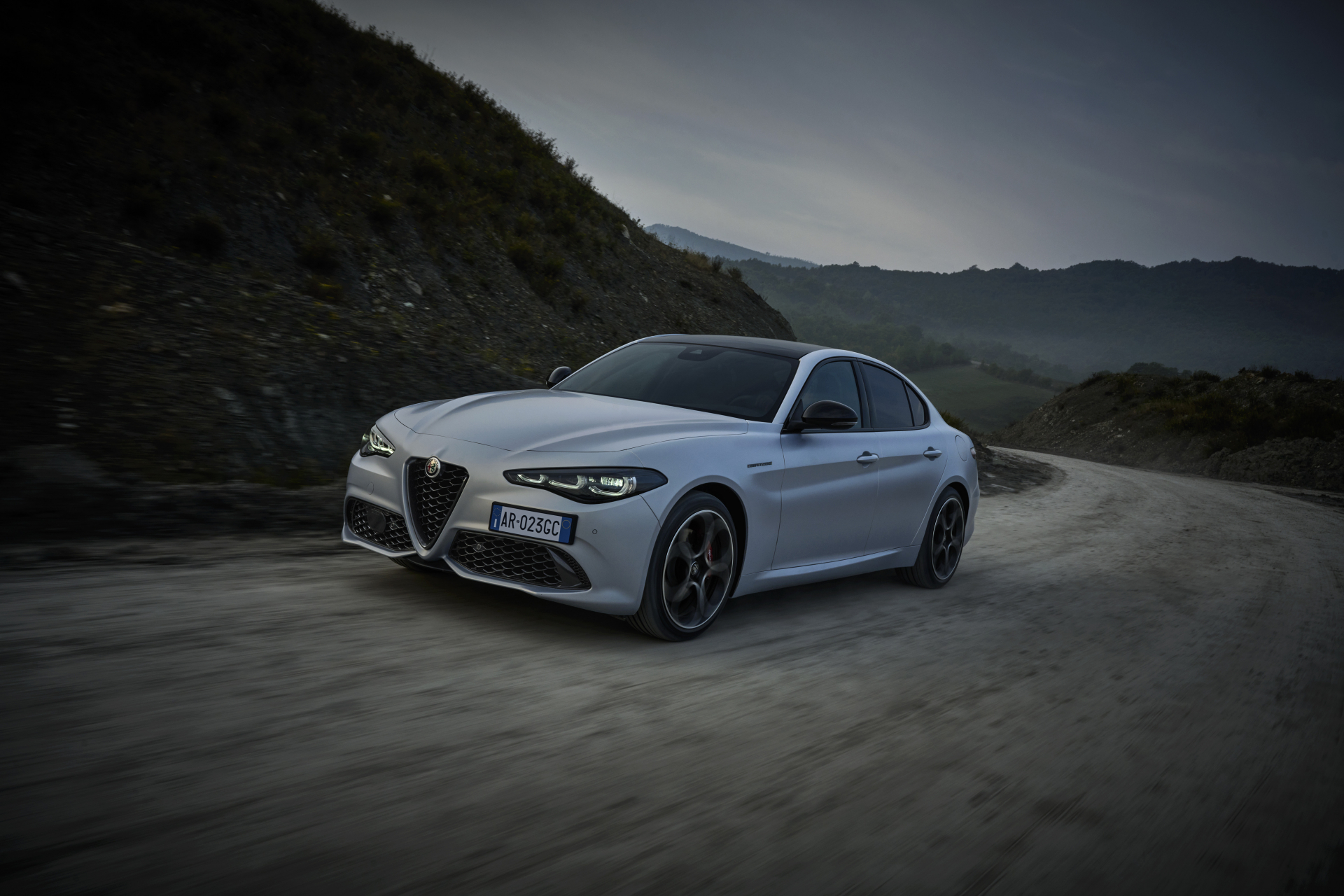
Alfa Romeo Giulia: Italian passion with realistic pitfalls
The Alfa Romeo Giulia is a car that speaks to enthusiasts with its aggressive Italian design and sporty driving dynamics. This compact sports saloon combines driving pleasure with a distinctive appearance, but it also has a realistic downside. Despite its convincing performance and sharp handling, the Giulia struggles with various technical issues ranging from engine concerns to electronic frustrations. For anyone considering buying this Italian temptress, it is important to be well informed about what you can expect. This article provides a clear overview of the most common problems so that you make your choice with your eyes open.
Alfa Romeo’s reputation: how reliable is the Giulia really?
Alfa Romeo carries a reputation that goes hand in hand with Italian passion and character, but also with mixed reliability. The Giulia is no exception. Although the car impresses in terms of driving dynamics, owners regularly report technical problems that put everyday reliability under pressure. This does not mean that every Giulia is problematic, but it is a realistic factor you have to weigh up.
The combination of advanced technology and sporty performance demands meticulous maintenance. For those familiar with premium brands, this will come as no surprise. Even so, it is wise to read up in advance on the page about car problems with Alfa Romeo so you know what to look out for. The Giulia needs an owner who is prepared to invest time and attention in preventive maintenance.
Common issues: an overview from real-world use
The Alfa Romeo Giulia is known for a wide range of reported issues. Some are relatively minor electronic glitches, while others are serious engine-related concerns. Certain problems occur more often with specific model versions or production years, while others are more broadly spread across the entire range.
The most frequently reported complaints relate to electronic systems, engine components and transmission. In addition, there are problems with the transmission. Owners talk about dashboard warning lights that come on unexpectedly, engine issues during cold starts and jerky transmissions. These signs can range from annoying to serious, depending on the underlying cause. In the following sections, we take a closer look at these specific concerns.
Engine concerns: the heart of the Giulia needs attention
The Giulia’s engines deliver convincing performance, but not without some teething troubles. The most common engine is the 2.0-litre turbocharged four-cylinder with 280 hp. This power unit offers an appealing mix of power and responsiveness, but it also has its own early-life issues.
Owners report problems with cold starts, where the engine runs roughly or even stalls. This may point to issues with the fuel injection or ignition systems. In addition, the turbo can show wear earlier than expected, especially with intensive use or in cars that often make short trips without sufficient warm-up time.
The 2.2-litre diesel engine, which is available in some markets, suffers from soot filter-related problems. Regular regeneration is needed to keep the diesel particulate filter (DPF) in good condition, but in cars that are mainly used in town, this can lead to blockages and loss of power. The most extreme version, the Giulia Quadrifoglio with its 2.9-litre V6 biturbo, is less problematic from an engine perspective but does require frequent and costly servicing intervals.
Electronic frustrations: glitchy software and sensors
The Giulia’s electronic systems are a regular source of frustration for owners. The infotainment system can be slow to respond, freeze or restart unexpectedly. While this does not directly affect the car’s ability to drive, it is irritating in everyday use.
Sensors are another point of attention. Parking and lane-keeping sensors can give false alerts or fail to respond altogether. This undermines confidence in the driver assistance systems and can lead to unnecessary workshop visits. Advanced driver assistance systems (ADAS) such as adaptive cruise control and lane assist (a system that helps keep the car in the centre of the lane) can also switch off unexpectedly or display error messages.
Battery issues are more common than you would expect with a modern car. Some owners report that the battery discharges quickly if the car stands still for a few days. This suggests parasitic current draw from electronic components that do not fully go into sleep mode. Check battery voltage regularly and consider using a trickle charger if you do not drive the car every day.
Transmission and drivetrain: interruptions in power delivery
The Giulia’s 8-speed automatic transmission is known for its fast shifts, but some examples show irregular behaviour. Owners report jerky gear changes, especially at low speeds or when pulling away from a standstill. This may point to software issues or mechanical wear inside the transmission.
In some cases, the transmission refuses to engage certain gears or gets stuck in one gear. This can be caused by problems with the transmission fluid, faulty sensors or internal mechanical defects. A software update can sometimes help, but in more serious cases repair or replacement is required.
On four-wheel-drive versions, there are also issues with the differential and drivetrain. Creaking noises when cornering or accelerating can indicate wear to the drive shafts or the differential itself. Have this checked in time to prevent more extensive damage.
Suspension and brakes: concerns around handling and lifespan
The Giulia’s chassis is tuned for sporty driving, but this goes hand in hand with increased wear on certain components. Shock absorbers and springs tend to wear out faster than on some rivals, especially on cars that regularly drive on poor road surfaces. This can lead to reduced comfort and less precise handling.
The steering system also suffers from early issues. Some owners report a creaking noise when turning the wheel, which can indicate wear to the track rod ends or the power steering system. This affects the driving experience and requires timely replacement of parts.
The brakes are generally solid, but under intensive use brake fade can occur. Discs and pads wear relatively quickly, especially on the more powerful versions. Regularly check disc thickness and replace brake pads in time to maintain optimum braking performance. On the Quadrifoglio larger brakes are fitted that cope better with high loads, but these are also more expensive to maintain.
Interior and bodywork: common imperfections
The Giulia’s interior exudes Italian style, but the finish sometimes leaves something to be desired. Owners report rattling trim panels, especially around the dashboard and in the doors. This does not affect safety, but it does detract from the premium feel you may expect in this segment.
Wear to the upholstery can appear sooner than you might like. Leather seats can crack or discolour after a few years of use, particularly in lighter shades. Consider regular cleaning and treatment with leather care products to extend their lifespan.
Paint issues are not widespread, but they do occur. Stone chips can quickly lead to rust if small blemishes are not repaired in time. Regularly inspect the bodywork for minor damage and have it repaired promptly. The paintwork around the wheel arches and the lower edges of the doors deserves extra attention.
Maintenance and prevention: tips to keep a Giulia in top condition
With the Giulia, preventive maintenance is not a luxury but a necessity. Follow the service intervals strictly and preferably choose an authorised Alfa Romeo dealer or a specialist workshop familiar with the brand. Always use the specified engine oil and fluids, as the advanced engines and systems are sensitive to this.
Regularly check the following items:
- Engine oil level and oil condition
- Coolant level and condition of coolant hoses
- Brake fluid and thickness of brake discs and pads
- Tyre pressure and tread depth
- Battery voltage and state of charge
- Condition of the drive belts
Have software updates carried out as soon as they become available. Alfa Romeo regularly releases updates that resolve electronic issues or improve transmission and engine performance. Make sure your car is running the latest software versions.
Use the car regularly and allow the engine to reach proper operating temperature. Short journeys without sufficient warm-up can lead to issues with the turbo, the diesel particulate filter and other components. Plan an occasional longer trip to properly clear out the systems.
Points to watch when buying: what to look out for
If you are considering a used Alfa Romeo Giulia, you need to be sharp during the buying process. Always ask for a complete service history and check whether all service intervals have been followed. An incomplete history is a red flag and may point to deferred maintenance or hidden problems.
Pay attention to the following points during a test drive:
- Start the engine from cold and listen for irregular running or unusual noises
- Test all electronic systems, including infotainment and driver assistance systems
- Check the transmission for jerky shifts at both low and high speeds
- Listen for creaking noises from the suspension or steering system
- Check braking performance and feel for vibrations or a pulsing sensation in the brake pedal
- Inspect the interior for rattling panels and worn upholstery
Ask about known issues that have already been resolved and check whether there are any outstanding recalls. If in doubt, have the car inspected by an independent specialist who knows Alfa Romeo. The cost of an inspection is minor compared with the risk of buying a car with hidden defects.
Additional points to watch for the Giulia Quadrifoglio
The Giulia Quadrifoglio is the most extreme and powerful version with its 2.9-litre V6 biturbo producing 510 hp. This car delivers spectacular performance but also demands extra attention. Service intervals are short and the costs significantly higher than for the regular versions.
The Quadrifoglio has specific points to watch. The engine is prone to overheating during intensive track use. Always check the coolant level and radiator condition. The brakes operate under extreme loads and require frequent replacement of discs and pads. Expect higher maintenance costs than for a conventional sports saloon.
The Quadrifoglio’s differential is set up for maximum traction but needs regular checks of its oil and overall condition. Creaking noises or irregular wear on the rear tyres can point to problems. Have this investigated in good time to avoid expensive repairs.
The optional carbon-ceramic brakes offer outstanding performance but are extremely expensive to replace. Before buying, check whether the car is equipped with them and factor in replacement costs of several thousand euros when the brakes are due.
The Giulia: passion with caveats
The Alfa Romeo Giulia is a car that wins you over with its character and driving dynamics. The sharp steering, powerful engines and distinctive design make this Italian an appealing choice for those who put driving pleasure high on their wish list. At the same time, the Giulia calls for realism and a willingness to invest in maintenance.
The common problems with electronics, transmission and engine are not a reason to dismiss the Giulia altogether. They do, however, require thorough preparation before purchase. Choose a car with a full service history, have it inspected and allow for higher maintenance costs than with some rivals. For those who accept this reality, the Giulia offers a driving experience that few other cars in this segment can match.
Choosing an Alfa Romeo Giulia means choosing passion over perfection. It is a car for enthusiasts who are willing to accept the quirks of Italian engineering in exchange for a distinctive and emotional driving experience. With the right preparation and proper attention to maintenance, you can enjoy for years what this special sports saloon has to offer.