

Alfa Romeo Giulietta: why this Italian model calls for extra attention
The Alfa Romeo Giulietta combines Italian design with compact dimensions, but anyone considering buying this model should be aware of the technical issues known among owners. Engine problems and electrical faults occur regularly. The Giulietta therefore requires a critical eye before you get behind the wheel. Is the Italian charm a match for the practical challenges?
Why the Giulietta divides owners
The appeal of the Giulietta lies in its distinctive design and sporty look. The car offers a rich history with recognisable Alfa Romeo features and a practical size for urban use. With engines ranging from a 1.4 turbo to a 1.7 with 240 hp, there is plenty of choice for different driving styles.
In practice, however, the story is more nuanced. Owners regularly report problems that dampen the fun. Reliability is below the average of comparable models in this segment. Do you enjoy working on cars yourself or have a good relationship with a specialist? Then the Giulietta remains interesting. Are you looking for carefree driving pleasure without frequent garage visits? Then this Alfa calls for a rethink. Those who understand car problems with Alfa Romeo a bit better can judge more accurately whether this model suits you.
These points deserve your attention with the Giulietta
Various components of the Giulietta require extra vigilance. The engine has specific vulnerabilities that can emerge over time. The automatic gearbox and electronics are also known for faults that range from annoying to costly.
The suspension wears faster under intensive use than you would reasonably expect. The wheel suspension and shock absorbers in particular regularly need replacing. In used examples, the condition of these components is often an indicator of how carefully the car has been treated overall.
The bodywork and interior sometimes show quality inconsistencies that do not fit a premium brand. Loose upholstery and rattling panels occur, especially on older models from the first production years.
MultiAir technology and timing chains under strain
The MultiAir engines (a system that controls the valves electro-hydraulically) form the technical heart of many Giuliettas. This system controls the valves for better performance and lower fuel consumption. Great in theory, but in practice prone to problems. The system can start causing issues after 80,000 to 120,000 kilometres due to contamination or wear of the hydraulic components.
Symptoms are recognisable: irregular idling, loss of power and sometimes an engine warning light. Cleaning or replacing the MultiAir unit quickly costs between 800 and 1,500 euros, depending on severity.
The timing chain deserves just as much attention. With insufficient maintenance or use of the wrong oil, the chain can stretch. This causes rattling noises when starting or when the engine is cold. Replacement is labour-intensive and costs between 1,200 and 2,000 euros. Have the tension checked at every major service.
The 1.4 turbo also has issues with the turbocharger itself. Oil loss or damaged bearings lead to whistling noises or reduced boost pressure. A new turbo costs 1,000 to 1,800 euros including fitting.
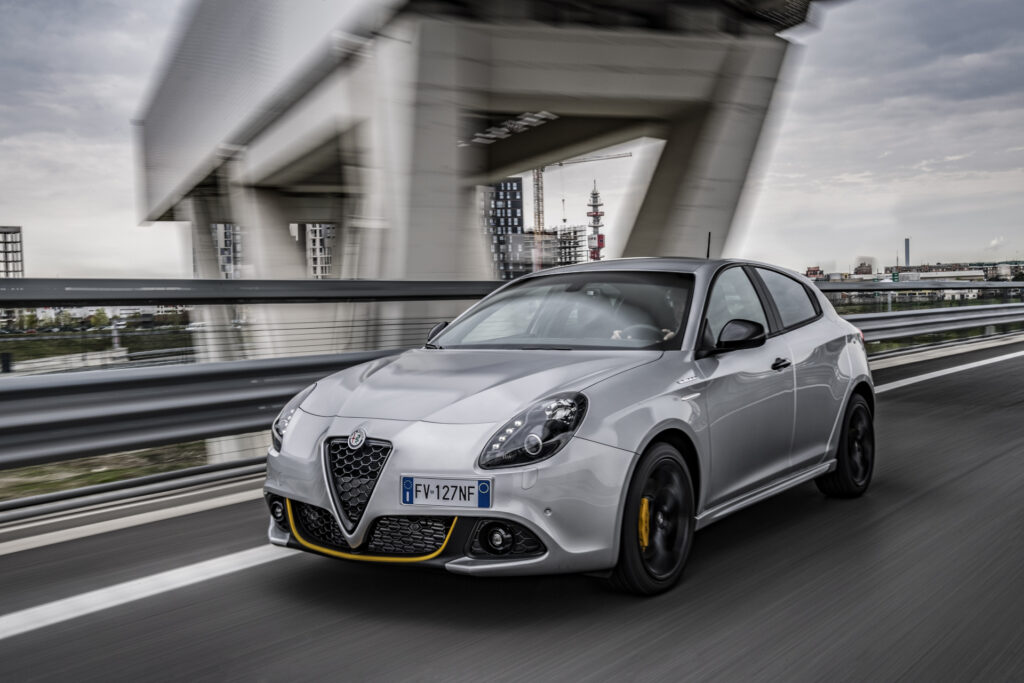
TCT automatic: comfortable but fragile
The TCT automatic gearbox (Twin Clutch Transmission, a dual-clutch gearbox with two clutches that shifts quickly and sportily) is vulnerable to wear. The clutches wear faster than in competing systems, especially with frequent city use and lots of stop-start traffic. The gearbox shifts sportily. That is the advantage. The downside is that the clutches wear out more quickly.
Many owners report jerky gearchanges, especially at low speeds or when pulling away from a standstill. This can indicate worn clutches or control software that needs adjustment. A software update sometimes solves minor issues, but worn clutches need to be replaced.
That job costs between 1,500 and 2,500 euros and is often required between 80,000 and 120,000 kilometres. When buying a used Giulietta with TCT automatic, it is wise to pay close attention to the gearbox behaviour during the test drive. Watch for jolts, delayed response or strange noises when changing gear.
The manual versions are more reliable, but here too clutch wear sometimes occurs. That is, however, normal maintenance and predictable.
Electronics frequently make themselves known
Electronic faults are among the most commonly reported problems with the Giulietta. Sensors, control units and displays regularly generate error messages that limit functionality or cause warning lights to illuminate.
The parking sensors sometimes suddenly fail or give false alarms. The infotainment system can also freeze or refuse to connect to smartphones. These problems are often software-related and require updates or a reset at the dealer.
More serious are faults in the power steering or the alarm system. In some models, the power steering fails temporarily, resulting in heavy steering. This may be due to a defective sensor or electric motor and requires immediate action. Repair costs between 400 and 900 euros.
Error messages about airbags or ABS also occur without anything actually being wrong. This often points to contact problems or outdated software. Have a specialist read out the fault codes to trace the cause.
Suspension wears faster than expected
The Giulietta’s suspension combines comfort with sporty handling, but the components are not always equally durable. Wishbone bushes, anti-roll bar links and shock absorbers need replacing between 60,000 and 100,000 kilometres, depending on driving style and road surface.
Symptoms include knocking noises over bumps, vague or wandering handling, or uneven tyre wear. When buying a used Giulietta, always check the condition of the tyres and ask whether any suspension components have been replaced recently.
Shock absorbers can lose their damping effect prematurely. You notice this from a car that bounces after potholes or a longer stopping distance. Replacing all four shock absorbers costs between 600 and 1,000 euros including labour.
Wheel bearings can also cause problems. A droning or humming noise that increases with speed points in this direction. Replacement costs 150 to 250 euros per wheel.
Brakes: efficient but subject to wear
The Giulietta’s brakes are effective. The front brakes do wear relatively quickly. Especially on the more powerful engines, the brake pads often need replacing around 30,000 to 40,000 kilometres. This naturally depends on driving style and conditions.
Brake discs usually last longer, but with intensive use or poor maintenance they can crack or become too thin. Vibrations in the brake pedal or a squealing sound point to problems. Replacing pads and discs on the front axle costs between 300 and 500 euros.
The ABS (anti-lock braking system that prevents the wheels from locking during hard braking) and electronic stability control generally work well. Sensors can, however, fail. This leads to warning lights on the dashboard. Cleaning or replacing a sensor usually costs between 100 and 250 euros.
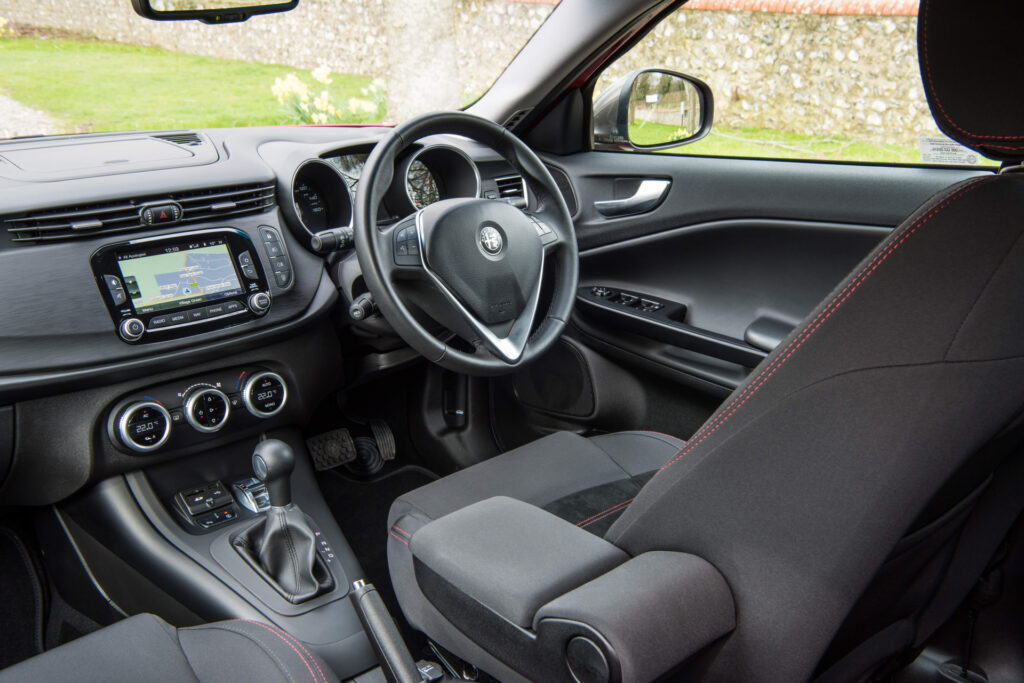
Interior and bodywork: adjusting expectations
The Giulietta’s interior looks neat with sporty accents. Under daily use, weak points become apparent. Seat and door panel upholstery wears faster than you would like. On models older than five years, you often see frayed seams or materials coming loose.
Rattling panels are a common complaint. Especially in cold weather or on poor road surfaces, noises can be heard from the dashboard or centre console. This is more annoying than technically serious, but it does detract from the premium feel.
The bodywork is generally solid, but the paint can be susceptible to stone chips. On used examples, watch for rust formation around wheel arches and the bottom edges of the doors, especially if the car has been used in winter conditions without regular washing.
How do you recognise early signs of trouble?
Early detection prevents greater damage and higher costs. While driving, listen for unusual sounds such as ticking, knocking or whistling. These often point to engine or suspension problems.
You should never ignore warning lights on the dashboard. Even if the car seems to drive normally, there may be a fault that will worsen. Always have fault codes read out immediately.
Unusual smells such as burning odours or a sweet scent can indicate overheating, leaking coolant or brakes that are sticking. Stop immediately and have the car inspected.
Pay attention to changes in driving behaviour: heavier steering, longer braking distances, reduced pulling power or jerky gear changes are signals that call for action.
Oil loss is recognisable by stains under the car or a falling oil level. Check the oil level regularly and have leaks repaired straight away to prevent engine damage.
Preventive maintenance pays off with the Giulietta
If you want to extend the Giulietta’s lifespan, you need to invest in proper maintenance. Follow the manufacturer’s service intervals and use only high-quality oil that meets the specifications. The MultiAir technology is particularly sensitive to this.
Have the timing chain checked at every major service, especially from 80,000 kilometres onwards. Replacing it in good time prevents expensive engine damage.
Have the TCT automatic gearbox serviced regularly and the clutch wear checked. Solve shift problems before the clutches are completely worn out.
Check the condition of suspension components at least once a year. Minor wear is normal, but make sure you detect issues at an early stage.
Software updates from the dealer can solve or prevent many electronic faults. Always ask during services whether updates are available.
Use the car regularly and let the engine warm up fully. Short journeys without proper warm-up accelerate wear and contamination.
What do common repairs cost?
The financial impact of repairs varies, but is often above the average of comparable models. Below is an overview of common costs:
- Cleaning or replacing MultiAir unit: 800 to 1,500 euros
- Replacing timing chain: 1,200 to 2,000 euros
- Replacing turbocharger: 1,000 to 1,800 euros
- Replacing TCT clutches: 1,500 to 2,500 euros
- Repairing power steering: 400 to 900 euros
- Replacing shock absorbers (set of four): 600 to 1,000 euros
- Replacing front brake pads and discs: 300 to 500 euros
- Replacing wheel bearing: 150 to 250 euros per wheel
These amounts include labour and reflect average garage rates. At an Alfa Romeo dealer, costs are often higher. Parts are not always readily available, which can lead to waiting times.
Buying a used Giulietta: check these points
If you are considering a used Giulietta, it pays to carry out a thorough check. Always request the full service history and verify that service intervals have been followed. Pay particular attention to replacement of the timing chain and TCT clutches at higher mileages.
Take an extensive test drive of at least 30 minutes. Test both city traffic and motorway driving. Pay attention to gear changes, engine noise, vibrations and steering. Check that all electronic features work: parking sensors, air conditioning, infotainment and lighting.
Inspect the suspension for leaks, rust and wear. Look at the condition of the tyres: uneven wear indicates suspension problems or incorrect wheel alignment.
If in doubt, have an independent specialist or inspection body take a look. The extra cost of 150 to 250 euros is minor compared to the risk of expensive surprises.
Ask for the reason for sale and whether the seller is aware of any problems. Honest answers are a good sign.
The Giulietta demands a conscious choice
The Alfa Romeo Giulietta remains a car with character and a distinctive personality. The Italian design and sporty driving experience appeal to enthusiasts. However, this model requires realistic expectations regarding reliability and maintenance costs.
For those willing to invest time and money in maintenance and who can accept the occasional repair, the Giulietta offers driving pleasure with its own identity. If, on the other hand, you are looking for carefree and inexpensive ownership, there are more reliable alternatives in this segment.
Only buy a Giulietta if you know its maintenance history and have thoroughly checked its condition. Ideally, have a specialist assist you during the purchase and set aside a budget for maintenance and repairs. With the right preparation and a trusted mechanic who knows the brand, you can drive this characterful model with fewer worries.