Alfa Romeo Junior: electric compact SUV with sporty DNA
The Alfa Romeo Junior is a remarkable model in the history of the Italian brand. This compact SUV is the first Alfa Romeo without a traditional combustion engine and represents a complete shift to electric and hybrid powertrains. With its sporty character, recognisable design and modern technology, the model is aimed at car enthusiasts who want to combine sustainability with driving pleasure. But how solid is this new model and what issues do you need to be aware of?
From classic to modern: the Junior in Alfa Romeo’s heritage
The name Junior is not new within Alfa Romeo. In the past, several models carried this name, often linked to entry-level versions with smaller engines. The new Junior continues this tradition, but in a completely different form. The model has been in production since 2024 and marks the start of a new era for the brand. Whereas previous Juniors were sporty coupés or saloons, Alfa Romeo has now opted for a compact SUV shape that better matches current market demand. It is a deliberate choice. That choice is pragmatic on the one hand. On the other hand, it represents a break with the past.
For owners who are curious about common technical weak spots on Alfa Romeos, an overview of car problems with Alfa Romeo offers useful background on what you can expect from the brand.
‘ The design refers to the classic Giulia TZ, which fans of the brand will appreciate. ’
Design that echoes the Giulia TZ
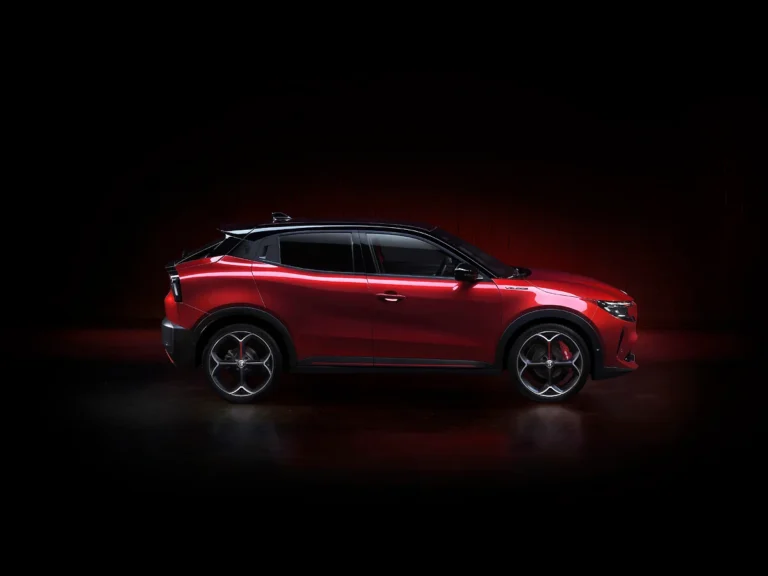
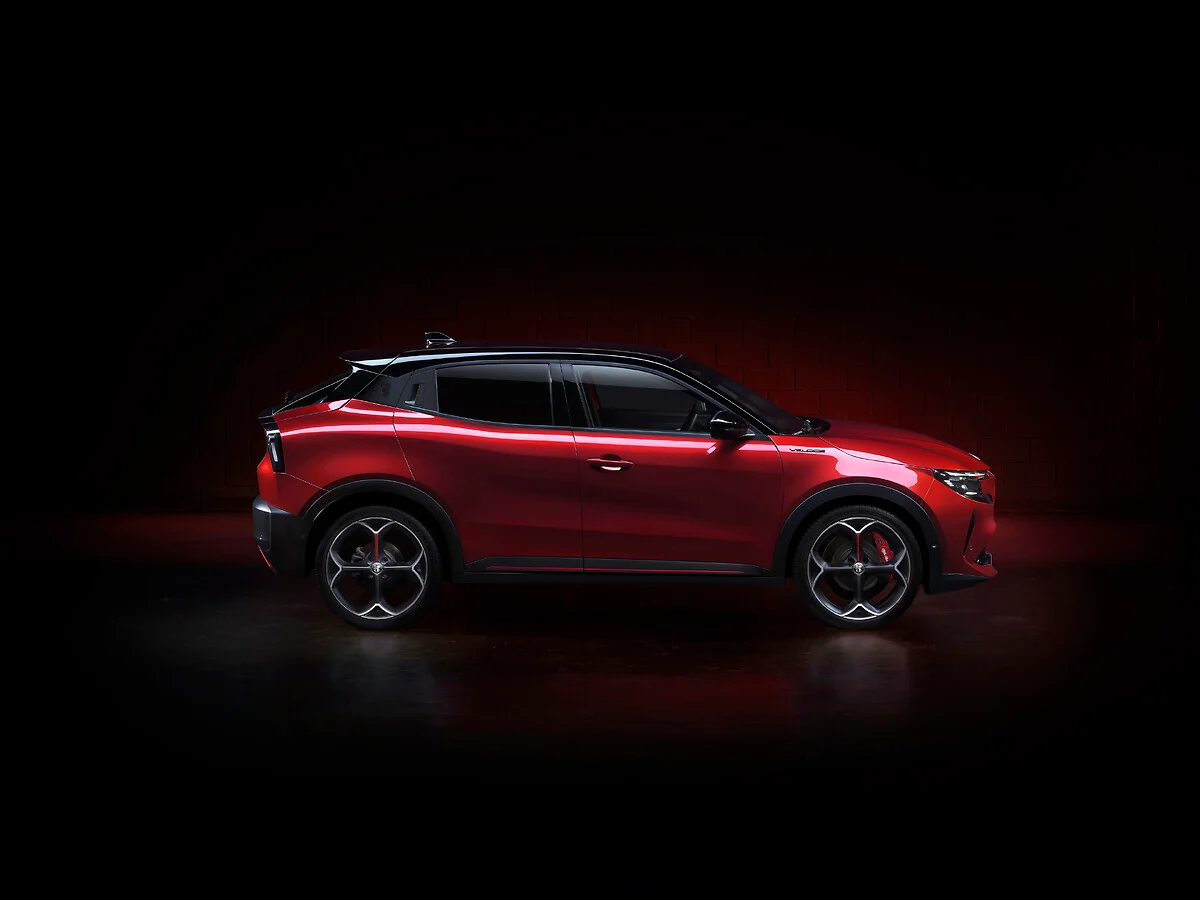
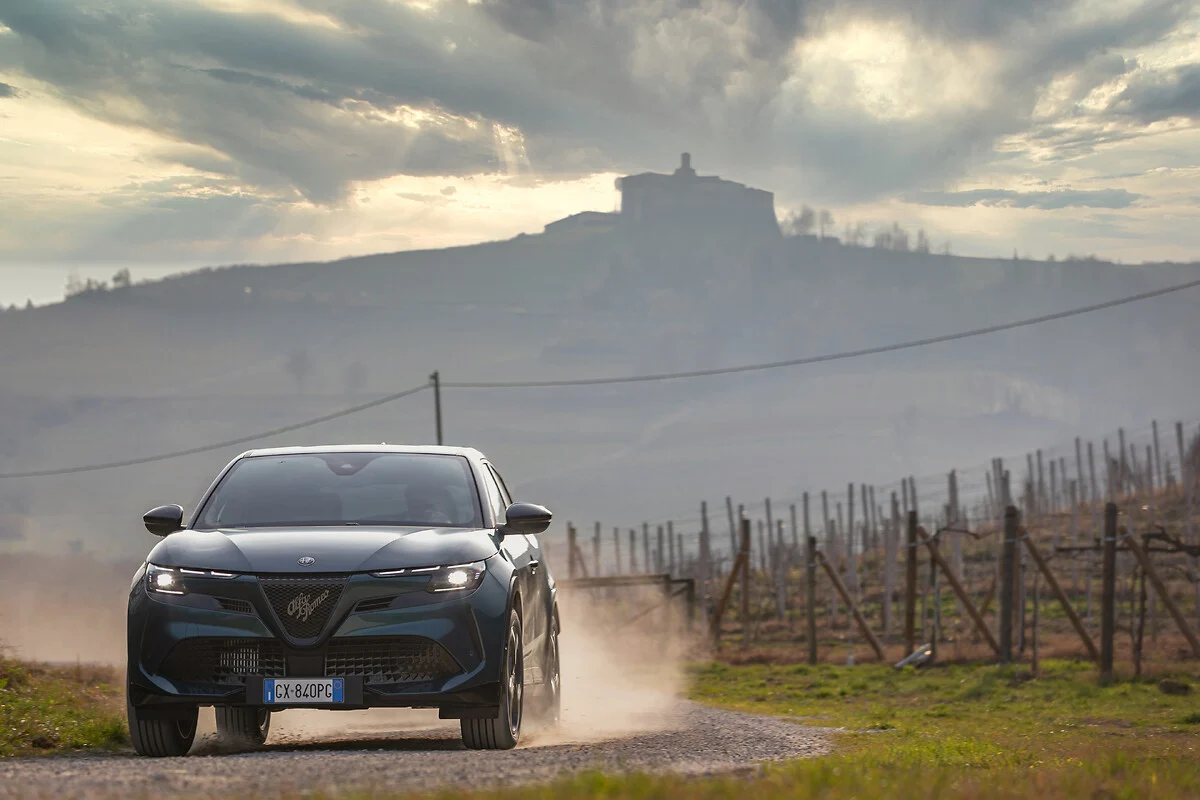
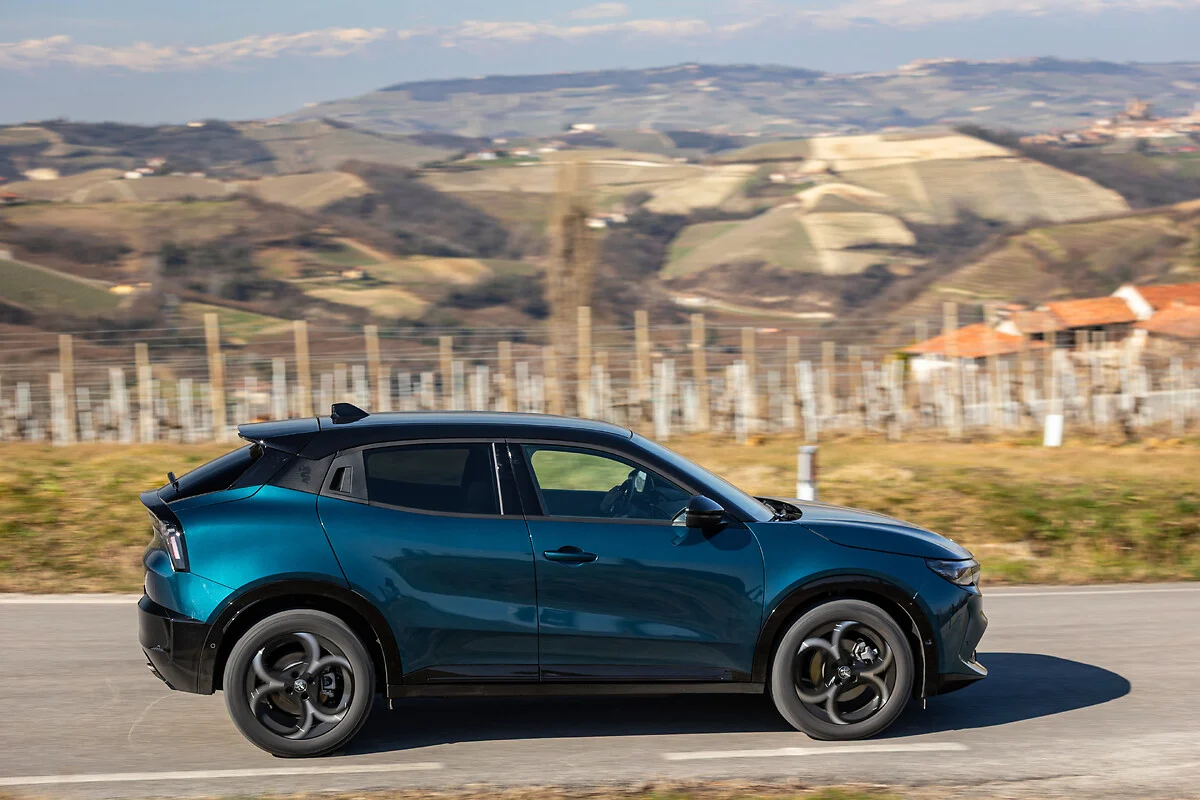
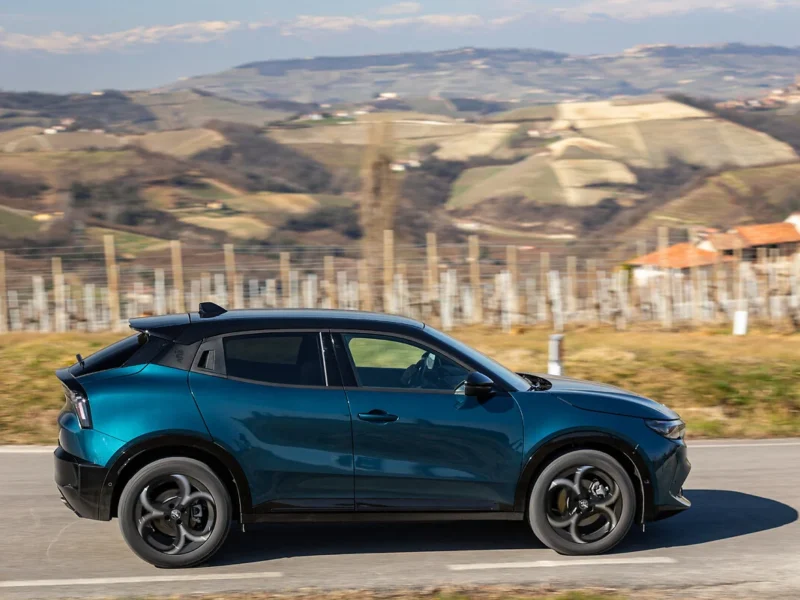
The exterior of the Junior combines modern styling with iconic elements from Alfa Romeo’s history. The characteristic scudetto shield is present, but on the electric version it is subtly executed with the logo engraved rather than in relief. The hybrid version retains a traditional grille with the ‘Alfa Romeo’ script. The headlights feature a striking 3+3 adaptive full LED matrix design, a nod to classic Alfa Romeo models. The side profile is characterised by hidden rear doors and a black trim strip around the rear lights, which sharpens the design.
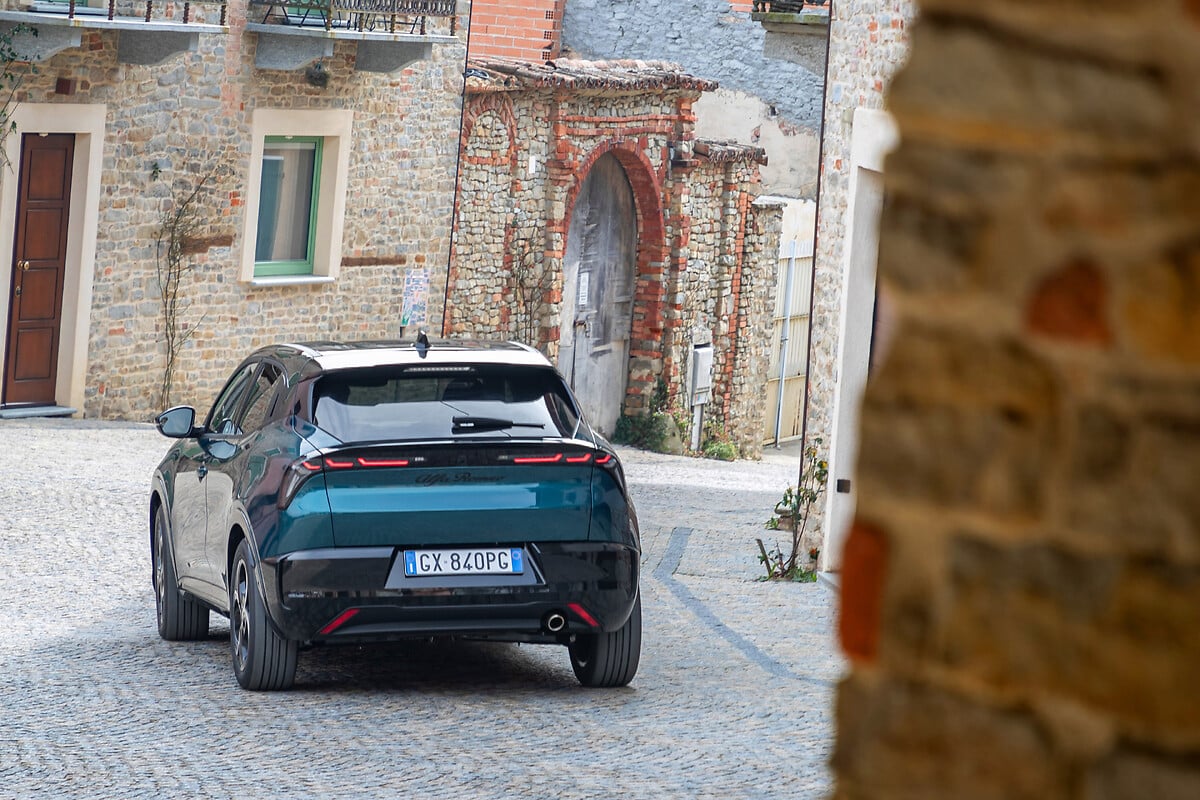
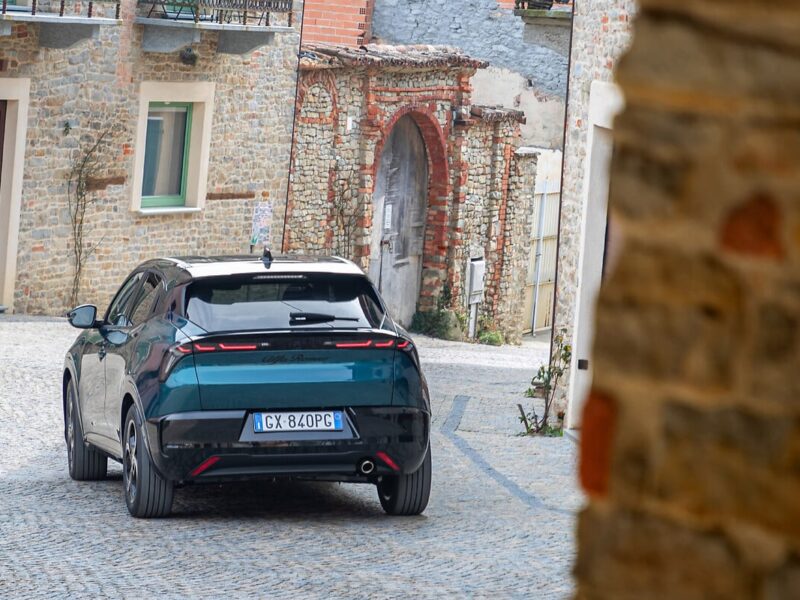
A striking detail is the central positioning of the number plate holder. This is a response to new European pedestrian safety regulations and makes the Junior the first Alfa Romeo model to take this approach. The design refers to the classic Giulia TZ, which fans of the brand will appreciate. The dimensions are compact: 4,173 mm long, 1,781 mm wide and 1,544 mm high, with a wheelbase of 2.56 metres. The turning circle of 10.5 metres makes the Junior agile in urban traffic.
Hybrid and electric powertrains: no more combustion engines
The Junior offers two types of powertrain: a mild-hybrid variant and fully electric versions. The Ibrida (the mild-hybrid version) combines a 1.2-litre three-cylinder turbo engine with a 48-volt mild-hybrid system. The 21 kW electric motor is integrated into a six-speed dual-clutch automatic gearbox. Total output is 102 kW (136 hp), with 230 Nm of torque. The 0–100 km/h sprint takes between 8.9 and 9.1 seconds. Top speed is between 200 and 206 km/h. Fuel consumption is between 5.2 and 5.3 litres per 100 kilometres.
The Elettrica (the fully electric version) is fully electric and has a 54 kilowatt-hour (kWh) lithium-ion battery. The standard version delivers 115 kW (156 hp) and 260 Nm of torque, with a range of 407 to 410 kilometres according to the WLTP measurement method (Worldwide Harmonized Light Vehicles Test Procedure). Top speed is limited to 150 km/h. The Veloce trim (the sportiest version) offers more power: 206 kW (278 hp) and 345 Nm of torque. This version sprints from 0 to 100 km/h in 5.9 seconds and reaches 200 km/h, but range drops to 347 kilometres. All models are front-wheel drive. The Junior weighs 1,545 kg, which is relatively light for an electric car.
Handling tuned by GTA experts
The driving dynamics of the Junior were developed by the same engineers who worked on the Giulia GTA. This development took place at Alfa Romeo’s Balocco test centre. This should translate into sharp steering and sporty road manners. The steering ratio is 15.8:1, which feels direct and precise. The small steering wheel, typical of Alfa Romeo, reinforces this feeling. The suspension combines comfort for everyday use with sufficient stiffness for sporty driving. Whether this promise is fully fulfilled in practice will become clear in the long term.
‘ The 48-volt mild-hybrid system is complex and contains multiple electronic components that sometimes fail. ’
Mechanical vulnerabilities in a young model
Because the Junior has only been on the market since 2024, long-term issues have not yet been well documented. However, there are some points of attention that can be expected on the basis of similar models and technology. The 1.2-litre three-cylinder turbo engine in the Ibrida is derived from the Stellantis engine family and is also used in other brands. With these engines, complaints about oil consumption and turbocharger issues at higher mileages are fairly common.
The 48-volt mild-hybrid system is complex and contains multiple electronic components that sometimes fail. The 21 kW electric motor integrated into the transmission can cause faults in the event of overload or software errors. The dual-clutch automatic gearbox requires regular maintenance; do not neglect this, as complaints about jerky gear changes or slipping clutches are common with this type of transmission.
In the fully electric Elettrica, the main risks lie with the battery and the electric powertrain. Battery degradation is normal, but occurs more quickly with frequent rapid charging or extreme temperatures. Cooling of the battery is important; failures in the cooling system lead to reduced performance or warnings on the dashboard.
Electrical and electronic faults
Modern cars are heavily dependent on electronics, and the Junior is no exception. The 10.25-inch touchscreen and the 12.3-inch digital instrument display suffer from software bugs. Owners of similar models sometimes report freezing screens, slow responses or functions dropping out. Navigation or wireless phone connectivity, for example, may then fail. Software updates remedy these issues, but not always permanently.
The keyless entry system is convenient but prone to faults. Sometimes the car does not recognise the key, or the system responds slowly. Problems with parking sensors and cameras also occur, especially after exposure to dirt, snow or extreme weather conditions. Check these systems regularly and have them cleaned when necessary.
The 48-volt electrical architecture in the Ibrida is sensitive to voltage spikes or short circuits. This can lead to warning lights, failure of electrical functions or even starting problems. In electric models, issues sometimes arise with the charging port or charging cable. Make sure the connector remains clean and dry.
Rust and bodywork: too early for definitive verdicts
The Junior is too new for widespread rust issues to show up, but historically Alfa Romeo models have vulnerable areas around wheel arches, sills and the bottom edges of doors. On the Junior, these areas have been treated with modern coatings and protection, but vigilance remains important. Especially after the first winters, check whether there is stone chipping or damage to the paint, which can form the starting point for later corrosion.
The body is made of steel and aluminium. Damage to plastic bumpers and wheel-arch trims is common in everyday use. Small dents or scratches are annoying but usually not structural. When buying used examples, watch for signs of previous damage or repairs that have not been carried out professionally.
‘ Make sure software updates are installed in good time; they often prevent or solve problems. ’
Maintenance and preventing problems
Preventive maintenance is important for any car, and the Junior requires specific attention. Follow Alfa Romeo’s maintenance schedule closely. The hybrid version needs regular servicing for the engine, transmission and 48-volt system. Check the oil regularly, including between services. Have the dual-clutch automatic gearbox inspected and, if necessary, topped up with the correct fluid.
For electric models, maintenance is less intensive but still necessary. Have the battery and cooling system checked annually by a specialist. Make sure software updates are installed in good time; they often prevent or solve problems. Clean the charging port regularly and check for corrosion or wear on the contacts.
Check the tyres for wear and pressure. Electric cars are heavier and tend to wear tyres more quickly. Brake firmly on a regular basis to prevent rust forming on the brake discs. This is particularly important for electric models, where regenerative braking is used extensively. Keep the interior clean and prevent moisture from entering, as this can lead to electronic faults.
What to look out for when buying a used Junior
Used Juniors are still rare, but if you are considering one, pay attention to the following. Check the maintenance history carefully. Have all services been carried out on time? Have software updates been installed? For electric models, battery condition is important. Ask for a battery report that shows current capacity compared with the original value.
Test all electrical and electronic functions thoroughly: infotainment, cameras, sensors, lighting, seat heating and climate control. Faults are expensive to fix. Take a test drive and listen out for unusual noises or vibrations, and watch for warning lights. Check the tyres for uneven wear, which may indicate poor alignment or defective suspension.
Ask about the remaining factory warranty. Alfa Romeo generally offers a warranty on the batteries of electric models, often eight years or 160,000 kilometres. Check whether this is still valid. Inspect the bodywork for damage, scratches or signs of repairs. A vehicle history report helps you see whether the car has suffered damage or had its mileage rolled back.
Position within the enthusiast community
The Junior provokes mixed reactions within the Alfa Romeo community. Purists miss the combustion engine and find it hard to see an SUV as a true Alfa Romeo. Others appreciate the attempt to make the brand future-proof without completely abandoning its sporty identity. The references to iconic models such as the Giulia TZ help to bridge the gap.
Because the model is so new, there is not yet a large community of enthusiastic Junior owners. Forums and online groups are starting to grow slowly, however. Support for parts and repairs is available through official dealers and an increasing number of independent specialists. The availability of technical documentation and diagnostic tools will improve in the coming years as the model becomes more widespread.
‘ The Junior represents a new direction for Alfa Romeo, with all the opportunities and risks that go with it. ’
Sportiness and everyday reality
The Alfa Romeo Junior offers an interesting combination of sporty character and modern, electrified powertrains. The design honours the brand’s heritage, the driving dynamics have been tuned by experts and the electric performance of the Veloce version is impressive. At the same time, it is a young model whose long-term reliability is still uncertain. The complexity of hybrid and electric systems demands meticulous maintenance and alertness to potential faults.
For car enthusiasts who are open to electric mobility and want to experience Alfa Romeo DNA in a modern form, the Junior is well worth considering. Take the points of attention into account, follow the maintenance schedule strictly and be realistic about potential repair costs. The Junior represents a new direction for Alfa Romeo, with all the opportunities and risks that go with it.