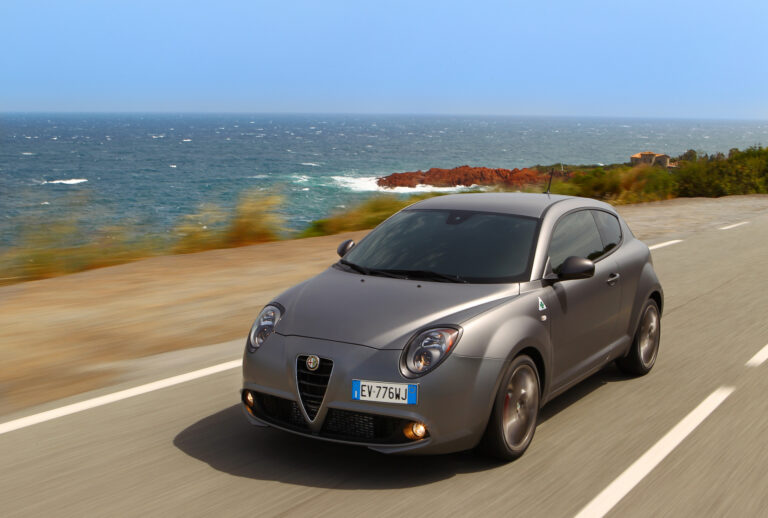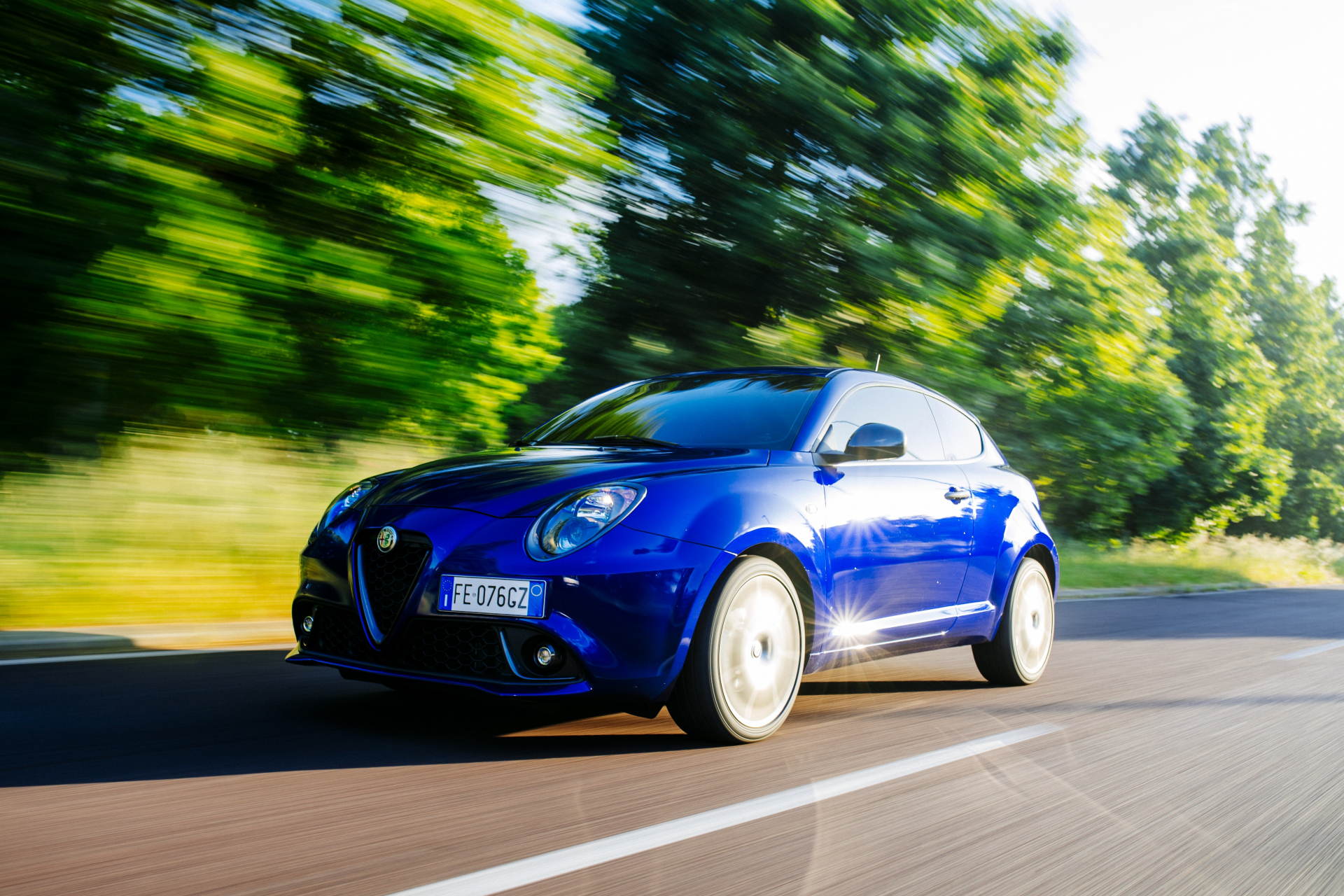
Alfa Romeo MiTo: Italian sportiness and maintenance sensitivity
The Alfa Romeo MiTo combines sharp Italian design with agile driving characteristics in a compact hatchback. Anyone considering buying this model should be aware of known maintenance sensitivities and common technical problems that are typical for this Alfa Romeo segment. Produced from 2008 to 2018, the MiTo attracts car enthusiasts who want urban agility and sporty genes, but its reliability does not always appeal. Do you want to know what you need to take into account?
Reliability compared with compact hatchbacks
The MiTo is known as a car with character, but not as a champion of reliability. Compared with rivals such as the Mini Cooper, Audi A1 and Volkswagen Polo, the MiTo scores lower in terms of reliability. Owners regularly report electronic faults, engine problems and transmission defects. Within the Alfa Romeo range, the MiTo fits into a line of models where driving pleasure comes first, but technical durability sometimes suffers. The smaller dimensions and sporty character do not automatically mean less maintenance. Many problems stem from complex technology on a compact platform. As a result, parts wear out faster or are more prone to failure.
Owners who use their MiTo intensively or drive it in a sporty manner notice problems sooner than drivers who treat the car gently. Regular servicing and timely attention to warning lights can prevent major repairs. For anyone considering a used example, it is wise to map out car problems with Alfa Romeo before you buy.
Common engine problems
The MiTo was offered with several engines, each with its own weaknesses. The 1.4-litre MultiAir unit with turbo delivers lively performance but is prone to problems with the MultiAir system itself. This hydraulic valve control system can become clogged with dirt or poor-quality oil. This leads to rough idling, loss of power and even engine damage. Regular oil changes with the correct specifications are essential here.
The 0.9-litre two-cylinder TwinAir engine has a unique sound. However, it suffers from oil consumption and premature wear of pistons and valves. Owners report that at higher mileages the oil level drops quickly. Therefore check the oil level frequently and top up when needed. The diesel variants, especially the 1.3 JTDM, are economical but prone to diesel particulate filter (DPF) issues. With frequent short trips or city driving, the DPF becomes clogged. This results in warning lights and loss of power. A long drive at higher speed can help burn the soot out of the filter, but in severe cases cleaning or replacement is necessary.
Also keep an eye on the 1.4 T-Jet engines. These can suffer turbo damage if used carelessly or if the turbo does not get enough cooling time after intensive driving. Let the engine idle for a few minutes before switching off to allow the turbo to cool down.
Transmission problems with manual and automatic gearboxes
The manual gearboxes in the MiTo are generally reliable. However, they can become hard to shift or even jam if clutch components are worn. Owners report that the gear lever sometimes sticks or that it is difficult to engage a particular gear. This may indicate a worn clutch, shift cables or synchroniser problems. When buying, check whether all gears engage smoothly, including with a cold engine.
The TCT automatic (Twin Clutch Transmission), an automated dual-clutch gearbox, is more prone to problems. At low speeds or in city driving, the TCT can shift jerkily or hesitate. Many complaints involve unpredictable behaviour, with the gearbox shifting too late or too early. Software updates can sometimes bring improvement, but wear of the clutches is a common cause that results in expensive repairs. During a test drive, pay attention to irregular shift points, vibrations or warning lights on the dashboard.
Electronic faults
Electronics are a weak point on the MiTo. Dashboard warnings sometimes appear without any clear cause. This can lead to frustration and unnecessary dealer visits. Common faults involve the lambda sensor, which can cause issues with the fuel mixture and emissions. This results in reduced performance and a warning light on the dashboard.
Sensors for the ABS system (anti-lock braking system), tyre pressure and parking assistance also regularly develop faults. Defective sensors lead to constant warnings or failure of systems. When buying, check whether all sensors work correctly and whether there are any fault codes stored in the memory.
The infotainment system can respond slowly, freeze or fail completely. Bluetooth connections sometimes do not work properly and navigation updates are expensive or no longer available for older models. Software updates can help, but older systems often lag behind in terms of ease of use and stability.
Chassis and suspension
The MiTo has a sporty suspension that offers precise handling but is susceptible to wear. Control arms, bushes and ball bearings may need replacing after a few years or with intensive use. Symptoms include knocking or rattling noises over bumps, especially at the front. During a test drive, listen for unusual noises and have the suspension inspected by a mechanic.
Shock absorbers and springs wear out faster than on some competitors, especially on models with a sportier set-up. This results in less comfortable road behaviour and reduced stability in corners. Replace shock absorbers in good time to maintain handling.
The electronic Q2 differential, which activates in Dynamic mode for better traction, can also develop faults. When the system fails, you lose the benefits of the sporty driving mode. Error messages appear on the dashboard and repair requires specialist knowledge.
Brakes and steering rack: points of attention
The MiTo’s brakes are generally solid. However, brake discs and pads wear faster with sporty driving or in city traffic with frequent stopping and starting. Check the thickness of the brake discs and the condition of the pads during services. On sporty variants such as the Quadrifoglio Verde, larger Brembo brakes are fitted; these are more durable but also more expensive to maintain.
The power steering is electric. It can fail or feel heavier when there are faults. Owners sometimes report that the power assistance suddenly disappears or that the steering wheel vibrates at higher speeds. This may indicate a defective power steering motor or sensors. Have this checked immediately, as steering without assistance requires considerably more effort and reduces safety.
Known brake and steering faults
- Accelerated wear of brake discs, especially on sporty models
- Steering wheel vibration at higher speeds due to unbalanced wheels or wear
- Failure of electric power steering due to motor defects
- Squeaking brakes caused by dust or worn pads
Interior and bodywork
The MiTo’s interior looks sporty, but the materials are not always equally durable. Plastic trim pieces can come loose or rattle, especially around the dashboard and centre console. Owners complain about creaks over uneven surfaces, which spoils the driving experience. When buying, check whether all buttons and switches are firmly in place and whether there are no loose parts you can feel.
The seat upholstery wears relatively quickly, particularly leather or Alcantara trim in sporty versions. Stains and tears appear after a few years of intensive use. Check the condition of the seats and steering wheel when buying used.
Rust is less of an issue than on older Alfas, but it does appear in specific places such as the wheel arches, bottoms of the doors and around the tailgate. Water leaks can occur through poorly sealed windows or door rubbers. This results in damp in the interior and a musty smell. Check the floor mats and carpet for signs of moisture and test whether the windows seal properly.
Preventive maintenance for the MiTo
Regular servicing is key to preventing many problems or spotting them in time. Change the oil according to the prescribed schedule, use oil that meets Alfa Romeo specifications and check the oil level frequently, especially on MultiAir and TwinAir engines. Replace air filters and spark plugs on time to prevent engine problems.
Allow the diesel particulate filter on diesel engines to regenerate regularly by taking longer motorway trips. Avoid too many short urban trips if you have a diesel variant. Check the condition and tension of the timing belt or chain according to the service schedule, as a broken belt will cause severe engine damage.
Keep the electronic systems up to date by having software updates (new versions of the control software) carried out by the dealer. This can help resolve known bugs. Have sensors and electronics checked if you get unexplained warnings. Inspect the chassis and suspension annually for wear and have defective parts replaced in good time to prevent further damage.
Practical maintenance tips
- Check oil level every 1,000 kilometres on MultiAir and TwinAir
- Carry out software updates for infotainment and transmission
- Regenerate the diesel particulate filter with a long motorway drive once a month
- Have chassis and wheel bearings inspected annually
- Check brakes at every service, especially on sporty variants
Checklist for buying a used MiTo
If you are considering a used MiTo, it is wise to check the following points thoroughly. Test all gears, including with a cold engine, and watch out for jerky shifting on the TCT automatic. Start the engine and listen for rough idling or ticking noises that may point to MultiAir problems or valve clearances.
Check the oil level and the colour of the oil. Dark or cloudy oil may indicate overdue maintenance. Look at the service history and ask about repairs that have been carried out, especially to the engine, transmission and electronics. Inspect the underside of the car for rust, oil leaks and damaged bushes or bearings. Test all electronics, including windows, mirrors, air conditioning, infotainment and sensors.
Take an extensive test drive and listen for unusual noises or vibrations, and pay attention to how the suspension and brakes behave. Check whether the DNA system works and whether the different driving modes feel noticeably different. Ideally, have the car inspected by an independent specialist familiar with Alfa Romeo. Ask about known issues for the specific model year and engine choice.
Most important checks when buying
- Complete service book with regular oil changes
- Test TCT automatic for jerky shifting or hesitation
- Check MultiAir engines for uneven idle speed
- Inspect diesel particulate filter and turbo on diesel variants
- Test all electronic functions and sensors
- Check chassis, control arms and shock absorbers
- Inspect interior for rattles, wear and signs of moisture
- Have fault codes read by a specialist
Balance between driving pleasure and maintenance
The Alfa Romeo MiTo offers unmistakable Italian character and agile handling. Its sporty design stands out in the compact segment. The choice of various engines, the DNA system and options such as the Q2 differential make it an attractive model for enthusiasts who put driving pleasure first. The reality is that the MiTo is more maintenance-sensitive than many of its rivals. Engine issues, transmission faults, electronic defects and faster wear of chassis components all demand regular attention. This can lead to higher maintenance costs.
For those who consciously choose a MiTo and are prepared to invest time and money in preventive maintenance, this model can still be an enjoyable purchase. Ideally, choose a facelift model from 2013 onwards for improved reliability and avoid early examples with known engine problems. Get good advice when buying and have the car thoroughly inspected before you commit. That way, you avoid unpleasant surprises and can enjoy what the MiTo has to offer: a compact, characterful hatchback with sporty ambitions.