
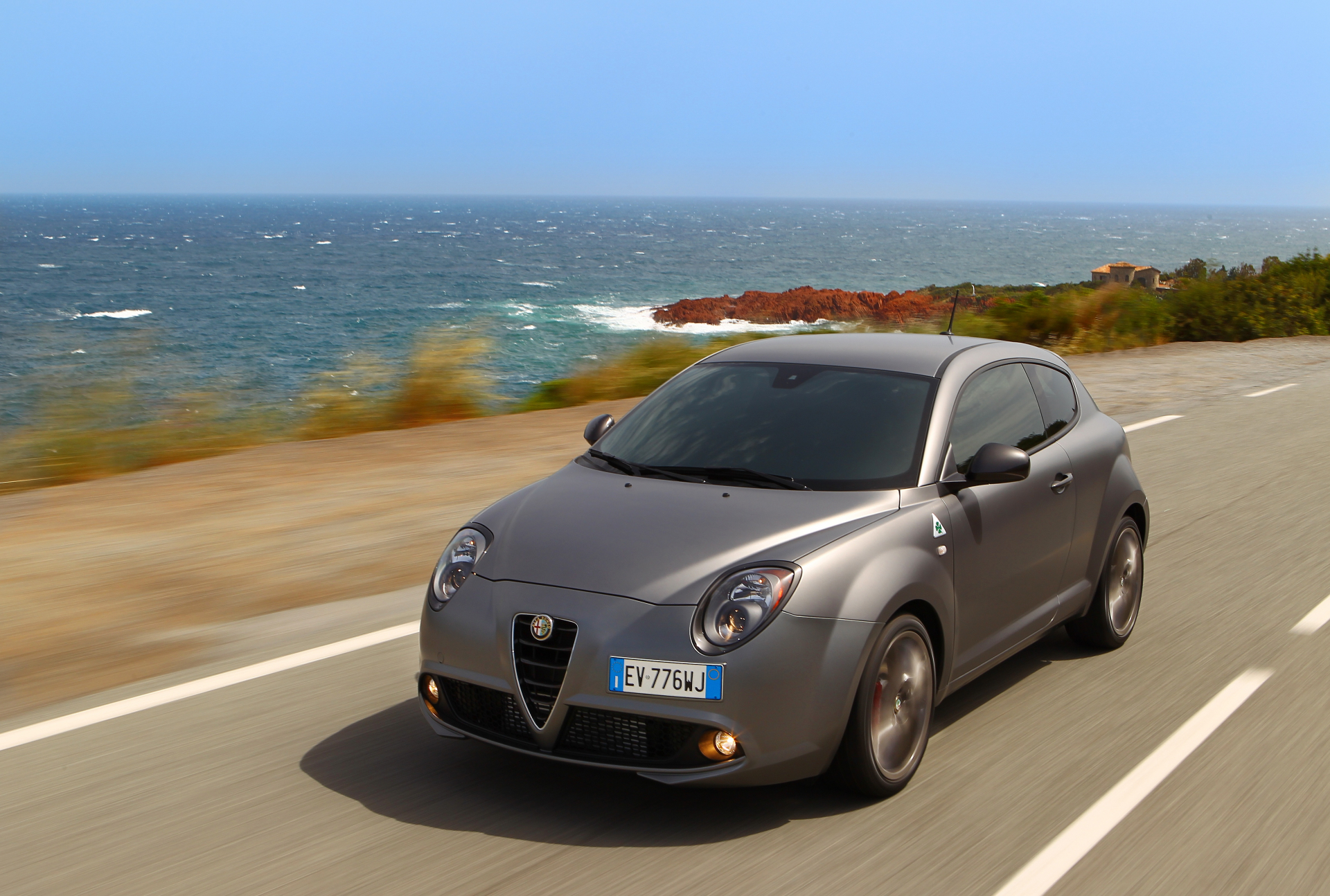
Intermittent electrical faults such as failing central locking, flashing warning lights and body control module problems occur regularly with the Alfa Romeo MiTo. The cause is often a weak battery, poor earth connection or a defective body control module. Repair and reprogramming cost between €100 and €500. Want to know how to recognise and tackle these frustrating problems?
Flashing warning lights for no obvious reason
You are driving calmly along and suddenly several warning lights come on in your dashboard. Traction control switches off, the start-stop function gives up and hill hold refuses to work. A little later the lights disappear again, as if nothing was wrong. This behaviour is typical of the electrical glitches in the MiTo.
Many owners report that these faults occur mainly in cold weather or after idling for long periods. The temperature gauge can fluctuate between 45°C and 130°C, even when the engine is running normally. Some drivers hear beeps as if the tank is empty, while the fuel gauge shows there is enough.
‘ This unpredictability makes it difficult to properly assess the problem. ’
Central locking and starting problems due to electrical failure
Another common problem is failure of the central locking. You press the remote control. The doors do not respond. You get in and turn the key. The starter motor suddenly stops and then tries to start again by itself. This can be caused by a weak battery that does not supply enough voltage to the body control module.
In severe cases the car will not start at all, without any warning lights illuminating. The system seems not to recognise the key. After waiting a few minutes or doing a reset, the car may suddenly start normally again. This unpredictability makes it difficult to properly assess the problem.
The body control module as key player
In the MiTo the body control module controls almost all electrical functions, from lighting and central locking to warning lights and sensors. A defective module or incorrect signals can lead to:
- Complete dashboard failure with non-functioning gauges for speed, revs and fuel
- Limp-home mode in which the engine delivers limited power
- Lighting faults and failure of electrical systems
- Rough or uneven running, as if the engine is running on three instead of four cylinders
These symptoms arise because the body control module misinterprets information from sensors. It no longer passes the data on to other systems. The problem can be temporary or structural.
Causes behind the electrical faults
Most on-and-off electrical problems in the MiTo have an electrical or electronic origin. Intermittent means that a fault is temporary and disappears on its own. A weak battery often triggers several warning lights at once, because the voltage becomes too low for reliable operation of the body control module. This occurs mainly after periods of short city trips or in cold weather.
Another common cause is a short circuit in the wiring in the tailgate loom. Because of repeatedly opening and closing the tailgate, the wires wear, causing short circuits in the CAN-bus system. The CAN-bus system is the communication network that allows all the electronic modules in the car to talk to each other. This leads to random failure of functions and error messages. The system often remembers these messages even after the fault itself appears to have disappeared.
Defective sensors such as the coolant temperature sensor or ignition coils can also cause electrical faults. The instrument cluster itself can also fail due to printed circuit board failure, leading to display failures or a blocked start.
Diagnosis and reading fault codes
Always have electrical faults read professionally using modern diagnostic systems. A specialist can scan all the modules in your MiTo and analyse the stored fault codes. This provides insight into which systems are involved and whether the faults are current or historic.
Do not clear fault codes yourself. First find the underlying cause. Masking the problem does not solve anything and can later lead to more serious damage. Professional diagnosis usually costs between €30 and €70, often including a collection service. You will receive a report with the codes found and advice on the next steps.
Checking the battery and earth connections
If multiple warning lights are on, always have the battery tested. Measure the voltage under load and check the condition of the battery. In cold weather the capacity drops significantly, meaning a battery that is still adequate in summer may fall short in winter. If in doubt, replace the battery; this often prevents further electrical problems.
Also check the earth connections from the battery to the chassis. Corrosion or loose connections cause voltage loss and intermittent faults. Clean the contact points and tighten them firmly.
‘ This is a known weakness of the MiTo and relatively easy to fix. ’
Repairs and costs for body control module problems
When the body control module itself is defective, it may be necessary to replace the module or reprogram it. Reprogramming can help with software-related problems or after replacing components. This usually costs between €100 and €200 at a specialist.
Replacing the body control module is more expensive, because the new module has to be matched to your specific car. Expect to pay €300 to €500 for this, including programming. Make sure that you go to a specialist with experience in Alfa Romeo electronics when replacing it.
In the case of short circuits in the wiring in the tailgate loom, the cost is lower. Inspection and repair of the loom often costs around €100 to €150. This is a known weakness of the MiTo and relatively easy to resolve.
Preventive tips for MiTo owners
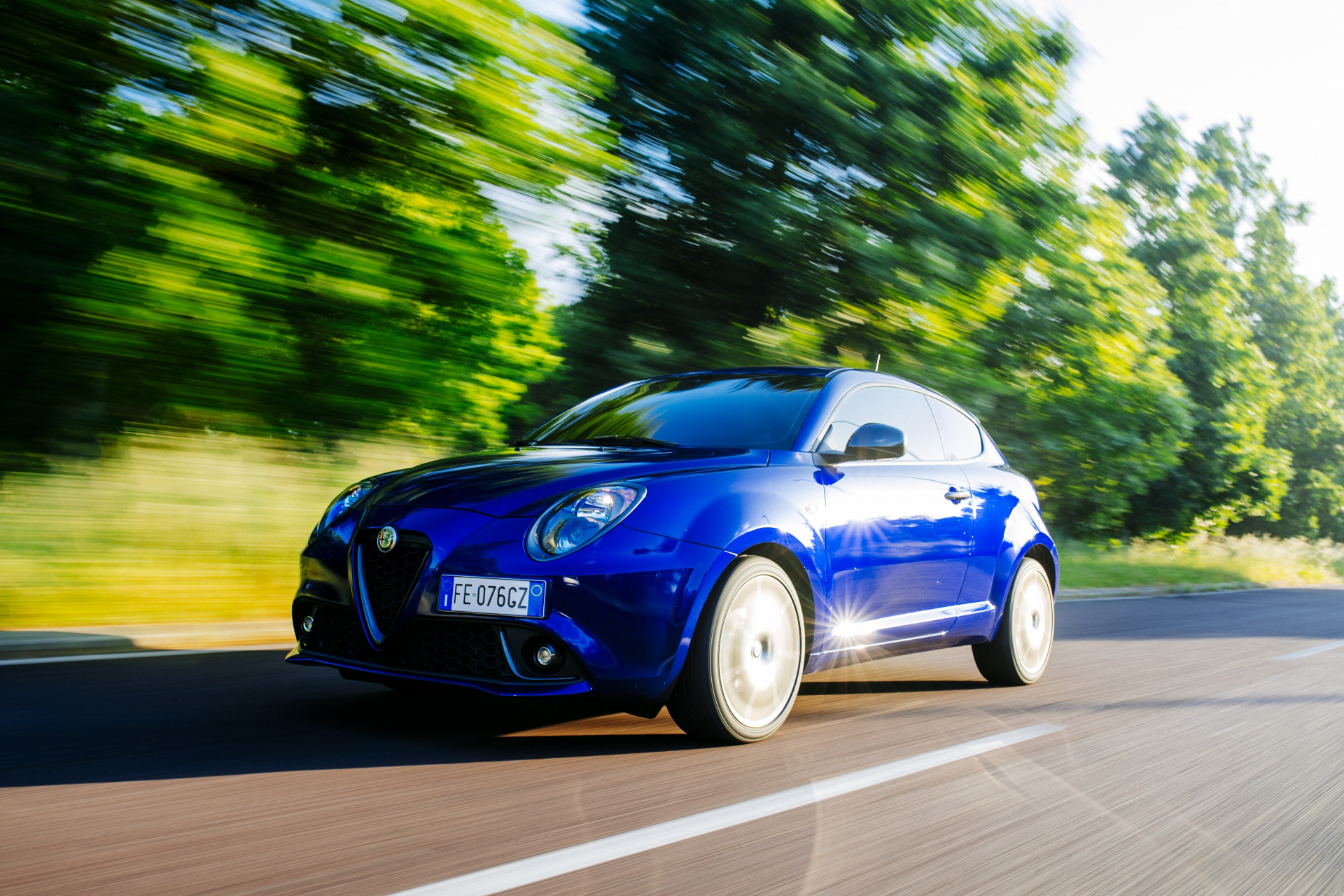
Avoid long periods of idling, as this puts a strain on the battery without it being charged sufficiently. Regularly take longer drives to fully charge the battery. Do you mainly drive short city trips? A battery charger at home will help to keep the battery in good condition.
Combine electrical diagnostics with your regular service. Ask the mechanic to inspect the wiring. Make sure the tailgate loom is checked in particular. Early detection of wear prevents more serious faults.
Keep an eye on other components as well. These can indirectly worsen electrical problems. Wear to the turbo or timing chain can lead to irregular running, which puts extra load on the electrical system. Preventive maintenance on these components contributes to overall reliability.
What to do in the event of sudden failure
In the event of sudden dashboard failure or limp-home mode, switch the car off and wait a few minutes. You can then start again. This gives the system a chance to reset. Then drive straight to a garage for diagnosis, even if the fault seems to have disappeared.
Do not continue driving with several active warning lights. Some faults can affect safety, for example if the braking system or power steering fails. If in doubt, stop and call for assistance.
Real-world experiences
Owners of the MiTo regularly share their frustrations about these electrical quirks. A frequently heard complaint: “The coolant temperature shoots all over the place, then the car goes into limp-home mode with traction control disabled.” Another owner describes: “Car will not start, the starter motor restarts itself, and you hear beeping without any lights coming on. Later it turned out to be an ignition coil problem.”
The start-stop function works structurally poorly on many MiTos, which seems to be typical behaviour for this model. Forums especially warn of CAN-bus faults due to poor wiring, where a quick inspection of the tailgate loom often already helps.
These faults significantly reduce driving pleasure. Early diagnosis and targeted repair do keep your MiTo running. Having your own OBD scanner can help you check fault codes before you go to the garage, giving you more insight into the nature of the problem.
On the Carnews website you will find more articles about electrical problems, maintenance tips and common faults with different car brands. Discover how to keep your car in top condition and learn which warning signs you must not ignore.
Frequently asked questions
The most common electrical glitches and dashboard faults with the Alfa Romeo MiTo are fluctuating gauge readings (especially coolant temperature) and warning lights that come on spontaneously with beeping. In addition, starting problems often occur where the car will not start or starts with difficulty, sometimes without clear error messages on the dashboard. There are also cases of complete or partial failure of the instrument cluster and temporary limp-home mode due to sensor or CAN-bus faults. Furthermore, many owners report structurally poorly functioning start-stop systems and occasional lighting and ignition problems (such as defective ignition coils).
First check the battery voltage (at least around 12.4 V with the engine off) and the terminals for corrosion or loose connections. Then use an OBD scanner to read out the fault codes and write them down or take a photo, so you can see which sensors or systems are showing faults. Inspect accessible wiring, especially in the tailgate loom and around the dashboard, for breaks, kinks or damaged insulation. Only clear fault codes after you have tackled a (suspected) cause and see whether the same fault returns.
Yes, electrical glitches and dashboard faults occur relatively often with the MiTo, such as fluctuating gauge readings, warning lights coming on by themselves and temporary failure of gauges. Known culprits include wiring/CAN-bus problems (especially in the tailgate loom), a weak battery and defective sensors or ignition coils. A faulty instrument cluster can also cause a completely or partially failed dashboard and starting problems. It is wise to have the car read out quickly and to have wiring and battery checked preventively if you get unexplained warnings.
Have the car read out professionally as soon as a fault occurs, so that fault codes and defective sensors or ignition coils can be traced in a targeted way. Check the wiring in the tailgate loom and around the CAN-bus specifically for damage or short circuits, and have it repaired if necessary. Test and replace a weak battery, especially in cold weather and if several warning lights come on at once. Avoid long periods of idling and combine fault diagnosis with preventive maintenance (such as checking the dashboard and instrument cluster).
The expected costs for fixing common electrical problems on a MiTo average between about €150 and €600, depending on the cause (for example wiring, sensors or instrument cluster). An initial professional diagnosis and reading of the faults usually costs around €29–€66. Simple repairs such as repairing wiring or replacing a sensor often remain under €300, while replacement or overhaul of the instrument cluster (dashboard) can approach or exceed €500.