
The Audi A1’s turbocharger frequently experiences faults due to incorrect injection settings, wear, or issues with the pressure relief valve. Diagnosis using a diagnostic tool (a device that reads error codes from the car) reveals the cause, but often a complete turbo replacement is necessary. Do you want to know what the symptoms are and how to tackle turbo problems in your Audi A1?
Do you recognise these symptoms of turbo faults?
Turbo problems in the Audi A1 predominantly occur in models with the 1.4 TFSI, 1.6 TDI, and 1.0 TFSI engines. The signs are often clearly noticeable while driving. Your Audi suddenly switches into emergency mode, also known as limp mode, without the engine light illuminating. This is frequently caused by a defective turbo position sensor that sends incorrect values to the engine control unit.
Sluggish acceleration indicates reduced engine performance. The car responds slowly when accelerating, especially on inclines or at higher speeds. This often points to a boost leak or insufficient pressure in the turbo system. You might also hear a whistling or hissing sound during acceleration. Black smoke from the exhaust is another common sign of a failing turbo.
Some owners report a rattling sound from the wastegate. This ultimately leads to reduced engine performance and increased exhaust emissions. Check the fault codes immediately if you notice any of these symptoms.
‘ The turbo then fails completely due to years of strain. ’
What causes turbo faults in the Audi A1?
The causes of turbo problems are diverse. Boost leaks are high on the list. Cracked intake hoses, loose connections, or a damaged intercooler cause air loss. This results in lower boost pressure and an audible hiss under load.
Sensor and actuator problems are common. The turbo position sensor can give faulty signals, causing your car to switch into emergency mode. This sometimes happens even after the turbo has been replaced. In 1.0 and 1.2 TFSI models, the actuator can seize due to corrosion, hindering the turbo’s operation.
General wear and tear plays a role, especially in older 1.4 TFSI models. The turbo then fails completely due to years of strain. In diesel engines, a clogged diesel particulate filter (DPF) in the exhaust system can indirectly lead to turbo damage. Interrupted DPF regeneration contaminates the oil, which is harmful to the turbo.
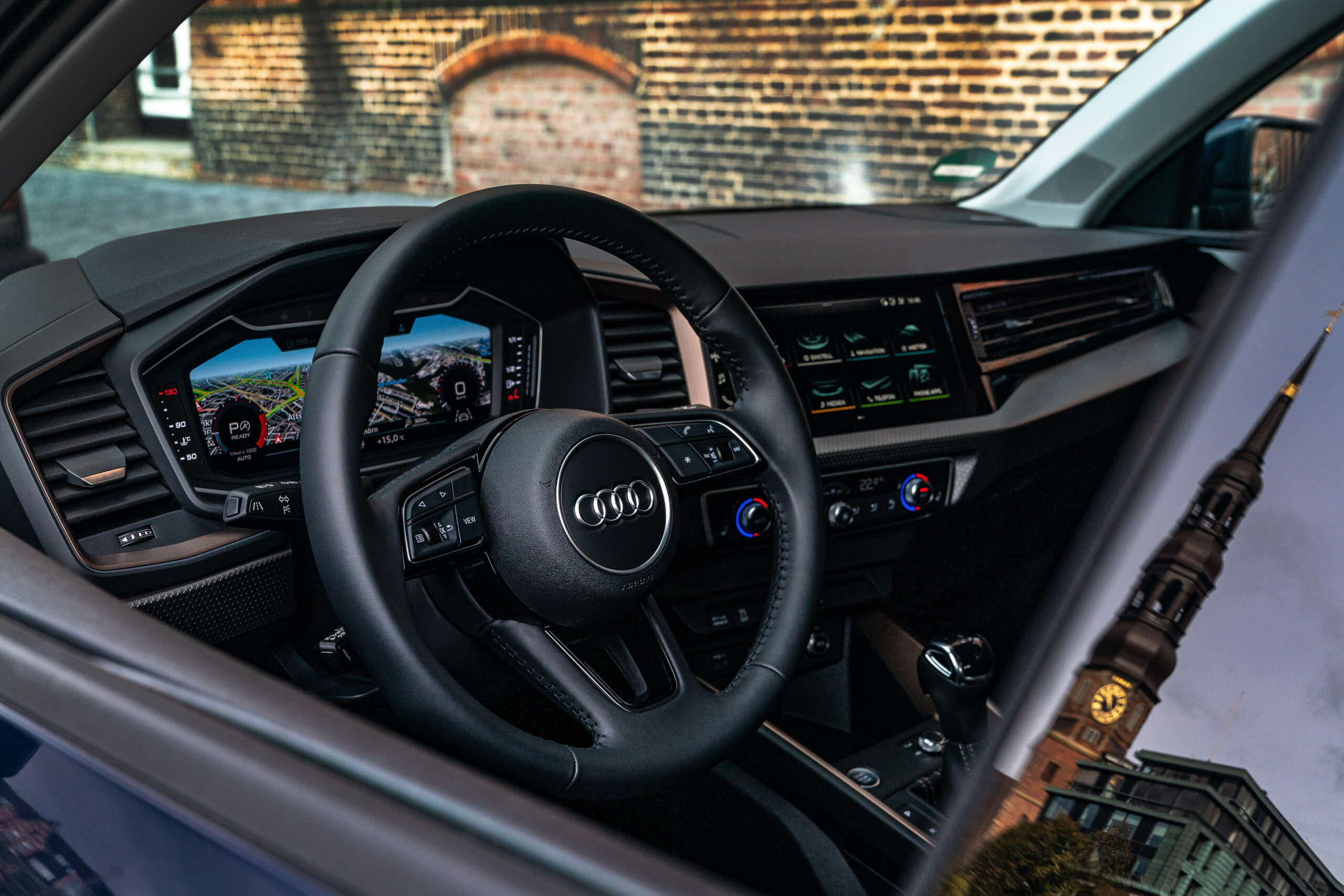

Diagnosing turbo problems in the Audi A1
Always start with a comprehensive diagnosis. Connect a diagnostic tool (a device that reads error codes from the car) to your car to retrieve fault codes. Pay specific attention to codes referring to the turbo position sensor. The sensor should operate between 0.498V and 4.2V. Values outside this range indicate a defective sensor or incorrect actuator calibration.
Listen carefully for abnormal sounds while driving. Hissing or whistling under load indicates air loss. Inspect all hoses for cracks, loose clamps, or damage. Many turbo complaints disappear by simply replacing a torn hose.
For diesel engines, check whether DPF regeneration is proceeding correctly. Interrupted regeneration allows fuel to enter the oil, affecting its viscosity. Regular motorway driving helps keep the DPF clean.
- Scan fault codes with a diagnostic tool (a device that reads error codes from the car)
- Check turbo sensor values between 0.498V and 4.2V
- Inspect intake hoses for leaks
- Test if the pressure relief valve is functioning correctly
- Monitor boost pressure via an app that reads engine data and fault codes
Costs for turbo repair and replacement
The costs for turbo repair vary considerably. A simple adjustment of the turbo actuator and sensor costs between £200 and £500. This solution works when the turbo itself is still in good condition and only the electronics need to be calibrated.
A general turbo repair without full replacement is around £900. This involves repairing or replacing specific components, such as the actuator or the wastegate. This option is suitable for limited damage or wear.
Full turbo replacement is the most expensive option. For a 1.4 TFSI engine, you can quickly face costs of up to £2,000. This includes a new or reconditioned turbo, including labour costs. Note that a new turbo alone does not always solve the problem if the sensor or actuator is also defective.
For DPF-related turbo problems, a professional cleaning of the diesel particulate filter can already help for approximately £200. This prevents oil contamination and protects the turbo.
‘ Early intervention prevents expensive repairs. ’
Prevent turbo faults with proper maintenance
Regular maintenance extends the life of your turbo. Regularly drive longer journeys on the motorway. This ensures full regeneration of the diesel particulate filter (DPF) in the exhaust system for diesel engines and flushes the turbo at higher RPMs.
Do not switch off the engine immediately after a heavy drive. Let the engine idle for a few minutes so the turbo can cool down. This prevents damage due to high temperatures. Monitor the oil level regularly. An increased oil level can indicate fuel in the oil, which is harmful to the turbo.
Use an app that reads engine data and fault codes to monitor boost pressure. This helps you to identify problems early before they worsen. If you notice a loss of power, scan the fault codes immediately. Early intervention prevents expensive repairs.


Practical tips from A1 owners
Audi A1 owners regularly share their experiences with turbo problems. A mechanic resolved the emergency mode by recalibrating the turbo sensor after fitting a new turbo. The fault code returned because the actuator was not correctly adjusted.
On car forums, A1 owners report that sluggish acceleration often results from boost leaks. Their advice is: check all hoses first before resorting to expensive turbo replacement. Many problems turn out to be solved by a new hose costing just a few tens of pounds.
On the Carnews website, you’ll find much more information about Audi models, common faults, and maintenance advice. Discover useful tips on engine problems, electronics, and other technical topics that will help you as an Audi owner.
Frequently Asked Questions
The most common symptoms of a turbo fault in an Audi A1 are loss of power and sluggish acceleration, sometimes accompanied by limp mode. You often hear a whistling, hissing, or rattling sound from the turbo, especially when accelerating. Black smoke may also come from the exhaust due to an incorrect or excessively rich fuel-air mixture. Furthermore, incorrect turbo sensor values can lead to faults and limp mode, even without a lit engine warning light.
Turbo problems in the Audi A1 often arise from boost leaks (cracked hoses or leaking intercooler), defective turbo position sensors, or seized actuators due to corrosion, as well as contaminated oil and general turbo wear. You can prevent this through timely and regular maintenance, good and timely oil changes, and checking hoses and connections for leaks. Have fault codes read immediately at the first symptoms such as loss of power, limp mode, or whistling/hissing noises. Drive longer stretches at motorway speeds occasionally so that the engine, turbo, and (in diesels) DPF can remain clean.
A malfunctioning turbo leads to a noticeable loss of power, slower acceleration, and sometimes causes the car to enter limp mode. You’ll need to press the accelerator harder to gain speed, which in turn increases fuel consumption. The engine may also run more roughly, and with faulty seals, produce more black smoke. Have the turbo, hoses, and sensors checked promptly to prevent further damage and higher consumption.
For a defective turbo in an Audi A1, there are broadly three options: having only the actuator/sensor adjusted or replaced, a reconditioning/repair of the existing turbo, or complete replacement of the turbo. Adjusting or replacing the actuator/sensor costs an average of approximately £200–£500. A general turbo repair/reconditioning costs around £900. For a complete new turbo (especially for the 1.4 TFSI), you should expect to pay up to approximately £2,000.
Turbo-related problems are relatively common in the Audi A1, particularly with the 1.4 TFSI, 1.6 TDI, and smaller TFSI engines. Common weak points include boost leaks (cracked hoses/intercooler), defective or incorrectly adjusted turbo sensors, and seized actuators due to corrosion, which can lead to limp mode, sluggish acceleration, and whistling/rattling noises. Premature turbo wear or failure is known in some 1.4 TFSI engines, sometimes in combination with contaminated oil (often DPF-related in diesels). Regular maintenance, timely reading of fault codes, and checking hoses and actuators help to prevent or early detect these issues.