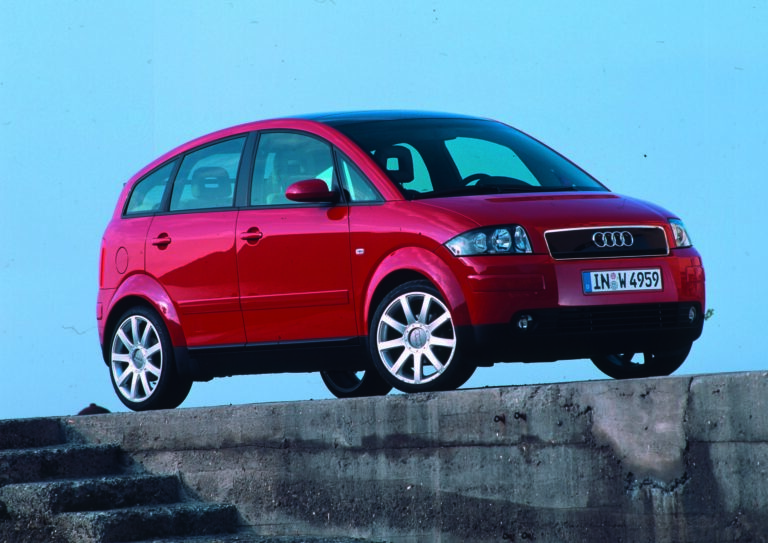
The lighting and electrical systems of the Audi A2 regularly cause problems, ranging from headlights cutting out to indicators that work intermittently. The cause is often the battery. Faulty ignition coils in the ignition system can also be the culprit. Do you recognise these issues? Then it is time to track down the exact cause.
Why do headlights and other lights fail?
Headlights cutting out are a common complaint with the Audi A2. The problem can occur suddenly, with one or both headlights refusing to come on. Sometimes the dipped beam still works, but the main beam does not. This often points to a problem in the electrical circuit. It may also be a faulty switch.
The A2 uses an advanced on-board network with CAN systems and a gateway in the instrument cluster. This complex set-up ensures good communication between components, but it does make the system sensitive to faults. A broken connection can cause failures. Corrosion in the wiring can also lead to failures.
First check the bulbs themselves. When both bulbs fail at the same time, the cause is probably elsewhere in the system. Then check the fuses in the fuse box. A blown fuse is quick and cheap to replace. If the problem persists, have a garage check the wiring and switches.
Battery problems as a cause
The battery plays a central role in the A2’s electrical system. A weakened battery not only causes starting problems, but can also trigger electrical faults. Modern cars such as the A2 rely heavily on a stable power supply, because they have many electrical systems.
Symptoms of a weak battery include:
- Flickering lights when starting
- Indicators cutting out
- Slow response from electric windows
- Warning messages on the dashboard
The A2 was equipped with a start-stop function in ECO mode. This function places extra demands on the battery. It requires a battery that can cope with frequent charge and discharge cycles. Regular use of this function causes faster wear, so the battery fails sooner. Starter motors in vehicles with a start-stop function are designed for more than 500,000 starts, but the battery does need to be properly maintained.
Have the battery tested regularly, especially if your car is more than five years old. A load tester shows whether the battery still has sufficient capacity. Replace the battery in good time to prevent electrical faults.
Ignition coils in the ignition system
Faulty ignition coils are a common cause of electrical problems in the A2. The coils provide the spark that keeps the engine running. If one or more coils fail, you will immediately notice it in the way the car drives. The engine will misfire, lose power or be hard to start.
Coil problems can also affect other electrical systems. A defective coil disrupts the power supply in the ignition system. This disturbance carries over to other components. It can lead to fault messages, lighting failures or problems with the on-board computer.
You can recognise coil problems by these signs:
- Engine runs unevenly or misfires
- Warning light illuminated on the dashboard
- Loss of power while driving
- Higher fuel consumption
- Starting problems with a cold engine
Do you recognise these symptoms? Then have a diagnostic test carried out. A garage can quickly determine which coil is defective with a scan tool. Has one coil failed? Then replace all the coils at the same time, especially on older vehicles. That way you avoid ending up with the same problem again soon afterwards.
Indicators that do not work
Indicators that work intermittently are annoying and dangerous. The A2 has several possible causes for this problem. Sometimes the lights flash too quickly, at other times only one side works or nothing lights up at all.
Indicators that flash too quickly usually mean that one of the bulbs has failed. The system detects lower resistance and therefore increases the flash rate. Replace the faulty bulb and the problem is solved.
If the indicators do not work at all, first check the fuse. A blown fuse is a simple and cheap fix. Is the fuse in order but the system still not working? Then the relay may be defective. The flasher relay is responsible for the rhythmic switching on and off of the indicator lights. Replacing a faulty relay usually costs between 20 and 50 euros in parts, plus labour.
Corrosion in the bulb holders can cause problems. Poor earth connections can also be the cause. Have a mechanic check the connections and clean or replace them where necessary.
‘ It can be quite sensitive to electrical faults. ’
The electric power steering system
The A2 has a special electric power steering system. Instead of a traditional pump, this system uses a gear pump. This pump is integrated in a motor-pump unit. The electric motor only runs when the ignition is on and the engine is running.
This system is more energy-efficient than conventional hydraulic systems. However, it can be sensitive to electrical faults. A weak battery or problems in the on-board network can lead to failure or reduced operation of the power steering.
Symptoms of problems with the electric power steering include heavy steering and irregular resistance in the steering wheel. Warning lights may also appear on the dashboard. These issues require immediate attention, as they affect safety. Have the system tested by a garage that is familiar with the A2.
Sensors and their role in electrical faults
The A2 uses active sensors on the wheel hub with a magnetic measuring ring. These sensors are important for the anti-lock braking system (ABS) and the electronic stability programme (ESP). They detect wheel rotation and send this information to the control unit.
Faulty wheel sensors can cause warning messages. They can also lead to the safety systems failing. You will notice this through warning lights for the ABS and ESP systems mentioned earlier on the dashboard. The speedometer can also become unreliable or stop working altogether.
Wheel sensors can be damaged by dirt or corrosion. Mechanical damage can also be the cause. Check the sensors during major services. Are they defective? Then have them replaced. A new sensor usually costs between 30 and 80 euros each.
Repair costs for electrical faults
Repair costs vary widely. The cause and severity of the problem determine the price. Some examples:
- Replacing a fuse: 5 to 15 euros
- Replacing a bulb: 10 to 30 euros
- Replacing a battery: 100 to 200 euros
- Replacing an ignition coil: 50 to 150 euros each
- Replacing a relay: 20 to 50 euros
- Replacing a wheel sensor: 80 to 150 euros including labour
- Diagnostic test: 40 to 80 euros
Always start with a diagnostic test before having major repairs done. This saves money and prevents parts from being replaced that are actually still in good working order. Ideally, choose a garage with experience of Audi, and preferably with the A2 in particular.
‘ Faulty bulbs can overload other components in the circuit. ’
Preventive maintenance prevents problems
With good maintenance you can prevent many electrical faults. Make sure the battery is checked regularly and replaced as soon as the capacity drops. Check the earth connections. Keep the contact points clean and free from corrosion.
Also have the wiring inspected regularly, paying particular attention to moving parts such as doors and the bonnet. Over time, wiring can wear or break. This can lead to short circuits or failures.
Test the lights regularly. Replace bulbs immediately when they fail. Faulty bulbs can overload other components in the circuit. You can prevent this by replacing bulbs in good time. Ideally use genuine parts or high-quality alternatives, and make sure they are suitable for the A2.

Read more about the Audi A2
Electrical faults can be tricky, but with the right knowledge and approach they can be resolved effectively. On the Carnews website you will find much more information about common problems with the A2. You will also find maintenance tips there. In addition, we share practical advice for other car brands. Take a look at the other articles for more information about your car.
Frequently asked questions
Common lighting problems on the Audi A2 that you can tackle yourself include faulty bulbs (headlights, rear lights, brake lights), which you can replace after checking the bulb holder and wiring for corrosion. Blown fuses in the fuse box are another frequent cause of failed lighting or accessories and are easy to check and replace. Poor earth connections can lead to flickering or dim lights and are usually solved by cleaning and tightening the contact points. In addition, for electrical faults you can carry out basic diagnostics with a multimeter to look for broken wires or voltage drops in frequently used circuits.
Recommended upgrades for the lighting of an Audi A2 include fitting modern LED or xenon-look halogen bulbs in the headlights for better visibility and a fresher appearance. Replacing interior, number plate and side lights with CAN-bus-compatible LED bulbs also improves both light output and looks. Furthermore, clear or black headlight units and rear lights can be fitted for a more modern look, provided they are approved (E-marked) and correctly adjusted. Always check the legal requirements and, ideally, have modifications carried out professionally.
Check that all lights, wipers, windows, central locking and dashboard functions work properly, as these are all closely linked through the CAN network. Inspect the electric power steering for warning messages, irregular assistance and unusual noises from the motor/pump unit. Test the start-stop or ECO system (if fitted) to see whether it starts and restarts reliably, without odd starting noises. Ideally, have the car scanned for fault codes in the ESP/ABS and other control units to detect hidden electrical faults.
You can optimise battery life in an Audi A2 by switching off consumers when stationary (such as lights and accessories) and only using the start-stop system as intended in ECO mode, so that the specially reinforced starter motor and battery are not unnecessarily stressed. Ensure a good charging pattern by mainly driving longer journeys so that the alternator can fully recharge the battery. Keep electrical components and sensors (such as those for ESP/ABS and power steering) in good condition through timely diagnostics and repairs, so that there is no excessive current draw or stray current. If in doubt, have the on-board power network and the battery tested periodically so that emerging problems are detected early.
The complex electronics of the Audi A2, in particular the CAN bus and the gateway in the instrument cluster, mean that a fault in one module can manifest itself as seemingly random problems elsewhere in the car. As a result, simple “trial replacements” often do not work and fault codes may be stored in several control units at the same time. A structured diagnostic approach with a suitable scan tool, systematically reading and interpreting all relevant CAN nodes and checking supplies, earths and wiring is therefore essential. Wherever possible, work according to the official wiring diagrams and always resolve communication or voltage problems first before suspecting individual components.