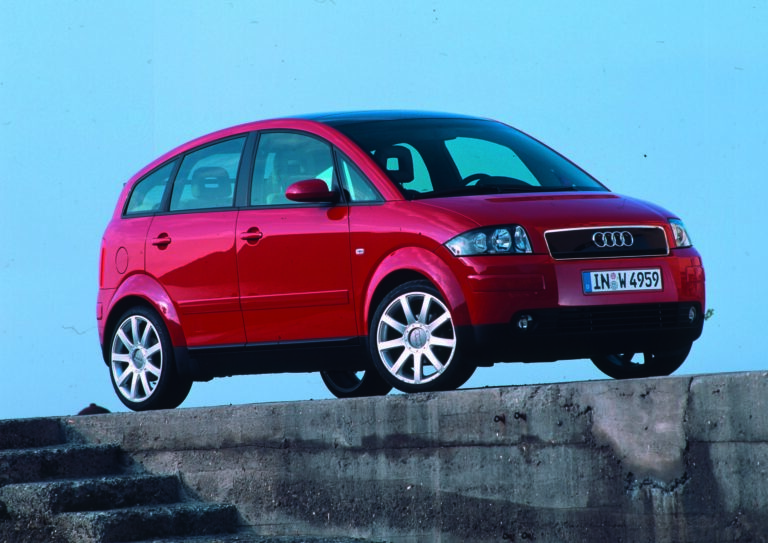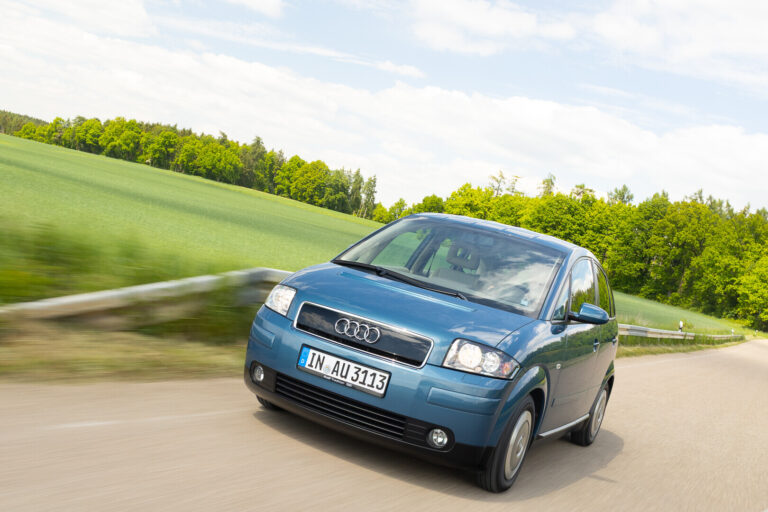
The firm suspension setup of the Audi A2 provides a sporty, direct steering feel on the motorway, but drastically reduces ride comfort in town. Speed bumps and irregularities are transmitted harshly to the occupants, especially those in the rear seats. This design choice, typical of many VAG models from that period, consciously prioritises roadholding over comfort. But what does this mean for the durability of your car?
Why does the suspension feel so stiff
The suspension of the Audi A2 is tuned from the factory for precision and stability. This results in composed handling during long journeys on the motorway, where the car really shines. On poor road surfaces or in urban traffic, this becomes a disadvantage: the car hops over obstacles and reacts nervously to bumps. The stiff shock absorbers have limited travel, which makes small potholes and speed bumps directly noticeable.
This setup also affects electronic systems. When the wheels rebound suddenly, ABS and EPC activate more quickly because the tyres temporarily lose contact with the road surface. This creates an unsettled driving feel and reduces confidence in the car during everyday use.
Worn dampers make the problem worse
After high mileage, for example above 200,000 kilometres, shock absorbers wear out and lose their damping ability. What started out as a firm but controlled suspension turns into unpredictable behaviour. You will notice this through the following symptoms:
- The car bounces several times after passing over a speed bump
- During hard braking, the front end dives down more deeply
- Tyres wear unevenly, especially on the inner edge
- The steering pulls to one side while driving in a straight line
Test your shock absorbers by firmly pushing the car down two or three times at each corner. If the car bounces more than once before settling, the dampers need to be replaced. This is important not only for comfort, but also for safety and fuel consumption.

What risks does stiff suspension involve
Although direct frame damage on the Audi A2 is rare, continuing to drive with worn suspension can lead to additional stress on the aluminium frame and wheel suspension. The forces that are normally absorbed by the dampers are now transmitted to the bodywork and suspension components. This accelerates wear and eventually leads to alignment issues.
Owners report pulling steering and a reduced feeling of stability as the first signs. These symptoms indicate problems with the toe-in or toe-out of the wheels. Uneven force distribution over a longer period accelerates corrosion or structural wear on suspension components. This occurs particularly with diesel variants such as the 1.2 TDI, which place more load on the front suspension due to the higher engine weight.
How does stiff suspension affect daily use
The limited suspension travel has a direct impact on your driving experience. Passengers in the rear seats experience the most discomfort, because bumps are transmitted more harshly to the rear axle. During city drives over speed bumps or poorly maintained roads this becomes particularly annoying. The comfort you enjoy on long distances disappears completely as soon as you leave the motorway.
Owners often rate the A2 highly for reliability and engine performance on the motorway, with scores between 7 and 9 out of 10. For city driving, however, this drops to 5 or lower. The lack of compliance makes short journeys tiring and unpleasant, especially with frequent speed bumps and bumpy roads.
‘ This prevents uneven tyre wear and improves steering behaviour. ’
Adjustment options for more comfort
The suspension cannot be adjusted by yourself without major technical modifications. There are, however, options to improve comfort. Replace worn shock absorbers with quality units specifically developed for the A2. Choose dampers with a slightly softer setup if comfort is your priority, but bear in mind that the choice within original specifications is limited.
In addition, regularly check tyre pressure and ensure correct wheel alignment. A simple DIY method is to use a piece of string around the four wheels to check the toe-in. This prevents uneven tyre wear and improves steering behaviour. Combine replacing the dampers with new tyres for the best result.
When should you take action
Do not wait too long to replace worn components. Leaking rear shock absorbers cause MOT (APK) issues and make the car unsafe in corners. The increased fuel consumption that results from poor damping also adds to the overall cost. Plan for maintenance around 200,000 kilometres. If in doubt, have the suspension checked by a specialist.
When buying a used A2, a thorough test drive is essential. Drive on different types of road, including over speed bumps and bumpy sections. Ask for all fault codes to be read and visually check for leaking dampers or oil patches around the shock absorbers. This upfront investigation prevents expensive surprises later on.
Practical maintenance tips for owners
Keep a logbook of maintenance to the suspension and wheel suspension. This helps you recognise wear patterns and prevents you from overlooking problems. Pay attention to changes in driving behaviour, such as increased bouncing or abnormal steering behaviour. These signals often indicate early wear before complete failure occurs.
Schedule suspension checks at the same time as tyre changes or the MOT. This saves time and gives a complete picture of the condition of the chassis. Ask for a warranty on replaced parts and keep all invoices for value retention and eventual resale.
On the Carnews website you will find much more information about specific car problems, maintenance tips and experiences from other car enthusiasts. Discover what your car needs and stay informed about practical solutions for technical challenges.
Frequently asked questions
The main trade-off is that a stiff suspension setup does provide precise and sporty handling, but clearly comes at the expense of ride comfort, especially on poor road surfaces and over speed bumps. The car steers more directly and rolls less, but transmits more vibrations, impacts and general harshness into the cabin. On long journeys this can be more tiring for occupants, while on twisty or fast stretches it can actually provide confidence and precision. In addition, a suspension setup that is too stiff or worn can cause extra wear to the suspension and tyres.
Overly stiff suspension transmits impacts directly to the bodywork and suspension mounting points, which can cause welds, mounting lugs and bushes to wear or crack prematurely. Due to the higher peak loads on poor road surfaces, control arms, spring seats, subframes and damper mounts are subjected to more stress over time than they were originally designed for. Constant bouncing can also cause alignment problems and uneven forces on the chassis, which in the long term can result in deformation or play in the running gear. In addition, the metal around mounting holes can tear or crack if very stiff suspension is combined with heavy loads or high mileages on poor roads.
Yes, you can consider making the suspension slightly more comfort-oriented by fitting different (softer) springs and shock absorbers that are better suited to the weight and intended use. In addition, it helps to replace worn shock absorbers, bushes and suspension components in good time so that impacts are better absorbed. It is also wise to regularly check alignment and tyre pressure in order to limit peak loads on the frame. Finally, your driving style (taking speed bumps and potholes more slowly) can play a major role in preventing stress on the frame.
Symptoms include unusual noises such as creaking, knocking or metal-on-metal sounds over speed bumps and potholes, a car that clearly leans to one side or pulls while driving, and unpredictable or “floaty” handling (bouncing, diving, nervous steering). Uneven tyre wear, vibrations in the steering wheel or body and recurring alignment problems can also indicate overloading or (incipient) damage to the frame or suspension.
Yes, an adaptive chassis usually offers a good compromise between performance and frame durability. Because the damping adapts to the conditions, severe impacts and peak loads are filtered out better than with a constant stiff setting. This reduces the risk of accelerated wear to the suspension and frame, while the car can still feel precise and composed when required. The correct setup and regular maintenance remain crucial to preserve this advantage.