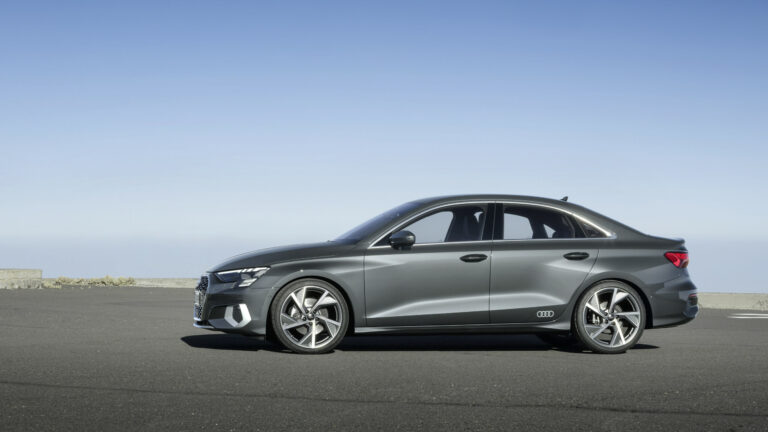
The 1.4 TFSI (petrol engine with turbo and direct injection) is the most troublesome engine in the Audi A3 due to timing chain issues and high oil consumption, while the 1.6 TDI (turbo diesel engine with direct injection) is generally more reliable, provided you keep a close eye on the water pump. Newer models with a timing belt (belt that regulates the timing between crankshaft and camshaft) score significantly better for reliability than the chain versions. Unsure which engine suits you best? Then this comparison will help you further.
The Audi A3 is available with various engines, each with its own strengths and weaknesses. For anyone looking for a reliable used car, it is important to choose carefully, because some engines require more maintenance than others. The differences in reliability between TFSI petrol and TDI diesel engines are striking. In addition, the year of manufacture plays a major role in the likelihood of car problems with the Audi A3.
Reliability of the 2.0 TFSI petrol engine
The 2.0 TFSI generally comes out as the most reliable petrol engine. With proper maintenance this engine will easily reach 230,000 kilometres and in some cases even more. The engine block itself is robust and suffers few major failures, which makes this engine popular among enthusiasts.
There are, however, some points to watch. Carbon build-up on the intake valves (valves through which air flows into the engine) is a known issue that mainly occurs on older versions. This can lead to rough idling and loss of power. Regular oil changes, preferably every 10,000 kilometres, help to prevent this. An intake cleaning around 80,000 kilometres is recommended.
In addition, ignition coils regularly fail around 110,000 kilometres. This causes misfires (incomplete or absent ignition in the cylinders) and an illuminated engine warning light. On a high-mileage car, replace all coils at once to avoid further faults. On models built before 2012, the high-pressure fuel pump (pump that sends fuel at high pressure to the injectors) can also cause problems, which shows itself as hesitation when accelerating.
‘ The recall campaigns following the diesel scandal are important for emissions performance and value retention. ’
Diesel engines: 2.0 TDI and 1.6 TDI
The 2.0 TDI diesel is a durable engine block with good torque. The newer versions from 2010 onwards, equipped with the EA288 generation (a newer generation of diesel engines from the Volkswagen Group), are more reliable than the older variants. With basic maintenance these engines will cover 300,000 kilometres without issues.
Older diesels from before 2010 more often suffer from clogged diesel particulate filters (filter that traps soot particles from the exhaust gases) and EGR valves (valves for exhaust gas recirculation). This is a direct consequence of the emission control technology used at the time. If you opt for a diesel, always check whether any recalls have been carried out. The recall campaigns following the diesel scandal are important for emissions performance and value retention.
The 1.6 TDI is generally reliable, but requires attention to the water pump. This component can fail over time, which can lead to overheating. When buying, check the condition of the water pump and ask for the service history.


Problems with the 1.4 TFSI engine
The 1.4 TFSI engine is the least reliable choice within the Audi A3 range. This engine is known for timing chain problems and high oil consumption. The timing chain (chain that regulates the timing between crankshaft and camshaft) can stretch prematurely or even snap, which leads to severe engine damage.
On a cold start you will often hear a rattling noise if the chain is worn. This is a clear warning sign. Have it checked immediately, because delaying can result in expensive repairs. Oil consumption is also higher than desirable on this engine, which means you have to top up regularly.
The 1.4 TFSI also suffers from misfires and ignition problems. Owners report issues more frequently than with the 2.0 TFSI. For anyone seeking reliability, this engine is therefore not recommended.
Best engine for an Audi A3 used car
Are you looking for the most reliable engine for an Audi A3 used car? Then the 2.0 TFSI from model year 2017 onwards is your best choice. This engine has fewer teething troubles than earlier versions and offers the best value retention, with depreciation of around 42 per cent after five years.
For those who prefer diesel, the 2.0 TDI from 2010 onwards is a good option. These newer TDI versions deliver 45 to 50 mpg and have more robust internal components. They are ideal for those who drive a lot of miles and want to keep fuel consumption low.
Avoid the 1.4 TFSI and older diesels without a proven maintenance history. When buying, a cold start test is recommended. Listen for rattles and always have the fault codes read with a diagnostic scanner (device that reads the car’s electronic fault codes). A complete service book is essential for cars with more than 100,000 kilometres on the clock.
‘ Short city trips cause the emissions system to clog up more quickly. ’
Important maintenance tips for every engine type
Good maintenance is the key to reliability for every Audi A3 engine. For TFSI petrol engines, the following applies: replace the oil in good time and have the intake valves cleaned preventively. This prevents costly problems with carbon build-up.
For TDI diesels it is important to take regular long journeys. This ensures that the diesel particulate filter can regenerate properly. Short city trips cause the emissions system to clog up more quickly.
Below are the main maintenance points at a glance:
- Change the oil every 10,000 kilometres on petrol engines
- Intake cleaning around 80,000 kilometres for TFSI engines
- Replace ignition coils at high mileage
- Check the water pump on 1.6 TDI models
- Read fault codes when buying a used car
- Have the service history checked in full
For models from 2017 onwards, also pay attention to the start-stop system. This system regularly causes faults and sometimes requires a software update from the dealer.


TFSI versus TDI: which suits you?
The choice between a TFSI petrol and a TDI diesel depends on your driving pattern. Do you mainly drive short distances in town? Then a TFSI engine is the better choice. These engines are less prone to clogged systems and are more suitable for short trips.
Do you rack up a lot of motorway miles each year? Then a TDI diesel offers advantages. Fuel consumption is lower and the torque is more pleasant on long journeys. You do, however, need to take into account higher maintenance costs for the emissions system.
For used-car buyers, the following considerations apply:
- TFSI is better for city use and short trips
- TDI pays off more at high annual mileage
- TFSI has fewer emissions-related issues
- TDI needs more attention to the diesel particulate filter and EGR valve
Both engine types can last a long time with proper maintenance. Average repair costs range between 700 and 900 euros per year, depending on use and servicing.
Newer models with timing belt
From certain model years onwards, some Audi A3 engines are fitted with a timing belt instead of a chain. These belt models generally score better for reliability than the chain versions.
A timing belt does need to be replaced in line with the prescribed maintenance schedule, usually around 120,000 kilometres or every six years. This is an expensive service, but it prevents serious engine damage. For a used car it is important to check whether the belt has already been replaced.
In theory, chains do not need to be replaced, but in practice they actually cause problems on certain engines. The 1.4 TFSI in particular is prone to this. The newer belt-driven models are therefore often a safer choice for anyone who does not want to worry about chain wear.
‘ Costs for maintenance and repairs are higher than with some other brands. ’
Experiences of owners
Many Audi A3 owners report years of trouble-free motoring with their car. The 2.0 TFSI and newer TDI versions in particular receive positive reviews. Owners appreciate the smooth performance and comfort.
There are, however, also less positive experiences. Costs for maintenance and repairs are higher than with some other brands. Visits to the dealer in particular can be very expensive. Waiting times for service are regularly mentioned as a drawback.
Interestingly, tuning fans praise the TFSI engines for their potential. There are known examples of RS3 models that have covered more than 320,000 kilometres on the original engine block, with nothing more than regular oil changes. This shows that with proper care these engines can last a very long time.
On the Carnews website you will find more in-depth information about maintenance, common faults and comparisons between different Audi models. Discover which tips and experiences other car enthusiasts share and make a well-considered choice for your next car.
Frequently asked questions
The 2.0 TFSI petrol engine (especially from model year 2017 onwards) is known within the Audi A3 range as the most reliable long-term choice. The 2.0 TDI diesel engines from around 2010 (EA288 generation) also generally have a good reputation, provided the emission systems are properly maintained. Early 1.8 TFSI engines and older diesels from before 2010 are less advisable due to a higher number of reported problems. For most buyers, a newer 2.0 TFSI petrol engine offers the best compromise between performance and reliability.
The most common reliability problems with Audi A3 engines are carbon build-up on the intake valves, failure of ignition coils and issues with the high-pressure fuel pump on TFSI petrol engines, and clogging DPF/EGR systems on older TDI diesels. These issues occur most frequently on the earlier 1.8 and 2.0 TFSI engines from around 2006–2012 and on diesel engines from before 2010. Newer 2.0 TFSI engines (from around 2017 onwards) and the EA288 TDI diesels (from around 2010 onwards) suffer clearly less often from these problems. Overall, the recent 2.0 TFSI engines and the newer TDIs are more reliable than the older turbo petrol engines and pre-2010 diesels.
Within the Audi A3 range, the 2.0 TFSI petrol engines are generally regarded as slightly more reliable than the TDI diesels, especially compared with the older pre-2010 TDIs with EGR/DPF problems. Newer TDI engines (from around 2010 onwards, EA288) perform well in terms of durability, but remain more sensitive to faults in the emissions system. TFSI engines mainly have typical wear points such as carbon build-up and ignition coils, but in practice they often show high mileages with few problems. For those choosing purely on reliability within the A3 range, the 2.0 TFSI (preferably from the newer model years) is usually the top choice.
Engine reliability in the Audi A3 clearly improved with the later generations, especially from around model year 2010 for the TDI diesels (EA288) and from around 2017 for the 2.0 TFSI petrol engines. Early TFSIs (approx. 2006–2012) and older diesels from before 2010 more often suffer from carbon build-up, HPFP problems and DPF/EGR faults. The 1.8 TFSI from the earlier years is known to be less reliable than the 2.0 TFSI. Overall, the more recent generations (in particular the 2017+ 2.0 TFSI and 2010+ TDI) are clearly more robust in terms of engine.
Regular and proper maintenance has a major positive impact on the reliability and service life of Audi A3 engines, because it ensures that known weak points such as carbon build-up, ignition coils and fuel pump wear are tackled in good time. As a result, engine problems make up only a small proportion of all faults, while many A3s with good maintenance achieve high mileages of 160,000 to even 300,000+ km. TFSI and newer TDI engines in particular benefit greatly from consistent oil changes and timely servicing. This keeps the engine running more smoothly, reduces the need for major repairs and keeps the car more reliable over the years.