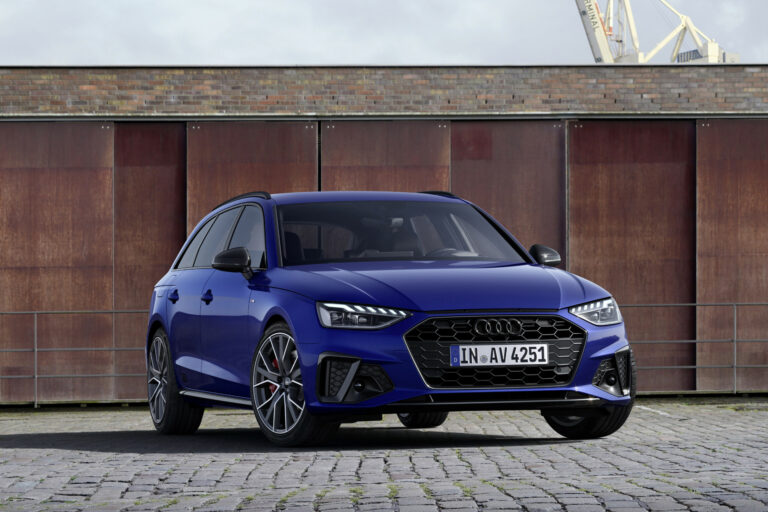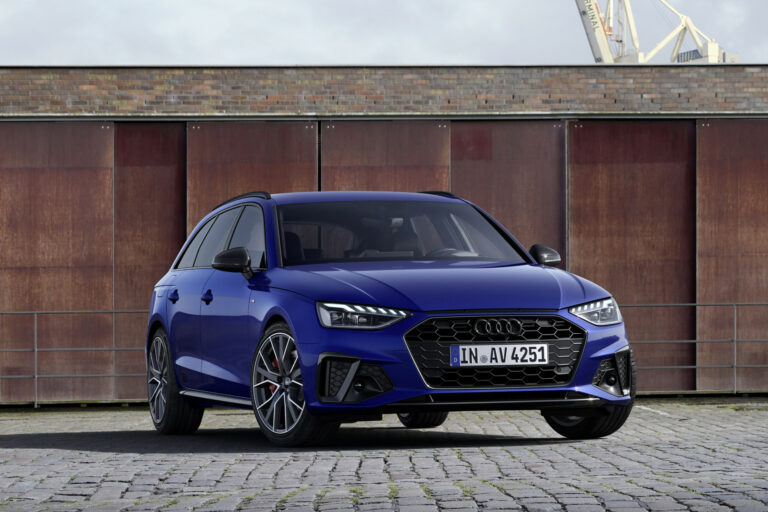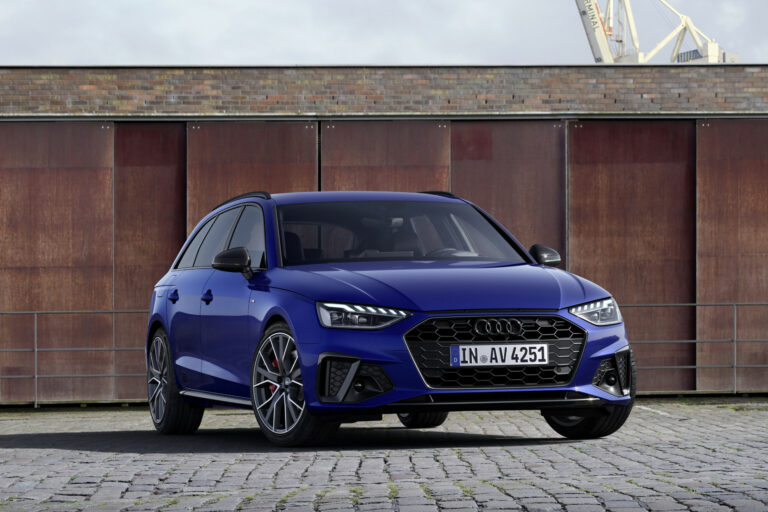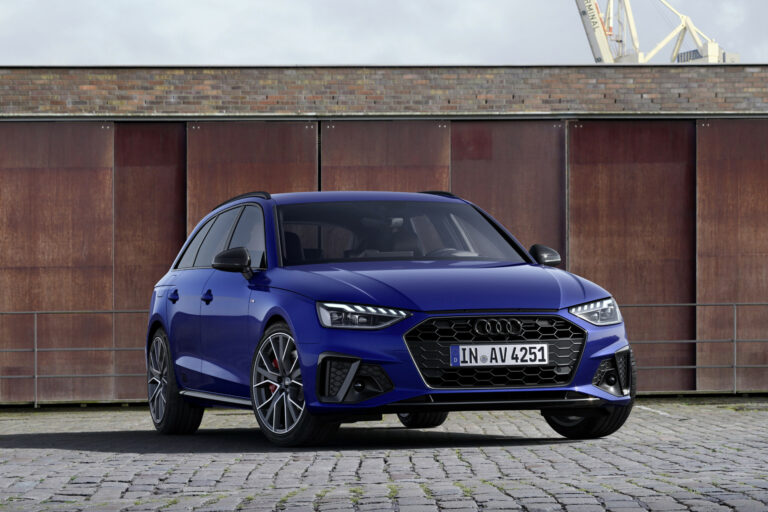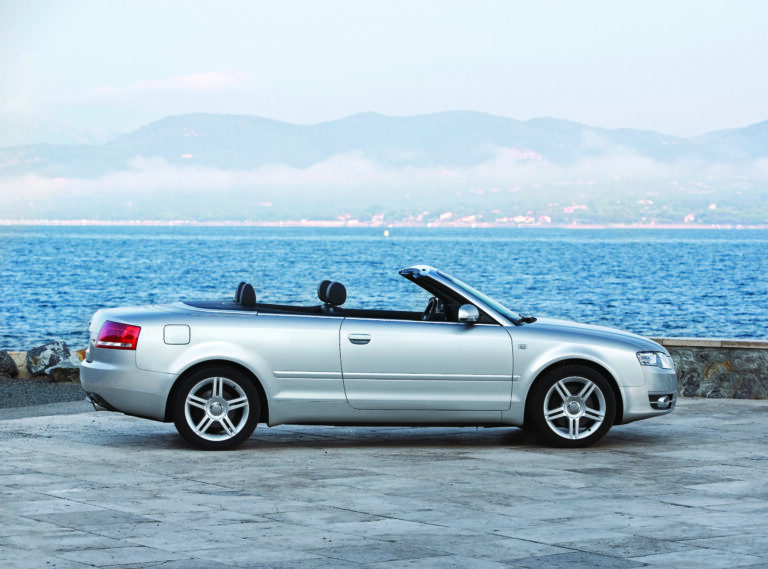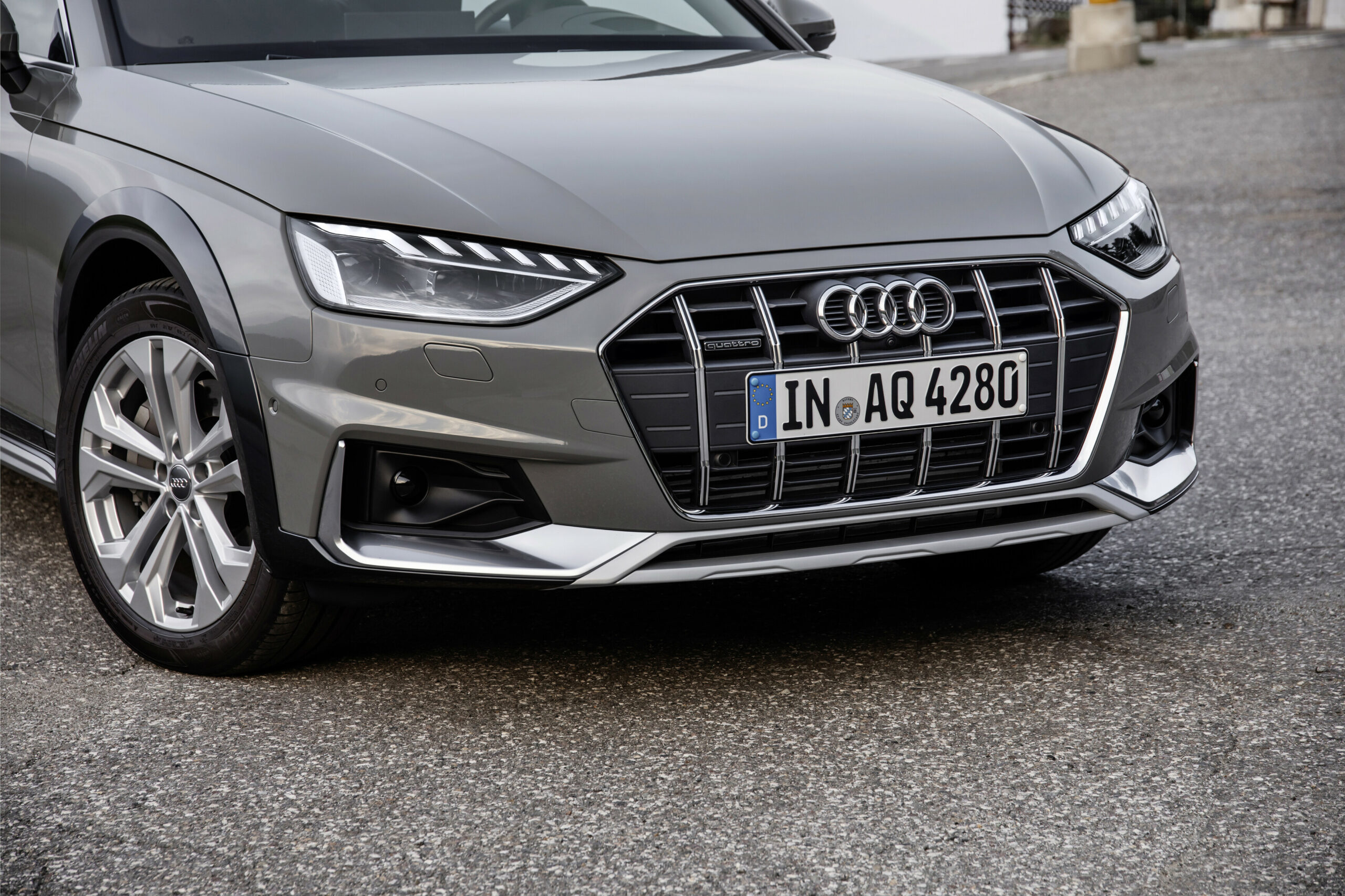
Water in the headlights of the Audi A4 B9 is often caused by defective seals and blocked ventilation openings. This leads to persistent condensation, reduced light output and, in the long term, even failure of the LED units. This is an important point to check, especially on used cars. Find out how to recognise this problem and what you can do about it.
Common issue with the B9 generation
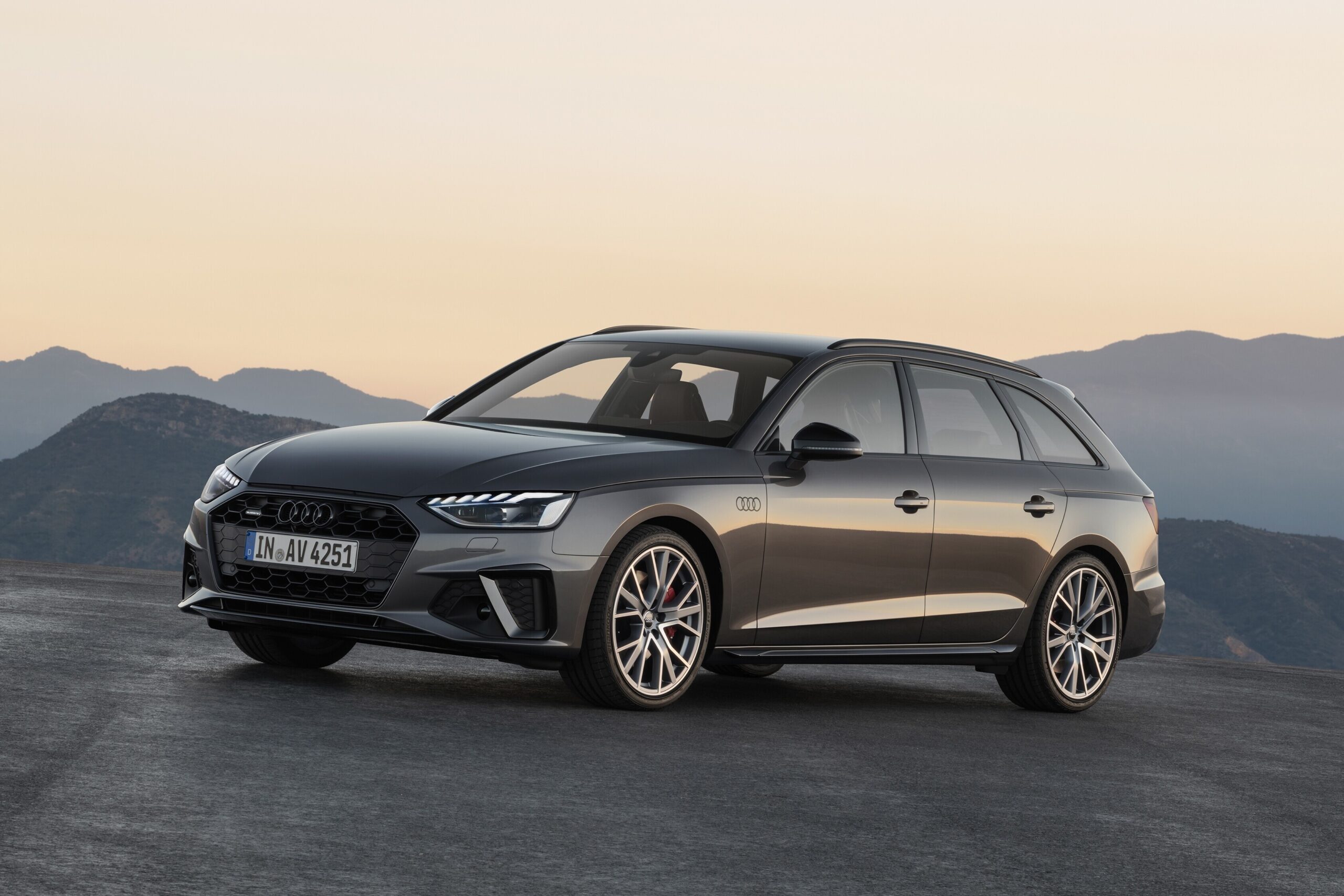
Water ingress in the headlights occurs regularly on the Audi A4 B9, which came onto the market in 2015. Owners often report that water droplets collect in the lamp units, especially after rain or a car wash. This is not normal and points to an underlying problem with the sealing of the headlight units. In many Audi A4 car problems, wear of rubber components plays a role, and that is also the case here.
The problem usually presents itself as persistent condensation that does not disappear when the lamps heat up. In some cases you can even see visible water droplets on the inside of the lens. This clearly differs from light, temporary condensation, which can be normal in damp weather conditions.
‘ These symptoms indicate a leak that needs attention. ’
Normal or problematic: spotting the difference
Light condensation can be normal. Headlights are ventilated at the rear, allowing moist air to be drawn inside. Temperature differences can temporarily cause a thin film of condensation. This usually disappears by itself once the headlights are used and warm up.
You have a problem when:
- The moisture does not disappear even after a longer period
- You see distinct water droplets
- The condensation keeps coming back
- The lens remains fogged up, even after driving
These symptoms indicate a leak that needs attention.
Causes of water ingress
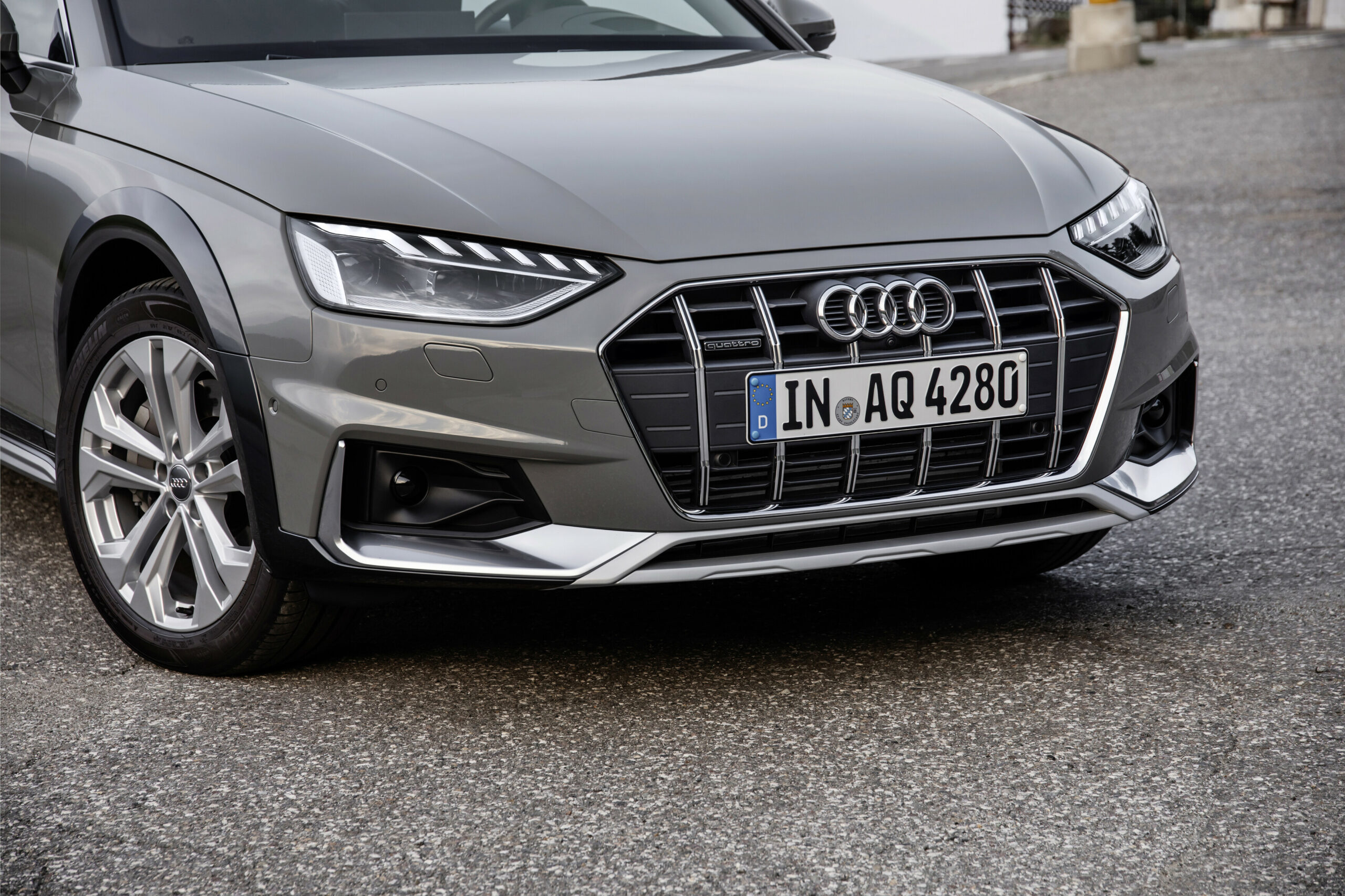
There are several possible causes of water ingress in Audi A4 B9 headlights. The main cause is damage to the rubber seals around the lamp units. These rubbers can develop small cracks due to vibrations while driving, as well as through normal ageing. Weak spots arise where the headlight meets the front wings, and this is where the problem most often occurs.
A second common cause is blocked ventilation openings. Each headlight has small vent holes with rubber hoses that drain excess moisture. These can become blocked by dust, dirt and road debris. If water cannot drain away, it remains inside the lamp unit.
Fine cracks in the lamp unit also allow water to enter. This sometimes happens due to vibrations or minor knocks. Incorrect installation of electrical modules can also play a role. If connectors point upwards instead of downwards, water can enter more easily.
Impact on safety and MOT test
Water in your headlights distorts the light beam, making you less visible to other road users. This increases the risk of dangerous situations, especially in the dark or in bad weather. Light output decreases and the beam becomes diffuse due to the moisture.
At the MOT (APK) test this can lead to a failure. Reduced light output or a distorted beam pattern caused by moisture in the headlights is a reason for rejection. Note: moisture in rear lights is generally tolerated, but the requirements for headlights are stricter because of road safety.
Over time, water can damage the electronics in the headlight units. This applies in particular to the LED modules in the Audi A4 B9, which are sensitive to moisture. Corrosion and short circuits may occur, ultimately leading to complete failure of the lights.
‘ However, this is only a short-term solution, as the cause of the leak remains. ’
Repairing water in headlights: practical solutions
Start by investigating the problem. Park your car in the sun and switch on the lights. Check after a few minutes whether the moisture has disappeared. If it remains present, the ventilation system is probably blocked or defective.
Check the ventilation openings. These are small slots or holes with rubber hoses at the back of the headlight. Remove dirt and dust with compressed air or a thin tool. In many cases this solves the problem.
If the problem persists, inspect the rubber seals. This requires removing the headlight unit. In many cases this is necessary. Look for cracks or damage. Replace the seal if required. For the Audi A4 B9 this is generally a job for a specialist, because the headlights are integrated with the electrical system.
You can temporarily dry the inside of the lamp unit with a hairdryer. Carefully remove the headlight from the car and use a hairdryer on a low setting to remove the moisture. However, this is only a short-term solution, as the cause of the leak remains.
Drilling a hole yourself: emergency fix with risks
Some owners drill a small hole in the headlight housing to let water escape. This method can work as an emergency fix, but it does carry risks. Only drill at the bottom of the housing, where water can drain away. Use a small drill bit and do not touch any internal components.
Be careful: damage to the reflector or LED module means you will have to replace the entire headlight unit. This is expensive on the Audi A4 B9, because the complex LED headlights are costly to buy. Use this method only if other options are not possible.
Replacement costs
Replacing the headlights on an Audi A4 B9 is expensive. A new genuine LED headlight unit costs between €1,000 and €1,800 each, depending on the specification. Full LED Matrix headlights are even more expensive. Add labour on top and you can expect to pay €1,500 to €2,500 per headlight including fitting.
Alternative options include refurbished headlights or parts from a breaker’s yard. These are cheaper, but always check that they are free of water ingress before you buy. Aftermarket headlights are also available, but their quality and light output can differ.
If the problem is covered by warranty, the dealer will carry out the repair free of charge. Check whether water ingress is known as a manufacturing defect for your model year. Some owners have successfully made a warranty claim, sometimes even outside the standard warranty period.
‘ Regular maintenance prevents problems. ’
Prevention and checks when buying
Thinking of buying a used Audi A4 B9? Always inspect the headlights thoroughly. Park the car in a dark space and check whether you can see condensation or water droplets. Switch on the lights and see if the moisture disappears after a few minutes. If it remains, there is a problem.
Ask the seller about the maintenance history of the headlights. Have they ever been replaced or repaired? This can indicate previous issues. Also check whether all rubber seals are in good condition and whether the ventilation openings are clean.
Regular maintenance prevents problems. Check every six months that the vent holes are clean. Make sure electrical modules are mounted correctly with the connector facing downwards. Avoid aggressive high-pressure car washes, as these can force water into vulnerable areas.
When to see a specialist
Does the problem persist after cleaning the ventilation openings? Then contact an Audi specialist. In the B9 generation, the headlights are integrated with electronics and security systems. Incorrect repairs can cause faults in the lighting system and even in other control units.
A specialist can use professional equipment to diagnose the exact cause. They can also handle any warranty claims with Audi on your behalf. Not sure how serious the problem is? Always have it checked, especially if the MOT test is coming up.
Want to know more about your Audi A4?
Water ingress is just one of the points of attention on the Audi A4 B9. On the Carnews website you will find extensive information on common problems, plus maintenance tips and buying advice for various Audi models. Discover what you need to know before buying a used car, and how to extend the lifespan of your car. Dive into the other articles and become a real expert on your own car.
Frequently asked questions
The most common causes are worn or damaged rubber seals around the headlight unit, allowing water to seep in along the edges. In addition, blocked or poorly functioning ventilation openings in the headlight often lead to persistent condensation or water accumulation. Hairline cracks or other damage in the headlight housing itself can also cause water ingress. Finally, incorrect installation of electrical modules or the headlight unit (for example connectors fitted facing upwards) can increase the risk of water entering.
If you ignore water in the headlight of your Audi A4 B9, light output can be reduced and the beam pattern distorted, affecting your visibility and safety in traffic. Long-term moisture build-up can also lead to corrosion and damage to the electronic components inside the headlight. This may eventually result in costly repairs or replacement of the entire headlight unit. You also run the risk that your car will fail the MOT (APK) because of insufficient or distorted light output.
Yes, you can often tackle water ingress in the headlight of your Audi A4 B9 yourself, as long as there are no major cracks or serious electrical damage. First check and clean the ventilation openings and rubber hoses, and dry the headlight (for example by removing the unit and carefully using a hairdryer). Then inspect the rubber seals around the lamp unit and replace them if they are cracked or dried out. If there is still moisture afterwards, or you can see actual water droplets, professional repair or replacement of the headlight unit is advisable.
The costs of repairing or replacing a headlight with water ingress on an Audi A4 B9 can vary greatly depending on the cause (for example only sealing/ventilation cleaning, or replacement of the complete unit). For simple jobs such as drying and checking/cleaning the ventilation openings or replacing rubber seals, you will usually pay from a few tens of euros up to around one hundred euros. If the complete headlight unit (especially LED/xenon) has to be replaced, costs can rise to several hundred euros per side including labour. The exact price depends on the type of headlight used (halogen, xenon, LED), the dealer/garage and any warranty.
The best permanent approach is to trace and fix the root cause: check and replace worn or cracked rubber seals on the A4 B9 headlight, and ensure that the ventilation openings and hoses are completely clear. Dry the unit thoroughly (ideally remove it and heat it in a controlled way) and inspect the lamp housing for hairline cracks, which should then be professionally repaired or resolved by replacement. Avoid emergency fixes such as drilling a random hole, as this often only works temporarily and can damage the unit. If problems persist, have the headlight tested by a specialist or Audi dealer for leaks and correct sealing, so the issue does not return.