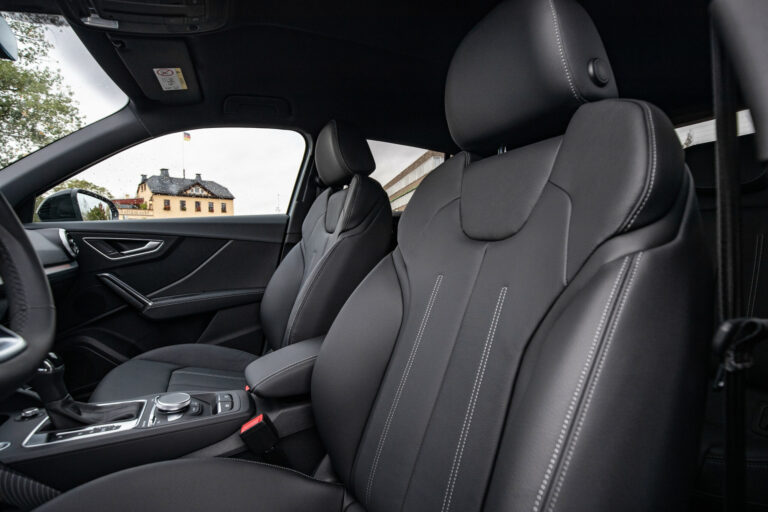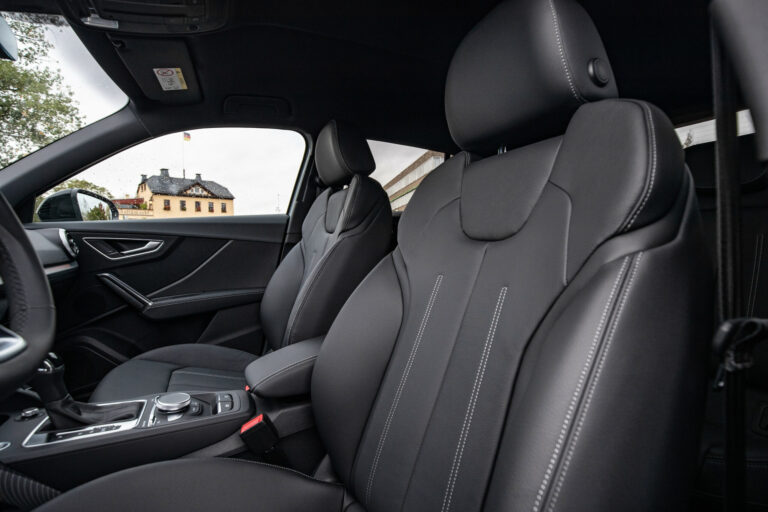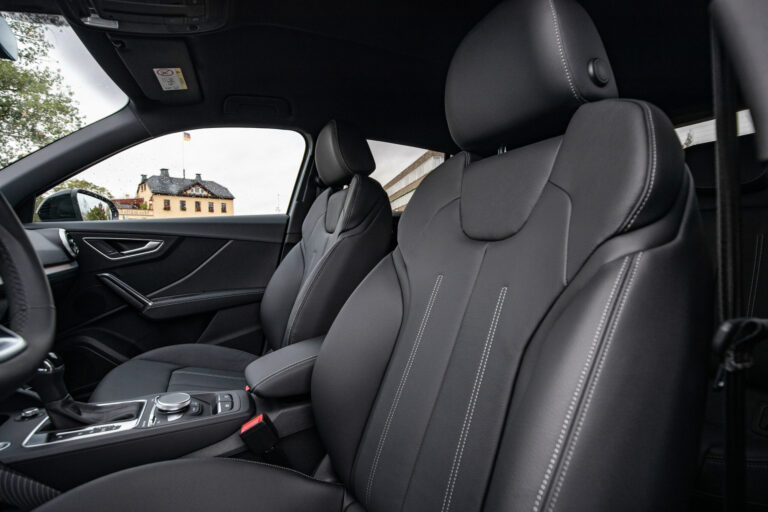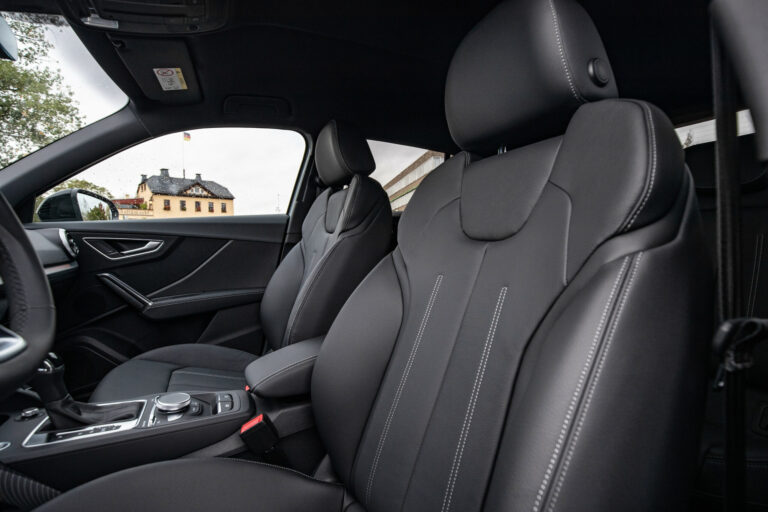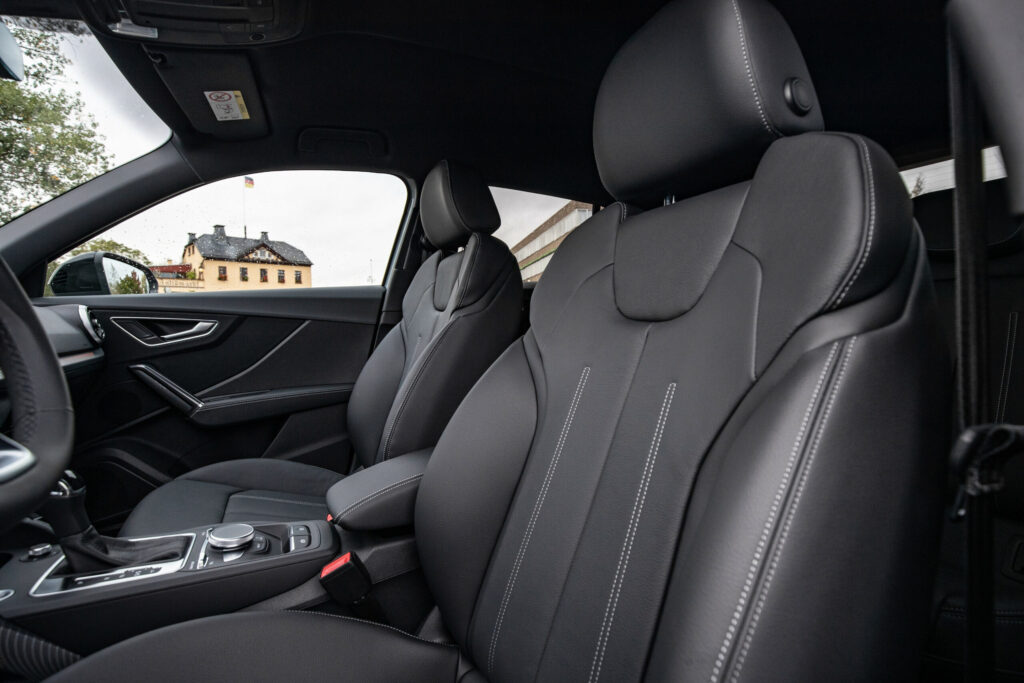
Flushing Automatic Transmission Fluid (ATF) in the automatic gearbox of an Audi Q2 helps prevent shifting problems when the transmission oil has aged or become contaminated. Fresh oil supports the lubrication, cooling and operation of the automatic transmission, provided the correct fluid and method are used. So do not wait until the transmission starts shifting badly, and read what you need to look out for.
Why does transmission oil become contaminated?
Transmission oil works under high pressure and is exposed to temperature fluctuations on every journey. Over time, its lubricating properties deteriorate and small wear particles end up in the oil. In a used Audi Q2 with potential issues, the service history is therefore an important starting point.
ATF lubricates moving parts, carries away heat and supports the operation of clutches and shifting mechanisms. Contamination puts strain on small oil passages, control valves and the filter. As a result, the transmission reacts more slowly and less smoothly over time.
Not every Audi Q2 has the same automatic transmission. The type depends, among other things, on the engine, drivetrain and trim level. The specified oil and maintenance method also differ by version. So first check the transmission code or have it identified using the vehicle identification number.
When should you flush the automatic transmission oil in an Audi Q2?
There is no general flush interval that applies to every Audi Q2. In practice, maintenance recommendations range from around 60,000 to 120,000 kilometres. Some garages and parts suppliers mention 40,000 to 50,000 kilometres. The service schedule for the specific transmission remains decisive.
The oil ages more quickly when the transmission is regularly put under heavy load. Think of lots of city driving, short journeys or towing a trailer. A sporty driving style and prolonged driving at high temperatures also affect the oil’s service life.
Inspection or maintenance is especially advisable in the following situations:
- The service history of the automatic gearbox is unknown.
- The specified fluid change cannot be shown to have been carried out.
- The transmission shifts noticeably differently from before.
- The car is often used in demanding traffic.
- The transmission oil smells burnt or appears heavily contaminated.
- Fault codes for the transmission are stored.
A flush does not repair damaged clutches, bearings or electronic and hydraulic control units. If there are clear symptoms, have a diagnosis carried out first. That way, you avoid fresh oil masking a mechanical or electronic fault.
Recognising the symptoms of contaminated ATF in an Audi Q2
Symptoms of contaminated ATF in an Audi Q2 are not always immediately obvious. The complaints often develop gradually, so a driver becomes used to them. Pay particular attention to changes in shifting behaviour compared with previous journeys.
Common signs that point to aged or contaminated transmission oil are:
- Jerks when changing up or down.
- A delay after selecting D or R.
- Fluctuating engine speed during acceleration.
- Slipping or brief loss of drive.
- Vibrations when pulling away gently.
- Erratic shifting when the transmission is warm.
- A transmission warning message or warning light.
These symptoms do not prove that the oil is the cause. Similar complaints can be caused by software, incorrect adjustment, worn clutches or a problem with the mechatronics unit. The mechatronics unit is a control unit that combines electronic and hydraulic operation. A diagnostic scan and a test drive provide more clarity.
Flushing differs from simply changing the oil
With a standard oil change, only the oil that can drain out through the drain plug is removed. Some often remains in the pipes, cooler and internal components. As a result, the fresh fluid mixes with the remaining old oil after the service.
A flushing machine replaces a larger portion of the fluid. The oil circulates through the system during this process. The technician monitors the colour and level of contamination during the procedure.
The type of transmission determines which parts need replacing. In addition to the oil, the filter, seal and sump pan are also replaced if necessary.
More replacement is not automatically better in every situation. In a transmission with seriously overdue maintenance, loosened debris can reveal new problems. A specialist therefore first assesses the condition of the oil, any leaks and any fault codes present.
Flushing the automatic gearbox of an Audi Q2 yourself
Flushing the automatic gearbox of an Audi Q2 yourself requires knowledge of automatic transmissions. Diagnostic equipment and suitable filling equipment are also needed. The car must be level during the work. While filling, the oil temperature must remain within the specified values. The wrong oil or an incorrect level causes shifting problems and heat damage.
For an experienced home mechanic, the general procedure consists of these steps:
- Identify the transmission code and look up the factory procedure.
- Check the gearbox for leaks, fault codes and mechanical symptoms.
- Use oil with exactly the specified approval.
- Raise the car level and work safely using suitable support points.
- Drain the old oil and check it for smell, colour and metal particles.
- Replace the filter and seals when the transmission procedure requires it.
- Connect suitable flushing equipment according to the instructions for the relevant gearbox type.
- Fill the transmission and check the level at the specified oil temperature.
- Slowly cycle through all positions so the oil is distributed through the system.
- Check again for leaks and then take the car on a gentle test drive.
This overview is no substitute for a workshop manual. The exact fill point, temperature, oil quantity and specified tightening torques differ by transmission. Without a flushing machine, you will usually carry out a partial oil change rather than a full flush.
Why the correct ATF specification matters
Do not use universal transmission oil without verifiable approval for the specific automatic gearbox. Fluids differ in viscosity, friction characteristics and behaviour at different temperatures. Unsuitable oil may alter clutch engagement and therefore cause jerking or slip.
The quantity also matters. Too little oil reduces lubrication and cooling, while too much oil causes foaming. So ask the workshop which oil is used and how the level is checked. Keep the invoice with the oil specification, mileage and date with the service documents.
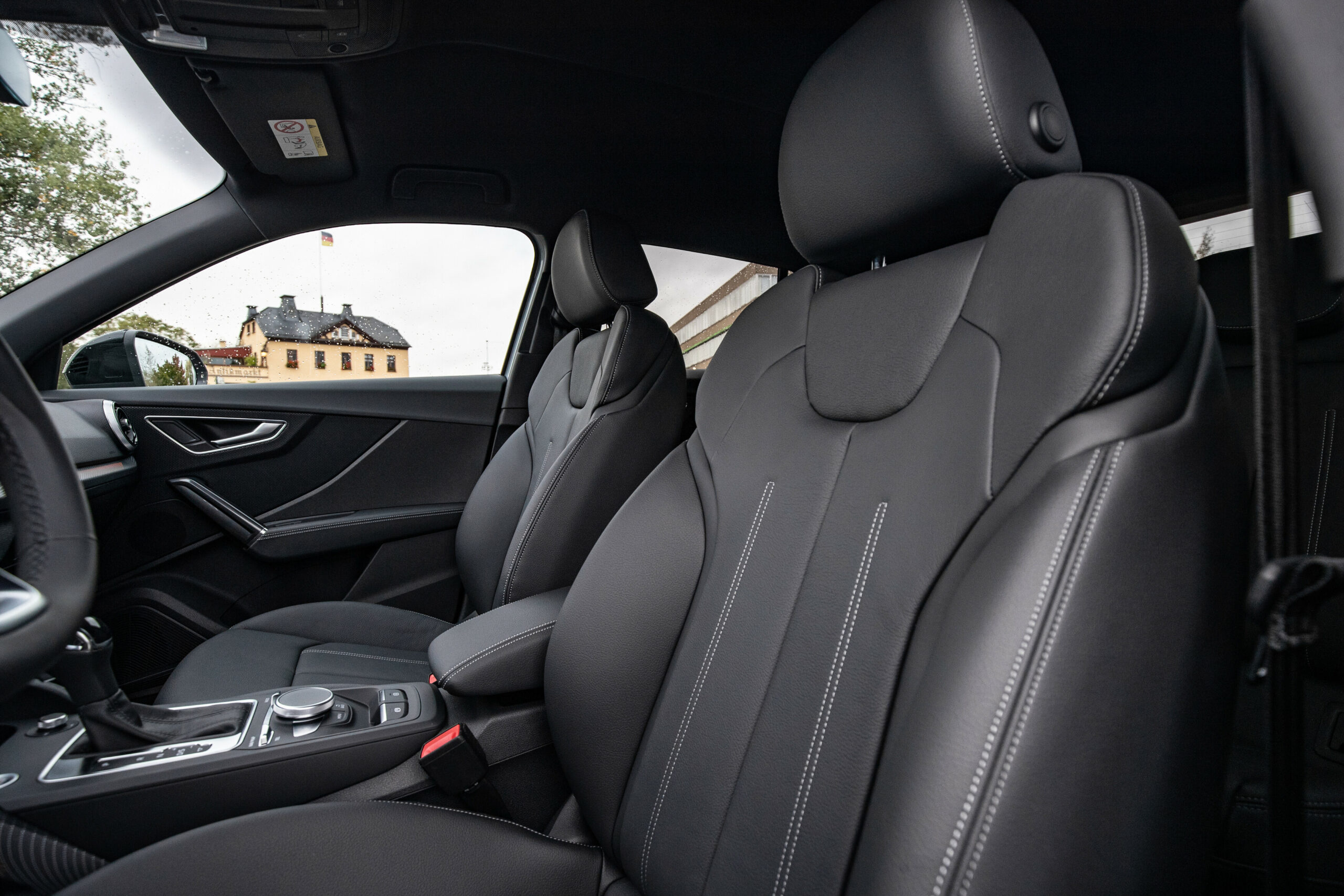
How to choose a suitable service
A good workshop first determines which automatic transmission, in other words which gearbox, is fitted in the Audi Q2. It then provides advice based on mileage, usage, oil condition and service history. If there are shifting problems, a diagnosis should be carried out before flushing begins.
Ask in advance whether the price includes the filter, seals, diagnostics and test drive. Also ask whether the workshop uses oil that meets the specified approval. In practice, a full treatment often takes about an hour and a half to three hours, depending on the transmission and any additional work.
Regular transmission maintenance reduces the chance of contaminated oil circulating for a long time. After the treatment, continue to watch for abnormal shifting, leaks and warnings. On the Carnews website you will find more information about Audi Q2 maintenance, automatic gearbox problems and practical car tips. Discover the related topics and keep your car in good condition with targeted knowledge.
Frequently asked questions
ATF oil ages and becomes contaminated with wear particles, reducing the lubrication, cooling and hydraulic performance of the automatic gearbox. A full flush also removes old oil and dirt from the pipes, cooler and internal components, helping to limit wear and temperature-related problems. With the correct ATF specification and a new filter, the Audi Q2 can shift more smoothly and the gearbox will generally last longer.
Symptoms include jerky or harsh shifting, delayed engagement of D or R, slipping or rising engine speeds without proportional acceleration. Irregular shifting, vibrations and temperature problems can also point to contaminated or aged transmission oil. With these complaints, first have the specific transmission type, oil level and gearbox read out before you have a flush carried out.
A modern ATF flush machine is connected to the transmission’s oil circuit and, while the engine is running, it replaces the discharged old oil with the same amount of fresh ATF in a controlled way. This flushes the torque converter, lines, mechatronics and oil cooler as far as possible, while the oil condition is monitored during the process. For Audi, the exact transmission type must first be identified, because the oil specification, filling procedure and temperature control differ between DSG, S tronic and conventional automatic gearboxes. The filter and gasket are then usually replaced, and the oil level is set according to the manufacturer’s procedure.