
The Audi Q5 is a popular luxury SUV with excellent driving characteristics. Second-hand examples can saddle you with costly surprises. Excessive oil consumption, transmission failures and electrical issues occur regularly. This applies to models from 2008–2017. A thorough inspection of the chain, oil, transmission and electronics prevents unexpected repairs running into thousands of euros. Discover which points of attention you must not skip.
Common problems by model year
The first-generation Q5 (2008–2017) has its own problem map. That map differs per model year. If you buy a used car without prior knowledge, you run the risk of expensive engine damage or seized-up electronics. In the case of the Audi Q5, certain weak points are well documented and therefore relatively easy to check.
The 2009–2012 model years mainly struggle with issues relating to the timing chain (the chain that drives the camshaft). Rattling at start-up or during acceleration points to a worn chain. Around 100,000 kilometres, this chain regularly causes engine faults. The transmission from that period also behaves erratically. Jerks when shifting, or even getting stuck in gear, occur more often than you would like. Fuel leaks occur due to cracks in the pump flange, bringing a risk of fire.
Between 2011 and 2017, oil consumption is the most frequently reported complaint. The 2.0T engines (2.0 litre with turbo) sometimes burn so much oil that you have to top up every 3,000 to 5,000 kilometres. Worn piston rings or leaking turbos are the cause. In the same period, sunroofs leak, allowing water to infiltrate the interior. This damages electronics and upholstery. The start-stop system shows faults with a delayed response. In the worst case, there may be a temporary loss of brake assistance or power steering.
The 2013–2017 models share the fuel leakage issue with earlier model years. They add steering problems on top. The steering sometimes feels stiff at low speed and you may hear creaking noises. Vibrations in the brake pedal also occur because brake discs warp or wear out faster than expected.
From 2017 onwards, the defects shift. Most issues are electronic and in the infotainment system (the screen and control system for media and navigation). Screen freezing, connectivity problems and faulty sensors make the driving experience less comfortable. Turbo and transmission repairs remain a cost item, often running from hundreds to several thousands of euros. This applies especially to diesel versions.
‘ Then be prepared for higher maintenance costs and longer downtime when something goes wrong. ’
Diesel riskier than petrol
The figures speak for themselves. Diesel variants of the Q5 have a higher chance of faults than petrol versions. Around 35 percent of diesels develop problems, compared with 27 percent of petrols. Repairs take longer and sometimes cost more than €1,700. With petrol models, repairs are often faster and cheaper. Within the warranty period, repairs are almost always carried out free of charge.
Choose a petrol version from 2017 onwards to limit risks. Those model years suffer less from the stubborn engine and transmission problems that plague earlier generations. Diesels remain attractive for drivers who cover many kilometres. In that case, be prepared for higher maintenance costs and longer downtime in the event of faults.

Long-term reliability
The Q5 scores average in reliability ratings, with a score of 3 out of 5. Annual repair costs are around €850 to €1,000, which is higher than the average for luxury SUVs. As a brand, Audi ranks 26th out of 31 brands in reliability surveys. The brand scores better than Land Rover, but lags behind BMW and Mercedes.
Minor faults occur regularly. Serious engine or transmission damage fortunately remains the exception. Owners report that repairs under warranty are carried out quickly by the dealer. Once the warranty has expired, costs rise and waiting times increase. Petrol models score better in terms of speed and cost: 63 percent of repairs are completed within one day and, during the warranty period, 100 percent of them are free of charge.
Checklist for a pre-purchase inspection
Carry out a thorough inspection in advance. This prevents unexpected repairs running into thousands of euros. Start with the oil level. Ask the seller about the oil consumption history and check whether it needed topping up regularly. Normal oil consumption remains limited. If you have to add a litre every 3,000 kilometres, that points to engine problems.
Test the transmission. Accelerate and decelerate at different speeds. Jerks, slipping (the transmission losing drive) or hesitation are warning signs. Listen carefully for rattling or clattering noises, especially during start-up and at low revs. That indicates a worn timing chain.
Inspect the sunroof for leaks and check its operation thoroughly. Ask whether there has been any water ingress. Check the headliner for discolouration or damp patches. Open and close the sunroof several times to test its operation.
Check all the electronics carefully. Look at the dashboard, cameras, sensors and the infotainment system. Switch all functions on and off and check whether everything responds as it should. Electrical problems are persistent and expensive to put right.
Ask about recall work carried out (manufacturer recalls). The sunroof on 2009–2017 models is the subject of a well-known recall, as is the fuel pump on 2013–2017 models. The timing chain extension for 2011–2012 is also a well-known recall. Check whether these have been done.
Ideally choose a car with fewer than 100,000 kilometres on the clock and with a full service history. Have an independent garage carry out an inspection. This is a pre-purchase inspection before buying. It costs a few hundred euros, but prevents you from ending up with a car that has hidden problems running into thousands of euros.
Main points of attention summarised
- Check oil level and oil consumption history
- Test the transmission for jerks and slipping
- Listen for rattling noises from the timing chain
- Inspect the sunroof for leaks and water ingress
- Thoroughly test electronics and infotainment
- Verify recalls and request the service history
- Have an independent pre-purchase inspection carried out
‘ That should not be considered normal. ’
Maintenance tips to prevent problems
Preventive maintenance extends the life of your Q5 and avoids costly repairs. Top up the oil regularly and keep a close eye on the level. On petrol models with high oil consumption, topping up every few thousand kilometres is not unusual. That should not be considered normal, so have it investigated in good time.
Replace the transmission oil every 60,000 kilometres. The manufacturer suggests this is not necessary, but replacement is still advisable. Fresh oil significantly extends the life of the transmission and helps prevent jerky gear changes. Check the brakes for vibration and have them replaced as soon as you feel any judder. Warped brake discs (discs that warp due to heat) are difficult to repair and can cause further damage.
If you regularly experience problems with delayed response or loss of brake assistance, switch off the start-stop system. On older models, that system is less reliable. Replace filters and spark plugs according to the service schedule and have any fault codes read before they lead to serious problems.
Owners report that proactive maintenance helps and prevents many problems. Avoid cars with very high mileage and do not buy an example without a service history. The Q5’s interior quality remains excellent, even on models with a few years behind them, but the technical maintenance does require attention.
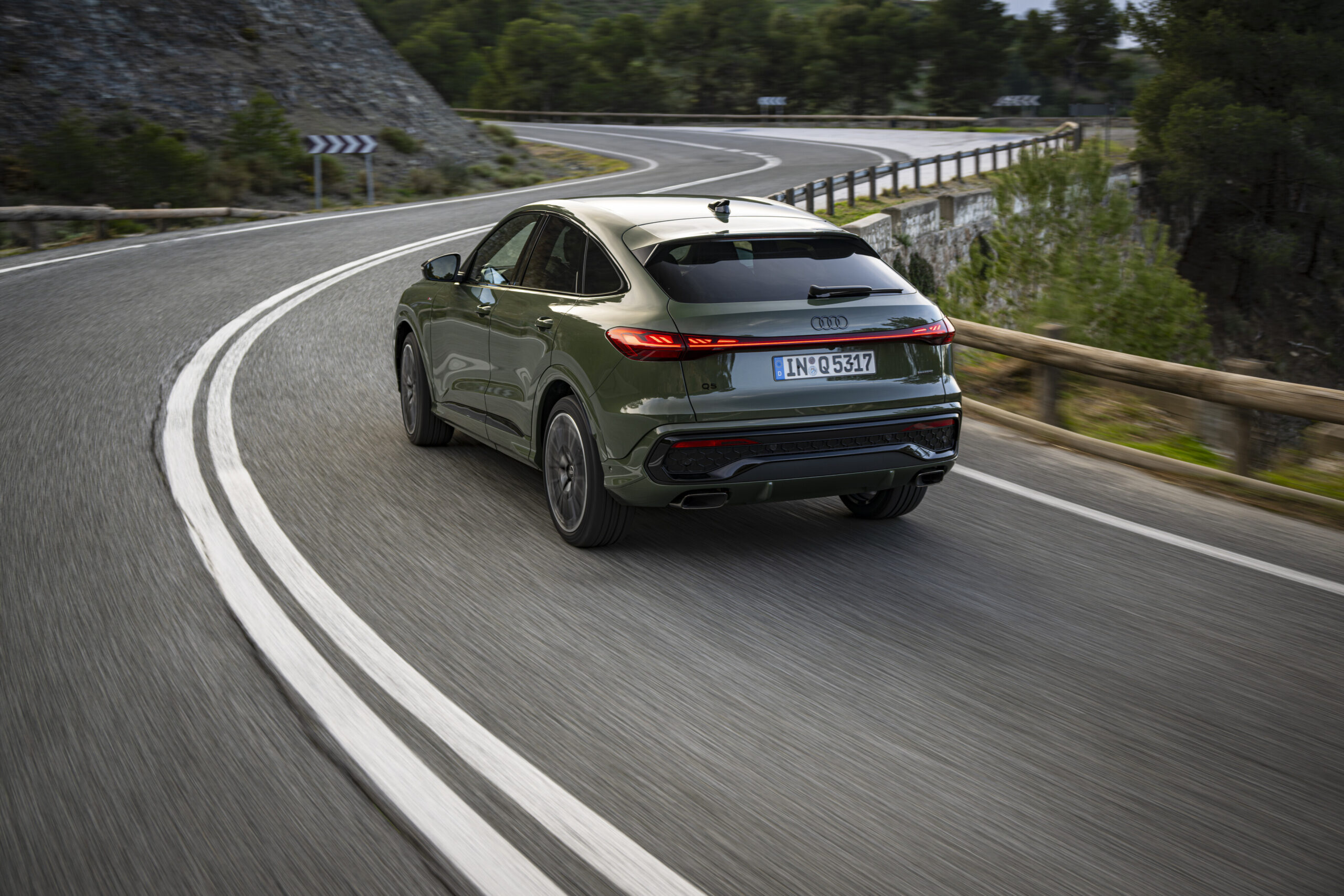
Which model years are best avoided?
The 2009–2012 period has the most problems. Timing chains (chains that drive the camshaft) fail, transmissions give up and fuel leaks bring safety risks. Avoid these model years to limit your risks, or be prepared for expensive repairs around the 100,000-kilometre mark.
From 2017 onwards, the petrol models improve significantly. Electronics and infotainment remain points of attention, but the engine and transmission issues that plagued earlier generations are less common. Models from 2017 are more reliable and cheaper to maintain, especially if you remain within the warranty period.
Across all model years, diesels remain riskier. The likelihood of faults is higher, repair times are longer and costs are higher. They are less attractive if you do not drive many thousands of kilometres per year. For most buyers, a petrol version from 2017 onwards is the best choice.
What will a used Q5 really cost you?
The purchase price is only part of the total cost. Repair bills can add up quickly. If you encounter engine or transmission damage, expect to pay on average €850 to €1,000 per year for maintenance and repairs, with this figure higher for older models or diesel variants.
Replacing the timing chain quickly costs several thousand euros, and a transmission repair can cost just as much. Electrical faults range from a few hundred euros to more than a thousand euros, depending on the issue. Sunroof leaks can cause thousands of euros of interior damage if not dealt with in time.
A full pre-purchase inspection before buying costs a few hundred euros. It helps you avoid spending thousands on a car with hidden problems. Invest in that inspection and choose an example with a complete service history. In the long run, this will save you money and prevent frustration.
On the Carnews website you will find more useful information about the Q5 and other models. You will find problem analyses, maintenance tips and the possibility to compare different brands and types. Discover more and make your next car choice with confidence.
Frequently asked questions
Typical problems with a used Audi Q5 include excessive oil consumption (especially 2.0 TFSI), timing chain issues (particularly 2009–2012), transmission failures, leaking panoramic roofs and various electrical/infotainment faults. On diesel variants, expensive turbo and transmission repairs are also more common. On average, annual repair and maintenance costs are around €850–€1,000, with major work on the engine or gearbox (such as chain overhaul or transmission overhaul) easily reaching or exceeding €1,700–€3,000. Smaller repairs (electrics, brakes, leaks) generally range between €200 and €800 per visit.
Prepare a checklist in advance with known problem areas (engine/oil consumption, transmission, leaks, electronics, suspension) and work through it systematically during the inspection. Pay attention to noises (rattles, ticking, jolts), smells (fuel, oil, coolant) and visible signs (leaks, rust, uneven tyre wear). During the test drive, try different speeds and situations: pulling away, steady cruising, firm braking, steering at low and high speed and gear changes (including kickdown on automatics). Note all your observations and, if in doubt, have an independent pre-purchase inspection carried out to assess the severity and likely cost of the problems.
Given the known, often costly issues (engine, transmission, oil consumption, electronics), a small discount on the purchase price is usually not enough to cover the expected repair costs of an Audi Q5 with defects. Only if the purchase price is substantially below market value and you have a clear, written estimate of the repair costs can such a purchase be financially justifiable.
After a proper and demonstrable repair, a known issue does not have to significantly reduce technical reliability, provided the root cause has really been fixed (for example modified parts, up-to-date software, complete service history). Nevertheless, a Q5 with a history of engine or transmission problems remains more prone to future costs than an example without such a history. As for resale value, a car with repairs for known issues is often worth slightly less and can be harder to sell, especially if the work involved the engine, gearbox or serious leak damage. A demonstrable repair carried out by a dealer or specialist, with warranty and full documentation, helps to limit this loss of value.
For a car enthusiast, it is worthwhile to buy a problematic Audi Q5 as a project if the purchase price is so low that the expected engine and transmission repairs are still financially justifiable. This is especially true if you can do a lot of the work yourself and enjoy tackling complex issues (such as oil consumption, timing chain problems or electrical faults). Ideally, choose a petrol example with a full service history, where the basics (bodywork, interior) are sound and the problems can be clearly identified. It only really makes sense if you see the project mainly as a learning experience and hobby, not as a cheap way to drive trouble-free.