Car problems with BMW: common issues per model and what you can do about them
BMW is known for sporty handling and technical refinement, but the brand scores significantly lower on reliability than many competitors. With an average rating of 2.5 out of 5.0 and average annual repair costs of €968, a BMW ends up in the workshop relatively often. This article maps out all common car problems with BMW, by model and by technology. That way you know what to look out for, what symptoms mean and when you need to take action.
BMW and reliability: how prone to problems are they?
BMW achieves a reliability rating of 2.5 out of 5.0 and is therefore ranked 30th out of 32 among all car brands. The average owner visits a repair workshop 0.9 times per year and pays around €968 annually for maintenance and repairs. That is higher than the overall brand average and considerably higher than Japanese and some German competitors.
The relatively low reliability score is mainly due to the combination of complex technology and sensitive components. BMW focuses strongly on performance and driving pleasure, which results in high-revving engines, advanced electronics and finely tuned systems. With intensive use or delayed maintenance, weak spots surface more quickly. You see that far less with more conservatively designed brands.
In addition, many BMWs are driven intensively. The models attract drivers who drive sportily. These drivers cover higher mileages, which accelerates wear. The average age of used BMWs also plays a role: after the factory warranty expires, the number of faults often increases.
‘ Leaking gaskets around the valve cover and oil filter housing are common BMW complaints. ’
Recurring technical weak spots in modern BMWs
Certain problems occur in many BMW models and engine types. That makes them recognisable, but also structural. Below are the main brand-wide problems you need to be aware of.
Oil leaks from valve cover and oil filter housing
Leaking gaskets around the valve cover and oil filter housing are common BMW complaints. The rubber seals harden due to heat and age, causing oil to leak. You see oil spots under the car or smell burnt oil when the leak drips onto hot parts of the engine.
This problem mainly occurs after 80,000 to 120,000 kilometres or after six to ten years. The repair costs between €300 and €800, depending on model and engine type. Have this fixed in time: persistent oil leaks can lead to oil consumption and engine damage.
Turbo issues in petrol and diesel engines
Many modern BMWs have turbos to deliver power without large engines. Turbochargers are sensitive to wear, especially if the engine is switched off immediately after hard driving or the oil is not changed in time. Symptoms include a whistling sound, juddering when accelerating, loss of power and extra smoke from the exhaust.
Repair or replacement of a turbo quickly adds up to €1,500 to €3,000, sometimes more with more powerful models. Prevention through regular oil changes and letting the engine idle for a few minutes after intensive use prevents a lot of trouble.
Timing chain wear in N20 and N26 engines
The N20 and N26 petrol engines (mostly four-cylinder turbos) are known for premature timing chain wear. The chain stretches or the guide breaks, which leads to rattling noises when starting. If the chain jumps, that causes severe internal engine damage.
These problems occur between 60,000 and 100,000 kilometres, sometimes earlier. Repair requires replacement of chain, guides and tensioners, and costs between €1,000 and €2,500. When buying or during a test drive, listen out for loud ticking sounds from the engine when starting from cold.
Electrical faults and failing sensors
Modern BMWs contain dozens of sensors and control modules. From parking sensors and pressure control sensors to bulb monitoring and shift indicators: everything is electronically monitored. Error messages without actual defects are common, as well as real faults in wiring connections, modules and sensors.
Diagnosis takes time and the repair ranges from €100 for a new sensor to €1,000 for module replacement. Always have fault codes read out by a specialist who knows which codes are serious and which are false alarms.
Carbon build-up with direct injection
Direct injection sprays fuel directly into the combustion chamber, so the intake valves do not get a cleaning flush. This causes carbon build-up on the valves, leading to rough idling, loss of power and increased fuel consumption.
The problem occurs in engines older than six years or with more than 100,000 kilometres. Professional cleaning costs €300 to €600 and has to be repeated every 80,000 to 120,000 kilometres. Regular oil changes and occasionally using a higher rev range help slow down the build-up.


BMW 3 Series: typical problems by generation
The BMW 3 Series is the best-selling and most versatile model. Because of its popularity, problems are widely documented. The problems vary by generation, but certain patterns keep returning.
Oil leaks in six-cylinder engines
In particular, the straight-six petrol engines (N52, N54, N55) suffer from leaking valve covers, oil filter housing gaskets and oil cooler seals. This occurs from 100,000 kilometres onwards and requires replacement of gaskets. Repair costs between €400 and €900.
Timing chain problems in N20 engine
The E90 and F30 with four-cylinder N20 engine are known for the chain wear described earlier. Listen out for rattling noises when starting and check whether the chain has been replaced preventively. Without replacement, you run the risk of engine damage.
Electrical faults and iDrive issues
The 3 Series from the E90 onwards has extensive electronics and the iDrive system. Faults in the central display, control module, parking sensors and lighting occur regularly. Diagnosis and repair vary greatly, but always call in a specialist who knows BMW systems.
Suspension and chassis wear
High-mileage 3 Series drivers notice wear on control arm bushes, track rod ends and shock absorbers from 120,000 kilometres onwards. Symptoms include creaking when steering, nervous handling and uneven tyre wear. Budget between €500 and €1,500 for a complete suspension service.
Read more: BMW 3 Series
BMW 1 Series: compact driver’s car with engine problems
The BMW 1 Series combines compact dimensions with rear-wheel drive and sporty powertrains. That makes it popular and at the same time prone to specific problems.
Chain wear and oil consumption in turbo engines
The E87 and F20 with N20 or B48 engine suffer from chain problems similar to the 3 Series. In addition, owners sometimes report increased oil consumption, especially after spirited driving. Check the oil level regularly and have any rattling noises checked immediately.
Injection problems and fuel pressure sensor faults
Directly injected engines sometimes develop problems with clogged injectors or defective fuel pressure sensors. Symptoms include juddering, poor starting and warning lights. Diagnosis and replacement of sensors or injectors cost between €200 and €1,000.
Electrical faults and rust on older generations
Older 1 Series models (E87) can suffer from rust development around the tailgate and sills. Electrical issues with control modules, sensors and lighting also occur. When buying, check thoroughly for rust and have fault codes read out.
Maintenance advice for 1 Series owners
Change the oil more often than the factory recommendation, especially with intensive use. Have a service carried out every year at a BMW specialist and actively monitor oil leaks. Invest in preventive replacement of chain and gaskets around 100,000 kilometres.
Read more: BMW 1 Series
‘ These systems rely on sensors and cameras that become dirty or fail. ’
BMW 5 Series: luxury and electronics prone to faults
The BMW 5 Series focuses on comfort, space and technology. That brings extra complexity and with it specific problems.
Air suspension faults
Models with optional air suspension (Dynamic Damper Control or Adaptive Drive) are prone to leaks in air suspension bellows and faults in height sensors. Symptoms include varying ride height, warning messages and uncomfortable suspension. Replacing one air spring costs €600 to €1,200.
Automatic transmissions and ZF eight-speed
The eight-speed automatic from ZF is robust but not immune. With poor maintenance or heavy loads, jerking when shifting, delayed shift points and fault codes can occur. Regular transmission oil changes (every 60,000 to 80,000 km) prevent many problems. An overhaul costs between €2,000 and €4,000.
Electronic driver assistance systems and faults
The 5 Series contains dozens of assistance and safety systems: lane assist, blind spot monitoring, cruise control, parking assistant. These systems rely on sensors and cameras that become dirty or fail. Repair ranges from a simple calibration (€100) to module replacement (€1,000+).
Oil leaks in straight-six engines
The N52, N54 and N55 six-cylinder engines have the same gasket problems as in the 3 Series. In the 5 Series, the costs are slightly higher due to a more compact layout and more electronics in the engine bay. Count on €500 to €1,000 for replacement of valve cover and oil filter housing.
Read more: BMW 5 Series
BMW X5: heavy SUV with intensive loads
The BMW X5 is a large, heavy SUV. The model is also used for towing and with heavy loads. That results in specific wear patterns.
Gearbox and drivetrain wear
The X5 with four-wheel drive (xDrive) puts heavy loads on the transmission and drivetrains. In models that frequently tow trailers or drive heavily loaded, problems with propshaft, differentials and the automatic gearbox occur more quickly. Symptoms include vibrations when pulling away, knocking noises and fault messages. Repair can add up to €2,500 to €5,000.
Air suspension and suspension problems
The X5 often has air suspension, especially in higher trims. Due to the weight and loads, air springs leak more quickly and shock absorbers wear out faster. Replacement per axle costs €1,000 to €2,000. When buying, check whether the X5 sits level on all four wheels.
Electrical faults in xDrive and safety systems
The four-wheel drive system is controlled by electronic modules that are sensitive to faults. Fault messages relating to xDrive, stability control and traction control occur regularly. Sensors on wheels, level sensors and acceleration modules also fail. Diagnosis and repair require specialist knowledge and cost €300 to €1,500.
Points of attention when buying a used X5
Check the maintenance history carefully. Look for oil leaks, functioning of air suspension, smoothness of gear changes and fault codes. Have a pre-purchase inspection carried out if the X5 has been used for towing or has more than 150,000 kilometres on the clock.
Read more: BMW X5
BMW X3: popular SUV with engine and suspension problems
The BMW X3 is a mid-size SUV that is popular as a family car and company car. That means lots of miles and intensive use.
Chain problems in four-cylinder engines
The X3 with N20 engine has the same chain issues as the 3 Series and 1 Series. Given the higher weight and more intensive use, this sometimes occurs slightly earlier. Listen out for rattling noises and have the chain replaced preventively around 80,000 kilometres.
Oil leaks and turbo wear
The X3 with six- and four-cylinder engines often has the well-known gasket leaks around valve cover and oil filter housing. Turbos wear out under heavy loads and with owners who make many short trips without letting the engine warm up properly. Repair of oil leaks costs €500 to €900, turbo replacement €1,500 to €2,500.
Creaking suspension and wheel bearing wear
Due to the weight and mostly intensive use, control arms, bushes and wheel bearings wear out faster. Symptoms include creaking noises when steering or over bumps and a droning noise that increases with speed. Budget €800 to €1,500 for complete replacement of wear parts.
Faults in xDrive systems
The four-wheel drive system is reliable but not fault-free. Sensors and actuators can fail, leading to fault messages and reduced traction. Diagnosis requires specialist equipment and repair ranges from €200 to €1,200.
Read more: BMW X3
‘ Just like in larger models, turbo issues and electrical faults occur. ’
BMW X1: compact crossover with weak spots
The BMW X1 is intended as an accessible crossover for families and young drivers. Even so, there are a number of problem areas.
Oil consumption and chain issues in turbo engines
The X1 with three-cylinder or four-cylinder turbo engine (B38, B48, N20) can suffer from oil consumption and chain wear. With intensive use or insufficient maintenance, this accelerates. Check the oil level regularly and have the chain checked around 100,000 kilometres.
Turbo problems and electronics faults
Just like in larger models, turbo issues and electrical faults occur. Infotainment systems, parking sensors and lighting sometimes malfunction due to software bugs or defective modules. Repair costs range from €150 for a sensor to €1,000 for module replacement.
Suspension wear with intensive use
Family cars often cover many kilometres, especially for business use. That leads to wear on control arms, shock absorbers and anti-roll bar links. Symptoms include nervous handling and creaking noises. Count on €600 to €1,200 for replacement of wear parts.
Buying advice for family car seekers
The X1 is practical as a family car, but make sure there is a complete maintenance history. If in doubt, have a pre-purchase inspection carried out and pay particular attention to engine condition, oil consumption and the functioning of all electronic systems.
Read more: BMW X1
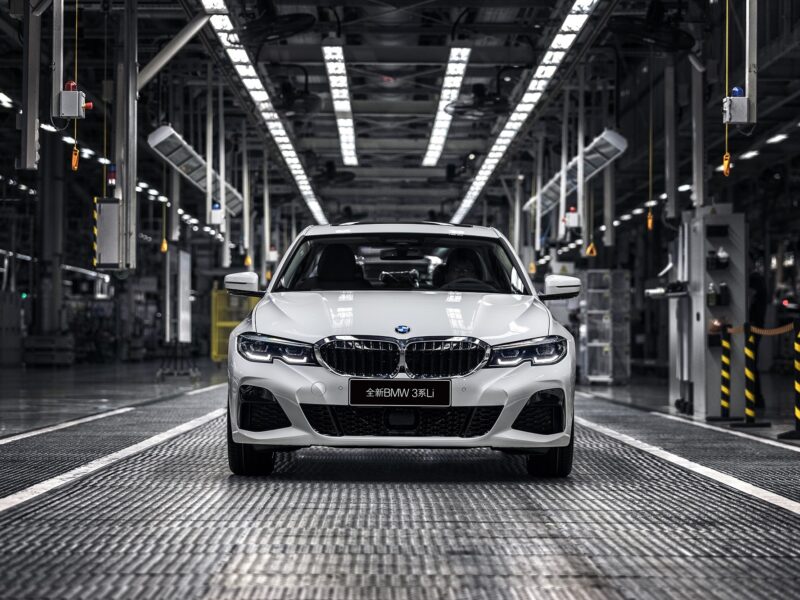
BMW 2 Series: differences between Coupé and Tourer
The BMW 2 Series comes in different body styles: sporty Coupé and Cabrio (rear-wheel drive) and the practical Active Tourer and Gran Tourer (front-wheel drive). Each type has its own points of attention.
Sporty 2 Series Coupé and Cabrio
The Coupé and Cabrio share engines and technology with the 1 Series and 3 Series, so the same oil leaks, chain problems and turbo issues occur. In addition, dampers and control arms wear out faster with sporty driving. For cabrios, check that the roof operates correctly and for any water ingress.
Active Tourer and Gran Tourer
These front-wheel-drive variants share technology with Mini and use three-cylinder and four-cylinder engines. Typical problems are oil consumption, chain wear and faults in the automatic gearbox. Faults in the starter motor and electric power steering also occur regularly. Repair of power steering quickly runs to €800 to €1,500.
Maintenance advice by type
For the sporty variants: check the oil level frequently and invest in preventive maintenance of chain and gaskets. For the Active Tourer and Gran Tourer: pay extra attention to starter motor, power steering and transmission oil. Have both types checked annually by a BMW specialist.
Read more: BMW 2 Series
BMW X6: design SUV with complex technology
The BMW X6 combines the design of a coupé with the size of an SUV. That results in specific loads and associated problems.
Tyre wear and chassis loads
The X6 has wide tyres and a low centre of gravity for an SUV, which means higher loads on suspension and tyres. Tyres wear faster and cost more than on ordinary SUVs. Budget €1,200 to €2,000 for a set of new tyres on larger wheels.
Suspension noises and air suspension issues
Just like the X5, the X6 often has air suspension. Due to the weight and sportier setup, the same problems occur: leaking air bellows, defective height sensors and fault messages. Repair per axle costs €1,000 to €2,000.
Electrical faults in driver assistance systems
The X6 features extensive electronics for comfort and safety: adaptive cruise control, lane assist, parking assistant, head-up display. All these systems rely on sensors, cameras and radar that are sensitive to faults. Repair ranges from simple calibration to complete module replacement.
Engine problems in powerful variants
The X6 with six-cylinder and eight-cylinder engines has the same oil leaks and turbo issues as other BMWs, but repairs are more expensive due to the limited space in the engine bay. Count on €700 to €1,200 for replacement of gaskets and €2,000 or more for turbo overhaul.
Read more: BMW X6
‘ That brings different problems than traditional BMWs. ’
BMW i3: electric pioneer with specific problems
The BMW i3 is a compact electric car with unique construction and technology. That brings different problems than traditional BMWs.
Battery degradation and range
The i3 uses lithium-ion batteries that lose capacity over time. After six to eight years or 100,000 kilometres, you will notice a loss of range. This is normal but affects usability. When buying, check the State of Health (SoH) of the battery using diagnostic software.
Charging problems and faults in the charging system
Faults in charging cable, charging port or charging electronics occur regularly. Symptoms include error messages when charging, slow charging or no charging at all. Diagnosis and repair require specialist knowledge and cost €300 to €1,500.
Software bugs and electronic faults
The i3 relies heavily on software for powertrain, energy management and infotainment. Software bugs sometimes lead to fault messages or systems that freeze. Updates via the dealer solve many problems, but some hardware defects require module replacement.
Drivetrain noises and wheel bearing problems
The electric drivetrain is reliable. Even so, owners sometimes report noises from the driveshaft or motor when accelerating. Wheel bearings also wear out due to the relatively high weight. Repair of wheel bearings costs €400 to €800.
Read more: BMW i3
BMW Z4: roadster with roof and engine problems
The BMW Z4 is a two-seater roadster with sporty ambitions. Due to the open construction and sporty use, specific problems occur.
Leaks and faults in the convertible roof mechanism
The Z4 with soft top or hardtop suffers from faults in the electric roof mechanism: sensors that fail, motors that stop working and seals that leak. Water ingress in the boot or interior is a recurring problem. Repair ranges from €200 for a sensor to €1,500 for replacement of motors or drains.
Water ingress and damp problems
Due to the roof construction and drains, water can get inside and cause damp problems. Look for damp patches in the boot, under the floor mats and around the roof. Check drains regularly and keep them clean.
Suspension wear from sporty driving
The Z4 is often driven sportily, which leads to faster wear of shock absorbers, control arms and anti-roll bar links. Wheel alignment also needs regular checks. Budget €800 to €1,500 for a complete suspension service.
Engine problems with shared blocks
The Z4 uses engines that are also fitted in the 3 Series and other models, with the same oil leaks, chain problems and turbo issues. When buying, pay attention to the condition of the engine and the maintenance history. A pre-purchase inspection is recommended for a Z4 as a hobby car.
Read more: BMW Z4
When does a BMW problem become expensive?
Not every problem immediately leads to high costs. Being able to judge when to intervene helps to avoid a lot of expense and frustration.
Signs of impending engine damage
Watch out for the following warning signs that indicate serious engine problems:
- Loud rattling or ticking noises when starting or accelerating: often a sign of chain wear
- Blue or black smoke from the exhaust: points to oil burning or a defective turbo
- Significantly increased oil consumption (more than 1 litre per 2,000 km): points to internal wear
- Overheating or rapid temperature rise: may indicate coolant leak or defective water pump
With these signs you must act immediately. Do not continue driving and have the car checked by a specialist. Costs quickly rise from €1,000 to €5,000 or more in the case of complete engine damage.
Recognising gearbox problems
Automatic and manual gearboxes each have their own warning signs when problems arise:
- Jerking or jolting when shifting: indicates wear or old oil
- Delayed response after engaging a gear: may point to internal wear
- Fault messages relating to transmission or limp mode: requires immediate diagnosis
Repair of transmission problems ranges from €500 for oil change and flushing to €3,000 or more for overhaul or replacement.
Assessing electrical faults
Electrical problems range from minor to very expensive. Look out for:
- Fault codes without any noticeable effect: often false alarms or software bugs, ask a specialist to check
- Systems that fail or operate erratically: indicates defective sensors or modules
- Faults that return after resetting: indicate hardware defects
Repair costs range from €100 for a sensor to €1,500 for central modules.
‘ Preventive replacement costs money but prevents much more expensive engine damage. ’
Maintenance tips to prevent problems
You can prevent most BMW problems by carrying out consistent preventive maintenance. The tips below help avoid major costs.
Frequent oil changes
Change oil every 10,000 kilometres or annually, even if the on-board computer allows for a longer interval. Always use oil approved by BMW (often Longlife-04 or higher). Good oil prevents chain wear, turbo damage and oil leaks.
Timely replacement of gaskets
Have valve cover and oil filter housing gaskets replaced preventively around 100,000 kilometres or at the first signs of oil leaks. This costs €400 to €800 but prevents leaks from escalating into high oil consumption and engine damage.
Preventive checks of chain and turbo
For models with N20, N26 or similar turbo engines, have the chain checked or replaced preventively around 80,000 to 100,000 kilometres. Check turbos for play noises and have them tested if in doubt. Preventive replacement costs money but prevents much more expensive engine damage.
Professional reading of fault codes
Always have fault codes read out by a specialist with BMW experience and professional diagnostic equipment. Many fault messages are incorrect or can be resolved with software updates. Good diagnosis saves unnecessary replacement of parts.
Why specialist BMW maintenance pays off
BMWs require knowledge of brand-specific technologies and software. A workshop also needs to know the common problems. A specialised workshop recognises signs more quickly, works more efficiently and avoids mistakes that are more common at general garages. That ultimately saves time and money.


Buying advice: how to limit risks
A considered approach to purchase and use reduces the chance of costly problems.
What to look for on a test drive
When starting and accelerating, listen for unusual noises: rattling, whistling or ticking indicate problems. Test all electronic functions: iDrive, sensors, lighting, seat and mirror adjustment. Pay attention to smooth gear changes, responsiveness of the engine and operation of assistance systems.
Essential maintenance history
Ask for full maintenance history with invoices for work carried out. Check whether oil changes have been done consistently, whether the chain has been replaced and whether known problem areas have been addressed. A gap in the history is a red flag.
Red flags that mean you should walk away immediately
Avoid a BMW if you notice:
- Missing or incomplete maintenance history
- Rattling noises from the engine when starting
- Heavy oil leaks or large oil stains under the car
- Fault messages relating to engine, transmission or safety that are not explained
- Rust on load-bearing parts
When a pre-purchase inspection is worth it
Always have a pre-purchase inspection carried out on BMWs older than six years or with more than 100,000 kilometres. Do this for more expensive models (5 Series, X5, X6) regardless of age. An inspection costs €150 to €300 but prevents you from buying a problem car.
Dealing consciously with BMW risks
BMWs offer driving pleasure and performance, but require conscious choices. Choose models with engines known to be reliable, invest in preventive maintenance and build a relationship with a specialised workshop. That way you can enjoy your BMW without constant worries.