BMW 2 Series: common problems and practical advice for owners
The BMW 2 Series combines sporty performance with everyday usability, but like every model it has its own points to watch. From engine problems to electrical faults, there are two major areas of concern. Owners regularly report technical issues that can affect the driving experience. Although the 2 Series is popular with car enthusiasts, without the right knowledge you run the risk of annoying and costly repairs.
Various models within the BMW 2 Series
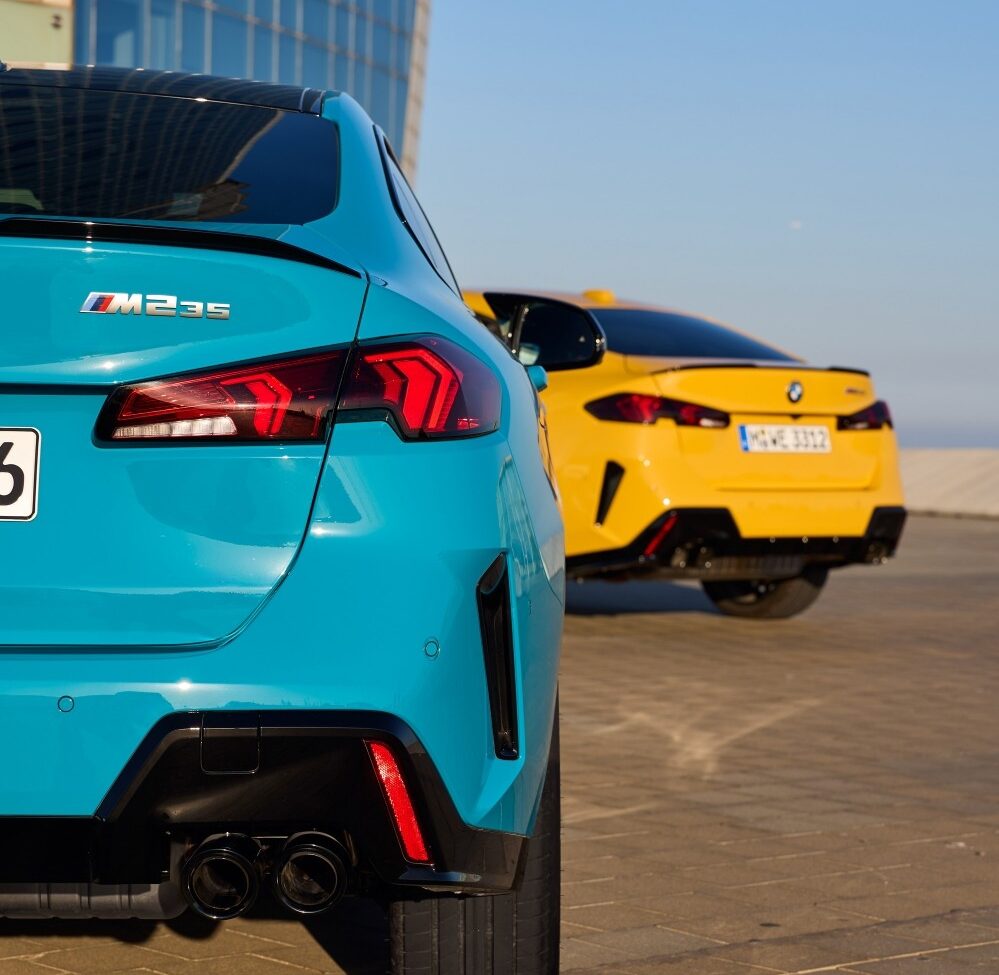
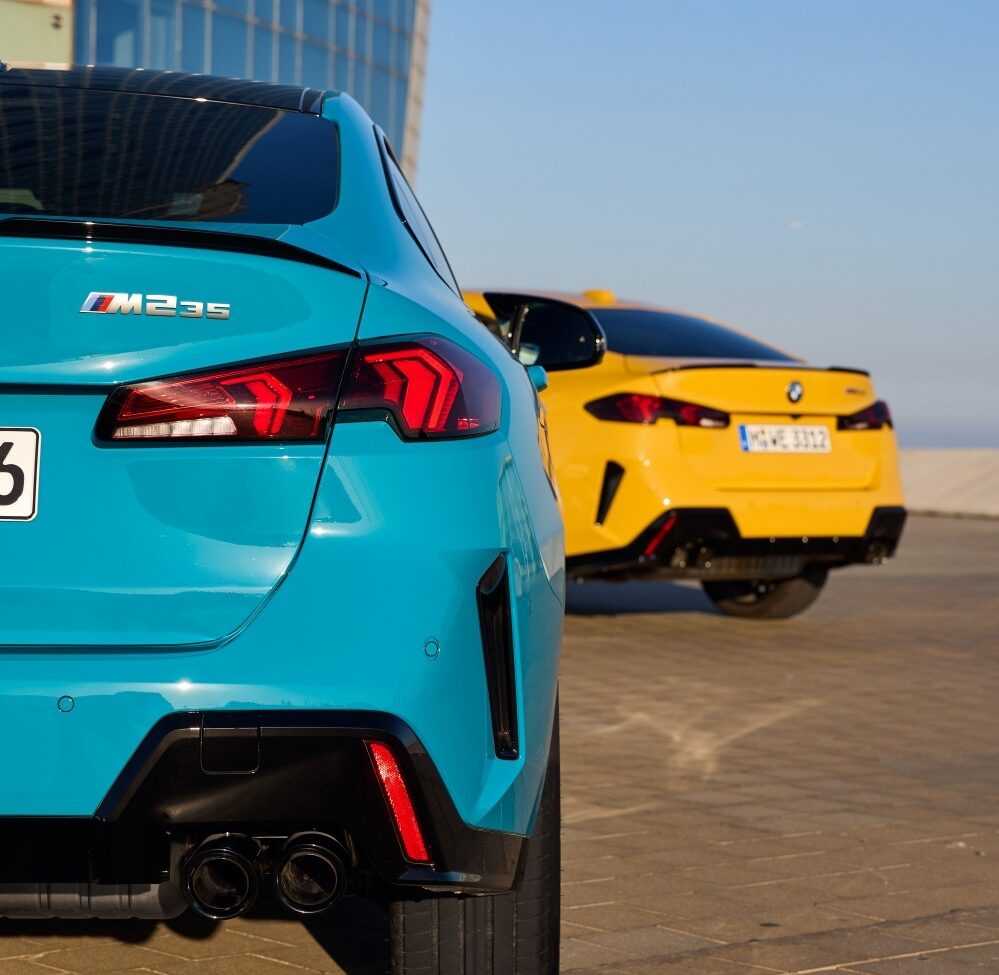
The BMW 2 Series consists of several body styles and drivetrains. The range includes coupés such as the 230i, M240i and the very powerful M2. In addition, there are Gran Coupés including the 228 and M235. You can choose between front-wheel drive, rear-wheel drive or xDrive four-wheel drive (BMW’s four-wheel drive system). The engines range from 2.0-litre four-cylinders with up to 312 hp to powerful 3.0-litre six-cylinders. These deliver 382 hp or more. The M2 CS range-topping version even produces 523 hp. This variety means that technical problems can differ per generation, model variant and drivetrain.
‘ That makes prior knowledge of typical faults important. ’
Why the BMW 2 Series is attractive for enthusiasts
The 2 Series is known for its sharp handling and compact dimensions. The model offers a balance between sportiness and practicality. This is especially true for the Gran Coupé version with five seats and 340 litres of boot space. The M240i and M2 deliver spectacular performance. They accelerate from 0 to 100 km/h in 4.1 seconds or less. Interior finish is of high quality. You get a BMW Curved Display, sports seats and M Sport details as standard. However, owners report that reliability is mixed. Car problems with BMW are common, including within the 2 Series line-up. That makes prior knowledge of typical faults important.


Common engine problems with the BMW 2 Series
The 2.0-litre four-cylinder is found in the 228 and 230i. This engine is fitted with a turbo (a turbocharger that forces extra air into the engine to deliver more power). This unit can suffer from oil consumption due to worn piston rings or valves. Symptoms are blue-grey smoke from the exhaust and a falling oil level between services. In addition, some owners report vibrations and rough idling. This is caused by contaminated intake valves. It is a known problem with direct injection without an additional intake port.
The 3.0-litre six-cylinder in the M240i and M2 is generally more reliable. Nevertheless, this engine also has its own weak spots. Coolant leaks at the thermostat or water pump occur, especially after several years of use. Turbo boost problems can arise due to faulty wastegate actuators (valves that control turbo pressure). This leads to loss of power and fault codes (error messages that the car stores in its computer system). If you ignore these signals, you risk more serious damage to the turbo or engine.
Tips for prevention
- Check the oil level regularly and top up if necessary using the correct specification
- Have the intake valves cleaned every 50,000 to 80,000 kilometres on direct injection engines
- Change coolant according to the service schedule and check regularly for leaks
- Use premium fuel (at least 98 RON) for M models to prevent knocking and damage
Transmission and drivetrain: known points to watch
The 2 Series is often supplied with an eight-speed automatic transmission. This gearbox is known for its smooth shifts. However, over time the gearbox can suffer from hesitation, jerks or delayed response under kickdown (a firm press of the accelerator pedal that makes the car quickly change down for more power). Causes are often aged transmission fluid (the special oil in the gearbox). Software issues in the transmission control unit (the computer that controls the gearbox) also occur. BMW has released software updates for some model years to resolve shift issues.
On xDrive versions, faults can occur in the transfer case or the electronic clutch. These components control the four-wheel drive. Symptoms are warning lights on the dashboard, vibrations under acceleration or unexpected deactivation of the four-wheel drive. Regular drivetrain maintenance helps to limit such problems.
What to do in case of transmission complaints
- Have the transmission fluid replaced according to factory specification, even if BMW calls it “lifetime”
- Ask a specialist garage about available software updates for the transmission
- When buying, check whether previous owners have reported issues with shifting or four-wheel drive
‘ A software update often helps, but sometimes replacement of the central unit is necessary. ’
Electronics and sensors: frequently reported faults
The BMW 2 Series is equipped with advanced electronics. These range from the iDrive infotainment system (the central control system for navigation, media and settings) to numerous driver assistance systems. Faults in the infotainment are not uncommon: the screen can freeze, Bluetooth connections can drop out or Apple CarPlay may not work properly. A software update often helps, but sometimes replacement of the central unit is necessary.
Sensors for parking assistance, cruise control and lane-keeping assistance can fail due to dirt, moisture ingress or internal electronic problems. This leads to warning messages and the failure of certain functions. Cameras can fog up or the image may become blurry, which is particularly awkward in bad weather. Owners also report problems with the keyless entry module, causing the car sometimes not to respond to the key.
Prevention and solutions
- Keep sensors and cameras clean and check regularly for damage
- Ask about available software updates for the infotainment system during services
- Have fault codes read at a garage with BMW diagnostics to pinpoint the exact problem

Chassis and suspension: wear and typical defects
The sporty character of the 2 Series places higher demands on the chassis. Adaptive M suspension (an electronically adjustable suspension system that automatically adapts ride height and damping) is standard on many versions. This suspension is firmly tuned and can feel uncomfortable on poor road surfaces. Dampers and shock absorbers wear out faster with intensive use. Driving on poor roads also increases wear. Symptoms are knocking noises over bumps, reduced stability in corners or uneven tyre wear.
Control arms (metal arms that connect the wheels to the chassis) and bushes can develop play, often after several years. This manifests itself in a waddling feeling while steering and noises when turning into bends. The steering system itself is generally reliable. However, some owners report slight vibrations in the steering wheel at higher speeds. This is often caused by unbalanced wheels or worn wheel bearings.
Maintenance tips for the chassis
- Have wheel alignment and balancing checked when replacing tyres or if you notice vibrations
- Check control arm and anti-roll bar bushes annually for cracks or play
- Replace shock absorbers if you notice poor damping or the car sagging under load
- Drive carefully on poor roads to limit premature wear
Interior and bodywork: signs of use and minor defects
The interior of the 2 Series is finished to a good standard, but is not immune to wear. The leatherette upholstery can become shiny or show cracks after a few years, especially on the driver’s seat. Buttons and switches can wear due to intensive use. The lighting in the door panels, a visually appealing detail on the M2 CS, can sometimes fail due to a loose connector or a faulty LED module.
Bodywork problems are limited, but the paint can be prone to stone chips, especially around the wheel arches and bonnet. Some owners report condensation in the rear lights or headlights in damp weather. This indicates a leaking seal. It is mainly a cosmetic problem, but in the long term it can damage electronics.
‘ Regular inspection and preventive maintenance are the best ways to avoid problems. ’
Causes of problems and how to prevent them
Many technical complaints with the 2 Series arise from insufficient or incorrect maintenance. Using the wrong oil, skipping fluid changes or ignoring warning lights leads to accelerated wear. Sporty driving, such as hard acceleration, frequent braking and high revs, increases the load on engine, transmission and chassis.
Environmental factors also play a role. Driving in urban traffic with short journeys prevents the engine from reaching operating temperature. This encourages oil dilution and soot build-up. Road salt can cause corrosion to the chassis and brake components. Regular inspection and preventive maintenance are the best ways to avoid problems.
Preventive measures
- Follow the BMW service schedule strictly and use only approved fluids and parts
- Regularly make longer trips to allow the engine to reach full operating temperature
- Rinse the chassis in winter after exposure to salt to prevent corrosion
- Respond immediately to warning lights and have faults diagnosed quickly
What to do in case of a fault or defect
Have you identified a problem? Quick diagnosis is then important. Start by reading fault codes using an OBD scanner (a device you connect to the car to read electronic faults). You can also have this done at a garage with BMW-specific equipment. Note down all symptoms, such as unusual noises, vibrations, warning lights or changes in performance. This helps the mechanic to search in a targeted way.
Find a garage that has experience with BMW models. The 2 Series has specific electronics and software. General workshops cannot always read or update these. For more complex repairs to engine, transmission or electronics, a BMW specialist is recommended. Ask about a warranty on the work carried out and preferably use original or equivalent parts.
Step-by-step plan in case of a defect
- Stop driving if the problem affects safety, such as loss of braking power or power steering
- Have fault codes read to identify the cause
- Search online for experiences of other 2 Series owners with similar symptoms
- Request quotes from several garages and compare prices and approach
Buying tips for a used BMW 2 Series
A used 2 Series can be a good purchase. However, carry out a thorough check before you buy. Always ask for the full service history. Check whether all service intervals have been followed. Watch out for signs of sporty use, such as worn tyres, damaged alloys or signs of track use. M models such as the M240i and M2 are often driven hard, which causes extra wear on engine and drivetrain.
During a test drive, check whether the engine runs smoothly, the transmission changes gear without jerks and the chassis does not make unusual noises. Test all electronics, including infotainment, climate control, lighting and driver assistance systems. Ask whether software updates have been carried out and whether there are any outstanding recalls.
Checklist for purchase
- Complete service history with stamps from approved garages
- No warning lights on the dashboard
- Even tyre wear and no play in the chassis
- Clean engine bay with no signs of leaks
- Functioning electronics and up-to-date software version
- No signs of damage or accidents in the carfax or RDW history
‘ Cheap alternatives may have a shorter lifespan or cause new problems. ’
The importance of specialist garages and parts
The BMW 2 Series requires specific knowledge and tools for maintenance and repairs. General workshops often lack access to BMW software, meaning they cannot install updates or diagnose certain faults. A specialist garage has the right equipment and experience with the specific issues of this model.
For repairs, preferably use original BMW parts or parts from reputable brands that meet the same quality standards. Cheap alternatives may have a shorter lifespan or cause new problems. For critical components such as turbos, transmissions and electronics, original parts are recommended. For wear parts such as brakes, filters and bushes, reliable alternatives are often available at a lower price.
Reliability and ownership of the BMW 2 Series
The BMW 2 Series offers impressive performance and driving pleasure, but demands attention and careful maintenance. Common problems such as oil consumption, transmission issues and electronic faults are well known and can often be prevented with proactive maintenance. If you choose a used example, check it thoroughly and request the service history.
Take the right precautions, diagnose issues in good time and have repairs carried out at a specialist garage. Then you can enjoy what the 2 Series has to offer for a long time. Stay alert to signs of wear, follow the service schedule and use quality parts. In this way you limit the risk of expensive repairs and maintain the value of your car.