
Unknown title
# BMW 3 Series: the iconic sports car with familiar teething troublesThe BMW 3 Series has guaranteed sporty driving pleasure and technical progress for fifty years. At the same time, the model has specific weak spots. These hit owners hard with substantial maintenance costs. Engines from the E90 generation in particular, as well as transmissions and electronics, require extra attention when buying and using the car. Those who know the common problem areas can act preventively. A good approach delivers years of driving pleasure, with a perfect balance between performance and everyday usability.
Why the BMW 3 Series is so popular
Since its introduction in 1975, the 3 Series has combined sporty handling with luxury and status. The model offers a wide choice of different engines (engine line-up), from economical diesels to powerful petrol engines with more than 300 bhp. Rear-wheel drive ensures direct steering response and an involving driving experience that many rivals lack. BMW also offers various body styles: saloon, estate, coupé and convertible. This versatility makes the 3 Series suitable for daily commuting as well as spirited weekend drives. The model combines practical usability, driving dynamics and a premium appearance. That explains why it has topped the sales charts for decades.
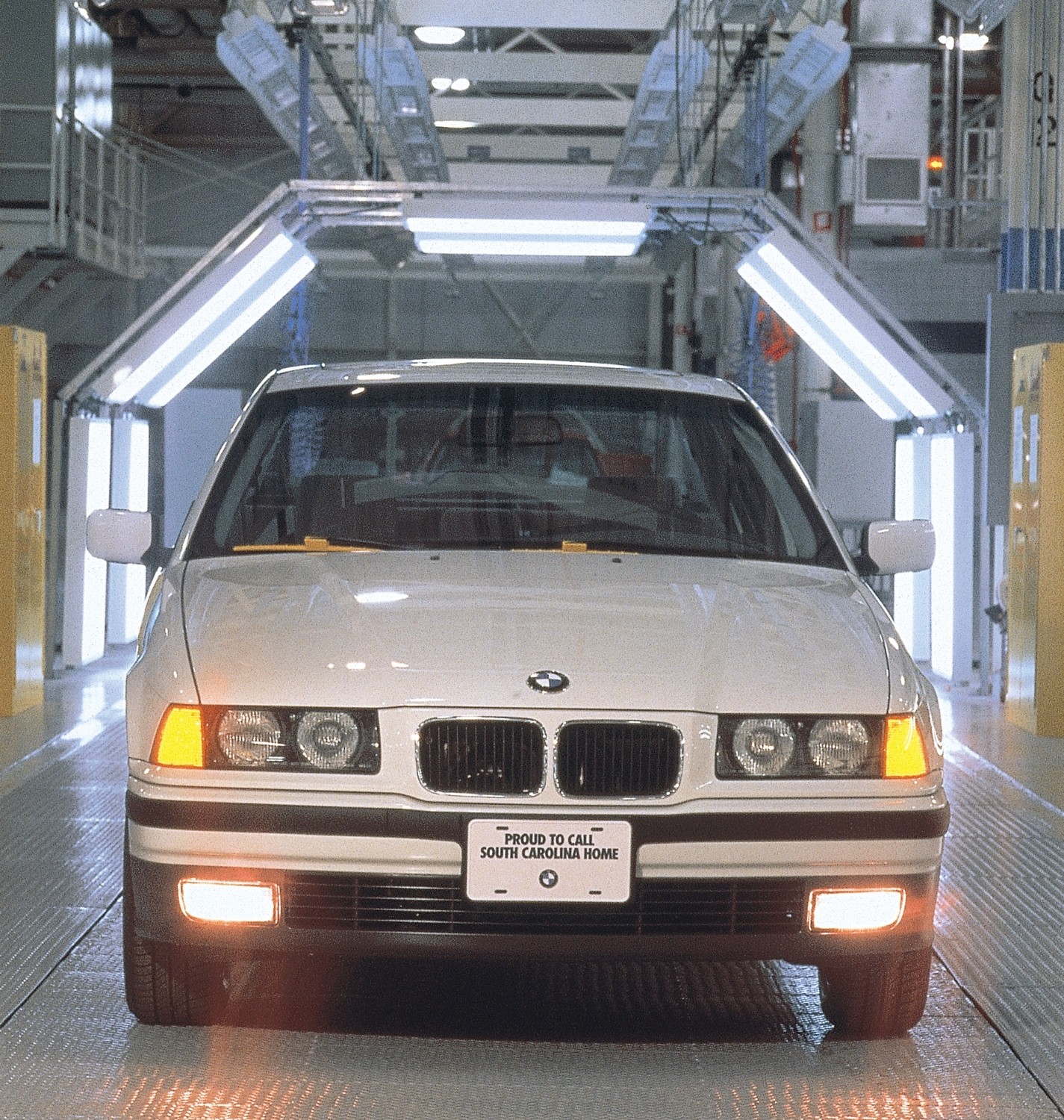
‘ The E36 (1990–2000) introduced a multi-link rear axle (a sophisticated rear suspension system) and more powerful engines. ’
Overview of the different generations
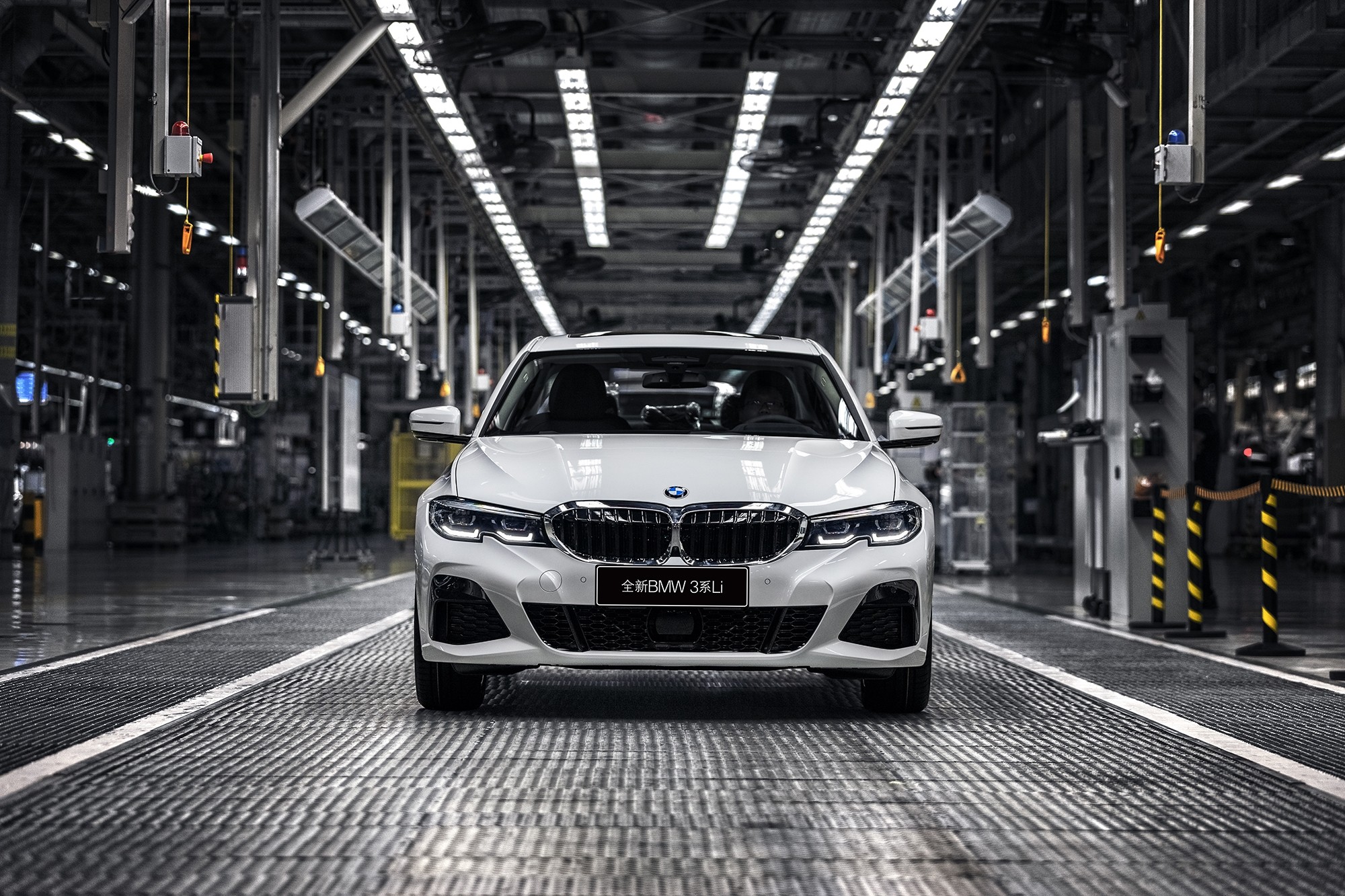
The first-generation E21 (1975–1983) laid the foundations with four-cylinder and six-cylinder engines up to 143 bhp. The E30 (1982–1994) added the iconic M3 and four-wheel drive. The E36 (1990–2000) introduced a multi-link rear axle (a sophisticated rear suspension system) and more powerful engines. The popular E46 (1998–2005) grew in size and received advanced variable valve timing (Vanos technology). The E90 generation (2005–2013) brought turbo diesels with more than 240 bhp and saw the introduction of various electronic systems. The F30 (2011–2019) became even larger and received a wide range of modern engines. The current G20 (since 2019) continues that line with refined drivetrains and extensive driver-assistance systems.


General reliability of the BMW 3 Series
The 3 Series has a mixed reputation when it comes to reliability. Older generations such as the E30 and E46 are known to be relatively robust, provided they are properly maintained. The E90 generation suffers more often from technical problems, especially with engines and electronics. Diesel models such as the 320d and 330d generally score well in terms of durability, while petrol versions with turbo technology are more prone to faults. Many owners report that regular servicing with genuine parts significantly extends service life. Car problems with BMW are no exception, but with the right approach they are manageable. The main misconception is that all 3 Series models are equally reliable. In reality this varies greatly by generation, engine type and maintenance history.
Common engine problems
The N47 diesel engine (BMW engine type) from the E90 and F30 is known for problems with the timing chain. Due to insufficient lubrication the chain stretches or breaks. This leads to costly engine damage. Symptoms include rattling noises when starting and abnormal readings in a compression test. Replacing the chain costs between 1,500 and 3,000 euros. BMW has not carried out a recall, but many owners have the chain replaced preventively at around 100,000 kilometres.
The N54 and N55 engines (BMW petrol engines) with turbo regularly suffer from faults in the high-pressure fuel pump. This pump fails. This causes starting problems, loss of power and irregular idling. Replacement costs on average 1,000 to 1,500 euros. In addition, the inlet valves on the N54 leak due to carbon build-up, which leads to reduced performance. A professional clean costs around 500 euros.
Older engines such as the M54 engine (BMW petrol engine) in the E46 struggle with defective Vanos units, the variable valve timing system. This results in poor idling, loss of power and increased fuel consumption. Replace the Vanos units only with genuine BMW parts to prevent new problems.
‘ Many owners choose to replace the SMG with a manual gearbox. ’
Known transmission and drivetrain problems
The ZF 6HP automatic gearbox (ZF six-speed automatic transmission) suffers over time from jerky shifts and hesitant gear changes. Causes are worn clutch plates or contaminated transmission fluid. A complete overhaul costs between 2,000 and 4,000 euros. Regular oil changes according to the BMW schedule prevent many problems.
The SMG transmission (sequential manual gearbox with automatic control) in older M3 models is expensive to maintain. The pump and hydraulic components need replacing after roughly 80,000 kilometres, at costs starting from 2,000 euros. Many owners choose to replace the SMG with a manual gearbox.
Drive shafts and CV joints wear at higher mileages. Knocking noises when steering or accelerating are an indication of this. Replacement per shaft costs on average 300 to 600 euros. On models with xDrive four-wheel drive, also check the differential for wear, especially above 150,000 kilometres.
Electronic faults and electrical problems
The FRM module (Footwell Module, electronic module for lighting and windows) in the E90 is susceptible to moisture damage and causes various faults: failing lights, starting problems and defective windscreen wipers. Repair or replacement costs 500 to 1,000 euros. Check whether there is water ingress at the windscreen, a common cause of FRM failures.
The multimedia system (iDrive system) sometimes shows sluggishness, freezes or complete system failure. Software updates at the dealer solve many problems, but hardware faults require replacement of the CCC or CIC unit (navigation/multimedia units) for 800 to 1,500 euros.
Sensors for various systems fail regularly. This concerns parking sensors, tyre pressure sensors and air quality sensors. Replacement costs 100 to 300 euros per sensor. Before purchase, check whether all warning lights go out after starting.
Battery problems are common with models that only do short trips. The battery gets tired and causes starting problems or electrical faults. Replace the battery every four to five years and have it registered via diagnostic software to prevent issues with energy management.
Problems with suspension and chassis
Control arms in the front suspension wear out through intensive use. Poor road surfaces accelerate this process. Symptoms are irregular tyre wear, nervous steering behaviour and knocking noises over bumps. Replacing all control arms and bushes costs between 800 and 1,500 euros. Check these components at every MOT.
Shock absorbers start leaking over time and lose their damping effect. This results in swaying movements, long rebound travel and reduced comfort. Replace shock absorbers per axle for even handling. Costs per axle are between 600 and 1,200 euros, depending on whether they are sports or adaptive versions.
Rubber components in the suspension, such as anti-roll bar bushes and control arm bushes, harden with age. They then tear. This causes rattling noises and reduced driving stability. Preventive replacement during major services prevents deterioration and higher costs.
‘ When buying a used example, a thorough inspection is essential. ’
Interior and exterior issues
The interior of older 3 Series models often shows wear on upholstery and trim. Pixel failure in the instrument cluster occurs in the E90 and is expensive to repair. The solution is to replace the display for 300 to 600 euros.
Rattles in the dashboard and centre console arise from loose clips and ageing plastics. These noises are difficult to locate and require the removal of panels. Many owners live with them or track down the source themselves and refit the parts.
Rust formation mainly affects older generations such as the E30 and E36 on wheel arches, sills and the bottom of the doors. When buying a used example, a thorough inspection is essential. Preventive treatment with cavity wax slows rust formation.
Water ingress occurs in the E90. This is due to poor sealing of the windscreen or boot lid. Water enters the footwells and damages electronics such as the FRM module. Check whether the carpet feels damp and replace the rubber seals around the windows if necessary.
Recognising symptoms and warning signs
Unusual noises are often the first sign of problems. Rattling noises when starting point to timing chain problems. Knocking noises when steering indicate worn drive shafts or control arms. Squealing noises when braking point to worn brake pads or discs.
Warning lights on the dashboard always demand attention. An illuminated engine warning light has various causes. These range from a loose fuel cap to serious engine problems. Have fault codes read with an OBD scanner at the garage. Do not continue driving if the oil pressure or temperature warning light is on.
Abnormal driving behaviour often signals problems. This usually concerns the suspension, steering system or drivetrain. Vibrations at high speed indicate wheel imbalance or worn bearings. Jerky gear changes point to transmission problems. Loss of power is often caused by turbo failures, clogged filters or defective sensors.
When starting, pay attention to the engine response. Long cranking times or several attempts point to problems. These concern the starter motor, battery, high-pressure pump or ignition coils. Blue smoke from the exhaust indicates oil burning, white smoke indicates coolant leakage.
Prevention is better than cure: maintenance tips
Follow the BMW service schedule strictly. Use only genuine parts or high-quality alternatives from well-known brands. Replace engine oil and filters according to the prescribed intervals, usually every 15,000 to 25,000 kilometres. Diesel engines require more frequent oil changes because of carbon build-up in the combustion chamber and exhaust system.
Regularly check fluid levels: engine oil, coolant, brake fluid and windscreen washer fluid. Top up if necessary and watch for unexpected drops, which may indicate leaks. Have coolant replaced every two years to prevent corrosion and overheating.
Inspect suspension components at every service. Check rubber parts for wear, cracks or leaks. Do the same for control arms and shock absorbers. Early replacement prevents damage to other components and expensive repairs.
Ensure timely replacement of the timing chain on N47 engines. This is necessary at around 100,000 kilometres. Do not wait until symptoms appear; preventive replacement is much cheaper than repairs after chain failure.
Keep the battery in good condition by regularly doing longer trips. Short journeys do not sufficiently charge the battery and shorten its lifespan. Use a trickle charger if the car is parked up for an extended period.
‘ The cost of 100 to 200 euros prevents thousands of euros in nasty surprises. ’
Buying tips for a used BMW 3 Series
Always ask for the complete service book. Check whether all services have been carried out. Look for stamps from authorised BMW dealers or reputable garages. Missing service history is a red flag and a reason to walk away from the purchase.
Check the mileage. Compare it with the service history. Suspiciously low mileage for the year of manufacture points to odometer fraud. Use online databases such as the RDW or commercial mileage registers to trace previously recorded readings.
Inspect the engine for leaks. Check the underside for oil traces and check the coolant reservoir for correct level and colour. Brown or rusty coolant indicates overdue maintenance. Start the engine cold and pay attention to cranking time, noises and smoke.
Test all electrical systems during the test drive: lights, windscreen wipers, heating, air conditioning and all switches. Also test the multimedia system (iDrive system). Faults in the electronics are expensive and quite common.
Do a varied test drive. Include a stretch of motorway, twisty roads and bumpy surfaces. Pay attention to gear changes, engine power, steering behaviour and noises. Perform an emergency stop to test the brakes for stopping power and straight-line braking.
If you are seriously interested, have an independent pre-purchase inspection carried out. A specialist garage or inspection body will detect hidden defects that you might miss. The cost of 100 to 200 euros prevents thousands of euros in nasty surprises.
Costs and considerations for repairs
Repairs to the BMW 3 Series can be very expensive due to high parts prices and complex technology. Genuine BMW parts are more expensive than aftermarket alternatives, but offer better fit and warranty. For critical components such as Vanos units and turbochargers, genuine parts are recommended.
Labour rates at an official BMW dealer are between 120 and 180 euros per hour. Independent specialist garages charge 80 to 120 euros. General garages are cheaper but sometimes lack specific BMW knowledge and diagnostic equipment.
Some repairs can be done yourself with basic tools and online guides. Think of replacing air filters, spark plugs, brake pads and the battery. For more complex work on the engine, transmission or electronics, professional help is essential.
For major repairs, weigh the costs against the value of the car. A 5,000-euro engine rebuild on a car worth 4,000 euros does not make financial sense. In that case, consider selling and buying a better example.
The balance between driving pleasure and maintenance
The BMW 3 Series offers sporty driving pleasure in a practical package. The model requires more maintenance and attention than Japanese or some other German rivals. Common problems with engines, transmission and electronics call for preventive action. Keep financial headroom for repairs. Deliberately choose a well-maintained example with a complete service history. Careful ownership and knowledge of the weak spots make the difference between a carefree driving experience and costly surprises.