
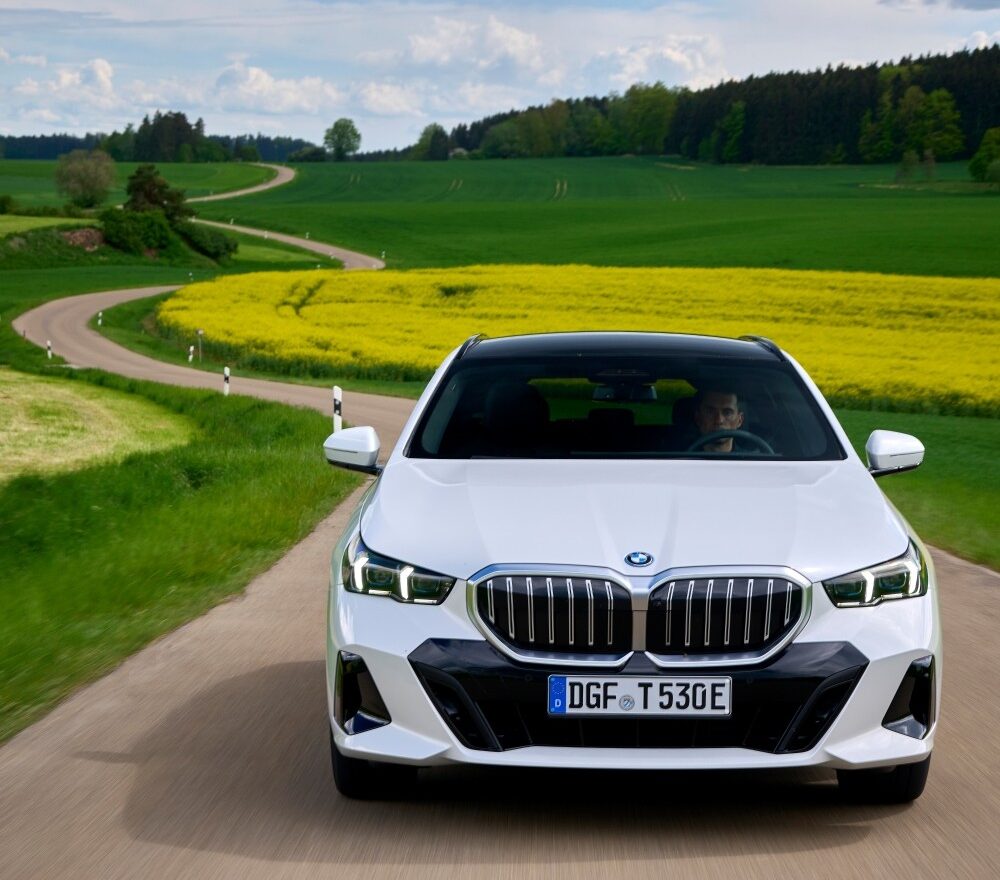
BMW 5 Series: reliable business car with known points to watch
The BMW 5 Series combines driving comfort, performance and a professional appearance. Like every car, this model has specific points to watch. These depend on the generation and the maintenance it has received. Anyone considering buying a 5 Series would be wise to know these known weak spots. It is important to understand what you need to look out for. This article gives you clear insight into the most common problems, from engine and transmission to electronics and suspension. That way you can make a well-considered choice.
From E28 to G30: the generations of the 5 Series
Since its introduction in 1972, BMW has released seven generations of the 5 Series. The most popular models in the Netherlands are the E39 (1995–2003), E60 (2003–2010), F10 (2010–2017) and the current G30 (from 2017 onwards). Each generation brought improvements in technology, safety and comfort. At the same time, the complexity of electronics and software increased. The older generations, such as the E39, are known for being relatively simple and solid. Later models, such as the F10 and G30, are more dependent on advanced electronics and software systems.
The engine range runs from economical four-cylinder diesels to powerful six- and eight-cylinder petrol engines. The popular 520d and 525d are often driven by business users because of their combination of performance and fuel consumption. Known problems with BMWs show that these high-mileage models in particular also require regular maintenance.
‘ Business drivers who have the car maintained according to the BMW schedule generally experience fewer problems than private owners who postpone maintenance. ’
Reputation and reliability over the years
The BMW 5 Series is generally known as a solid car that can handle high mileages if properly maintained. Many examples run trouble-free well beyond 300,000 kilometres. Reliability is closely linked to the maintenance history. The way the car is used also plays a major role. Business drivers who have the car maintained in line with the BMW schedule usually experience fewer problems than private owners who defer maintenance.
Some generations have a better reputation than others. The E39 is often seen as the most robust and low-maintenance generation. The E60 and F10 feature more complex technology and therefore more potential sources of faults. Reliability decreases as the car gets older and the mileage increases. This is a logical consequence of wear to components.
Timing chain, oil consumption and turbo problems
Common engine problems in the 5 Series are related to the timing chain. This applies mainly to older petrol and diesel engines. The M57 diesel engine is found in models built before 2010. This engine can suffer from chain stretch. This is noticeable as a rattling noise when starting. Replacement is necessary to prevent costly engine damage.
Oil consumption is a known issue with various petrol engines. This applies particularly to the N52 and N62 engines. These can consume relatively large amounts of oil, sometimes up to a litre per 1,000 kilometres. Check the oil level regularly and top up in good time. Some owners report that this consumption increases at higher mileages.
Turbo problems occur on diesel engines. This mainly happens with cars that are mainly used for short urban journeys. Clogged diesel particulate filters and EGR valves can cause loss of power. They also often lead to fault messages. Have the turbo and intake system checked and cleaned preventively.
Typical symptoms of engine problems:
- Rattling noise on cold start: indicates problems with the timing chain.
- Bluish-grey smoke from the exhaust: points to excessive oil consumption.
- Loss of power and rough running: can be caused by turbo or EGR problems.
- Illuminated engine warning light: often related to faulty sensors.
Automatic gearbox and drivetrain faults
Most BMW 5 Series are fitted with an automatic transmission. The ZF 6HP and 8HP automatics are generally reliable. However, if maintenance is insufficient, problems can arise. Worn transmission fluid leads to hesitation when shifting. This is particularly noticeable on a cold start. BMW officially calls the oil “lifetime fill”, but in practice changing it after 80,000 to 100,000 kilometres proves sensible.
The propshaft and universal joints can show signs of wear over time. This problem occurs more frequently on rear-wheel-drive cars. Cars with higher engine output are also more prone to it. It manifests itself as vibrations or knocking noises during acceleration. Replace these components in good time to prevent damage to the differential.
The manual gearbox is less common, but has few known issues. However, the clutch may need replacing after around 150,000 kilometres, depending on driving style and use.
‘ Replacement is expensive, especially when it concerns complete LED modules that cannot be replaced separately. ’
iDrive, sensors and lighting faults
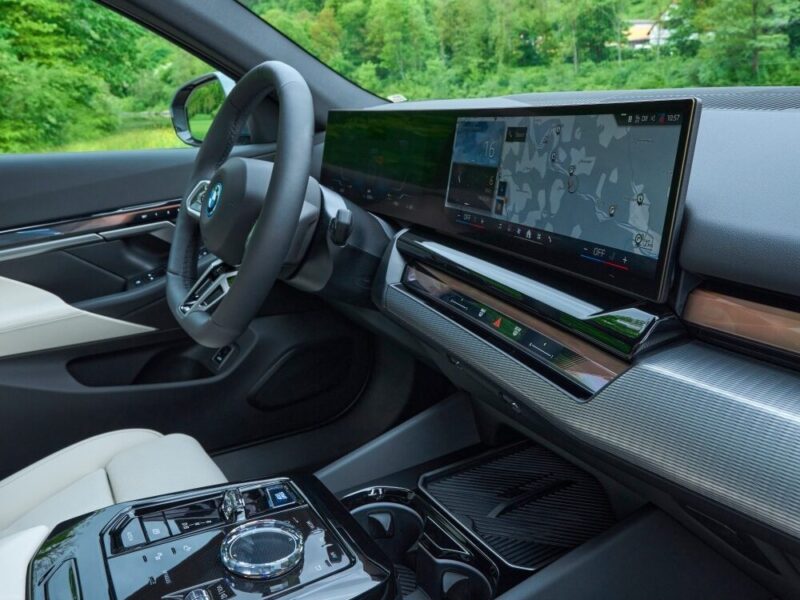
The complex electronics of the 5 Series are a well-known weak point. The iDrive system can develop software problems, causing functions such as navigation, radio or climate control to stop working properly. Sometimes a software update at the BMW dealer helps. In other cases, modules need to be replaced.
Sensors are a common source of faults. Parking sensors can trigger false alarms due to dirt or moisture. The rain sensor and light sensor sometimes fail spontaneously. The lambda sensor can also fail. This results in higher fuel consumption and an illuminated engine warning light.
Lighting problems occur regularly on models with xenon or LED headlights. The ballasts can fail, causing a headlight to stop working. Replacement is costly, especially when it concerns complete LED modules that cannot be replaced separately.
Common electronic complaints:
- Black screen or freezing of iDrive
- Error messages from parking sensors without an obvious cause
- Failure of headlight units
- Non-functioning air conditioning controls

Control arm bushes, top mounts and power steering
The chassis of the BMW 5 Series is sturdily built. However, the bushes in the control arms wear over time. This is normal on cars with higher mileages. It results in less precise handling. You may also hear knocking noises when driving over uneven surfaces. Replace the control arms or have the bushes pressed in, depending on condition and cost.
Top mounts can rattle or creak. This happens mainly at the front. It is a common occurrence on cars from around seven to ten years old. The repair itself is not extremely expensive, but it does need to be carried out in good time. That way you prevent further wear to the shock absorbers and springs.
The electric power steering generally works well. However, some models can develop faults. This shows up as a car that steers more heavily. Warning messages can also appear on the dashboard. Check whether software updates are available before having the power steering module replaced.
Brake discs, pads and ABS module
The brakes on the BMW 5 Series are generally of good quality, but they do experience normal wear. The front brakes wear more quickly than the rear brakes, which is typical for rear-wheel-drive cars. Replace brake pads and discs in good time to prevent damage to the callipers.
Some owners report juddering under braking or vibrations in the steering wheel during braking. This usually indicates unevenly worn or warped brake discs. Have them checked and replaced if necessary.
The anti-lock braking system (ABS) and dynamic stability control system (DSC) can suffer faults. This is most common on older models. A defective ABS sensor or module results in warning lights on the dashboard. These faults need to be rectified quickly, as they affect safety.
‘ Leather seats can tear or discolour if they are not properly cared for. ’
Interior wear and rust-prone areas
The interior of the BMW 5 Series is generally solid. Even so, there are some parts that are prone to wear. The centre console and iDrive panel can become shiny after long-term use. Small scratches can also appear. The seat upholstery is usually durable, but leather seats can tear or discolour if they are not properly maintained.
Door handles and window regulators sometimes cause problems. The chrome door handles in particular can feel loose or break on older models. Window regulators can stutter or seize up. This points to a defective motor or guide.
Rust is rare on the BMW 5 Series. However, it does occur in specific places. Pay particular attention to the bottom edges of the doors, the wheel arches and the rear of the front wings. Check these areas thoroughly when buying a used car, especially on cars older than ten years.
Preventive maintenance extends service life
Preventive maintenance is the key to reliable mileage in a BMW 5 Series. Stick to the recommended maintenance schedule and have the car serviced preferably by a BMW specialist who knows the typical points to watch.
Replace engine oil and filters according to schedule, preferably annually or every 15,000 kilometres. The on-board service indicator sometimes specifies longer intervals, but more frequent servicing prolongs the life of the engine. With diesel engines, pay extra attention to the diesel particulate filter and EGR valve.
Check the coolant level, brake fluid and power steering fluid regularly. Small leaks can quickly get worse and lead to costly damage. Replace the timing chain preventively if it has covered more than 150,000 kilometres or shows signs of wear.
Maintenance tips for a longer service life:
- Follow the maintenance schedule strictly and record all work carried out
- Have the car inspected annually by a specialist
- Replace worn parts in good time to prevent problems from getting worse
- Use genuine or high-quality replacement parts
- Warm up the engine before using full throttle
What do common repairs cost?
The cost of repairs on a BMW 5 Series varies widely. The price depends on several factors, such as the type of fault and the generation of the car. The choice between a BMW dealer and an independent specialist also plays a role. For a timing chain replacement, expect costs between €1,500 and €2,500, depending on the engine type.
Replacing a turbo quickly costs between €1,200 and €2,000 including labour. Replacing the control arms on the front axle is between €400 and €800, depending on how many arms need replacing. Replacing top mounts costs around €300 to €500 per axle.
Electronic repairs are often more expensive because of the costly modules. An iDrive unit can cost between €800 and €1,500, while a xenon ballast costs around €300 to €600 each. Replacing the front brakes usually costs between €300 and €600, depending on the quality of the parts.
These amounts are indicative. Always request several quotes and compare dealer prices with those of independent specialists.
‘ A complete service history is the most important indicator of reliability. ’
What to check when buying a used 5 Series
A thorough inspection prevents costly surprises after purchase. Always ask for the complete service book and check whether all services have been carried out. A complete service history is the most important indicator of reliability.
Start the engine from cold and listen for rattling noises that may indicate timing chain wear. Check that the engine runs smoothly and does not produce bluish-grey smoke. Test all electronic functions, including iDrive, lighting, sensors and climate control.
Take a test drive and pay attention to the shifting behaviour of the automatic gearbox, vibrations in the steering and unusual noises from the suspension. Check the condition of the brakes by braking firmly and feeling for vibrations or judder. Inspect the underside of the car for oil leaks, rust and damaged components.
Checklist for a pre-purchase inspection:
- Complete and well-documented service history
- Cold engine start without rattling noises
- No abnormal smoke from the exhaust
- All electronics working correctly
- Smooth-shifting automatic gearbox without hesitation
- Chassis free from leaks, rust or damage
- Tyres with sufficient tread and even wear
The BMW 5 Series: reliable with correct maintenance
The BMW 5 Series is a versatile car that appeals both to business users and to private drivers looking for a comfortable and sporty car. The car has specific points to watch that depend on the generation, engine type and maintenance history. Problems with the timing chain, electronics and suspension bushes occur regularly, but are manageable with preventive maintenance and timely repairs.
When buying, choose an example with a full and well-documented service history. Have the car thoroughly inspected and be extra alert to the known weak spots. With the right care and attention, the BMW 5 Series delivers years of driving pleasure and remains a reliable choice in the business segment.