
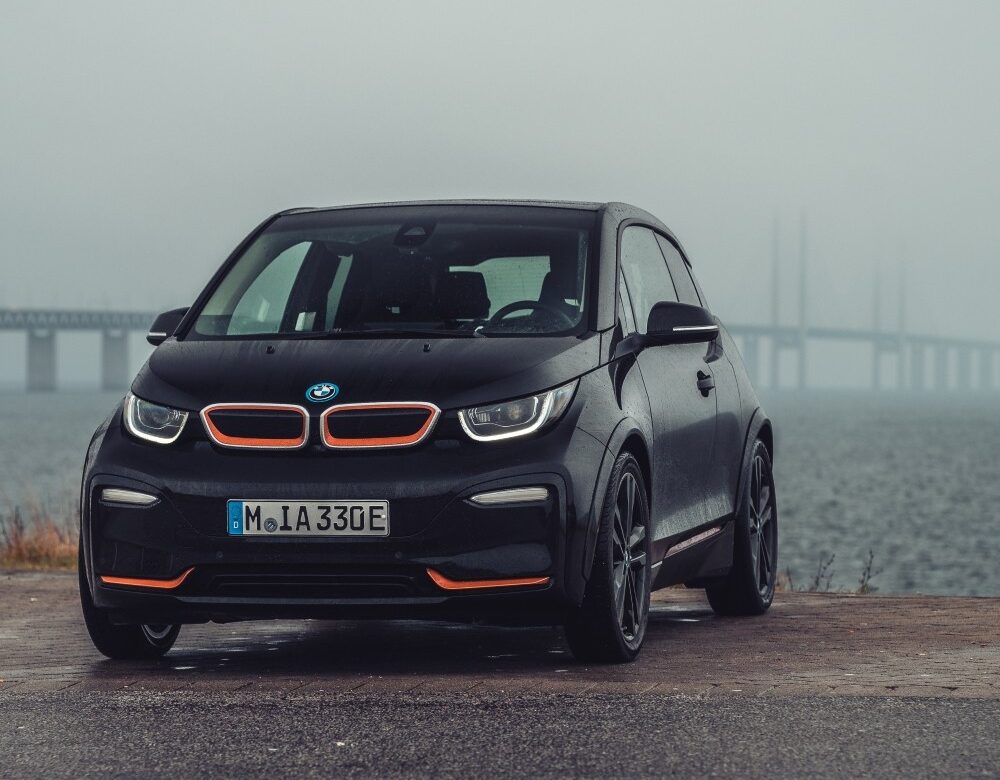
BMW i3: these problems occur with the electric BMW
Since 2013 the BMW i3 has been a pioneer in electric driving, with a carbon-fibre body and agile city-focused character. This electric model also has its own specific weak points. Think of software failures, charging issues and expensive repairs due to the unique CFRP chassis (Carbon-Fiber Reinforced Plastic, in other words carbon-fibre reinforced plastic). Owners of a used i3 would be wise to inform themselves properly about the most common problems and maintenance needs. Do you know what to look out for with this innovative electric car?
BMW launched the i3 on the market in 2013. The car was designed as a radically different electric vehicle. The chassis is for the most part made from carbon-fibre reinforced plastic, abbreviated to CFRP. This material is 30 per cent lighter than steel. As a result the weight of the i3 lies between 1,280 and 1,320 kilograms. The low weight is combined with an electric motor on the rear axle. In town this gives the i3 a playful character.
The design immediately stands out. The wing doors and the rear doors that open in the opposite direction make getting in and out easy in narrow parking spaces. The interior uses sustainable materials such as kenaf plant fibres. These choices make the car recognisable. At the same time they pose a challenge for repairs and maintenance. CFRP requires specialist knowledge and tools when damage occurs. That pushes up the costs.
Owners generally report good experiences with the i3. Reliability after 100,000 kilometres is above 95 per cent. This emerges from user forums. The electric drivetrain has fewer moving parts than a conventional combustion engine. The drivetrain is therefore less susceptible to wear. This results in relatively low maintenance costs.
Even so, there are signs of specific problems. Complaints regularly crop up, particularly in the area of electronics and software. The charging system also requires attention. Anyone looking for more context on car problems at BMW should know: electric models have a different type of weak spots. These differ from traditional models with combustion engines.
The electric motor itself is generally reliable. It requires little maintenance. There are reports of motor failures in older i3 models. This does not happen often. When it does, the costs are high. Replacing an electric motor quickly runs into the thousands of euros.
The driving range is a point to watch. The i3 with the 120 Ah battery (a technical capacity rating) achieves, according to WLTP (the Worldwide Harmonised Light Vehicles Test Procedure, i.e. the European test method), between 285 and 310 kilometres. In practice this is lower. Combined use delivers around 200 to 250 kilometres. In winter consumption can rise by 10 to 15 per cent, despite the standard heat pump. Are you considering an older model with a 60 Ah or 94 Ah battery? Then count on a range of 160 to 200 kilometres.
Battery degradation is a well-known phenomenon with electric cars. The i3 usually has an 8-year or 160,000 kilometre warranty on the battery. After this period, capacity can gradually decline. A shorter range is the result. With a second-hand i3, always check the battery status and ask about the remaining capacity.
The i3’s charging system has various weak points. Over time the charging port can fail. Weather influences and frequent use are the causes. Moisture and corrosion cause contact problems. The car then no longer charges. This problem occurs regularly in models that are often parked outside.
The onboard charger can also develop faults. The car does not recognise the charging cable. The charging process is interrupted. These are two well-known symptoms. Replacing the onboard charger costs between 1,000 and 2,000 euros, depending on the type and repair method.
Charging cables are prone to wear. The connectors on both ends in particular can be damaged. Careless use is one cause. Frequent exposure to rain and dirt is another. Regularly check the cable for cracks and poor contact.
- Clean the charging port a few times a year with a dry cloth
- Store the charging cable in a dry, dirt-free place
- Do charging faults occur? Then have the onboard charger checked by a BMW specialist
- Use an 11 kW wallbox for optimal efficiency and faster charging
The i3 REx (Range Extender, a version with a small auxiliary engine) has a 647 cc petrol engine. This small petrol engine can extend the range to more than 330 kilometres. This engine works as a generator. It charges the battery. The concept sounds attractive. It brings extra complexity with it. Potential problems are added to the list.
The petrol engine requires regular maintenance. Oil changes, filters and spark plugs must be replaced according to schedule. Do you rarely use the REx? Then you run the risk of fuel going stale. Old fuel can cause blockages. Blockages can occur in the fuel system. Therefore always refuel to at least a quarter of a tank when you use the extender.
In some REx models there have been reports of starting problems with the engine. The extender’s battery can be the cause. Spark plugs can be defective. A faulty starter motor is a third possible cause. If in doubt, have these components checked by a specialist workshop. Repair costs for the extender are higher than for regular maintenance. BMW specialists are required. Genuine parts are necessary.
The i3’s suspension is generally solid. It does have a few common wear items. Shock absorbers can be worn out after 80,000 to 100,000 kilometres. Heavy use on poor roads accelerates wear. The car feels more loosely damped. Vibrations increase. Braking distances become longer. These are three symptoms of worn shock absorbers.
Ball joints and control arms are sensitive to wear. When driving over bumps you hear rattling noises. Steering feel deteriorates. Having these parts checked during the MOT or a service is advisable.
Tyres on the i3 wear faster than on some other cars. The high torque from standstill is one cause. The relatively high weight is a second cause. Choose tyres with lower rolling resistance to limit consumption and optimise range. Check tyre pressures regularly, as this has a direct impact on energy consumption.
The electronics in the i3 are advanced. They are not always reliable. The iDrive infotainment system can freeze. The system reacts slowly. Sometimes a reset helps. In other cases a software update at the dealer is required. These updates are usually free of charge if the car is still under warranty.
Navigation and ConnectedDrive do not always function correctly. Owners report problems with smartphone connectivity. The smartphone is not recognised. Online services drop out. Check whether the software is up to date. Do problems persist? Then contact a BMW dealer.
Sensors for parking assistance and cameras can malfunction. The parking sensors are located in the bumpers. They are sensitive to dirt and moisture. Clean them regularly. This helps prevent false alerts. Sensors can fail. Replacement or calibration is then necessary. This costs a few hundred euros.
Other electronic faults involve the dashboard, lighting and climate control. Some owners see warning lights come on. The reason is not immediately clear. Always have warning lights read out with a diagnostic computer. This is how the exact cause is identified.
The i3’s CFRP chassis is light and stiff. This material brings challenges when damage occurs. Carbon fibre is not easy to repair. Steel and aluminium are different. Those materials are easier to repair. Specialist companies with knowledge of composite materials are needed. The costs are considerably higher.
Minor scratches and dents can often still be repaired. In the case of structural damage to the chassis, replacement of entire panels may be necessary. Insurers sometimes charge higher premiums for the i3. The complexity of the material is the reason. Check your insurance terms and conditions. Explicitly ask about cover for CFRP repairs.
Rust is not an issue with CFRP. Moisture can penetrate seams and joints. In the long term this can cause problems. Structural integrity can be compromised. When buying second-hand, check the condition of the bodywork and any moisture damage.
Preventive maintenance saves money. It extends the lifespan of your i3. Have the car checked annually by a BMW specialist. The service interval can be longer. Checks prevent small problems from growing into major repairs.
The battery requires specific attention. Do you drive short distances every day? Then do not constantly charge the battery to 100 per cent. Keep the state of charge between 20 and 80 per cent. This keeps the lifespan optimal. Use the preconditioning function via the app. Preconditioning means pre-heating or pre-cooling. The battery is brought up to temperature before departure. The same applies to fast charging.
The brakes wear slowly thanks to the regenerative system. Still, check them regularly. Brakes that are hardly used can corrode. Braking performance then declines. Occasionally brake firmly to keep the discs clean.
- At every service, have the battery checked for remaining capacity
- Clean the charging port and check the cable for wear
- Update the software regularly for optimum operation of infotainment and safety systems
- Check the tyres for wear and pressure every month
- Ideally keep the i3 under cover to limit moisture and weather influences
Are you considering a used i3? Then pay attention to various points. First of all, ask about the service history. Which services have been carried out? Which repairs have been done? A complete overview provides insight into the condition of the car.
Check the battery capacity. A BMW dealer can do this via a diagnostic computer. A specialist workshop can also do this. Remaining capacity below 80 per cent means: the range has noticeably decreased. This can affect both price and practicality.
Inspect the bodywork for damage. Pay attention to the front and rear bumpers. Also check the sills and wheel-arch trims. Damage to CFRP is expensive. Repairs cost a lot. Ask about any past repairs and check whether they were carried out by a specialist.
Test the charging system thoroughly. Try charging the car using a standard household socket. Also test a fast charger. Check whether the charging process runs without interruptions. Do the charging times match the specifications?
Take the car for a test drive. Pay attention to driving behaviour. Do you hear any noises? Do the electronic systems work? Check the infotainment. Test the navigation. Try the parking sensors. Check the lights.
- Ask about the remaining battery warranty. This is usually 8 years or 160,000 kilometres
- Have all software updates been carried out? Check this
- Ask whether the car has a CCS adapter for modern fast chargers
- Inspect the condition of the original charging cable
- Check whether the REx version has been used and serviced regularly
The BMW i3 was produced between 2013 and 2022. The model is still an interesting choice in the used-car segment. The model offers agile city character. The finish is high-quality. The CFRP chassis is an innovative technology. For anyone looking for a compact electric car with character, the i3 is worth considering.
Even so, the model does require specific attention. The range is more limited than with modern electric cars. The charging speed is capped at a maximum of 50 kW. Long journeys without intermediate charging are less suitable. For city use the car is perfectly adequate. It also works well for commuting. Stay within a radius of 100 kilometres.
Maintenance costs are manageable thanks to the electric drivetrain. Repairs to electronics and bodywork can be very expensive. Ideally choose a model with the 120 Ah battery. That offers the best balance between range and price. Do you want to drive purely electric? Then avoid the REx. The extra complexity of a petrol engine is not necessary in that case.
The used market offers i3 models from around 15,000 to 25,000 euros. The year of manufacture plays a role. The mileage is also decisive. The specification makes a difference. This makes the car accessible. Anyone considering switching to electric driving does not have to pay the highest new-car price. Pay close attention to the condition of the battery. Check the service history. This helps avoid disappointment.