
Common problems with the BMW X5
The BMW X5 is a popular luxury SUV (sports utility vehicle). This car stands for comfort, performance and refinement. At the same time, the model has specific technical weaknesses that every owner or buyer should be aware of. Engine problems, transmission failures and electronic issues occur regularly, especially in older generations. This article helps you recognise, prevent and tackle the most common technical faults in good time.
The different generations and their specific weaknesses
The BMW X5 has been produced in four generations since 1999. Each generation has its own characteristics and typical problem areas.
The first generation is the E53, built from 1999 to 2006. This model is known for being prone to rust and electrical faults.
The second generation E70 was produced from 2006 to 2013. It often suffers from turbo and transmission problems.
The third generation F15 ran from 2013 to 2018. Owners of this model frequently experience issues with the air suspension and complex electronics.
The newest generation is the G05, produced from 2018 onwards. This model has fewer teething problems, although owners do sometimes report software failures and sensor issues.
Do you want a complete overview of problems with BMW models? There you will find detailed information about common complaints by model type and year of manufacture.
Each model therefore has its own specific points of attention. Always check the year of manufacture and generation before you look more closely at possible technical weaknesses.
‘ Picking up small warning signs early will save you expensive repairs. ’
Warning signs you should never ignore
Certain symptoms point to emerging problems with the X5. A warning light on the dashboard that regularly comes on is one such sign. Strange noises while driving or reduced throttle response from the engine should be taken seriously. Fluid under the car may indicate a fault. Juddering or harsh gear changes can point to underlying issues. Also pay attention to heavier power steering.
Preventive maintenance reduces the risk of major damage. Have the car checked annually at an approved garage. Follow BMW’s maintenance schedule. Regularly check the oil level, coolant and brake fluid. Picking up small warning signs early will save you expensive repairs.


Engine problems: from turbos to oil leaks
The X5 is powered by various engines, including the renowned N-series six-cylinders and several V8 variants. The N-series covers several internal BMW engine types. The best known are the N52, N54 and N55. These engines are generally high quality, but they also have vulnerabilities.
On the N54, the turbocharger is a well-known weak point. A turbocharger is a component that uses exhaust gases to force extra air into the engine to increase power. This engine has two turbos, which can eventually seize. The wastegate diaphragms can wear out – these are valves that regulate the turbo pressure. This leads to loss of power, and you may hear a whistling noise when accelerating.
Oil leaks are common on older X5 models. The rocker cover gasket can start leaking. The sump gasket and oil drain plug are also prone to problems. When buying a used car, always check the underside of the engine for oil stains.
The N63 V8 is a specific BMW V8 engine code. It is notorious for high oil consumption and carbon build-up on the valves. Carbon build-up means combustion residues deposit on the valves and clog them. Frequent short trips make this problem worse.
Cooling system issues are also very common. The water pump can fail. Hoses and the thermostat are also sensitive, particularly after 100,000 kilometres. If you do not address this in time, the engine can overheat. Make sure you check the coolant and replace it according to BMW’s guidelines.
Transmission problems: jerks and delayed shifts
Most X5 models are fitted with a ZF eight-speed automatic gearbox. ZF is the manufacturer of this automatic transmission. The gearbox has a reputation for being reliable, but it is not infallible. Owners sometimes report jolts when changing gear, as well as delayed responses or a slipping clutch. This may indicate worn transmission oil. A faulty mechatronics unit – the electronic control system that manages the gears in the automatic gearbox – is another possibility. Worn clutch plates can also be the cause.
The transmission oil needs to be changed regularly. BMW sometimes describes it as “lifetime” oil, but in practice it still needs replacing. Have the oil and filter changed every 60,000 to 80,000 kilometres. This extends the life of the gearbox and helps prevent expensive repairs. A completely failed transmission can easily cost more than €5,000.
If you hear a droning noise while driving, the transfer case may have excessive play. The transfer case is the intermediate gearbox that distributes engine power between the front and rear axles. The differential can also develop play – this component splits the drive between the two wheels on one axle and allows speed differences between those wheels. This occurs mainly on X5 models with high mileage or heavy use. Have this checked immediately to avoid further damage.
‘ This complexity also brings vulnerability. ’
Electronics and sensors: complexity has a downside
The BMW X5 is packed with electronics. The iDrive system is BMW’s multimedia and operating system. In addition, the car has parking sensors, cameras and driver assistance systems. This complexity also brings vulnerability. The iDrive screen may freeze, respond slowly or fail completely, often due to software faults or a defective controller.
Parking sensors regularly give false warnings, or sometimes stop working altogether. Moisture, dirt or damage to the sensors are common causes.
The camshaft sensors and crankshaft sensors can also cause faults. These sensors measure the position of the camshaft and crankshaft for engine management. Failures can lead to starting problems or an engine that runs poorly.
The X5’s battery is prone to deep discharge, especially on models with many electrical functions. A weak battery triggers all kinds of error messages and can even prevent the car from starting. Replace the battery every five to seven years and have it registered in the car after replacement. This prevents charging problems and incorrect fault codes.
Air suspension and running gear: comfort comes at a price
Many X5 models are equipped with air suspension. This is a suspension system in which air bellows (air-filled rubber bags) support the car instead of metal springs. A compressor maintains the air pressure. This offers excellent comfort and an adjustable ride height, but the technology is sensitive to wear.
Air bellows can crack. Compressors can fail. Valves can begin to leak. Symptoms include the car sitting unevenly, a suspension warning light on the dashboard and a noisy compressor.
Repairing the air suspension is expensive. A new air bellow will easily cost several hundred euros per corner, excluding labour. Before you buy, check that the air suspension still works properly and ask for the service history. Some owners choose to convert to conventional springs when the system fails, which can be cheaper.
Control arm bushes and track rod ends also wear on the X5. These are parts of the suspension and steering that connect the wheels flexibly to the chassis. Wear leads to rattling noises, uneven tyre wear and less precise steering. Have the running gear checked annually and replace parts in good time to prevent further damage to the chassis.
Brakes and steering under the microscope
The X5’s brakes are powerful, but they too can suffer from wear and faults. Brake discs and pads wear faster if you drive in a sporty manner. Regularly check disc thickness and replace them if in doubt. Brake fluid should be replaced every two years. It absorbs moisture over time, which makes it less effective.
The steering rack is the mechanical housing that converts steering wheel movement into turning of the wheels. The power steering pump supports steering using hydraulic pressure. Both can leak oil, resulting in heavy or squealing power steering. On models with electric power steering, sensors can fail, causing warning messages or loss of assistance. Always have steering problems investigated immediately, as they have a direct impact on safety.
‘ Treat rust spots immediately to prevent them from spreading further. ’
Interior and exterior: less critical but still annoying
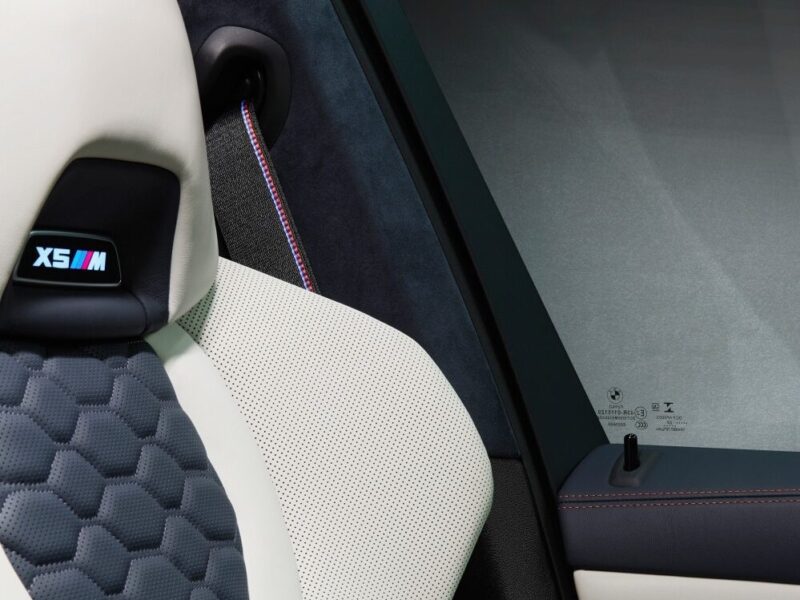
Besides technical problems, owners also report smaller annoyances. The X5’s interior is finished to a high standard, but plastic trim parts can start to creak and rattle. The bolsters of the seats can wear, especially on models with light-coloured upholstery. The steering wheel and gear lever also show wear over time.
Rust is particularly an issue on the E53 and early E70 models. Check the wheel arches, sills and the bottom edges of the doors. The exhaust and heat shields can also rust. Heat shields are metal plates that protect other components from the heat of the exhaust. Treat rust spots immediately to prevent them from spreading further.
The panoramic roof can start leaking if the drain channels become blocked. This leads to moisture in the interior and possible damage to electronics. Clean the drains once a year and check the roof seals.

Maintenance that really makes a difference
Preventive maintenance is the key to a long life for your X5. Follow BMW’s maintenance schedule and always use genuine or high-quality replacement parts. Have the car serviced at a specialist garage with experience of BMW models, as they have the right diagnostic equipment and expertise.
Important maintenance items include:
- Changing the engine oil according to the schedule, preferably earlier than prescribed
- Replacing the transmission oil every 60,000 to 80,000 kilometres
- Checking and replacing coolant every two years
- Replacing brake fluid every two years
- Replacing the air filter and cabin filter annually
- Checking and replacing spark plugs and ignition coils in good time (these are ignition components that ignite the fuel-air mixture in the cylinders)
- Having the running gear and air suspension inspected annually
Keep a log of all work carried out. This increases the resale value and gives you a clear picture of the car’s technical condition.
Buying a used X5: points to check
Are you considering buying a used BMW X5? Then a thorough inspection is essential. Start by checking the service book. A complete service history from an authorised or specialist garage is a good sign. If it is missing, be extra cautious.
Inspect the engine bay for oil leaks. Listen for unusual noises and assess the condition of hoses and belts. Start the engine and listen for irregular running. Test the gearbox thoroughly. Go through all the gears and pay attention to jolts or delayed responses.
Test all electrical functions: iDrive, heated seats, panoramic roof, parking sensors and cameras. Check that all dashboard warning lights work normally – they should go out after the engine starts. Take a test drive of at least 30 minutes and try the car at different speeds and on different road surfaces.
Have the car inspected by an independent specialist before you buy. This costs a few hundred euros but can save you thousands by uncovering hidden defects. Ask specifically about the condition of the air suspension, transmission and electronics.
‘ This way you avoid paying for unnecessary replacements or diagnostic errors. ’
Prevent problems with the right approach
Before any major repair, get a second opinion and compare quotes from at least two specialist BMW garages. This way you avoid paying for unnecessary part replacements or diagnostic mistakes.