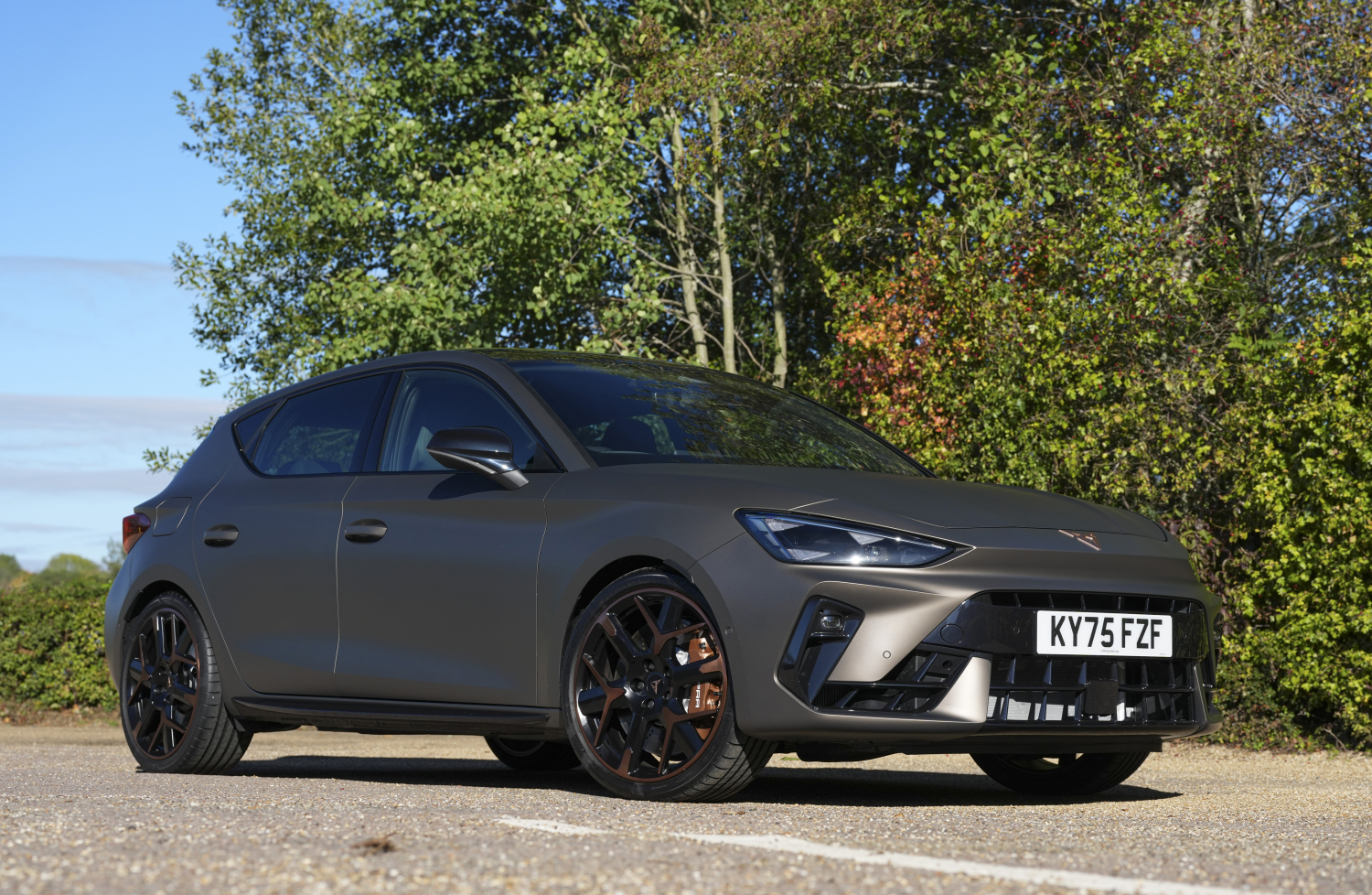
Car problems with Cupra: common issues per model and smart solutions
Cupra models regularly suffer from typical Volkswagen Group ailments such as electronic faults, water pump failure and infotainment issues. The shared technology with Volkswagen and SEAT leads to familiar problems that crop up across several models. With the right knowledge and preventive maintenance, you can avoid many costly surprises as a Cupra driver.
What makes Cupra different and why do typical problems arise?
Cupra started life as a sporty sub-brand within the Volkswagen Group. The models share technology with Volkswagen and SEAT, combining sporty performance with familiar VW characteristics. However, this legacy also brings recognisable teething troubles.
The 2.0-litre TSI engine forms the heart of many Cupra models. This engine is an evolution of older VW versions and carries over known weaknesses. Electronic systems are complex and prone to faults. Infotainment systems and touch controls without physical buttons cause usability issues while driving.
Hybrid and electric variants add extra challenges. Battery packs significantly increase the weight. This affects tyre and suspension wear. Software has to make electric and combustion engines work together smoothly, which leaves room for bugs and errors.
‘ The lack of physical buttons increases distraction while driving. ’
General Cupra niggles: electronics, engines and hybrid technology
Various problems occur in several Cupra models. The 2.0-litre turbo engine has specific weak points. Preventive maintenance is essential to avoid more serious issues.
Water pump failure in TSI engines
The water pump often fails early, sometimes from as little as 40,000 kilometres. This issue is inherited from the VW Group and appears in different models. Symptoms include overheating, coolant leaks and engine warning lights.
Preventive replacement around 40,000 kilometres avoids more serious engine damage. Aftermarket water pumps are often more reliable and cheaper than original parts. Have the water pump and cooling system checked at every service.
PCV system leaks due to complex pipework
The PCV system provides ventilation of the crankcase. Due to complex lines and hoses, leaks occur regularly. This leads to oil loss, increased oil consumption and potential engine damage if neglected for a long time.
Check the PCV lines for leaks at every service. Replace damaged or brittle hoses in good time. Watch for oil traces around the engine and increased oil consumption as warning signs.
Electronic gremlins and faults
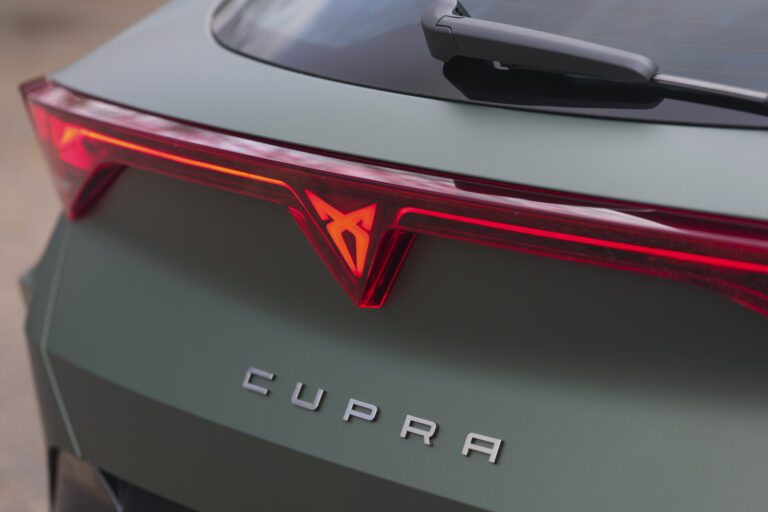
Electronic problems range from failing cameras to glitchy displays. The reversing camera often fails, as does the decorative light bar. Infotainment systems freeze or restart while driving.
First try a soft reset yourself by restarting the system. A factory reset solves many temporary problems. If faults keep returning, dealer support is needed for software updates or hardware replacement.
Touch controls without physical buttons
Cupra models often have touch-sensitive control panels for climate control. These are difficult to find and operate without taking your eyes off the road. The lack of physical buttons increases distraction while driving.
Learn the position of frequently used functions by heart. Use voice control where possible. Set the climate control before you set off to limit adjustments while driving.

Car problems Cupra Leon: sporty hatchback with teething troubles
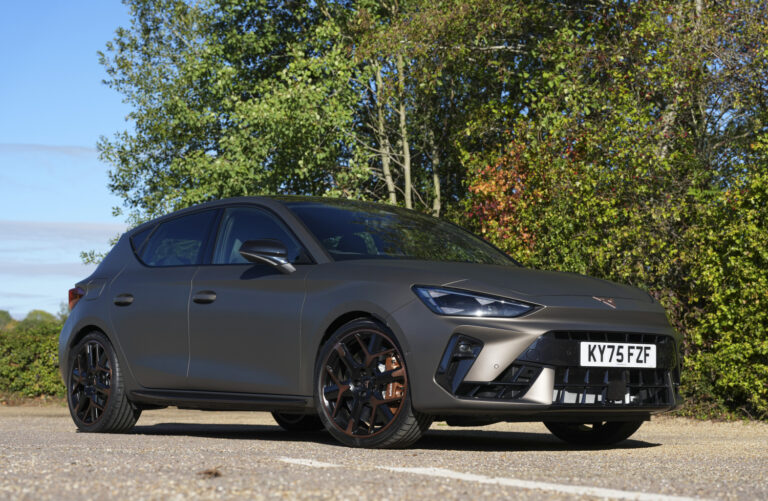
The Cupra Leon combines sporty design with practical space. The mild-hybrid system is meant to balance performance and efficiency, but in practice it delivers disappointing results.
Slow response at low speeds
The engine and transmission respond slowly at low speeds. The mild-hybrid system does not provide a noticeable boost when accelerating. The engine restarts more often than necessary, making the driving behaviour feel unsettled.
This is inherent to the mild-hybrid concept in the Leon. The 48-volt system only offers limited support to the combustion engine. During test drives in town, thoroughly test this behaviour. Consider whether this driving character fits your expectations.
Start-stop system operates restlessly
The start-stop system restarts the engine more often than needed. At traffic lights and in queues this leads to a restless experience. The system does not seem optimally tuned to traffic situations.
You can switch the start-stop system off manually, but you have to do this again after every journey. This slightly increases fuel consumption. Either accept the behaviour or allow extra time to switch it off manually on every trip.
Limitations of safety systems
Blind-spot detection warns only with lights in the mirrors. The system does not prevent collisions or intervene actively. The reversing camera has low resolution and no 360-degree view. This makes parking less comfortable than in rival cars.
Rely primarily on mirrors and direct observation. Treat the camera as an aid, not a replacement. Consider aftermarket cameras with higher resolution if you regularly use tight parking spaces.
High price and residual value risk
The Leon often costs over 50,000 euros. For a relatively unknown brand this is a high investment. Dealers regularly offer hefty discounts, which depresses the residual value of earlier purchases.
Check discount history and residual value trends for similar models. Choose basic trim levels to improve price stability. When leasing, pay attention to the residual value estimate used by the leasing company.
Read more: Cupra Leon
Car problems Cupra Ateca: SUV with familiar VW technology
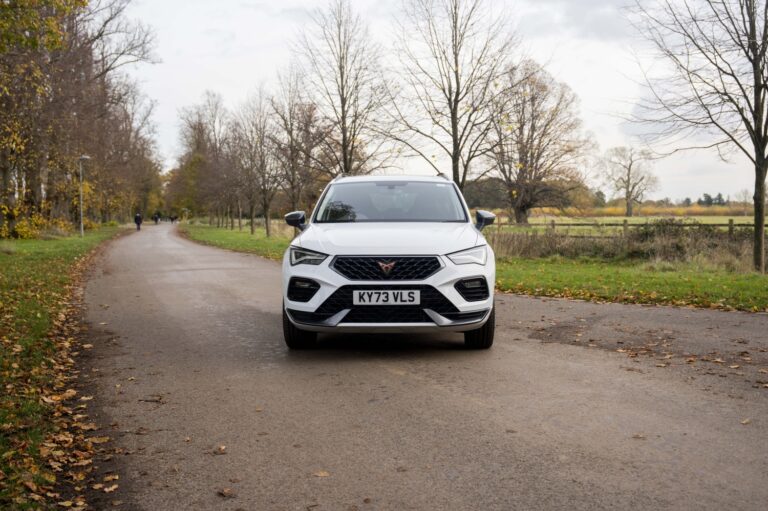
The Cupra Ateca builds on the platform of the SEAT Ateca. The higher weight and SUV character affect wear and driving behaviour. The same engine problems as in other Cupra models also occur here.
TSI engine problems in the Ateca
The 2.0-litre TSI in the Ateca has the same weak points as in other models. Water pump, PCV system and possible timing chain wear in cases of serious maintenance neglect are key concerns.
Stick to the prescribed service intervals using high-quality engine oil. Replace the water pump preventively. At high mileages, check the timing chain for wear and stretch. Change the oil earlier than prescribed if the car is used intensively.
Electronics and infotainment issues
The Ateca uses infotainment systems similar to those in other Cupra models. Cameras and sensors fail. Touch controls lead to the same usability problems.
Use wireless Apple CarPlay or Android Auto for more stable navigation and entertainment. Reset the system if problems occur. Have software updates installed by the dealer as soon as they become available.
Effect of weight on suspension and tyres
The higher weight of the SUV body speeds up wear on tyres, brakes and suspension. Wear increases especially with sporty driving. Check tyres regularly for uneven wear.
Have the wheel alignment checked annually. Replace tyres in good time to guarantee safety. With sporty use, opt for high-quality tyres that can cope with the weight and power.
Read more: Cupra Ateca
‘ Electronic problems and engine issues, however, dominate the list of owner complaints. ’
Car problems Cupra Formentor: popular crossover with electronic gremlins
The Formentor is Cupra’s most popular model. The crossover combines sportiness with practical usability. However, electronic problems and engine issues dominate the list of owner complaints.
Failing reversing camera and light bar
The reversing camera often fails. The screen stays black or shows an error message. The decorative light bar at the rear also frequently cuts out. These problems are widespread among Formentor owners.
First try a soft reset by switching the car off and waiting a few minutes. A factory reset via the infotainment menu also helps. If the problem keeps returning, a dealer visit is needed for software updates or hardware replacement. Often a software update solves the issue.
Early water pump failure from 40,000 kilometres
The water pump in the 2.0-litre turbo often fails early. Symptoms appear from 40,000 kilometres. This is a known problem that must be tackled preventively.
Plan preventive replacement of the water pump around 40,000 kilometres. Aftermarket water pumps are more reliable and cheaper than original parts. Check the cooling system at every service. Watch for temperature warnings and coolant leaks.
Leaking PCV system needs attention
The PCV system has complex pipework that is prone to leaks. Oil traces around the engine and increased oil consumption are warning signs. If neglected for a long time, engine damage occurs.
Visually check the PCV lines at every service. Replace damaged or hardened hoses immediately. Regularly monitor the oil level, especially in older cars. Use high-quality engine oil that puts less strain on the system.
Touch controls cause distraction
The touch-sensitive climate control panel is difficult to operate while driving. Physical buttons are missing. This leads to distraction and frustration, especially in unfamiliar traffic situations.
Set the climate control to automatic before departure. Learn the position of frequently used functions. Use voice control via the infotainment system. Accept that these controls are less intuitive than traditional buttons.
Reliability score and real-world experiences
The model scores 93.9 per cent in reliability surveys. As a brand, Cupra finishes in 13th place out of 30 brands. This is reasonable, but not outstanding. Electronic problems occur more often than with Japanese rivals.
Take out extended warranty when buying. Document problems thoroughly for warranty claims. Keep service invoices as proof of careful use.
Read more: Cupra Formentor
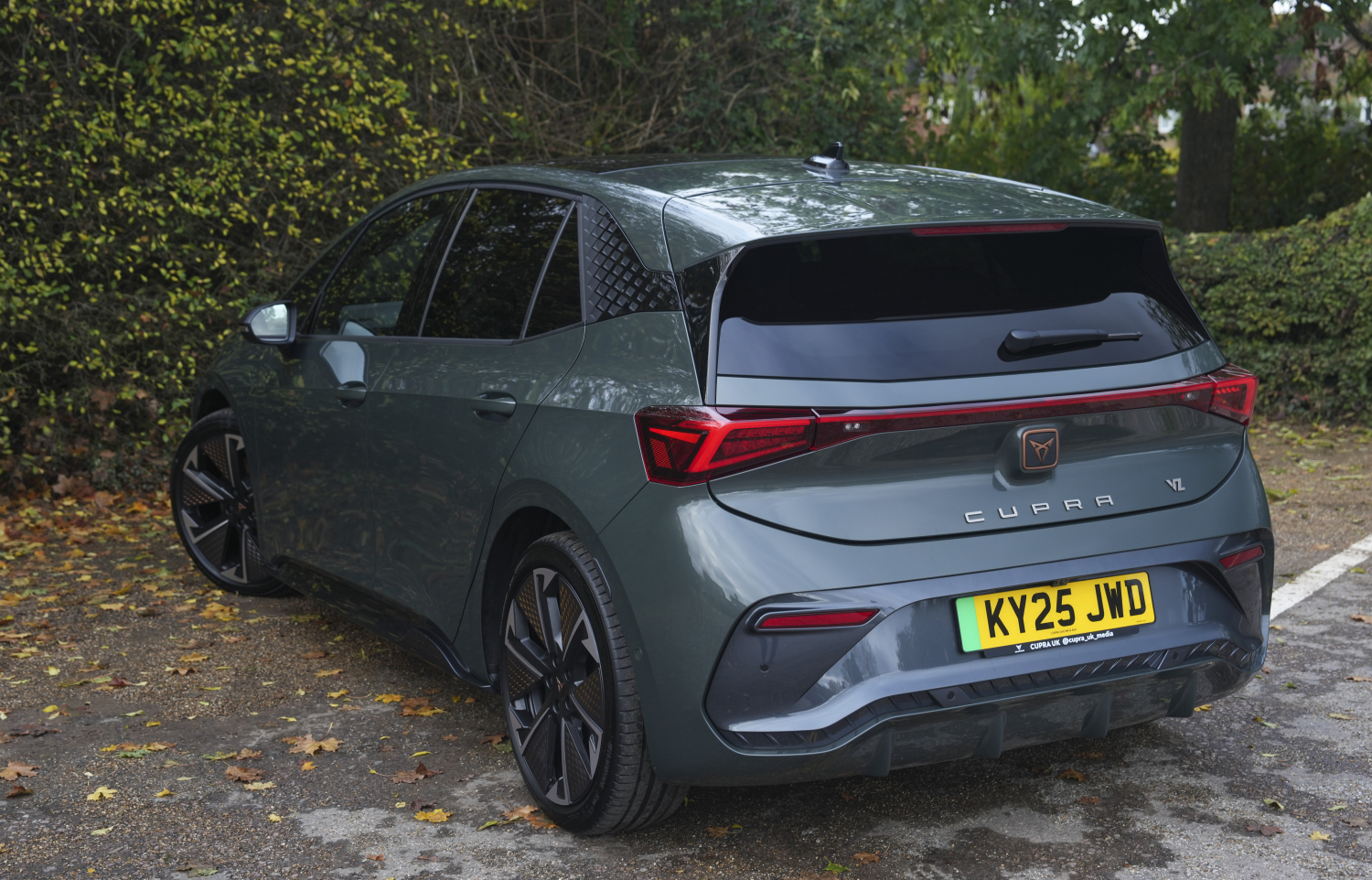
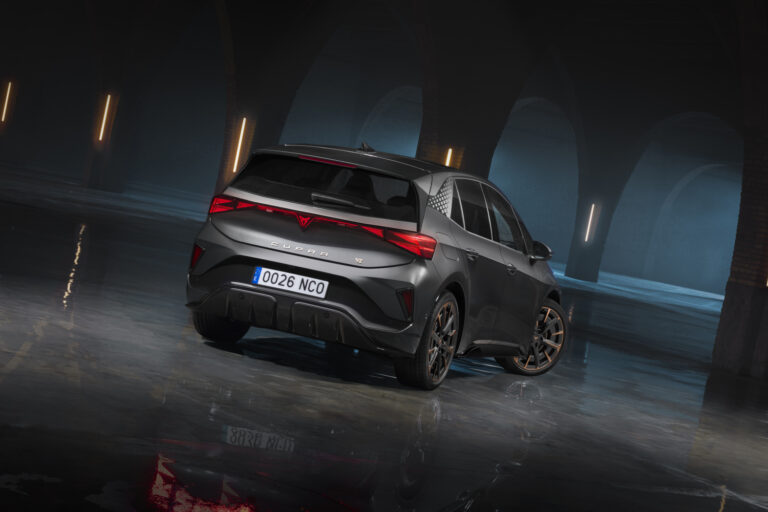
Car problems Cupra Born: electric hatchback and EV-specific points of attention
The Cupra Born is the brand’s fully electric hatchback. The electric drive technology (EV technology) adds specific points of attention to the familiar Cupra problems. Software and electronics play an even bigger role than with combustion engines.
Software bugs and infotainment freezes
Electric cars depend on complex software. The Born suffers from bugs that cause displays to freeze. Connectivity problems with smartphones occur. Updates solve many issues, but new software sometimes introduces new bugs as well.
Install software updates as soon as the dealer offers them. Reset the infotainment system if it freezes. Use a cable instead of wireless connections if Bluetooth problems occur. Report persistent bugs to the dealer so they can feed back to the manufacturer.
Fluctuations in range
Real-world range differs from the official factory figures. Driving style, temperature and use of climate control greatly affect the range. In cold weather the range drops by 20 to 30 per cent.
Test the range under different conditions during a test drive. Plan routes with a generous buffer. Use eco driving modes for longer range. Warm the car while charging to save battery capacity. Accept that winter range is significantly lower.
Extra weight stresses tyres and suspension
The battery adds a substantial amount of weight. This accelerates tyre wear, especially at the front. Brakes actually wear less due to regenerative braking. Suspension and dampers are under more strain.
Check tyre pressures monthly and keep them at the recommended level. Replace tyres in good time when worn. Have wheel alignment checked annually. Choose tyres suitable for electric cars due to the higher weight and instant torque.
Charging behaviour and battery health
Charging speed affects long-term battery health. Frequent rapid charging accelerates battery degradation. Optimal battery health requires charging between 20 and 80 per cent.
Charge at home or at work using AC where possible. Limit rapid charging to long journeys. Set charging limits to 80 per cent for daily use. Monitor battery health via the infotainment system. Accept gradual capacity loss as normal for EV use.
Electric and hybrid Cupras: Tavascan, plug-in hybrids (PHEVs) and Born compared
Cupra offers several electrified models. The Tavascan is fully electric, while some models are available as PHEVs. Each type has its own points of attention and real-world experiences.
Tavascan chassis problems
The electric Tavascan suffers from creaking noises in the chassis. The central ‘spine’ shows a lack of rigidity under acceleration and braking. This negatively affects ride comfort, especially on uneven roads.
Thoroughly test this during a test drive over different road surfaces. Ask the dealer about known fixes or improvements. This is a design issue that is difficult to remedy afterwards.
PHEV variants: weight and driving behaviour
Plug-in hybrid versions (PHEVs) combine a combustion engine with an electric drive. The 19.7 kWh battery pack adds weight. This makes the car less agile than the pure combustion version. The electric range is up to 78 miles under ideal conditions.
Test the driving behaviour in different modes during a test drive. Driving electrically in town maximises efficiency. Charge the battery regularly for optimal use. If you don’t charge enough, you’re driving a heavy car using only the combustion engine.
Real-world consumption versus factory figures
Factory figures for consumption and range are based on standardised tests. In practice, results differ. In town, the Born uses 16.9 kWh per 100 kilometres, good for 455 kilometres of range. On motorways this rises to 20 kWh per 100 kilometres with 385 kilometres of range.
For realistic planning, assume 20 to 30 per cent higher consumption than the official figures. During a test drive, check consumption in your usual driving style. PHEV models require discipline in charging to achieve the quoted consumption figures.
Connected car functions are missing
Cupra models such as the Tavascan lack built-in navigation and smartphone apps. Connected car functions that are standard in many modern EVs are missing. This limits options for pre-heating remotely, checking charging status and route planning.
Use Apple CarPlay or Android Auto for navigation and apps. Accept that remote functions are limited. Plan routes in advance and check charging status physically at the car.
Read more: Cupra Born
‘ Blind-spot detection and cameras are aids, not replacements. ’
Maintenance and usage tips: how to keep your Cupra in top condition
Preventive maintenance and smart usage significantly reduce problems. These practical tips apply to all Cupra models and help you avoid costly repairs.
Resetting electronics and when to visit the dealer
You can solve many electronic problems yourself. First try a soft reset by restarting the infotainment system. A factory reset via the menu addresses more stubborn issues. Note down your settings in advance, as these are lost when you reset.
Go to the dealer if problems return after a reset. Software updates fix structural bugs. Hardware faults require professional diagnosis. Document when problems occur to enable efficient troubleshooting.
Replacing the water pump preventively
Plan water pump replacement around 40,000 kilometres, before symptoms appear. Choose reliable aftermarket parts that are cheaper and more durable. Replace the coolant at the same time and check the entire cooling system.
This prevents engine damage due to overheating. Symptoms such as temperature warnings and coolant leaks mean you are already too late. Prevention is cheaper than repair after failure.
Checking the PCV system at every service
Have the PCV lines visually inspected at every service. Immediately replace hardened or cracked hoses. Monitor oil consumption between services. Increased consumption may indicate a leak.
Use the specified grade of engine oil. This protects the system and extends the life of seals. Minor maintenance now prevents major engine problems later.
Optimising infotainment
Use wireless Apple CarPlay or Android Auto for stable navigation. Many Cupra models have no built-in navigation or it works poorly. Smartphone integration offers more reliable solutions.
Update the infotainment system regularly during dealer visits. New software fixes bugs and sometimes adds features. Reset the system monthly as a preventive measure to maintain performance.
Hybrid and EV checks
Test the real-world consumption of PHEV models on longer journeys. Charge regularly for optimal use of the electric mode. In the Born, monitor battery health via the system. Gradual capacity loss is normal, but rapid degradation points to problems.
Follow the recommended charging habits: between 20 and 80 per cent for daily use. Limit rapid charging to long journeys. This maximises battery life.
Dealing with safety systems
Rely primarily on mirrors and direct observation. Blind-spot detection and cameras are aids, not replacements. The low resolution of the cameras requires extra care when parking.
Consider aftermarket upgrades if safety systems are important to you. Some problems are inherent to the design and cannot be solved.
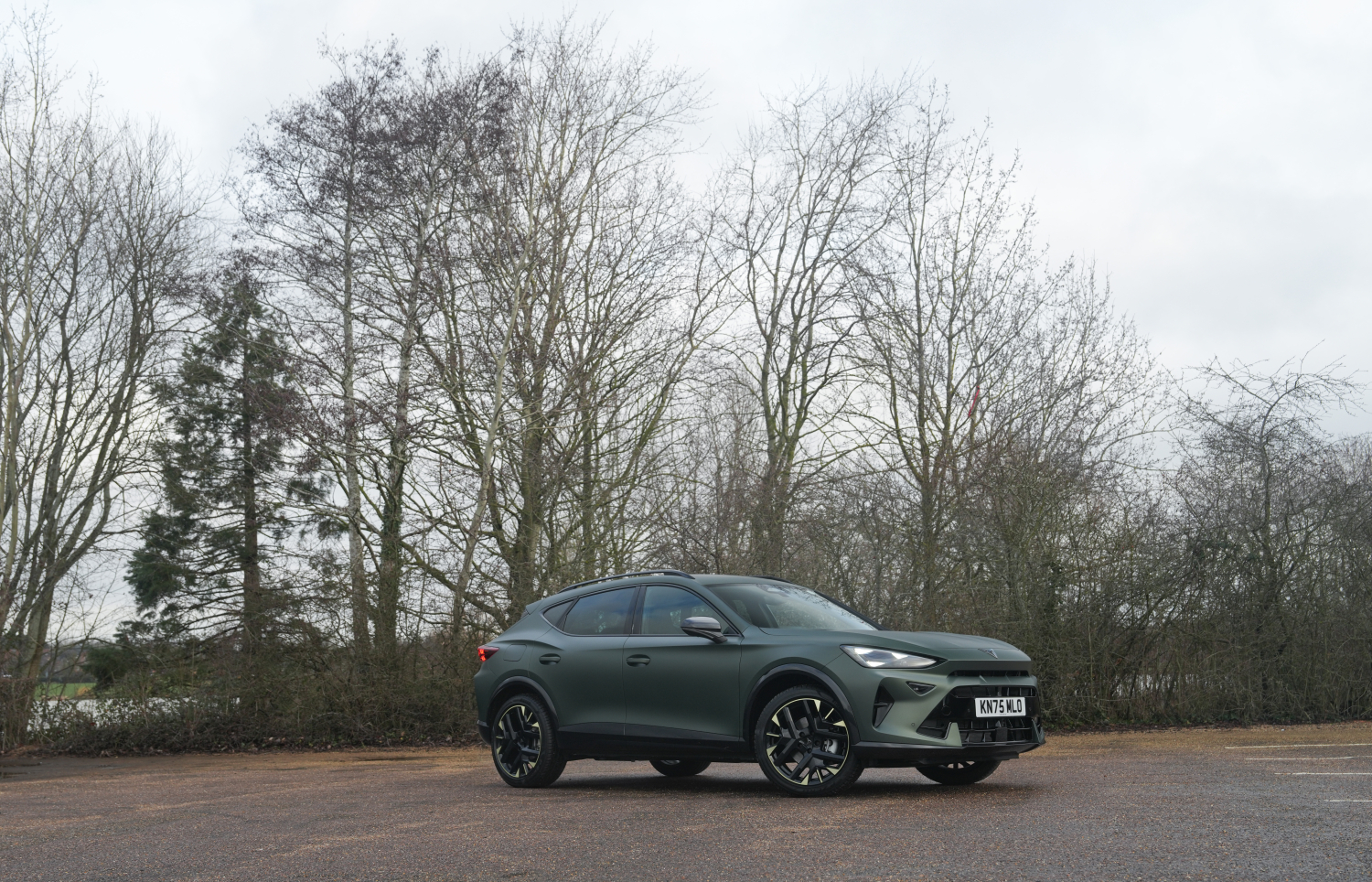
Warranty, reliability and buying advice for Cupra drivers
Warranty terms and reliability scores help you form realistic expectations. Buying and selling smartly prevents disappointment and financial loss.
Warranty period and coverage
Cupra offers a warranty of five years or 90,000 miles. This is more generous than many rivals. The warranty covers manufacturing defects and many electronic problems. Wear items such as tyres, brakes and wiper blades are excluded.
Document all problems thoroughly. Keep service invoices as proof of correct use. Use only approved dealers for servicing to keep the warranty valid. Report problems promptly, even small issues, so they are documented.
Reliability compared with rivals
Cupra scores average in reliability surveys. The brand ranks 13th out of 30 brands. Electronic problems occur more frequently than with Japanese brands such as Toyota or Mazda. Compared with other more sporting brands, Cupra performs reasonably.
Expect more service visits than with the most reliable brands. Budget for possible repairs outside warranty. Weigh reliability against sporty performance and design.
Effect of discounts on residual value
Cupra models regularly receive substantial dealer discounts. This depresses the residual value of earlier purchases. When selling, you are competing with new cars that are sold with discounts. Lease deals take this into account in the monthly payments.
Choose basic trims and popular colours for better residual value. Avoid expensive option packs that add little value at resale. When leasing, look at the residual value estimate and total costs, not just the monthly payment.
What to look for in a used Cupra
Check whether known problems have been tackled preventively. Ask about water pump replacement and PCV maintenance. Thoroughly test all electronic systems, including cameras and infotainment. For PHEV models, check battery health and charging behaviour.
Ask for full service history from approved dealers. Electronic problems that have been reported several times may be structural. Extensively test the driving behaviour under different conditions.
When is a Cupra a sensible choice?
A Cupra suits car enthusiasts who want sporty performance at a lower price than premium brands. The design and driving behaviour are appealing. You accept that reliability is average and that electronic problems can occur.
With preventive maintenance and realistic expectations, Cupra models provide enjoyable driving experiences. The five-year warranty offers protection during the first years of ownership. For those who value reliability above all else, Japanese rivals are a better alternative.
Carnews helps you with up-to-date information and tips on Cupra models. Regular updates on known problems, recalls and maintenance advice keep your car in top condition. Stay informed of developments and new insights to use your Cupra to the full and avoid costly surprises.