
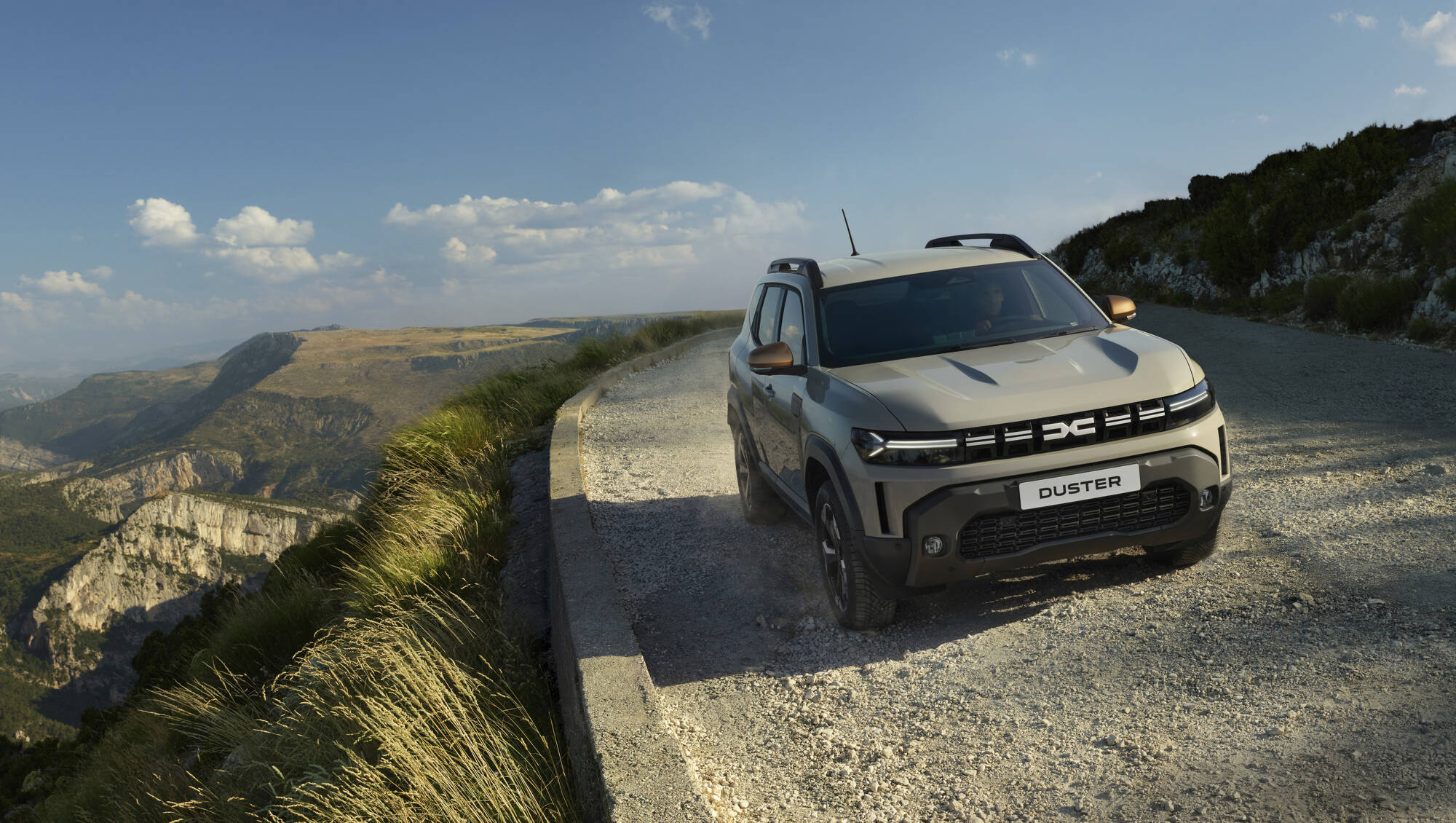
Unpredictable acceleration when using the reset button is not uncommon with the Dacia Duster. The system sometimes suddenly surges forward when you activate the cruise control, which can create dangerous situations. These faults have specific causes. Track them down and fix them.
Why does the cruise control suddenly surge forward?
The sudden acceleration regularly occurs when you activate or reset the cruise control. The system seems to have a mind of its own and briefly forgets what you as the driver intend. This behaviour points to faults in the sensor systems or electrical connections that control the cruise control.
The switches on the steering wheel wear out. The reset button then no longer makes proper contact with the underlying electronics. The system sends incorrect signals to the engine. The result is an unwanted acceleration that feels as if the car is pressing the accelerator pedal itself.
In addition, electrical connections around the ECU become damaged. This engine control unit regulates all the electronic systems in your car. The cables to or from this unit develop faults. The cruise control system responds randomly to your commands.
‘ ABS sensors transmitting incorrect speed information ’
Common causes of cruise control malfunctions
Several components can cause the cruise control of your Dacia Duster not to respond correctly. The following parts are often to blame:
- Faulty brake light switch that prevents the system from deactivating correctly
- Clutch switches that do not make proper contact with the pedal
- ABS sensors transmitting incorrect speed information
- Blown fuses in the cruise control circuit
- Worn steering wheel switches that send incorrect signals
The brake light switch causes problems
Your brake light switch has a dual function. It ensures that your rear lights come on when you brake, but it also tells the cruise control system that it must deactivate. This switch is faulty. The cruise control does not know when it has to stop.
You can easily test this by pressing your brake pedal and checking whether the brake lights come on. Do they not work? Then the switch is probably broken. Replace it. Your brake lights and cruise control will work properly again.
Clutch switches on manual models
On Dacia Dusters with a manual gearbox there are two switches on the clutch pedal. One switch registers the first movement of the pedal, the other activates when you press the pedal fully. Both switches must work correctly to enable the cruise control to be switched on.
These switches wear out over time or go out of adjustment. They no longer make good contact with the pedal. The system refuses to start. Some clutch switches are adjustable. Pull the plunger out by about a centimetre and refit the switch. This adjustment usually solves the contact problem immediately.
‘ It indicates a problem that affects not only your cruise control, but also your braking behaviour in emergency situations. ’
ABS sensors influence operation
There is an ABS sensor on each wheel of your Dacia Duster that measures the wheel speed. The cruise control system uses this information to keep your speed constant. One of these sensors fails. The cruise control system shuts down completely.
A faulty ABS sensor often also causes a warning light to appear on your dashboard. Do not ignore this light. It indicates a problem that affects not only your cruise control, but also your braking behaviour in emergency situations.
Checking electrical connections
Damaged cable connections are harder to find. They still cause cruise control malfunctions. The cables around the ECU are particularly vulnerable. They are often located in tight spaces. They rub or get pinched there.
Check visible wiring for damage, especially if you have previously had problems with other electrical functions such as the horn or steering wheel buttons. The spiral cable behind the steering wheel also wears out due to the constant turning of the wheel.
Fuses and dashboard indicators
Many owners overlook a blown fuse. The cruise control has its own fuse. Check it with a multimeter. Has the fuse blown? Then replace it immediately.
Press the cruise control button. Watch the dashboard light. Does the light not come on? Then the switch on the steering wheel is probably worn. Replace it.
‘ This gives you direction for further diagnosis or replacement of parts. ’
Diagnosis with an OBD scanner
An OBD scanner reads fault codes from your car’s memory. These codes indicate which sensor or module is reporting a fault. For the Dacia Duster these are often codes related to the clutch switches, brake switches or speed sensors.
Connect the scanner to the OBD port under the dashboard and read out the codes. Write the codes down. Look them up in the manual or in an online database. This gives you direction for further diagnosis or replacement of parts.
Safe use of cruise control
Until you have fixed the fault, it is better not to use the cruise control. The unpredictable acceleration poses a direct danger, especially in heavy traffic or on narrow roads.
Do you still want to drive with cruise control? Always keep your foot close to the brake pedal. If the system accelerates unexpectedly, press the brake immediately. This deactivates the cruise control and prevents you from driving too fast.
Do not use cruise control in urban traffic or on winding roads. The system is designed for long, straight stretches of motorway where you maintain a constant speed. It works significantly better there than in changing conditions.
When to repair it yourself and when to go to the garage?
Carry out simple checks yourself. Check the brake lights. Inspect visible wiring. Replace blown fuses. If these checks reveal nothing, professional help is advisable.
A garage will thoroughly check and repair electrical connections around the ECU. These repairs are complex and require knowledge of the electrical system of your Dacia Duster. If you have no experience with car electronics, do not attempt this yourself.
The cause determines the cost of the repair. A new brake light switch or fuse is cheap and quick to replace. Repairing ECU cable connections takes more time and can cost several hundred euros.
‘ Small problems do not solve themselves and can grow into larger, more expensive repairs. ’
Preventive maintenance prevents faults
Regular checks prevent problems. During the annual service, have the switches and sensors checked. Ask specifically about the brake light switch and the clutch switches. Also ask about the ABS sensors.
Also keep an eye on the dashboard lights yourself. If a warning light comes on, have it checked immediately. Small problems do not solve themselves and can grow into larger, more expensive repairs.
On the Carnews website you will find more information about common problems with the Dacia Duster and other models. Discover practical tips on maintenance, electrical systems and safe driving behaviour.
Frequently asked questions
The most common “symptoms” are that the cruise control will not switch on at all, or switches itself off again immediately as soon as you try to activate it. Often the cruise control warning light does not illuminate (or flashes) while you are pressing the button, or a message such as “Check Cruise Control” appears. You may also notice that the speed limiter or other steering wheel buttons do not respond. In many cases the brake lights do not work properly at the same time, or an ABS fault is visible, which indicates a problem with one of the sensors or switches involved.
The main causes are faulty or incorrectly adjusted brake and clutch switches, which prevent the cruise control from switching on for safety reasons. In addition, faults in ABS sensors regularly cause the cruise control to fail completely. Blown fuses or problems in the electrical wiring around the ECU can also switch the system off. Finally, worn or faulty steering wheel switches can cause the cruise control to stop responding.
The costs for repairing a faulty cruise control on a Dacia Duster usually range between approximately €75 and €300, depending on the cause (for example brake light or clutch switch, fuse, steering wheel switch or wiring). Simple causes such as a brake light switch or fuse are usually at the lower end of that range, while diagnostic and repair work on the wiring loom or ECU connections is more expensive. In many cases the cruise control can be repaired effectively by replacing or adjusting switches and restoring electrical connections. A garage will usually first use OBD diagnostics to determine which sensor or connection is causing the fault, before replacing any parts.
There are no clear indications that specific model years or series of the Dacia Duster suffer structurally more often from cruise control faults than others. The reported problems are mainly related to sensors (brake and clutch switches, ABS sensors), steering wheel switches, fuses and wiring around the ECU. They are therefore more component- and usage-related faults than a known, typical issue affecting certain production years.
A handy car enthusiast can diagnose some cruise control problems on a Dacia Duster themselves and sometimes also fix them, especially when it concerns fuses, brake lights, steering wheel switches or a poorly adjusted brake or clutch switch. With a simple OBD scanner many fault codes relating to switches and sensors can be read out at home. However, if problems are found with ABS sensors, wiring or ECU connections, professional diagnosis and repair is recommended. So you can do some of the work yourself, but it is not sensible for all possible causes.