
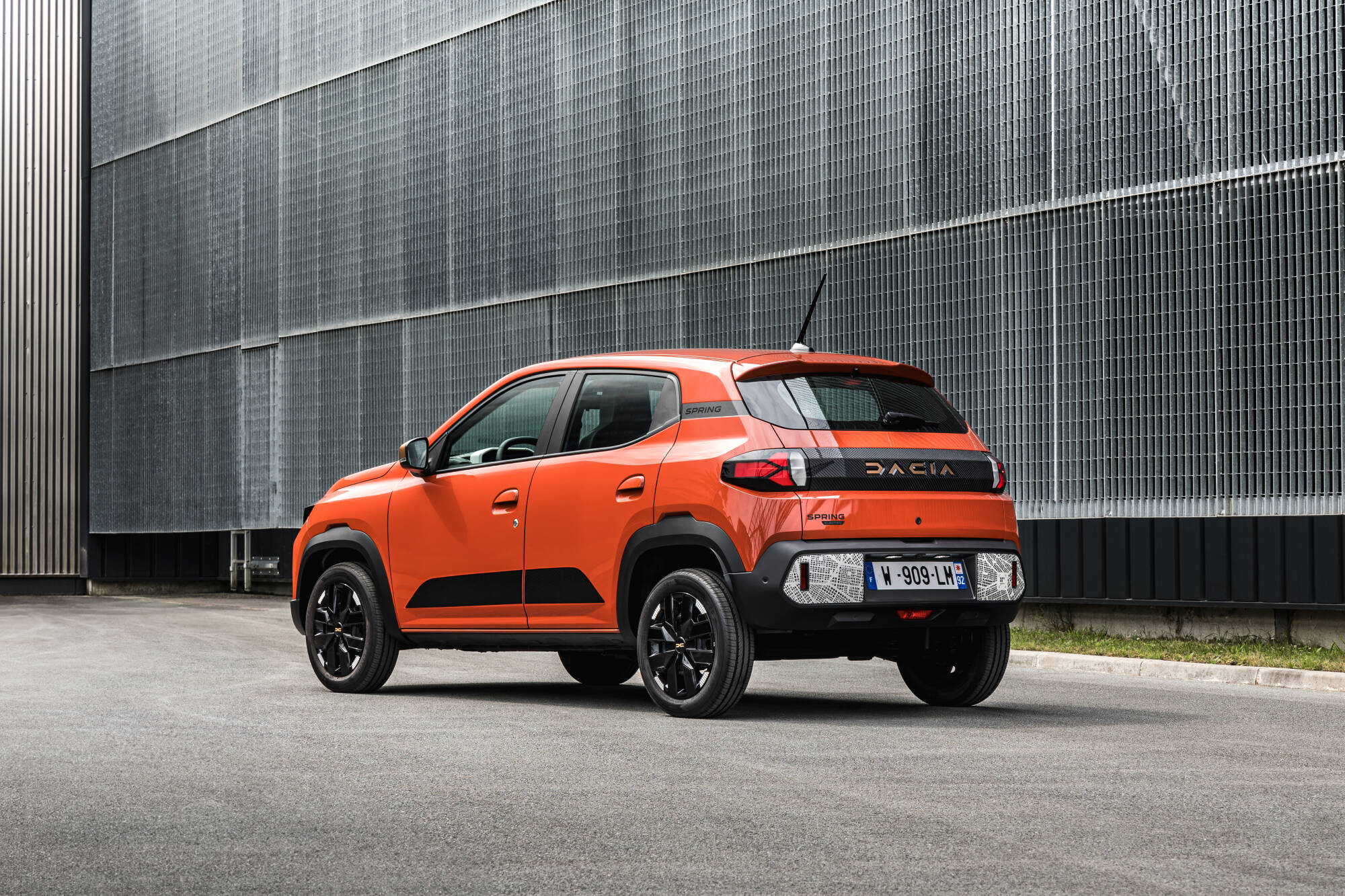
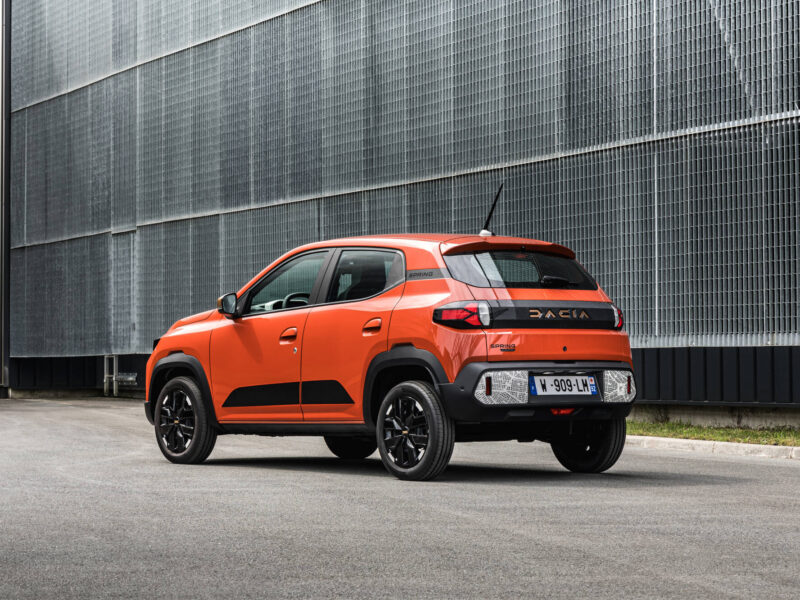
The Dacia Spring regularly suffers from brake-related problems that owners experience as unsafe. Handbrakes and parking brakes fail more often than average, with weak brake cylinders and insufficient braking power according to TÜV and workshop reports. These complaints call for immediate action and proper maintenance.
Pushing through the brakes is a known problem
Many owners report that the brake pedal presses down too far. It feels as if you are pushing right through the brakes, which results in weak braking power. This problem occurs after a few weeks to several thousand kilometres of use. Owners have to go to the dealer several times for repairs and checks. The master brake cylinder is often the cause of this fault. This fault occurs regularly.
The problem is caused by wear in the brake cylinder. It can also be caused by air in the braking system. This causes the system to lose pressure and the brake pedal to feel spongy. Have this checked by your dealer immediately. Ask specifically about the condition of the master brake cylinder and have the brake system bled if necessary.
‘ The Spring’s narrow, low-cost tyres offer little grip. ’
Shaking car when braking points to disc problems
Vibrations above 50 km/h when braking are another frequently reported problem. These vibrations are caused by warped brake discs. Overheating is responsible for this. Uneven wear also plays a role. The Spring’s narrow, low-cost tyres offer little grip. This is especially true on wet roads. As a result, the brake discs wear out more quickly. They also wear unevenly.
You will notice this problem by:
- Vibrations in the steering wheel when braking above 50 km/h
- Jerky movements through the entire car
- Deteriorated braking performance on wet roads
Schedule maintenance for replacement of brake discs. Also schedule maintenance for replacement of brake pads. At the same time, check the quality of your tyres. Better tyres reduce the load on the braking system and prevent uneven wear.
Parking brake faults caused by electrical defects
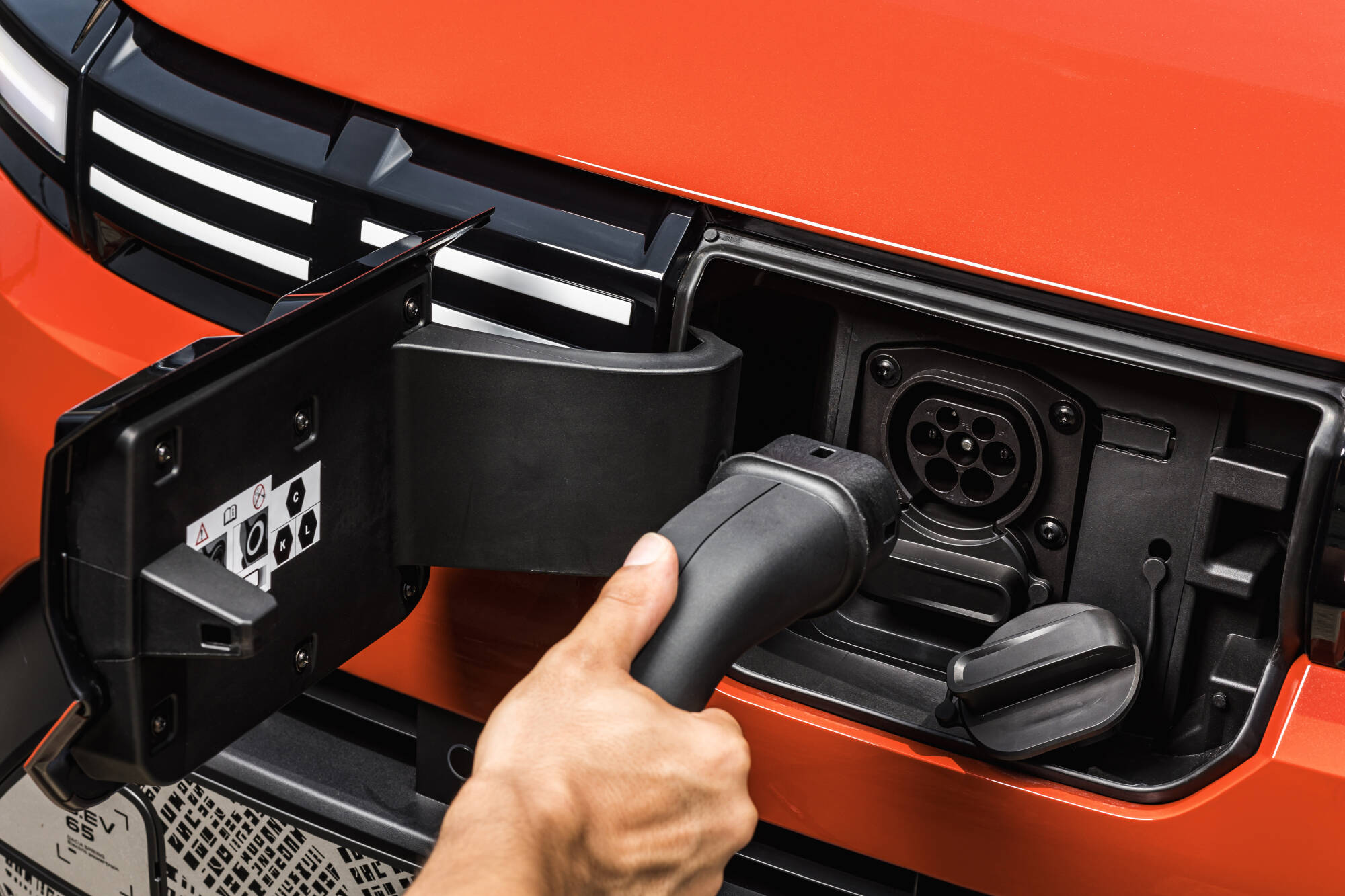
The Spring’s electronic parking brake regularly shows error messages. Warnings such as “parking brake fault” sometimes remain permanently displayed on the dashboard. This is due to problems with the electric motor in the brake calliper. It can also be caused by loose connections. The fault sometimes blocks use of the car completely.
Some owners resolve temporary faults by locking the car, waiting a few minutes and restarting. For persistent error messages you must go to the dealer. Have the connection to the brake calliper checked and ask whether software updates are required. In the case of structural problems, replacement of the parking brake module may be necessary.
ESC warnings and electric brake faults
Warning lights for electronic stability control, abbreviated ESC, occur regularly. Warning lights for electrical faults are also common. These fault codes are often related to problems in the battery or radar systems. Dirt on sensors affects the automatic emergency braking system, abbreviated AEB. This leads to unexpected error messages. It also leads to blocked functions.
Keep the front bumper and sensors clean, especially when there is mud, snow or dirt. This prevents many electrical faults. Have you got temporary ESC errors? Then reset the service battery under the bonnet. For persistent problems the dealer must read out the fault codes and check the system. Some owners wait weeks for repairs, so schedule an appointment in good time.
‘ Never use your left foot to brake. ’
Regenerative braking requires you to adapt your driving style
The Dacia Spring brakes automatically when you release the accelerator. This is called regenerative braking and at the same time it charges the battery. This system takes some getting used to. Never use your left foot to brake. That confuses the system. Always build up braking power gradually and avoid sudden braking, especially on wet roads.
Use regenerative braking consciously. Come off the throttle in good time. This reduces the load on the mechanical brakes and extends the service life of brake pads and discs. Test your brakes regularly on a dry, straight road to check that everything is working properly.
Brake fluid maintenance is important
Brake fluid absorbs moisture. As a result, the fluid loses braking power. Replace the brake fluid every two years, even if you do not drive much. Regularly check the fluid level via the reservoir under the bonnet. A level that is too low indicates leakage or wear in the system.
The brake fluid can become too low. The system then loses pressure. This leads to a soft brake pedal and longer stopping distances. Report this to your dealer immediately and have the entire braking system checked. Leaks can have serious consequences for safety.
Tyre maintenance prevents many braking problems
The Spring’s narrow tyres wear out quickly. They also wear unevenly. This makes braking more difficult and causes vibrations. Regularly check tyre pressure and tread depth. Rotate the tyres according to the maintenance schedule to promote even wear.
Consider better tyres. They do cost extra, but they significantly improve braking performance and safety. You will notice the difference especially in winter or on wet roads. Tyre changes sometimes only temporarily solve vibration problems. Structural brake complaints require professional inspection.
‘ Lease owners can demand structural solutions. ’
Visiting the dealer for persistent complaints
Do not keep driving with unsafe brakes. Report vibrations, soft pedals or error messages to your dealer immediately. Explicitly ask for the master brake cylinder, brake calliper connections and brake discs to be checked. Some owners report multiple faults after 24,000 kilometres that feel downright unsafe.
Lease owners can demand structural solutions. Keep a logbook of all complaints. Also keep a logbook of all dealer visits. This helps you demonstrate recurring problems. Be prepared for repairs to take several weeks, depending on the availability of parts.
Safety comes first when driving electric
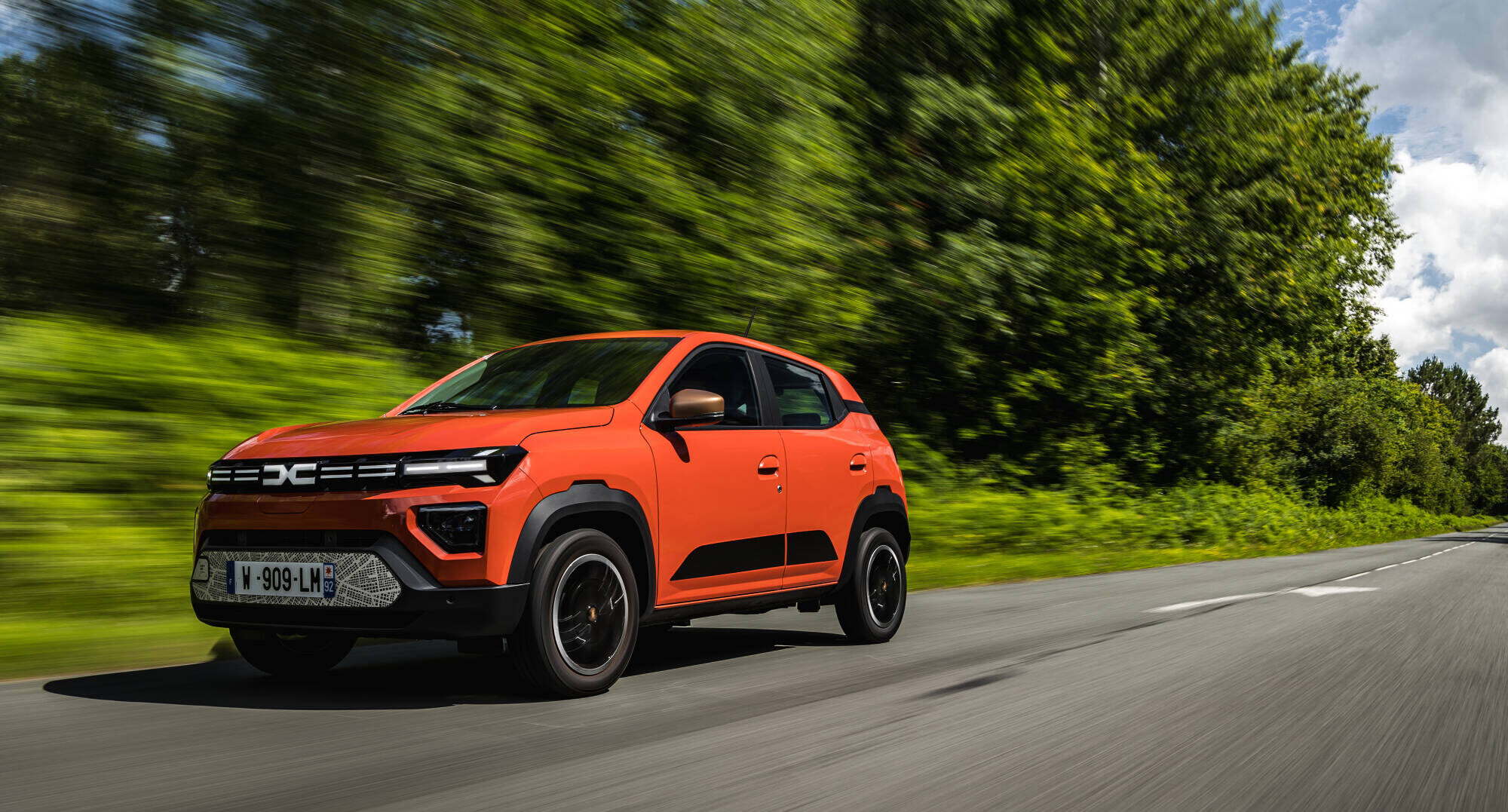
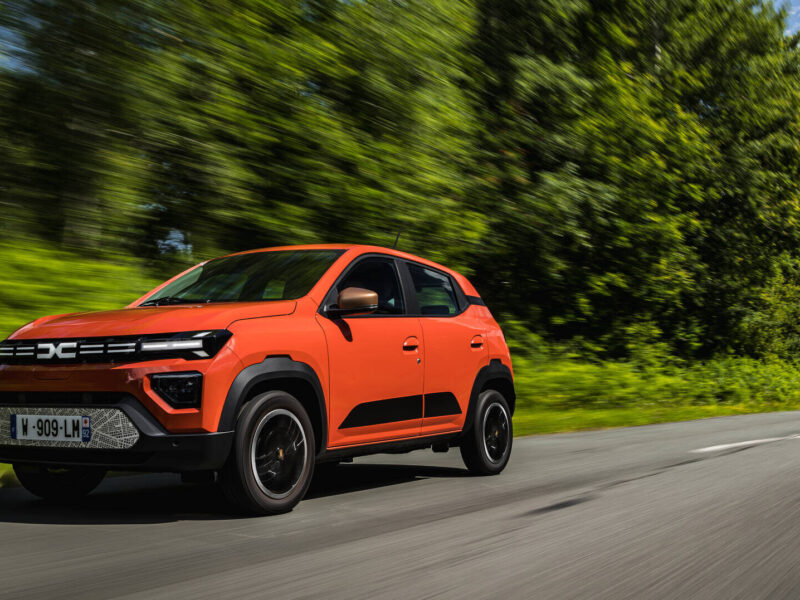
The Dacia Spring is affordable and practical for city traffic. The brake complaints are, however, a recurring issue that you must take seriously. Regular checks keep your car safe. Timely maintenance keeps your car reliable. Test your brakes frequently and stay alert to changes in the behaviour of the brake pedal.
In the event of collisions or damage to the front bumper, you must have the radar and sensors checked. Switch off the AEB system until the repair is completed. This prevents unexpected faults while driving.
On the Carnews website you will find more information about maintenance, common problems and practical tips for electric driving. Discover more about the Dacia Spring and other models to keep your car in good condition.
Frequently asked questions
The technical cause of the braking problems with the Dacia Spring lies mainly in a combination of rapid wear or overheating of brake discs and pads, a potentially defective or poorly adjusted master brake cylinder, and faults in the electronic braking and ESC systems. This can lead to a spongy pedal feel, vibrations and error messages relating to the parking brake and stability control. The regenerative braking system itself is not directly defective, but it takes some getting used to and can influence brake feel because the car already slows down when you release the accelerator. The core problems therefore lie mainly in the mechanical brake components and the electronic control, not in the regenerative motor braking as such.
The reported braking problems undermine the feeling of safety, because drivers sometimes experience a soft or deeply sinking pedal and vibrations at higher speeds, which may indicate reduced braking performance. Faults in the parking brake and ESC can mean that the car is temporarily unusable or unpredictable, which harms reliability. As a result, the driving experience becomes more unsettled and less relaxed, because drivers are constantly alert to possible brake faults. At the same time, with proper and regular maintenance the car remains in practice mainly suitable for gentle city use.
As far as is known, Dacia has not announced a broad official recall specifically for the Spring’s braking problems. However, dealers carry out technical checks and updates on an individual basis, such as inspection and, if necessary, replacement of the master brake cylinder, brake discs and brake pads. Electronic faults in ESC, parking brake and AEB are also addressed via software updates and resets. These measures are mainly carried out during workshop visits following complaints from owners.
The nature of the braking problems with the Dacia Spring – soft pedal travel, vibrations and electronic parking brake/ESC faults – is more serious and more varied than what is usually reported for other budget EVs, where wear or occasional software errors are the main issues. The frequency with which Spring drivers report repeated brake complaints and long workshop visits is clearly higher than average in this segment. Compared with earlier Dacia models, which mainly had mechanical and less complex braking systems, today’s problems are more electrical/electronic in nature and more persistent. As a result, the Spring is considered by some users to be less safe and less reliable than both competing budget EVs and older Dacias.
The persistent braking problems can damage confidence in the Dacia Spring’s technical reliability in the long term, especially if faults recur after several dealer visits. This will become known on the used car market, making buyers more hesitant and more likely to ask critical questions about maintenance and fault histories. This can lead to a lower residual value compared with competing EVs without such structural complaints. Regular and well-documented repairs and software updates can partly limit the impact on reliability and residual value, but do not completely remove the damage to its reputation.