Fiat 500: charm with a downside
The Fiat 500 combines Italian design with urban agility, but owners regularly report technical issues that can turn a fun city car into a source of annoyance. From electrical faults to transmission issues and engine quirks, the Fiat 500 demands attention and maintenance to remain reliable. Read on to discover what to look out for and how to prevent or resolve the most common problems.
The unmistakable charm of the Fiat 500
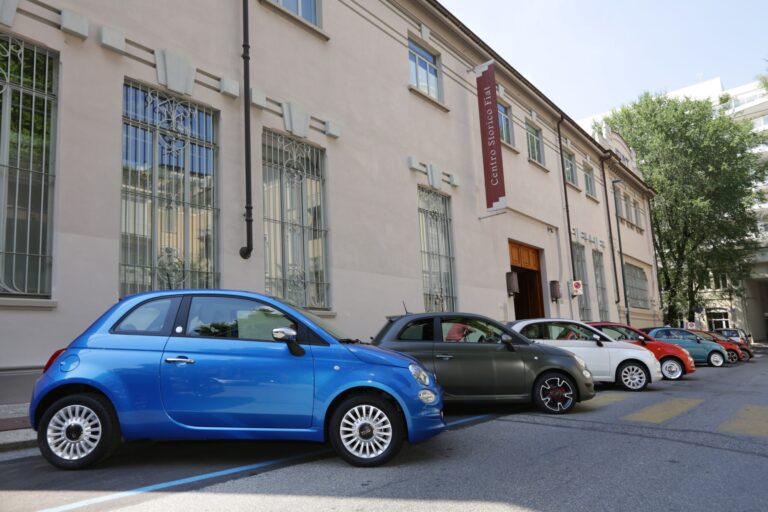
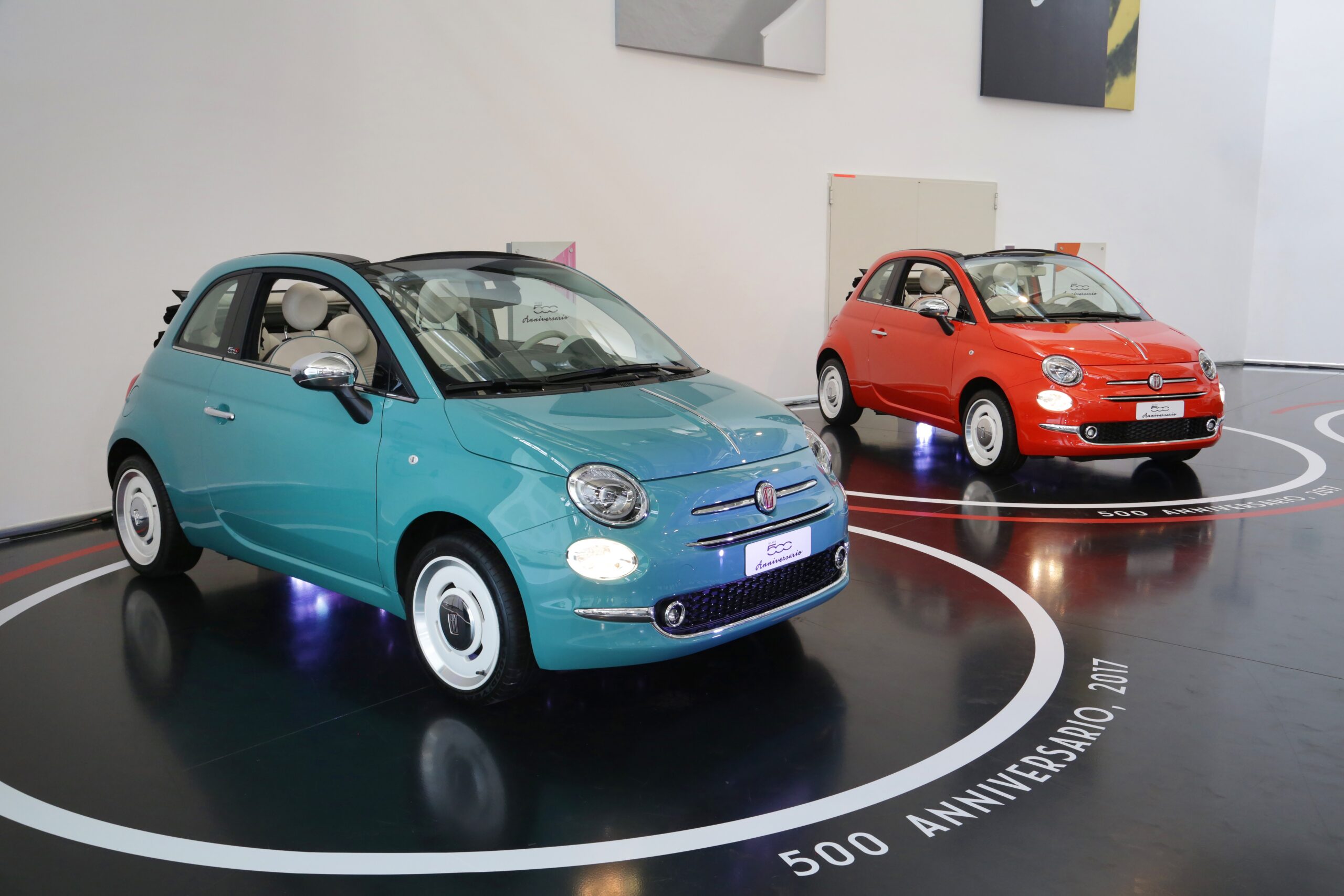
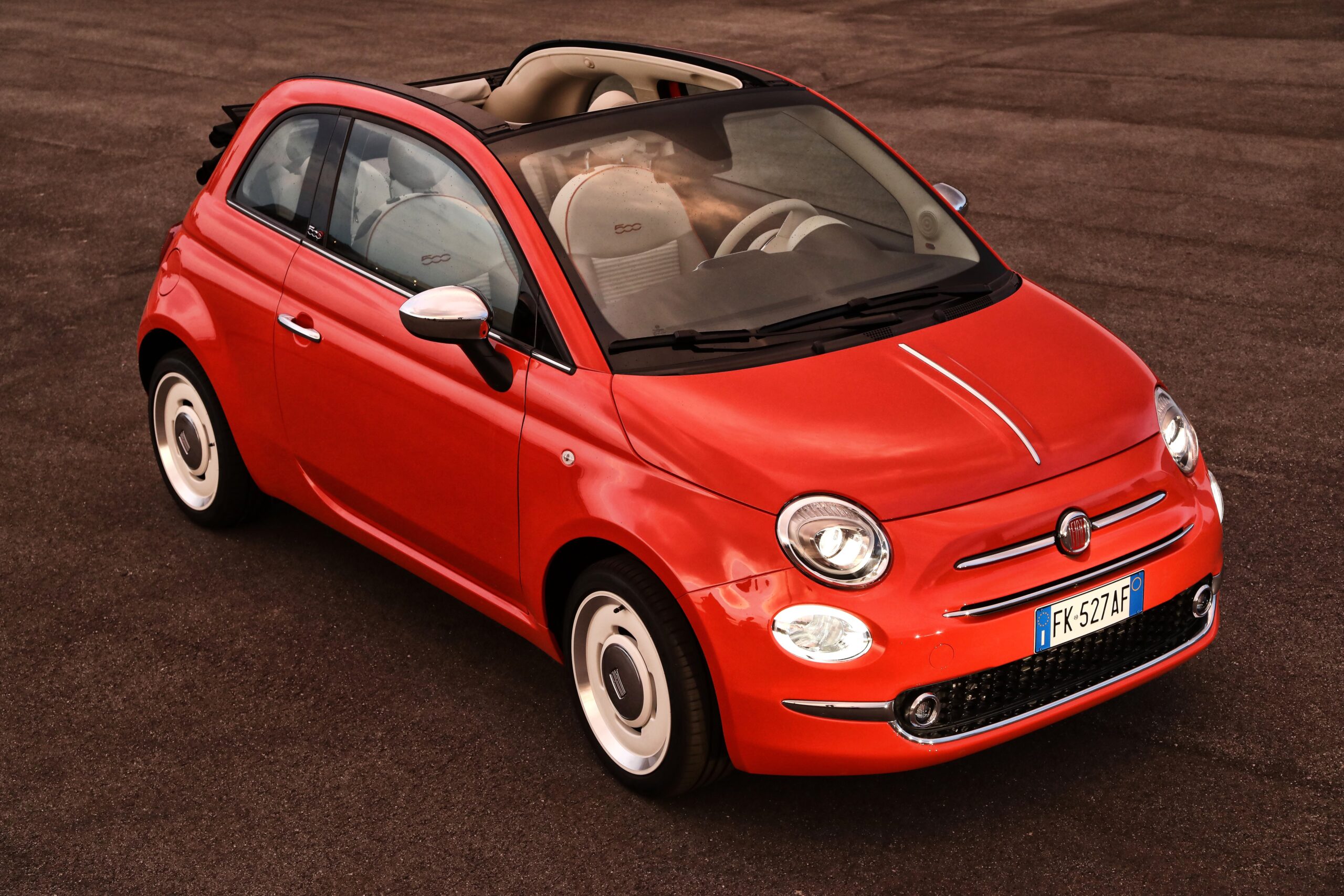
Since its introduction, the Fiat 500 has won the hearts of car enthusiasts with its retro design and compact size. The round headlights, distinctive grille and colourful body options make the car instantly recognisable. For city dwellers, its manoeuvrability and ease of parking offer practical advantages.
Yet its charm does not come without a darker side. Owners report various technical problems that can affect the driving experience. Electrical faults, transmission issues and engine-related concerns are common. Anyone considering buying a Fiat 500, or already owning one, would do well to look into Fiat car problems to be prepared.
Fortunately, the model’s popularity also means that many problems are well known and that solutions are available. With the right knowledge and preventive maintenance, the Fiat 500 remains an attractive choice for anyone looking for a characterful city car.
‘ The problems range from minor annoyances to expensive repairs. ’
Why the Fiat 500 can sometimes give you a headache
The Fiat 500’s reliability record scores inconsistently in international surveys. Many owners enjoy years of trouble-free motoring, but a significant group struggles with recurring technical issues. The problems range from minor annoyances to costly repairs.
Electrical faults attract the most attention. Sensors that fail too early, dashboard warning lights that stay on without an obvious cause and infotainment systems that freeze are frequently mentioned complaints. These issues are annoying but often not immediately dangerous.
The mechanical issues are more serious. Transmission problems in certain versions affect drivability. Engine issues such as high oil consumption or starting problems demand attention and timely action. Different model years and engine variants show varying levels of susceptibility to problems. This has an impact on purchasing decisions.
Engine problems: from oil consumption to ignition troubles
The TwinAir engine, a two-cylinder 0.9-litre petrol engine, is known for its lively character but also for its technical sensitivity. Owners regularly report high oil consumption, with some cars using a significant amount of oil between services. This requires regular checking of the oil level to prevent engine damage.
The older Fire engine, a 1.2-litre four-cylinder, shows different patterns. In this engine, starting problems and rough idling are common, often caused by ignition issues. Worn spark plugs or ignition coils can be responsible for these symptoms. Fortunately, these are relatively affordable parts to replace.
The larger variants of the Fiat 500 – the 500L and 500X – show additional sensitivity to engine problems. Stalling at low speeds or at idle does occur, as do stubborn engine warning lights that remain on. Leaks in the evaporative emission system (which captures petrol vapours) arise from ageing rubber hoses. These leaks cause rough idling and also increase fuel consumption.
Follow these tips to limit engine problems:
- Check the oil level every two weeks on TwinAir engines
- Replace spark plugs according to the service schedule or earlier if starting issues occur
- Have emission leaks investigated in good time by a specialist
- Do not fill the fuel tank right to the brim to protect the emission systems
The challenges of the transmission: with emphasis on the Dualogic
The Dualogic transmission deserves particular attention. This semi-automatic system shifts gears without a clutch pedal but frequently develops faults that affect the driving experience. Owners report harsh gear changes, jerky shifts and, in some cases, complete failure of the system.
The system is essentially a manual gearbox with electronic control that takes care of the shifting. The actuators that perform the gear changes can wear out or fail over time. This results in unpredictable shifting behaviour, with the car sometimes refusing to change gear or unexpectedly changing down.
Other problems occur in the manual versions. The clutch pedal can remain stuck to the floor, especially on 2012 models. This problem sometimes appears at relatively low mileages between 16,000 and 24,000 kilometres. Pressure plate issues cause the clutch to slip under load. This leads to expensive transmission damage, so it should be resolved in good time.
Recognise transmission problems by these signs:
- Harsh or delayed gear changes
- Vibrations while changing gear
- A clutch pedal that does not return
- Burning smell when accelerating
- Clutch slipping under load
Always have transmission problems investigated by a garage with Fiat experience. Minor faults can quickly escalate into costly repairs.
‘ Software updates do not always solve every problem. ’
Electronic faults: small irritations and more serious issues
Electrical problems are among the most frequently reported issues with the Fiat 500. Headlight and rear-light bulbs fail sooner than expected. This not only leads to replacement costs but also to safety risks and possible fines. Overheated contacts aggravate the problem.
The Blue&Me infotainment system often functions unreliably. Bluetooth connections that drop, unresponsive touchscreens and frozen systems frustrate owners. Software updates do not always solve every problem.
Window regulators, power locks and windscreen wipers develop faults that hinder everyday use. Windows that do not fully open or close pose safety risks and let water in. Randomly unlocking all doors via the central locking has also been reported.
Battery drain causes starting problems where the car suddenly ends up completely without power. Poor earth connections under the battery tray contribute to this. Keeping these grounding points clean and tight prevents many unexpected starting issues.
Dashboard warning lights that stay on without an obvious cause require diagnostics. The ESP system (electronic stability control, which keeps the car stable in bends and during evasive manoeuvres) sometimes displays error messages even though the system is functioning correctly. This calls for a thorough check by a specialist.
Suspension and chassis: comfort and handling at stake
Clunking or rattling noises over bumps usually point to worn components in the suspension. Strut mounts and control arm bolts have a hard life in city driving, with its many starts, stops and uneven road surfaces. These parts typically need replacing between 60,000 and 80,000 kilometres.
Owners of 2015 models report many suspension problems. Loud noises occur after going over bumps, when braking or in corners. Sometimes severe shaking occurs after hitting potholes. In many cases both shock absorbers have to be replaced, even if only one side shows obvious problems.
Premature wear of ball bearings occurs in 2012 models due to production issues. The bearings were not fully pressed into the housings. This leads to play in the suspension and unpleasant driving behaviour.
Watch out for these symptoms of suspension problems:
- Clunking or knocking noises over uneven road surfaces
- Shaking or vibration at higher speeds
- Uneven tyre wear
- The car pulling to one side while driving
- Increased sensitivity to crosswinds
Have the suspension checked annually during routine servicing. Early detection prevents minor problems from developing into dangerous situations or costly repairs.
Bodywork and interior: more than superficial damage
The Fiat 500 shows construction problems that go beyond merely cosmetic imperfections. Water enters around the windows, doors or roof. This is caused by ageing seals or poorly adjusted body panels. Moisture in the cabin leads to mould, unpleasant odours and damaged electronics.
Paint problems are particularly noticeable on certain colours. Black and bright red models are prone to fading and flaking on exposed areas such as the bonnet, roof and bumpers. Sunlight and weather conditions accelerate this process. Regular washing and waxing slows the deterioration.
The interior also has weak points. Loose trim pieces, clips that fall off and creaking noises while driving are common. Poorly secured dashboard panels and upholstery that frays after a few years have been reported. The quality of the materials used falls short of what owners expect.
Misaligned body panels affect not only appearance but also functionality. Doors that do not close perfectly let in wind and water. Boot lids that do not sit flush become entry points for water.
‘ The extra investment pays for itself in lower maintenance costs. ’
Prevention and maintenance: keeping your Fiat 500 in top condition
Regular maintenance makes the difference between a reliable Fiat 500 and a car that spends a lot of time in the workshop. Follow the manufacturer’s recommended service schedule closely. Do not skip a service, even if the car has covered only a few miles.
Between services, check these points yourself:
- Oil level every two weeks, especially on TwinAir engines
- Tyre pressures monthly, for comfort and safety
- Operation of all lights weekly
- Condition of windscreen wipers before the rainy season
- Fluid levels such as screenwash and coolant
Invest in high-quality replacement parts. Cheap bulbs fail sooner and need replacing more often. Quality brake discs and pads perform better and last longer. The extra investment pays for itself in lower maintenance costs.
Keep earth points in the engine bay and under the battery tray clean and tight. This simple maintenance prevents many electrical issues and starting problems. Clean the contact points annually and check for corrosion.
Choose a garage with Fiat knowledge and experience. General workshops sometimes lack specific insight into make-specific problems. A specialist recognises known issues more quickly and has the right diagnostic equipment.
Buying advice: what to look out for with a used Fiat 500
Start with the service book. A fully stamped book with regular services at authorised dealers or specialists indicates good care. Missing stamps or long gaps are warning signs.
Test the Dualogic transmission thoroughly if the car is equipped with it. During the test drive, shift through all gears and pay attention to harsh changes, hesitation or delayed responses. Accelerate firmly and brake to assess behaviour under load.
Check all electrical systems thoroughly. Test all windows, mirrors, lights and the infotainment system. Pair a phone via Bluetooth and test the connection. Check that dashboard warning lights illuminate when starting and then go out again.
Inspect the bodywork for water ingress and rust. Feel under the floor mats for damp carpet. Check the boot for signs of water. Open the bonnet and look for rust around welds and in hard-to-reach areas.
Ask about known issues that have been resolved. Honest sellers will openly share which repairs have been carried out. Ask for invoices for the work done as evidence.
Consider these specific points of attention by model year:
- 2012 models: clutch problems and suspension ball bearings
- 2015 models: shock absorbers and suspension components
- Models built between August and December 2018: possible right driveshaft issues
- Models from June to September 2012: brake system pipe that may become damaged
Have an independent specialist carry out a pre-purchase inspection. The cost of an inspection is small compared to the risk of unexpected repair bills shortly after buying.
Is the Fiat 500 a good choice despite everything?
The Fiat 500 remains an attractive car for anyone who values charm and urban agility. The design appeals and the compact dimensions make parking in busy cities easy. For shorter journeys and city driving, the car offers practical benefits.
The technical problems do, however, call for realistic expectations. Anyone looking for a completely trouble-free car may find better alternatives. The Fiat 500 requires regular attention and maintenance. At times you have to tolerate minor defects. Petrol models are generally more reliable than diesel versions.
Ideally, buy a newer model with a complete service history and avoid the Dualogic transmission if you are unsure about its reliability. The manual version offers more driving pleasure and less technical complexity. Expect higher maintenance costs than with comparable Japanese or German city cars.
The Fiat 500 rewards owners who are willing to invest in maintenance and who can appreciate small quirks as part of its Italian character. With the right care and a preventive approach, the car remains usable and enjoyable to drive for many years.