

Fiat 500X: common problems and what you need to know about them
The Fiat 500X combines Italian design with the practical proportions of a compact crossover, but it suffers from a series of persistent reliability problems that become especially apparent after 75,000 kilometres. From engine stalling and transmission failure to electrical faults and brake issues, owners regularly report technical problems that not only bring costs, but also pose safety risks. Is this 500X worth it for a carefree driving experience, or does this model give you more headaches than you bargained for?
The character of the Fiat 500X: design meets practicality
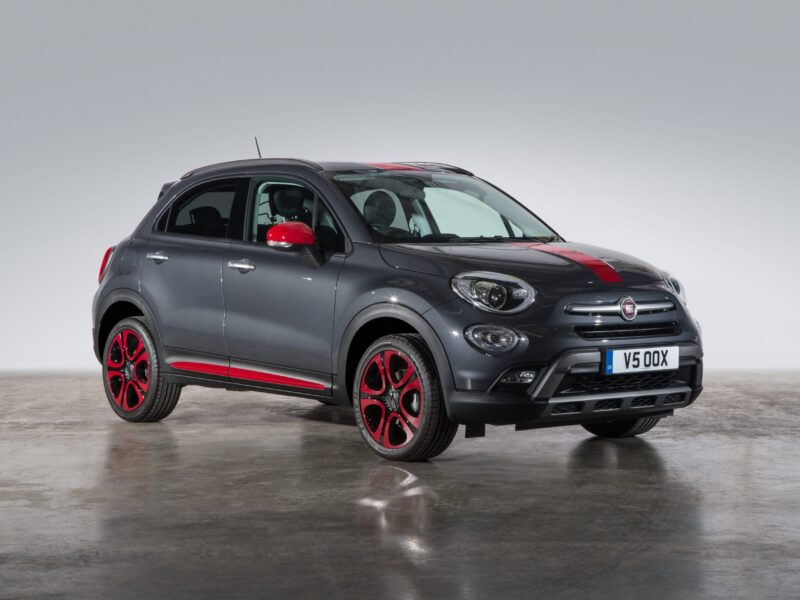
The Fiat 500X is a compact crossover. The model is aimed at drivers who appreciate the distinctive retro design of the Fiat 500. These drivers need space for a young family or an active lifestyle. The model came onto the market in 2014 and positions itself between a city car and a mid-size SUV. The high-riding body offers more seating space than the regular 500. The relatively modest dimensions keep the car agile in urban traffic.
In terms of engines, the 500X has been offered with several options, from small turbocharged petrol units to a diesel variant. The transmission options include a manual gearbox or an automatic. The driving experience is focused on comfort and ease of use, with light steering and compliant suspension. The suspension absorbs small bumps. For those interested in a broader context around this brand, Fiat car problems provides an overview of the most common issues with different models.
‘ The reputation of the 500X is affected by this: although the model is attractive in terms of looks and price, reliability concerns weigh heavily for potential buyers. ’
Overall reliability and reputation of the 500X
The reliability of the Fiat 500X is, according to owners and experts, an important point of concern. Many drivers report problems. These problems are clustered around specific mileage, often between 75,000 and 90,000 kilometres. The complaints are wide-ranging and concern the engine, transmission, electrical systems and brakes. These issues lead not only to higher maintenance costs, but also to a lower residual value compared with competitors in the compact crossover segment.
Some owners describe long workshop visits. The car is then unusable for several days. The combination of technical problems and the availability of parts leads to frustration. This is especially the case when faults reoccur after repair. The reputation of the 500X is affected by this: although the model is attractive in terms of looks and price, reliability concerns weigh heavily for potential buyers.
Common engine problems with the Fiat 500X
Engine problems are among the most frequently reported complaints. One recurring issue is excessive oil consumption. The engine uses significantly more oil than the specifications prescribe. This leads to a low oil level. A low oil level results in wear and, in the worst case, engine failure. Drivers also report that the engine suddenly cuts out while driving at low speeds or when the car is idling.
The engine warning light, the so-called check engine light, remains on continuously for some owners. This is often caused by emission problems or fault codes. These fault codes relate to sensors in the exhaust system. Another common problem is overheating. Faulty cooling fans mean the engine is not cooled sufficiently. This activates warning lights. In serious cases this leads to engine damage.
Important symptoms to recognise:
- Sudden stalling of the engine while driving or when stationary
- Bluish-grey smoke from the exhaust, indicating oil burning
- Frequent illumination of the check engine light
- Temperature warnings on the dashboard
Check the oil level weekly and top up if necessary. Use an OBDII scanner to read fault codes so that you can intervene at an early stage. If overheating recurs, have the cooling fan and thermostat checked.
Transmission problems: manual and automatic
Both the manual and automatic gearboxes of the Fiat 500X suffer from specific problems. With the automatic transmission, owners regularly report that the gearbox starts slipping, especially at higher mileages. This means that the connection between engine and wheels is not optimal, resulting in sluggish acceleration and an unpleasant feeling while accelerating.
Gear changes can feel rough, with noticeable jolts when shifting between gears. The transition from first to second gear is often particularly jerky. In some cases the transmission refuses to engage at all, leading to complete failure and expensive repairs. With the manual version, it happens that the reverse synchroniser fails as early as around 24,000 kilometres. This component ensures smooth shifting into reverse.
Hot climates and aggressive acceleration make these transmission problems worse. Accelerate gently. Do not put unnecessary strain on the transmission. Have the transmission oil changed according to the manufacturer’s advice, or even earlier, to slow down wear. At the first signs of slipping or harsh gear changes it is wise to act immediately, as further wear can lead to costly repairs.
‘ This poses a direct safety risk. ’
Electronic faults and infotainment issues
Many 500X owners experience problems with electrical systems. The battery regularly fails or does not charge sufficiently. The car then will not start. Sometimes a battery test indicates that the battery is fine. The cause often lies with a weak or defective alternator that does not charge the battery sufficiently while driving.
The Uconnect infotainment system shows intermittent faults. The screen sometimes switches off, then starts working again. The screen can suddenly go black. The radio stops working. Functions do not respond to touch input. Some owners report that the headlights and daytime running lights go out while driving for no obvious reason. This poses a direct safety risk. These problems are often the result of poor electrical contacts or software bugs in the electronic modules.
Practical measures to limit electrical problems:
- Have the alternator output tested during routine servicing
- Keep a jump-start kit in the car for emergencies
- Reset electronic modules if warning lights persist by briefly disconnecting the battery
- Check fuses and relays if lighting or infotainment fails
These electrical faults are difficult to predict, but a properly functioning alternator and regular checks of the electrical systems can help prevent more serious problems.

Problems with chassis and suspension
The chassis and suspension of the Fiat 500X can show wear, which manifests itself in various symptoms. Shock absorbers wear out over time, leading to an uncomfortable driving experience, with more bouncing and pitching over uneven surfaces. Sometimes there are knocking or clunking noises when cornering or driving over bumps. These noises indicate wear in the rubbers, bushes or links in the suspension.
Springs can sag or break, especially at the front. This negatively affects ground clearance and road holding. At higher speeds the car can feel unstable when the shock absorbers or springs are worn. Poor road surfaces or driving with a fully loaded boot make these problems worse.
Regularly check the suspension by paying attention to abnormal noises and uneven tyre wear. Have the rubbers and bushes inspected at every service so that wear is detected in time. Replace shock absorbers and springs in pairs to maintain balance.
Brakes and steering: safety and maintenance
The braking system of the Fiat 500X suffers from specific problems. These problems directly affect safety. The electronic parking brake can jam in the locked position. The car can then no longer be driven until the problem is resolved. Some owners report creaking or sticking brakes, indicating wear or corrosion of the brake callipers.
Owners have reported cracks in the right rear brake calliper. These cracks can significantly reduce braking power and represent a safety risk. In addition, squeaking brakes occur. This is sometimes due to excess sealant. This sealant is located between the calliper and the bracket. Passive safety features such as electronic stability control switch off accidentally. This puts the driver in dangerous situations.
The steering system rarely shows major problems. Some owners notice a lack of feel or slight wear in the power steering. This can lead to less precise handling and fatigue on longer journeys.
Make sure you have the brakes inspected at every service. Clean the brake callipers if squeaking noises occur. Check the electronic parking brake by engaging and releasing it regularly. React immediately to warning lights related to the braking system or safety features.
‘ Owners report fire risk due to defective wiring. ’
Other relevant problems
In addition to the issues already mentioned, there are some less frequent problems. Water leaks around the windows and roof. This can lead to damp inside the car, misted-up windows and, in the long term, rust or mould. The cause is often ageing or damaged rubber seals.
Build quality shows weak spots. Various parts wear quickly. Door handles are fragile. They work loose under normal use. They break under normal use. The trim panel on the tailgate can come loose, making it harder to open. The headlining inside can start to sag, and seat covers sometimes come apart at the seams. These cosmetic issues do nothing for the overall impression of quality.
The air conditioning does not always work optimally, especially on older models. Loss of refrigerant or defective compressors lead to reduced cooling performance. Owners report a fire risk due to defective wiring. This is a serious safety issue. The car goes into limp mode. This is an emergency mode that limits engine power. The engine restricts its power. Warning lights come on with no clear cause.
Regularly check the rubber seals around windows and doors and replace them if damaged. Use silicone sealant to fix small leaks. Replace fragile door handles preventively with aftermarket parts, which are often sturdier. Have the air conditioning checked annually for refrigerant loss.
Maintenance tips and preventing problems
Preventive maintenance is essential with the Fiat 500X. Replace the battery and alternator before 80,000 kilometres. This is especially important when the car is hard to start. It is also important when electrical systems are intermittent. Check the oil level weekly and top up in good time to prevent engine damage. Use the oil recommended by the manufacturer and follow the replacement intervals.
Have the transmission oil changed. This is not explicitly included in the service schedule, but it does slow wear and can postpone expensive repairs. Inspect the brakes at every service and clean the callipers to combat corrosion and wear. Regularly test the electronic parking brake to prevent it from seizing.
Regularly check the electrical systems. Take warning lights seriously. Have fault codes read with an OBDII scanner and take action if warnings persist. Check the cooling fan and thermostat regularly to prevent overheating. Replace worn suspension parts in pairs to maintain balance.
Plan your maintenance consistently. Keep all invoices and reports. This not only helps you monitor the condition of the car, but also increases its resale value if you decide to sell. Use local garages for routine servicing where possible, but have complex electrical and transmission problems handled by specialists.
What to check when buying a used Fiat 500X
Considering buying a used Fiat 500X? Then check the following points thoroughly. Ask for the maintenance history. See whether the transmission oil, oil and filters have been replaced regularly. Look for notes about previous transmission or engine problems, as these can reoccur.
Start the car. Listen for irregular engine noise, ticking or knocking. Check whether the check engine light comes on. Check whether any warning lights are on. Test the electronic parking brake and make sure the brakes work smoothly without squealing or grinding. Take a test drive. Pay attention to harsh gear changes, gearbox slip and abnormal noises from the suspension.
Key points to look out for during inspection:
- Check the oil level and the colour of the oil; black or thick oil points to poor maintenance
- Inspect the brake callipers for cracks, rust or corrosion
- Test the Uconnect infotainment system for intermittent failure
- Look at the condition of door handles, headlining and seat covers
- Check around the windows and roof for signs of water leaks
- Ask whether recalls have been carried out; pay particular attention to recalls for brakes and cooling
If in doubt, have an independent garage carry out an inspection. The cost of this does not outweigh the risks of a car with hidden defects. Consider models with mileage below 75,000, as many problems appear after that point.
‘ In that case the 500X can be a pleasant car, but without that level of care you run the risk of major disappointment. ’
The Fiat 500X: weighing up fun and practicality
The Fiat 500X attracts many car enthusiasts with its design. The model offers a pleasant mix of style and practical space. This is ideal for use both in the city and in the countryside. However, the numerous reliability problems form a serious drawback. Engine, transmission, electrical systems and brakes regularly give trouble, especially after 75,000 kilometres.
Owners need to carry out preventive maintenance. Vigilance is essential to keep the car reliable. Maintenance and repair costs can be higher than with rival models. The lower residual value makes the 500X less attractive for those who want to sell it on after a few years.
Are you thinking of buying a Fiat 500X? Then weigh the design and driving experience against the risks. Weigh them against the costs. Make sure you maintain it thoroughly, carry out regular checks and respond quickly to signs of wear or defects. In that case the 500X can be a pleasant car, but without that level of care you run the risk of major disappointment.