
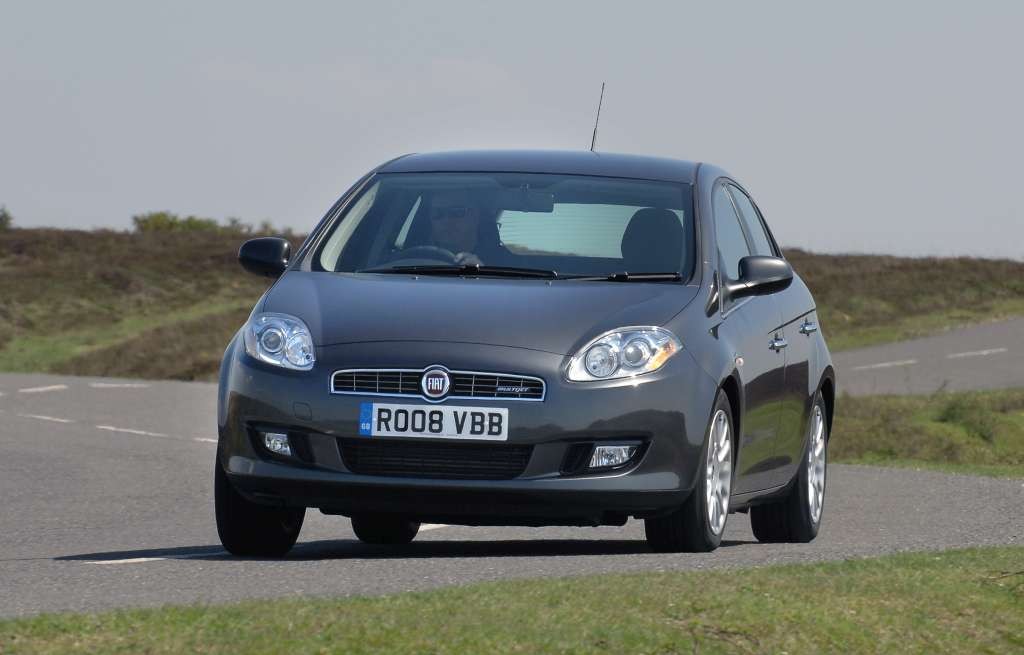
Fiat Bravo: the stylish Italian with a downside
The Fiat Bravo offers compact comfort, Italian design and pleasant city driving behaviour, but suffers from engine problems, electrical faults and susceptibility to rust, which regularly lead to high maintenance costs. Before you let yourself be tempted by its attractive looks, it is wise to thoroughly understand the common technical weak points of this model. Read on to discover exactly what you need to look out for.
Fiat’s reputation and where the Bravo fits in
Fiat is certainly not at the top of the reliability rankings of European car brands. Over the years, the Italian marque has built up a mixed reputation, where style and character often seem more important than technical durability. The Bravo fits this image well: a compact hatchback with appealing lines and a sporty character. However, its technical track record regularly causes problems for owners.
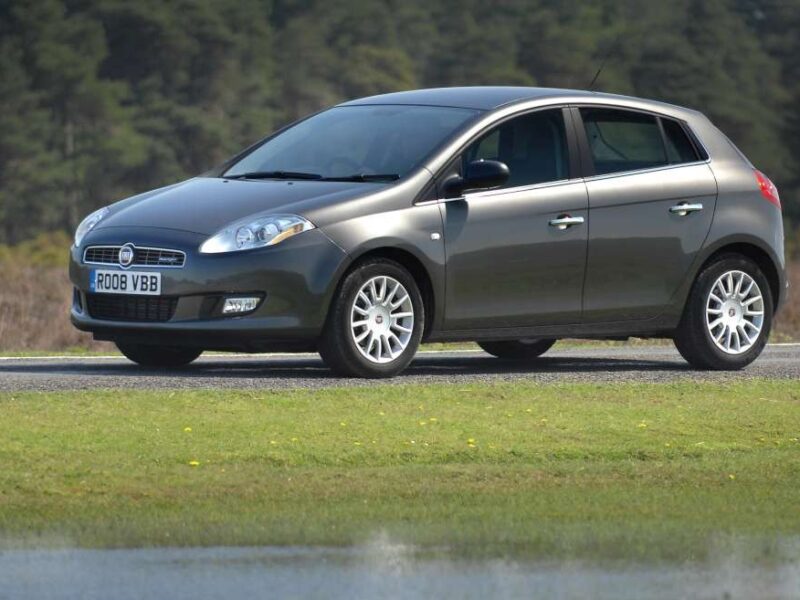
The second-generation Bravo, which was on the market between 2007 and 2014, represented Fiat’s attempt to make a strong stand in the competitive C-segment. The model had to compete with established names such as the Volkswagen Golf, Ford Focus and Opel Astra. On paper, the Bravo scored well with modern engines and a well-equipped cabin. In practice, and according to owner experiences, the picture has been less rosy. On Fiat car problems reports frequently crop up that specifically concern the Bravo, ranging from minor electronic quirks to costly engine failures.
‘ This can lead to serious engine damage if you do not spot it in time. ’
Engine problems: a closer look at T-Jet and MultiJet
The Fiat Bravo was offered with several petrol and diesel engines, with the 1.4 T-Jet petrol engine and the 1.6 and 1.9 MultiJet diesel engines being particularly popular. Both engine types have their own typical problems that you, as an owner or potential buyer, need to be aware of.
With the T-Jet petrol engine, problems with the exhaust manifold are common. Due to high temperatures, this component can develop cracks, resulting in loss of power and a characteristic ticking noise from the engine bay. The repair is expensive because the complete manifold often has to be replaced. In addition, the T-Jet engines are prone to carbon build-up in the intake system, which leads to rough idling and reduced performance.
The MultiJet diesel engines have their own challenges. The EGR valve regularly clogs up due to carbon build-up, especially on cars that mainly do short city journeys. A clogged EGR valve causes poor fuel efficiency, hesitation and warning lights appearing on the dashboard. Regular cleaning of the EGR valve can help, but often replacement is unavoidable after some time.
Another common issue on the diesel variants is engine oil contamination. With frequent city driving, unburnt diesel can end up in the engine oil. As a result, the oil level rises and the lubrication properties deteriorate. This can lead to serious engine damage if you do not spot it in time. Therefore regularly check the oil level and quality, and have the oil changed according to the service schedule.
Timing belt: a critical component
Both the petrol and diesel engines in the Bravo use a timing belt which, if it fails, leads directly to severe engine damage. Fiat recommends replacement every 60,000 kilometres or after three years, whichever comes first. Many owners of second-hand Bravos discover that the belt has not been replaced on time, which poses a significant risk.
When buying a used Bravo, checking the timing belt history should therefore be your first priority. Ask for proof of servicing and, if in doubt, have a new belt fitted immediately. The cost of replacing a timing belt is between €400 and €700, depending on the engine and the garage. That may seem a lot, but it is a fraction of what engine damage from a broken belt will cost.
Cooling system and overheating
Overheating problems are common on the Fiat Bravo, especially on older examples. The causes range from clogged radiators and faulty thermostats to leaking hoses. A milky, thick deposit under the oil filler cap is a warning sign that coolant is mixing with the engine oil, often caused by a failed cylinder head gasket.
Check the coolant level regularly and look for leaks under the car. Make sure the radiator stays clean and that the cooling fan is operating correctly. At any sign of overheating you should stop immediately and have the cause investigated, otherwise further damage can follow very quickly.
‘ This transmission is notorious for its erratic behaviour and jerky gear changes. ’
Transmission and clutch: signs of slipping and groaning noises
The Bravo’s manual gearbox is generally reasonably reliable, but the clutch can cause problems, especially on cars with high mileages. Owners regularly report a slipping clutch, noticeable when the revs rise without the car accelerating. This problem occurs mainly with aggressive driving or on models that have done more than 100,000 kilometres.
Groaning or squeaking noises when pressing the clutch pedal are also reported. This often points to a worn release bearing or dried-out mechanical components. Replacing the clutch is an expensive job, costing between €600 and €1,000 for parts and labour.
Some Bravo models were also supplied with an automated manual gearbox. This transmission is notorious for its erratic behaviour and jerky gear changes. Regular servicing and software updates can help, but many owners experience the system as unpredictable and uncomfortable.
Electronics and electrical faults: a persistent problem
Electrical problems are among the most frequently reported complaints from Fiat Bravo owners. The dashboard regularly lights up with various warning lights that sometimes appear and disappear without any clear reason. These lights are often the result of faulty sensors or software errors in the control units.
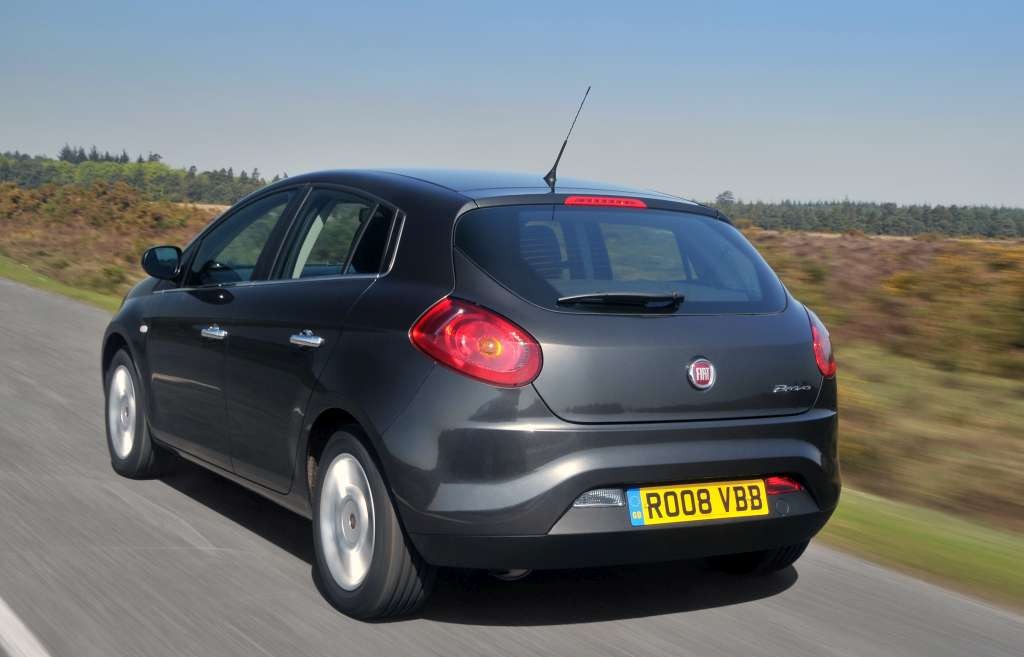
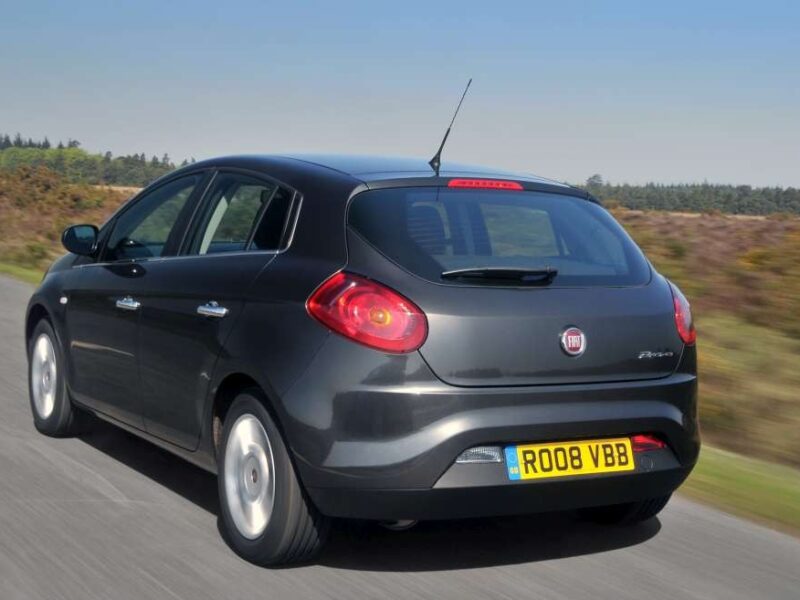
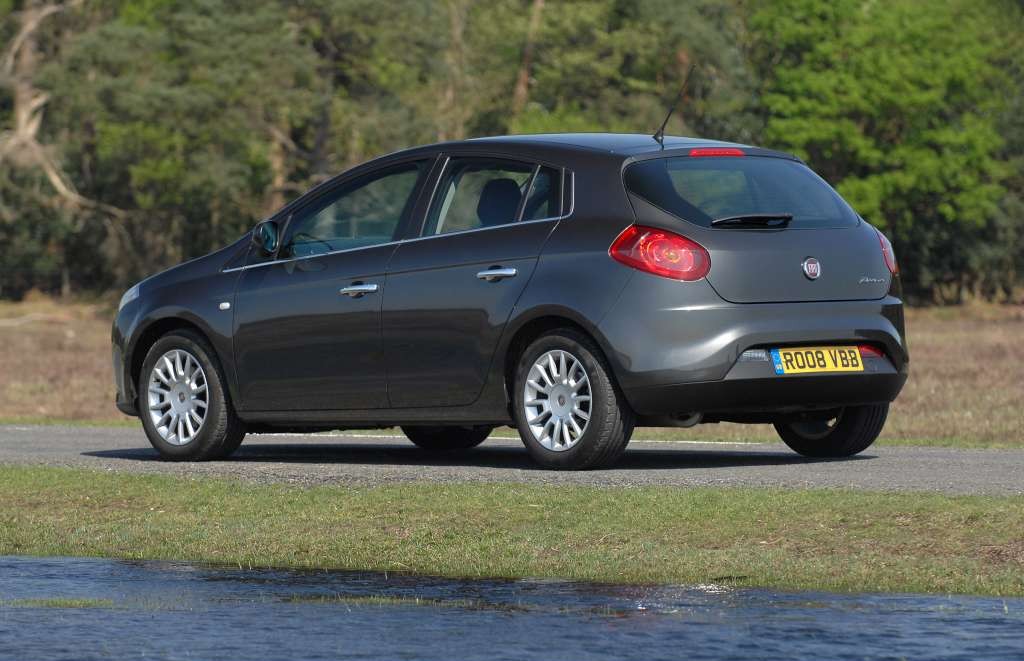
A common issue is failure of the electric window controls. The motors that operate the windows fail, or the switches give up. The third brake light above the rear window also suffers from reliability problems due to weak wiring and moisture ingress.
Other electrical oddities include:
- Crackling or non-responsive buttons on the dashboard
- Faults in the air conditioning controls
- Problems with the central locking
- Error messages from the ABS and ESP systems
During a test drive, thoroughly test all the electrical functions. Operate all windows, buttons, lights and infotainment systems. For persistent electrical issues, a thorough diagnosis by a specialist garage can help trace the cause. Sometimes a software update fixes the problem, but often components need to be replaced.
Suspension, brakes and steering
The suspension of the Fiat Bravo wears out faster than you would expect from a modern car. Knocking noises over bumps, uneven tyre wear and deteriorating road holding are common symptoms of worn suspension components. According to warranty data, suspension issues are among the most common claims on this car.
On a used Bravo, check the following suspension components for wear:
- Control arm bushes and ball joints
- Shock absorbers and springs
- Anti-roll bar links and bushes
- Wheel bearings, which produce a droning noise when faulty
The Bravo’s brakes also deserve extra attention. Brake discs and pads on some models wear faster than average. In addition, the brake pedal itself can wear due to mediocre finishing, resulting in a spongy feel or reduced braking response. If necessary, replace the pedals with improved versions available from aftermarket suppliers.
The steering system and leather steering wheel also sometimes show quality issues. The leather can crack or peel after a few years, and the Fiat badges on the steering wheel and wheels are prone to corrosion.
Signs of suspension problems
During a test drive, drive over different types of roads. Go over speed bumps and through bends, and listen for unusual knocks, groans or rattling noises. Check whether the car continues to drive straight without constant steering correction. Uneven tyre wear is a clear sign that the wheel alignment is off or that suspension components are worn.
‘ Fiat does offer an eight-year anti-corrosion warranty, but this only applies to panels that have rusted through, not to surface rust. ’
Interior and bodywork quality
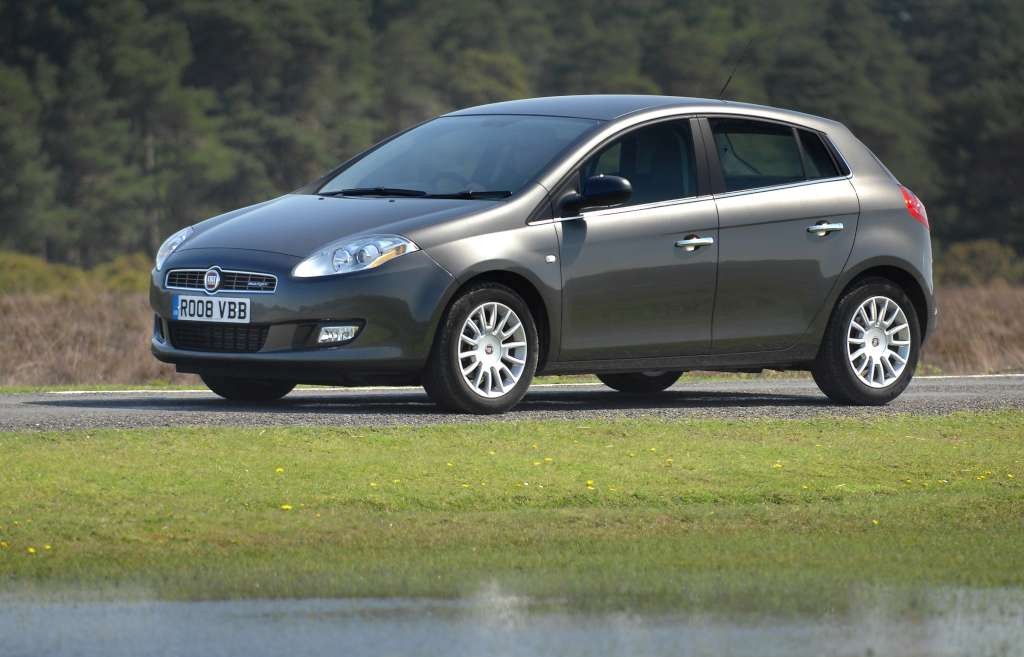
The interior of the Fiat Bravo looks modern and well equipped on newer examples, but after five years or more of use, its weaknesses start to show. Plastic parts can crack, rubber seals harden and lose their flexibility, and the upholstery shows premature wear.
The quality of the bodywork is another point to watch. The Bravo is prone to rust, especially around the boot lid and tailgate. Water leaks can cause rust on the underside of the car, out of sight. Fiat does offer an eight-year anti-corrosion warranty, but this only applies to panels that have rusted through, not to surface rust.
During a pre-purchase inspection, check carefully for:
- Seams and welds for signs of rust
- The underside of the boot floor and tailgate
- Sills and wheel arches
- The exhaust and exhaust manifold for rust and cracks
If you spot rust at an early stage, you can often still take preventive action with protective treatments. Have rust spots treated immediately to prevent further spread.
Prevention and maintenance tips for Bravo owners
Good maintenance can prevent or delay many of the common problems on the Fiat Bravo. Follow the maintenance schedule recommended by the manufacturer closely, paying particular attention to the following points:
- Replace the timing belt at no more than 60,000 kilometres or three years
- Check the engine oil regularly for quality and level, especially on diesel engines
- Clean or replace the EGR valve periodically to prevent clogging
- Have the clutch checked on cars with more than 100,000 kilometres
- Regularly test all electrical functions and have faults repaired immediately
- Inspect the cooling system annually for leaks and replace coolant according to schedule
- Check the suspension and wheel alignment if you notice unusual noises or tyre wear
For city drivers with a diesel version, it is important to make regular longer trips. This brings the engine up to temperature and prevents problems. In this way you reduce carbon build-up and avoid mixing of fuel and oil. Always use high-quality engine oil that meets Fiat’s specifications.
What should you look out for when buying a used Bravo?
Are you looking for a second-hand Fiat Bravo? Then the checklist below will help you avoid the biggest pitfalls:
- Ask for a complete service history with proof of timing belt replacement
- Check whether the oil has been changed regularly, especially on diesel engines
- Thoroughly test all electrical functions during a test drive
- Inspect the bodywork carefully for rust, including hidden areas
- Listen for unusual noises from the engine, transmission and suspension
- Watch out for warning lights on the dashboard and ask about them
- Check the tyres for uneven wear
- Ask whether known issues such as EGR valve or clutch problems have already been resolved
- If in doubt, have a pre-purchase inspection carried out by an independent expert
Preferably choose the 1.4 or 1.6 petrol engine, which are generally regarded as more reliable than the larger or more complex variants. Avoid examples that have clearly been neglected or where servicing has been postponed.
‘ The choice is yours. ’
Is the Fiat Bravo worth considering despite its problems?
The Fiat Bravo undeniably offers an attractive package for anyone who loves Italian design and a nippy, compact hatchback. The car is pleasant to drive, especially in town, and on newer examples the interior feels modern and well equipped. Fuel consumption is between 7 and 11 litres per 100 kilometres, depending on the engine and driving style, which is reasonable for this class.
At the same time, you need to be realistic about the technical shortcomings. The engine issues, electrical faults and susceptibility to rust are serious drawbacks that regularly lead to unexpected costs. Allow a generous budget for maintenance and set money aside for repairs that will be needed sooner or later.
For a buyer who is prepared to carry out proactive maintenance, replace the timing belt on time and stay alert to early warning signs of problems, the Bravo can still be an affordable and enjoyable car. However, anyone looking for a carefree ownership experience would be wise to consider alternatives in the C-segment that have a better reputation for reliability.
In the end, the Fiat Bravo is all about a conscious trade-off: do you accept Italian character, with all the attention and costs that come with it, or do you prefer a more pragmatic alternative that gives you fewer worries? The choice is yours.