
Fiat Grande Punto: common problems and what you need to know
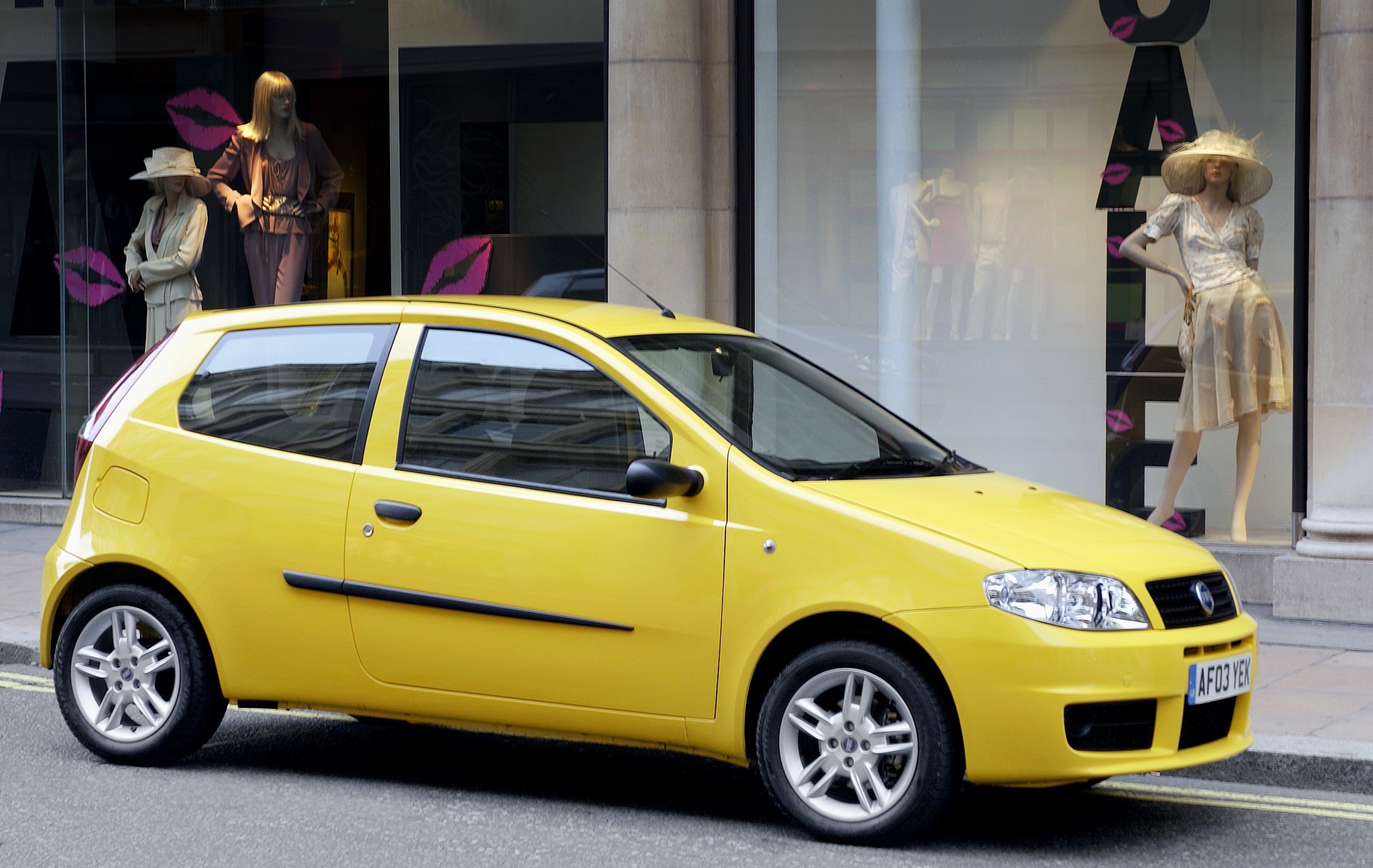
The Fiat Grande Punto is a compact city car that sold in the millions between 2005 and 2012. With affordable maintenance costs and playful handling, this model won many hearts, but behind the tough exterior hides a list of technical issues that every current and future owner needs to know about. From leaking shock absorbers to creaking interiors and temperamental electronics: the Grande Punto has built up a reputation that deserves honesty. Are you planning to buy one, or do you already drive one and want to know what you need to look out for?
Why this guide to Grande Punto problems?
An overview of common problems helps you avoid disappointment and unexpected costs. If you know which parts are vulnerable, you can carry out targeted checks before buying. After that you can plan focused maintenance. The Grande Punto is popular on the used market, mainly because of its low purchase price. That makes it all the more important to understand which hidden costs might be waiting for you.
Many owners report that the car performs fine up to around 100,000 kilometres. After that the first issues start to appear. Above 150,000 kilometres you should set aside money for repairs to suspension, electronics and engine. If you want to buy smart or maintain it for the long term, knowledge of the weak points is essential. A detailed overview of Fiat car problems provides insight into the broader context of typical Fiat faults.
‘ Still, you should count on 500 to 1,000 euros a year in maintenance and repair costs once the car has passed 150,000 kilometres. ’
Overall reliability and reputation of the Grande Punto
The reliability figures for the Fiat Grande Punto paint a mixed picture. In the first 100,000 kilometres many owners report few to no major problems, especially with the T-Jet variants. These versions are popular because they combine punch with good fuel economy. After that, the number of faults increases, particularly in the areas of suspension, brakes and electronics.
Owner experiences show that brakes account for 48 percent of all claims, with average costs of 130 euros per repair. Engine problems follow with 17 percent of claims and average costs of 410 euros. Suspension problems make up 13 percent and cost an average of 185 euros. The gearbox is responsible for 9 percent of claims but, at 670 euros per repair, is considerably more expensive.
Many owners see the Grande Punto as an affordable car that is particularly suitable for people who are handy with basic repairs. Parts are relatively cheap and are often easy to replace yourself. Even so, you should reckon with 500 to 1,000 euros a year in maintenance and repair costs once the car has passed 150,000 kilometres.
The most common engine problems
The Grande Punto engines are generally reliable. After extended use, however, they show specific weaknesses. The head gasket fails after 150,000 to 200,000 kilometres. This shows up as increasing oil consumption and loss of coolant. Worn valve stem seals are often the cause. These allow oil to leak into the combustion chamber.
Oil consumption is a frequently reported problem, especially with older examples with high mileages. For that reason, check the oil level regularly and top up when necessary. When buying, have a compression test carried out. This allows you to assess the condition of the engine. Low compression in one or more cylinders indicates wear. This means wear to pistons, valves or gaskets.
Replace valve stem seals as a preventive measure. This prevents expensive engine damage. The costs are around 400 to 600 euros, but that is considerably less than a full engine rebuild. Make sure the engine does not overheat, as this speeds up wear on gaskets and seals.
Transmission and clutch: points to watch
The Grande Punto’s manual gearbox is generally solid but does have a few weak points. Leaking seals cause oil loss. In the long term this leads to increased wear of the internal components. Noisy bearings are another common problem. This mainly occurs at higher speeds. It can also happen in certain gears.
The clutch typically lasts 150,000 to 200,000 kilometres, depending on driving style. Aggressive gear changes shorten its lifespan. Spending a lot of time in stop-start traffic also shortens its lifespan. Symptoms of a worn clutch include slipping, difficulty engaging gears and a high biting point on the clutch pedal.
Some models have an automated manual gearbox, such as the Dualogic. In these models the situation is different. The clutch software and mechanical components wear out after 100,000 to 150,000 kilometres. This results in jerky gear changes and sometimes complete failure. Repairing an automated manual is expensive and not always successful. Think carefully about whether you really want a car with this type of gearbox. Otherwise, deliberately opt for a manual gearbox.
‘ The steering column switch is notorious for faults in lighting, wipers and rear lights. ’
Electrical faults: a well-known Fiat issue
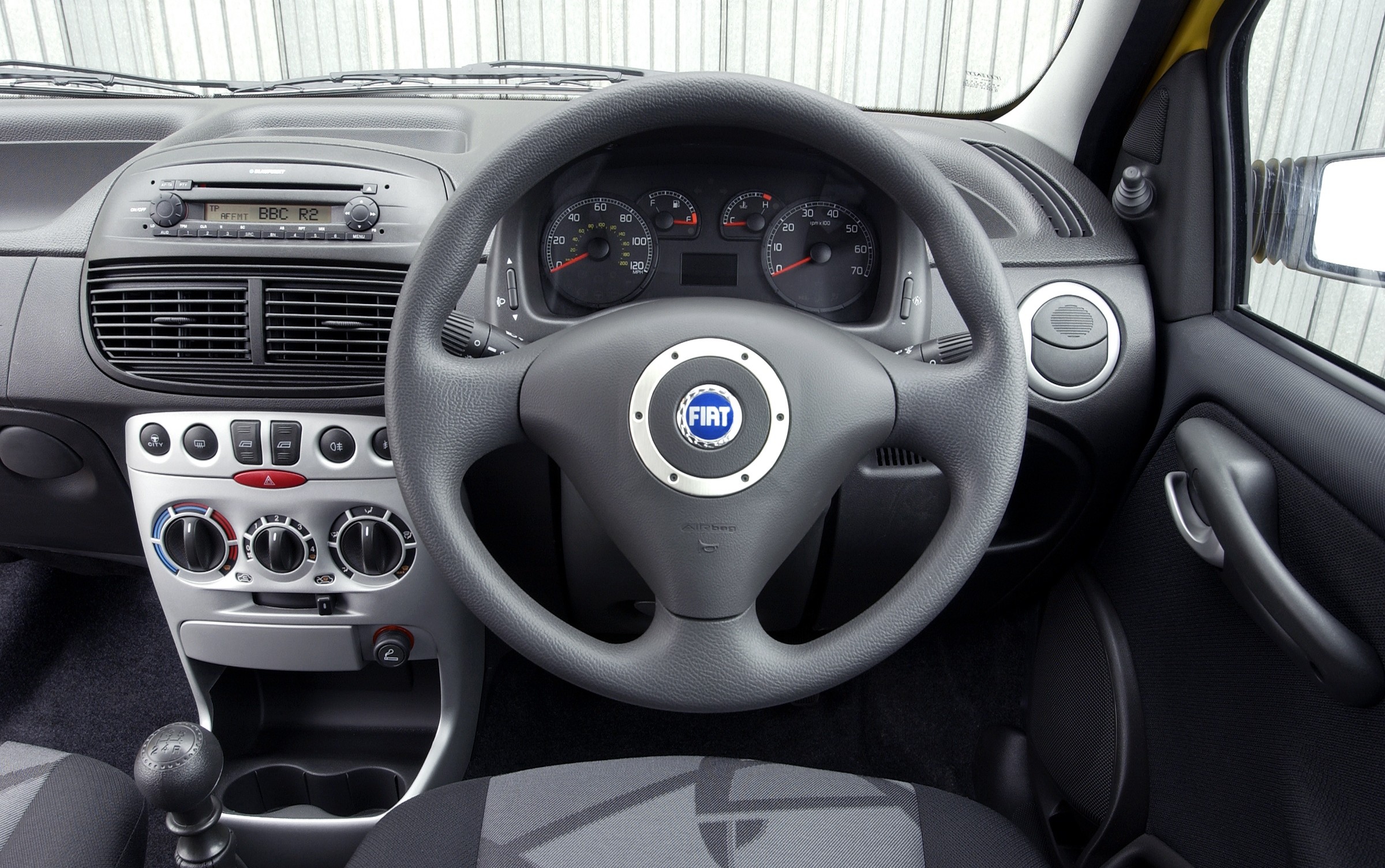
Electrical problems are among the most frustrating aspects of the Grande Punto. The alternator regularly fails after 150,000 kilometres. The housing cracks due to water ingress. When buying, check the condition of the alternator and listen for unusual noises when starting.
The steering column switch is notorious for faults in lighting, windscreen wipers and rear lights. Faults in the lights are common. The wipers and rear lights also frequently play up. Oxidation of the contacts is the cause. As a result, signals are not transmitted properly. Cleaning the connectors sometimes helps temporarily, but replacing the switch is often the only long-term solution. The costs are around 150 euros.
Other electrical issues also occur. Airbag warnings are common. Starting problems due to a weak battery or worn belt also occur. Faults in the climate control system are also known. Wet floor mats are caused by a loose grommet on the underside of the car. This leads to short circuits in the electrical systems. Check the floor regularly for moisture and seal any leak points.
Scan the car with an OBD tool. This allows you to read fault codes. Do this before you decide to buy. It gives you insight into any hidden problems. Fiat has issued multiple recalls. One of them concerned steering failure. Check via the chassis number whether all recalls have been carried out.
Suspension and steering: the chassis challenges
The Grande Punto’s suspension is a well-known weak point. Bushes, ball bearings, shock absorbers and anti-roll bar links wear out faster than expected. This especially happens after 150,000 kilometres. Rattles and knocking noises when driving over uneven surfaces are clear signs of worn suspension components.
Front shock absorbers often start to leak, leading to poorer driving characteristics and an MOT failure. Check the shock absorbers regularly for leaks and replace them in good time. The costs for replacement are between 150 and 250 euros per unit, including labour.
Anti-roll bar links and their associated rubbers also wear quickly. This results in noise and reduced stability when cornering. Fortunately, the parts are cheap and relatively easy to replace yourself. During a test drive, pay attention to any irregularities. Listen out for knocking or rattling.
The electric power steering sometimes develops faults. This shows up as very heavy steering or power assistance that suddenly cuts out. This is a safety issue and must be fixed immediately. Check whether any recalls relating to the power steering have been carried out.
Bodywork and interior: rust and other defects
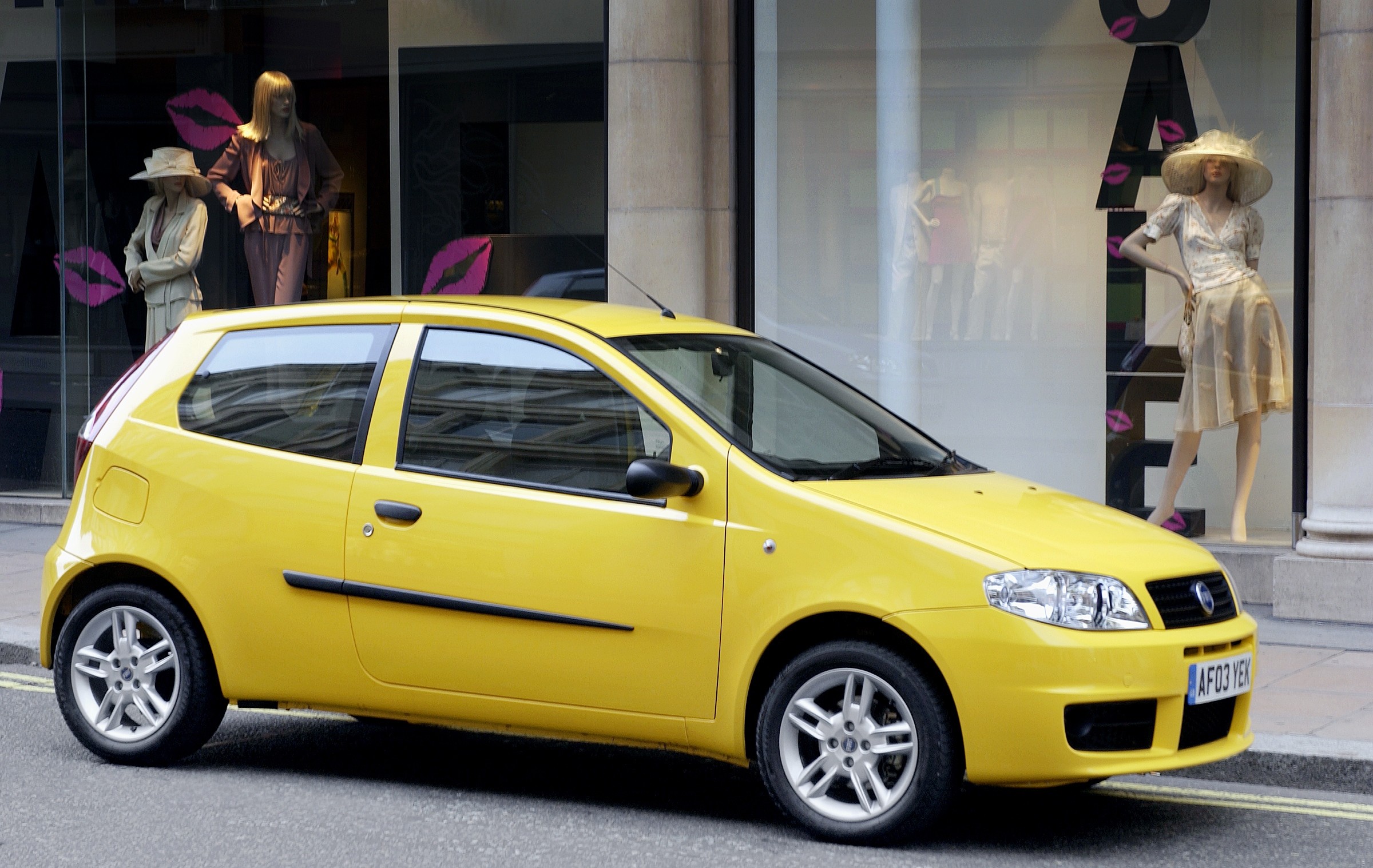
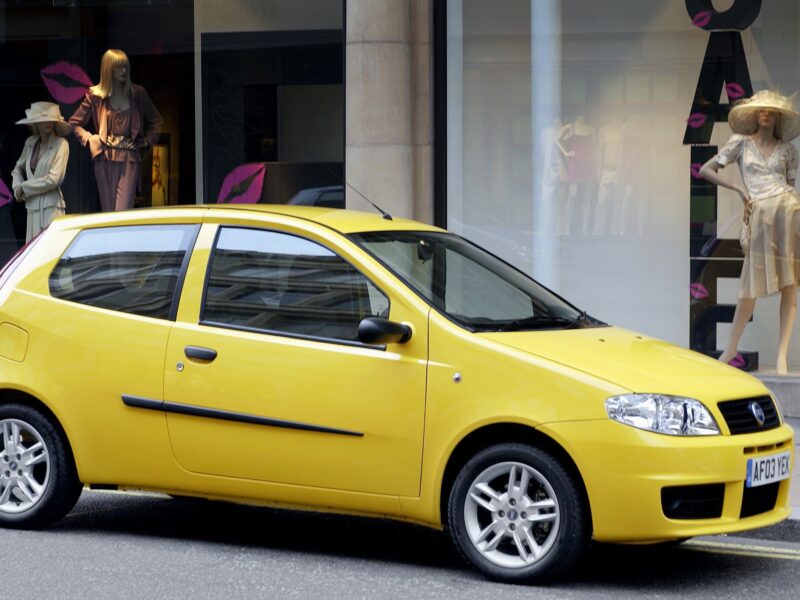
Rust is not a major issue on the Grande Punto, but still check the wheel arches, the bottom edges of the doors and the exhaust for rust spots. The paint is relatively thin and is easily damaged by stone chips. This encourages rust to form. Repair damage promptly.
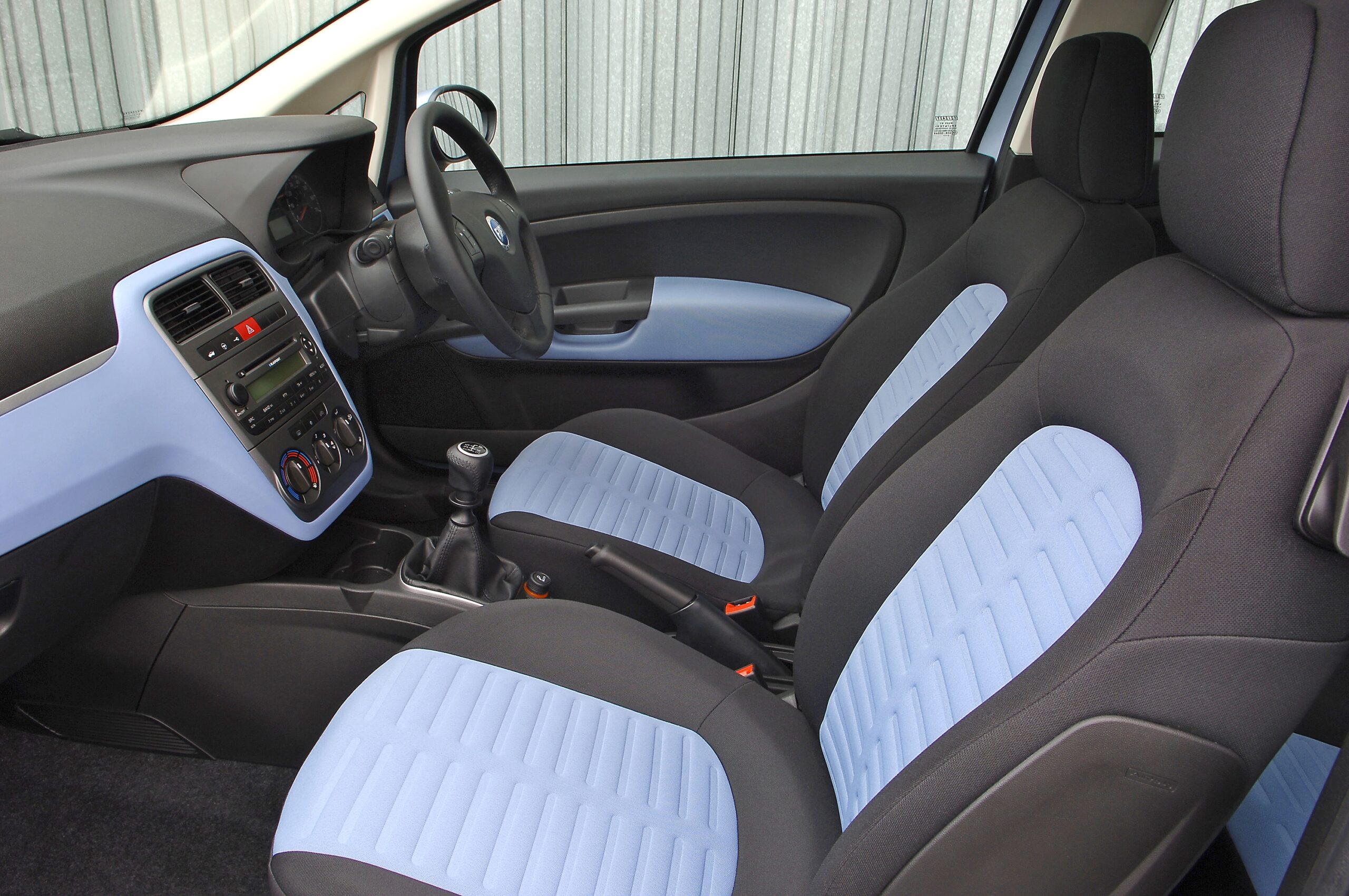
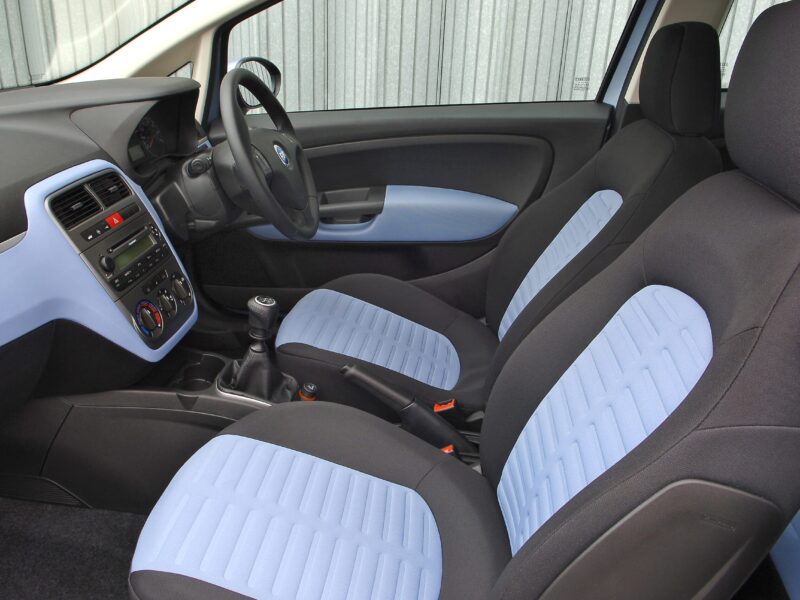
The interior is a different story. Owners complain about creaking dashboards, loose trim panels and a glovebox that either pops open on its own or is hard to close. The headlining sometimes starts to sag. This mainly happens in older examples that have spent a lot of time in the sun. These problems are mostly cosmetic, but they do contribute to a cheap impression.
Doors can start to drop, be hard to close or fail to open at all due to defective locks or mechanisms. When buying, test all doors thoroughly and check that they open and close smoothly without force. Repairing door locks is relatively cheap and often a do-it-yourself job.
Window cables regularly snap, meaning the windows will no longer go up or down. This mainly occurs with the rear side windows. The wiring in the door accordion gets damaged from constantly opening and closing the doors. This leads to faults in the door electronics. Use tape or clips to temporarily secure loose trim panels, but bear in mind that full replacement is relatively cheap.
‘ A proactive approach will save you a lot of money and worry in the long term. ’
Maintenance and prevention: how to stay ahead of problems
Regular maintenance is the key to a longer lifespan for your Grande Punto. Replace oil and filters according to the prescribed schedule. Always use oil with the correct specification. Check the oil level regularly and top up if necessary, especially on engines with higher mileage.
Inspect the suspension every year for wear. Replace worn parts in good time. This prevents further damage to other components and improves driving characteristics. Anti-roll bar links and rubbers are cheap and easy to replace, so do not postpone this.
Keep an eye on the electrical systems. Carry out an OBD scan regularly. Clean connectors and contacts to prevent oxidation. Check the alternator and steering column switch for signs of wear and replace them before they fail completely.
Make sure the floor is dry and clean. Seal any leak points in good time. This prevents short circuits and rust on the underside. Check the clutch and gearbox at every major service and replace them if necessary. A proactive approach will save you a lot of money and worry in the long term.
What to look out for when buying a used Grande Punto
Ideally choose an example with fewer than 150,000 kilometres. Also choose one with a complete service history. Ask for service records. Check whether the major services have been carried out. Watch for signs of neglected maintenance, such as dirty oil, worn brakes and leaking shock absorbers.
Take an extensive test drive on different types of road. Listen for unusual noises from the engine. Also pay attention to noises from the gearbox. Check the suspension as well. Test all electrical systems, including lights, wipers, central locking and climate control. Check that all windows operate smoothly.
Inspect the interior for loose parts, creaking panels and faulty locks. Open and close all doors several times and check that they shut properly. Check the floor for moisture and the bodywork for rust spots.
Have the car inspected before you buy it. Choose an independent mechanic. They can detect hidden problems that a layperson will not spot. Ask whether all recalls have been carried out and check this using the chassis number.
Negotiate on the price if there are visible or technical problems. Count on 500 to 1,000 euros a year in repair costs at higher mileages. Budget generously for this so you do not face any nasty surprises.
Is the Fiat Grande Punto worth it?
The Fiat Grande Punto offers good value for money. You do, however, need to be prepared to invest in maintenance and occasional repairs. The low purchase price, cheap parts and simple repairs make it an attractive option for people on a tight budget or those who are handy with DIY maintenance.
The car performs well in town and offers a comfortable and playful driving experience. The T-Jet engines combine performance with reasonably low fuel consumption, which makes them popular with fans of a sporty driving style. If you maintain the car well and tackle problems preventively, the Grande Punto can provide reliable mobility for many years.
At the same time, you need to be realistic about its limitations. Interior quality is mediocre. Electrical faults are frustrating. After 150,000 kilometres, maintenance costs rise. Expect repairs to the suspension, engine and gearbox.
If you are looking for a completely hassle-free car with minimal maintenance costs, it is wise to consider alternatives. But for those who accept the challenges and are willing to invest time and attention, the Grande Punto can be an affordable and enjoyable companion. Research thoroughly. Buy wisely. Maintain consistently. That way you can enjoy this Italian compact city car for many years.