
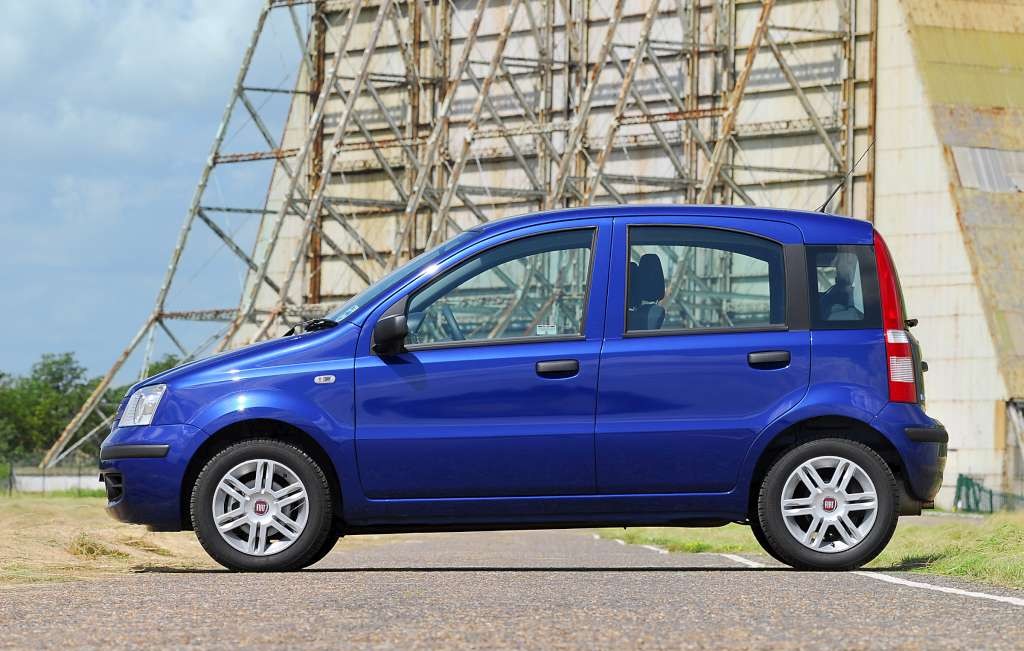
Fiat Panda: all known problems
The Fiat Panda is one of the most practical and affordable city cars on the European market, but anyone considering a used one should take into account recurring electrical faults, suspension wear and minor mechanical issues at higher mileages. This little Italian car combines charming design with cheap parts and a robust base, but at the same time it has a reputation for electronic quirks and accelerated wear of specific components. Owners who invest in regular maintenance can enjoy years of reliable driving pleasure at low cost.
Not every owner experiences the same problems, and much depends on the service history and how the car has been used. Still, there are patterns that deserve attention. Just like other Fiat models, certain car problems with Fiat can occur that you should be aware of in advance. In this article we look at the most common issues in detail and give practical tips. This information is useful for anyone who is considering or already driving a second-hand Panda.
Why the Fiat Panda is so popular
Since the introduction of the third generation in 2012, the Fiat Panda has developed into a popular choice for urban use. Its compact size makes parking in tight spaces easy, while the interior feels surprisingly spacious for a car of these dimensions. The purchase price is low compared with its rivals, and maintenance costs also remain limited thanks to inexpensive spare parts.
In addition, Fiat offers various powertrains, including an economical petrol engine, a diesel version and even four-wheel drive. The latter version is suitable for more adventurous terrain. The controls are straightforward and the car feels agile in traffic. Budget-conscious drivers mainly make short trips. For this target group, the Panda is a logical solution.
‘ The electronics remain a point of concern. ’
Overall reliability and reputation
The perception of the reliability of the Fiat Panda is mixed. Owners with a well-maintained car often report that their Panda easily reaches 200,000 kilometres or more without any major issues. The original suspension often lasts ten years or longer, and the manual gearboxes are known to be solid.
At the same time, there are also stories from owners who talk about a constant cycle of minor repairs. Electrical faults, worn seals and malfunctioning sensors are recurring themes on forums and in owner reviews. Dealer support is seen as inconsistent, with long waiting times and sometimes high costs for relatively simple jobs. Fiat has improved the Panda’s suspension compared with earlier generations. The electronics remain a point of concern.
The most common Fiat Panda problems
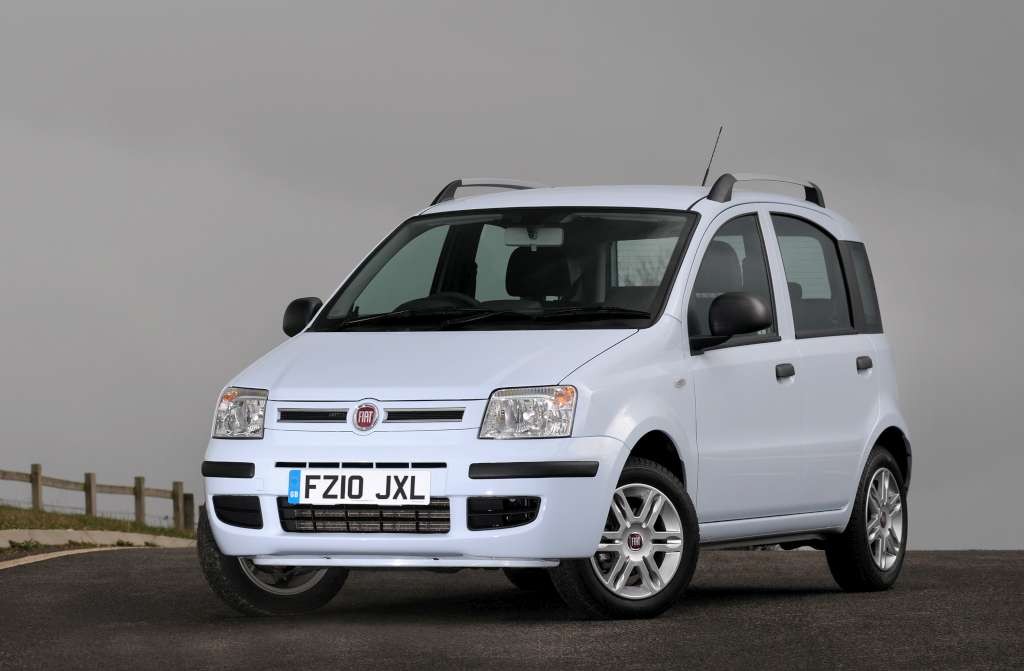
The Fiat Panda struggles with a number of recurring complaints that mainly show up at higher mileages or with intensive city use. Electronic faults top the list, followed by suspension problems and minor mechanical issues. These issues are not necessarily serious. Without timely action, however, they become annoying and costly.
Many problems are related to wear on relatively inexpensive parts such as sensors, seals and bearings. Most repairs stay within a budget of 50 to 200 euros, but the frequency increases. Owners should remain alert, either when buying or while owning the car, to the following areas:
- Electrical systems and sensors
- Rear shock absorbers and bump stops
- Brakes and parking brake cable
- Gearbox and seals
- Interior and controls
Engine-related points of attention
The petrol engines in the Fiat Panda, especially the 0.9 TwinAir and the 1.0, are known to be fairly reliable. There are few reports of serious engine problems. The long original oil change intervals of sometimes 35,000 kilometres have led to engine failures. Fiat has now reduced this interval to 20,000 kilometres, which benefits the engine’s lifespan.
The 1.2 Fire engine is regarded as solid by many owners. Those who carry out servicing on time usually have few issues. When buying, always check that there is a complete service history available, with an emphasis on regular oil changes. For the diesel version, the MultiJet, there are reports of higher fuel and oil consumption. Go through the service history carefully. This is essential when buying a diesel Panda.
Buyers considering a 4×4 model (four-wheel drive) should pay extra attention to the differential and propshaft. These components can leak oil due to worn seals, which are cheap enough but labour-intensive to replace. The driveshaft and underbody protection plates can also be damaged when used off-road (driving away from paved roads).
‘ Ignoring it leads to more serious damage. ’
Transmission and clutch issues
The manual gearboxes in the Fiat Panda generally have a good reputation, but there are reports of oil leaks at the selector shaft and around the bearings. Regularly inspect the underside for damp patches around the gearbox. A leak is relatively easy to fix. Ignoring it leads to more serious damage.
The Dualogic automatic, an automated manual gearbox, has a mixed reputation. Some owners experience jerky gear changes or warning lights, especially at low speeds in town. A software update (adjustment of the control software) improves things in many cases. If in doubt, have a specialist inspect the gearbox. Repairs to this transmission are more expensive than to the manual version.
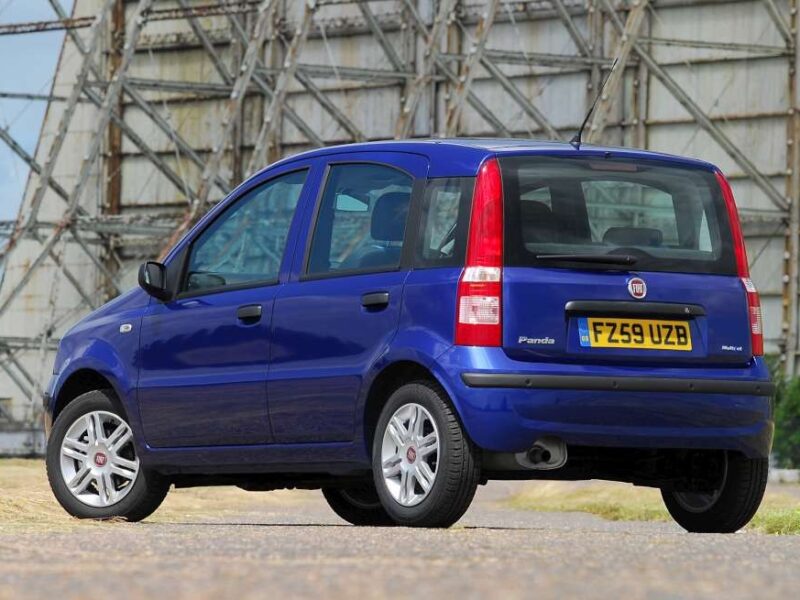
Electronic faults and electrical problems
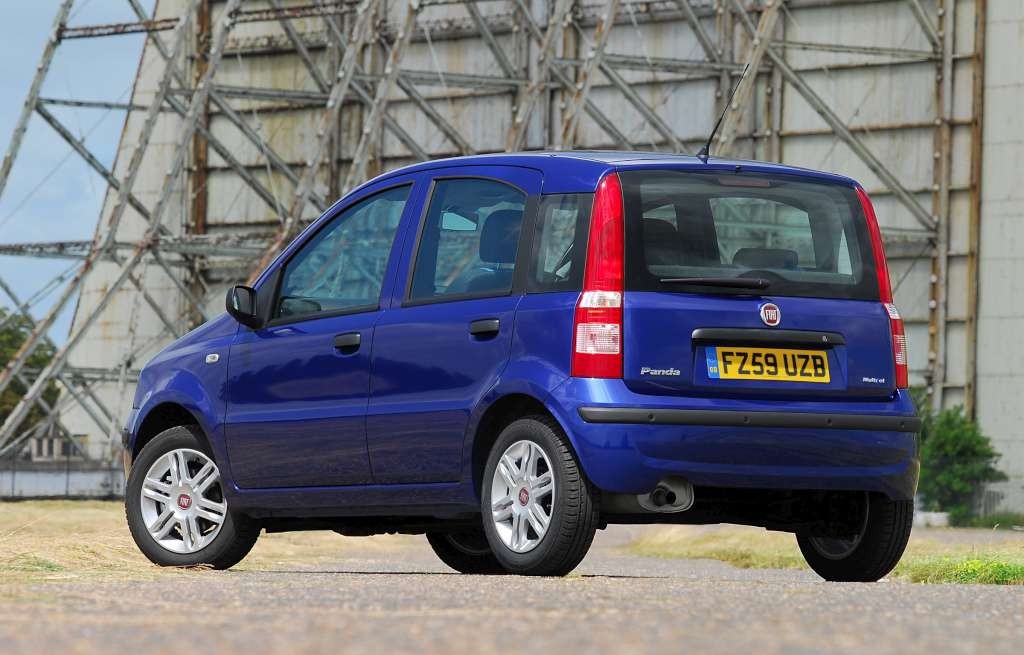
This is the most critical area of concern with the Fiat Panda. Owners regularly report persistent engine warning lights, failing infotainment screens and sensor errors. Dealers sometimes struggle with the diagnosis. This leads to lengthy troubleshooting and high costs. A direct solution often proves elusive.
The front wiper motor regularly seizes, and the washer pump also fails relatively often. Fortunately, both parts are cheap to replace, typically costing between 10 and 20 euros. The ECU (engine control unit) also causes problems, such as poor running or a kangarooing effect while driving. A software update (adjustment of the control software) usually solves this.
Always check whether recall actions have been carried out. Known recalls relate to jammed seatbelts, problems with the rear door locks, headlights that come on spontaneously and various software bugs. These repairs are free of charge at a Fiat dealer and can prevent headaches later on.
Suspension, steering and underbody
The rear shock absorbers on the Fiat Panda wear out faster than average. Intensive city driving over bumpy roads speeds up this wear. The bump stops regularly fall off, leading to MOT failures. Replace these parts preventively between 80,000 and 100,000 kilometres for smoother and quieter driving.
The ball joints and control arms develop play over time, which becomes audible while steering or over uneven surfaces. When buying, have the underbody thoroughly inspected, preferably on a lift or in a workshop with a hoist. Damage from parking in tight spaces or driving over high kerbs is common.
The steering system is generally solid, but check for unusual noises or vibrations in the steering wheel. The parking brake cable tends to rust, especially on cars that are often parked outdoors. This is a relatively simple repair, but one that deserves attention during services.
‘ A thorough inspection prevents unpleasant surprises after purchase. ’
Susceptibility to rust and bodywork
The Fiat Panda is not known for serious rust problems. Even the oldest examples from 2012 are largely spared in this respect. Still, there are a few spots where corrosion does occur. The parking brake and door checks (door stays) are prone to rust. Cars used in salty environments or that are mostly parked outside are extra vulnerable.
When buying, inspect the wheel arches, the bottom edges of the doors and the areas around the rear light units. The underbody protection plates also show corrosion, especially on 4×4 models (four-wheel drive) used off-road. A thorough inspection prevents unpleasant surprises after purchase.
Interior and comfort-related issues
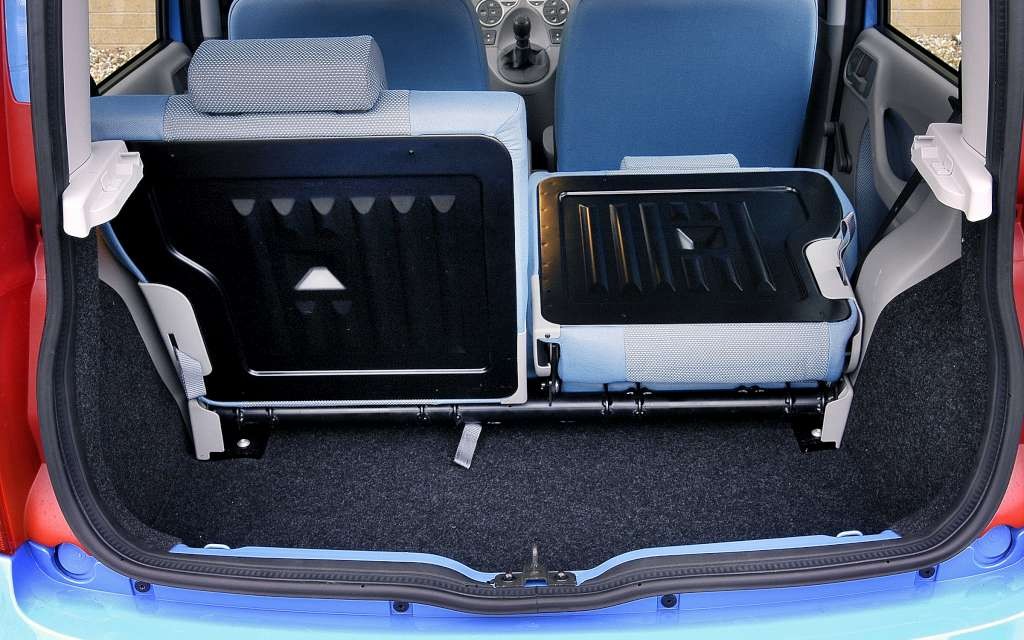
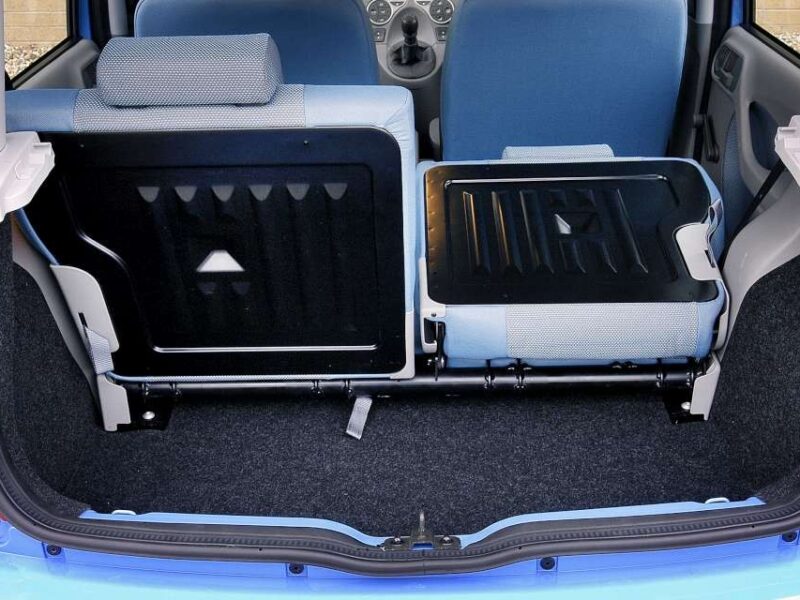
The interior of the Fiat Panda is functional rather than luxurious. The seat fabric wears out relatively quickly, especially on the driver’s seat. When buying, check the condition of the upholstery and for any tears or worn patches. The dashboard and rear seat rattle while driving. Lubricating the latches with silicone spray often helps to reduce this noise.
The tailgate sometimes sticks or does not close properly. This is caused by a faulty microswitch or a broken latch. Cars under warranty get this repaired free of charge. Outside the warranty period, a complete new assembly is often required, which costs several hundred euros.
When buying, test all seat adjustments, the heating, the air conditioning and the operation of windows and mirrors. Small faults can point to wider electrical problems, which are expensive to resolve.
Buying tips for a used Fiat Panda
When buying a used Fiat Panda, a complete service history is the most important point of attention. Always ask for proof of regular servicing, with special attention to oil changes and the replacement of wear-prone parts such as brakes and shock absorbers. Cars without documented servicing often have hidden defects that only show up later.
Carefully inspect the bodywork for parking damage, scratches and dents. The Fiat Panda is often used in urban environments where minor collisions are common. Test all electrical systems, including lights, wipers, air conditioning and infotainment. During a test drive, listen for unusual noises from the suspension or engine bay.
For 4×4 models (four-wheel drive), an extra thorough inspection of the underbody is required. Look for oil leaks around the differential and propshaft, and check that the protection plates are intact. Ask whether the car has been used off-road and factor that into your decision. An independent inspection by a specialist is worthwhile, especially for cars with higher mileages.
‘ Dealers sometimes struggle to diagnose recurring faults. ’
Maintenance advice for Fiat Panda owners
Regular maintenance is the key to a long life for the Fiat Panda. Change the engine oil every 20,000 kilometres or annually, whichever comes first. This interval is shorter than Fiat’s original recommendation, but it prevents wear and significantly extends the engine’s lifespan.
Replace the rear shock absorbers and bump stops preventively between 80,000 and 100,000 kilometres, even if there are no clear signs of wear yet. This prevents further damage to other suspension components and improves ride comfort. Have the brakes checked annually and lubricate the parking brake cable to prevent rust.
Make sure all recall actions have been carried out and that the ECU (engine control unit) software is up to date. This prevents many electrical and engine-related issues. Use a specialist workshop for more complex repairs to the gearbox or electronics. Dealers sometimes struggle to diagnose recurring faults.
Regularly inspect the underbody for oil leaks, especially around the gearbox and differential on 4×4 models (four-wheel drive). Small leaks can quickly get worse and lead to expensive repairs. Keep the interior clean and lubricate rattling parts to maintain comfort levels.

The Fiat Panda: for car enthusiasts on a small budget
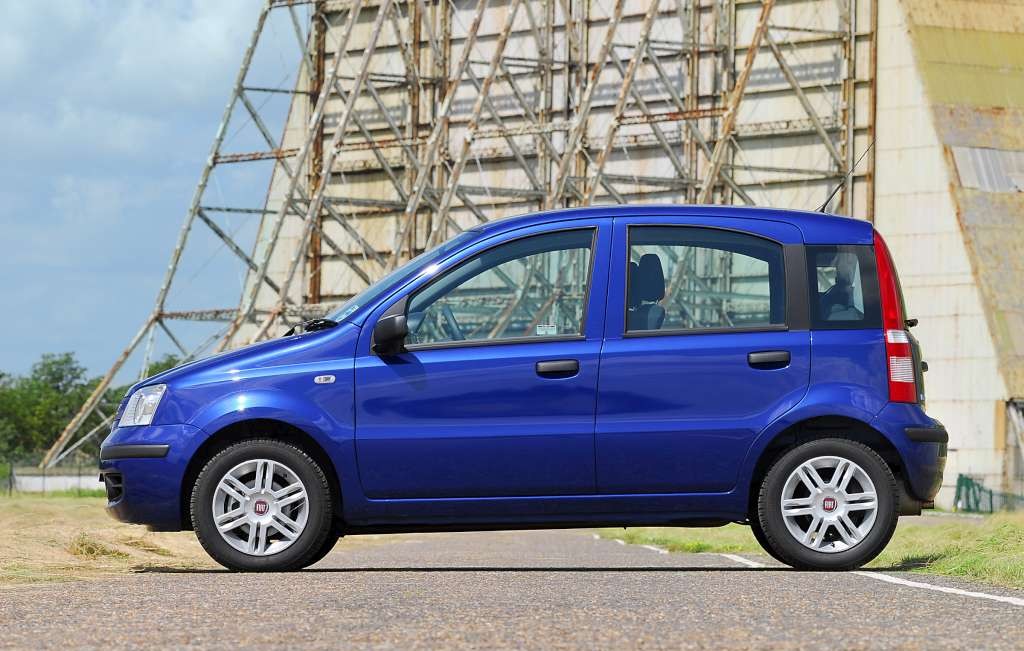
The Fiat Panda offers an appealing combination of low purchase price, affordable maintenance and practical city usability. Owners who invest in regular servicing and the preventive replacement of wear-prone parts enjoy years of reliable service. The electrical faults and suspension problems are annoying, but manageable with the right attention.
The car is not perfect and does not offer the build quality of more expensive brands. Still, the Panda suits budget-conscious drivers well. This group mainly makes short trips and has limited demands when it comes to luxury or advanced technology. With cheap parts and a robust base, the Panda remains an interesting option in the compact segment.
Anyone considering a used example would be wise to check carefully for the known points of attention and to insist on a complete service history. With the right precautions, the Fiat Panda becomes a reliable and affordable companion for everyday use.