Fiat Punto: known problems and what to look out for
The Fiat Punto has for many years been a popular choice as an affordable city car with simple technology, but it suffers from various reliability issues that you as an owner or potential buyer should not ignore. From cooling system faults to electrical failures, this Italian compact car needs attention and regular maintenance. Only then will it last for many years. In our Fiat car problems you can see that certain technical weaknesses occur in several models. Want to know where the Punto can catch you out and how to avoid expensive repairs?
Different generations, different weaknesses
The Fiat Punto has several generations, each with its own character and areas to watch. The Grande Punto and Punto Evo from the period 2005–2018 are the most common on the used car market. These models share a lot of technology, but they do show different weak spots. These differences are linked to year of manufacture, engine and mileage. Older Puntos from before 2005 mainly suffer from rust on the bodywork and floorpan, while newer examples more often have electronic failures and engine-related issues. The technology is admittedly simple and parts are widely available at low prices. However, if you ignore small warning signs this can lead to hefty repair bills.
‘ In some cars, a new or reconditioned engine is even needed. ’
Engine problems that occur regularly
The cooling system is a well-known weak point on the Fiat Punto. This system fails regularly, which leads to the engine overheating. In the end this causes cylinder head gasket leaks. In some cars, a new or reconditioned engine is even needed. This also occurs in relatively young cars with limited mileage. The thermostat often leaks, which again results in overheating. The PCV hose can freeze up in cold temperatures, causing valve damage.
The MultiAir engines need specific attention. These modern engine units are sensitive to neglect and require high-quality oil and a small oil filter. If you do not carry out this maintenance according to schedule, the MultiAir units can soon start to develop faults. The oil pump and lambda sensor also wear out faster than average. The catalytic converter degrades after 150,000 to 200,000 kilometres, especially if you use poor-quality fuel. Soot particles can block oil lines, resulting in oil leaks via the cylinder head gasket.
Also keep an eye on the timing chain. Check the tension regularly, as a low oil level causes problems. At a cold start, injection or fuel issues can cause a screaming noise and black exhaust smoke. Always use quality fuel to prevent blockages and replace valve timing sprockets at around 150,000 to 200,000 kilometres.

Transmission and clutch give off warning signs
The Fiat Punto’s manual gearbox has a number of typical failure points. This applies to both the five-speed and the six-speed. The dual-mass flywheel often fails before 150,000 kilometres. This mainly occurs with owners who drive at low revs. The clutch generally wears out after 60,000 to 80,000 kilometres. Synchro rings for first and second gear cause grinding noises when shifting. That points to wear.
With automatics you need to be careful. By automatics we mean automatic gearboxes here. These transmissions are sensitive to cold and the hydraulic actuators break quickly. The servo fluid tank leaks regularly and sensor failures appear after 150,000 to 200,000 kilometres. Never set off with a cold automatic. Let the engine warm up first. Check the fluid level regularly and have it inspected at each service.
The Dualdrive steering system also has its issues. The sensor fails and as a result the power steering becomes weak. This requires replacement of parts, which brings costs. Inspect the flywheel and the chain at every service. That way you can spot problems in good time.
Suspension and brakes need regular attention
Clattering noises while driving often point to worn shock absorber mounts and anti-roll bar links. This is a common problem on the Punto, especially with cars that are used mainly in town. Constant bumps and speed humps cause accelerated wear to the suspension. Poor road surfaces make this worse. Replace shock absorbers in good time. If you put this off it will lead to more expensive consequential damage to other suspension components.
The brakes can behave unpredictably or be ineffective. This is caused by contact between the brake spring and lines. That causes fluid loss, which can create dangerous situations. Cold brakes are also very noisy. Modify the brake lines or replace them at the first signs of wear. During a test drive, check whether the brakes respond. Make sure the response is immediate and even.
Rust on the floorpan does occur, especially on older models. Stone chips speed up this process. Check the underside of the car thoroughly. Do this before you buy a used one.
‘ Seatbelts on 1997 models sometimes fail to unlock under harsh braking, which is a serious safety issue. ’
Electrical failures: a well-known weak point
The Fiat Punto’s electrical systems are known for being temperamental. The battery has a short lifespan and starting problems are common. Non-engine electronics fail, including the air conditioning and starter motor. The electric power steering in City mode is notorious. City mode is a special steering system for city use. This system often shows faults on the dashboard.
The instrument cluster shows starting faults. On top of that, sensor failures occur. False airbag warnings are also common. Interior lighting and climate control fail regularly too. During a test drive, check all the electronics carefully. Check the heater. Also test the windscreen wipers. Also check that all dashboard lighting works correctly and whether any warning lights are on that indicate problems.
The wipers fail because of a weak linkage. Seatbelts on 1997 models sometimes fail to unlock under harsh braking, which is a serious safety issue. Replace the wiper linkage and belt pretensioner if they are defective. Also check the wiring for corrosion. Pay particular attention to corrosion in the engine bay and at connectors.
Rust and bodywork concerns
Rust is something to watch out for on Fiat Puntos, especially on examples from before 2010. The sills, wheel arches and floorpan are vulnerable spots where moisture and salt take their toll. Inspect these areas thoroughly when buying a used example. Small rust spots can quickly spread, so treat them straight away.
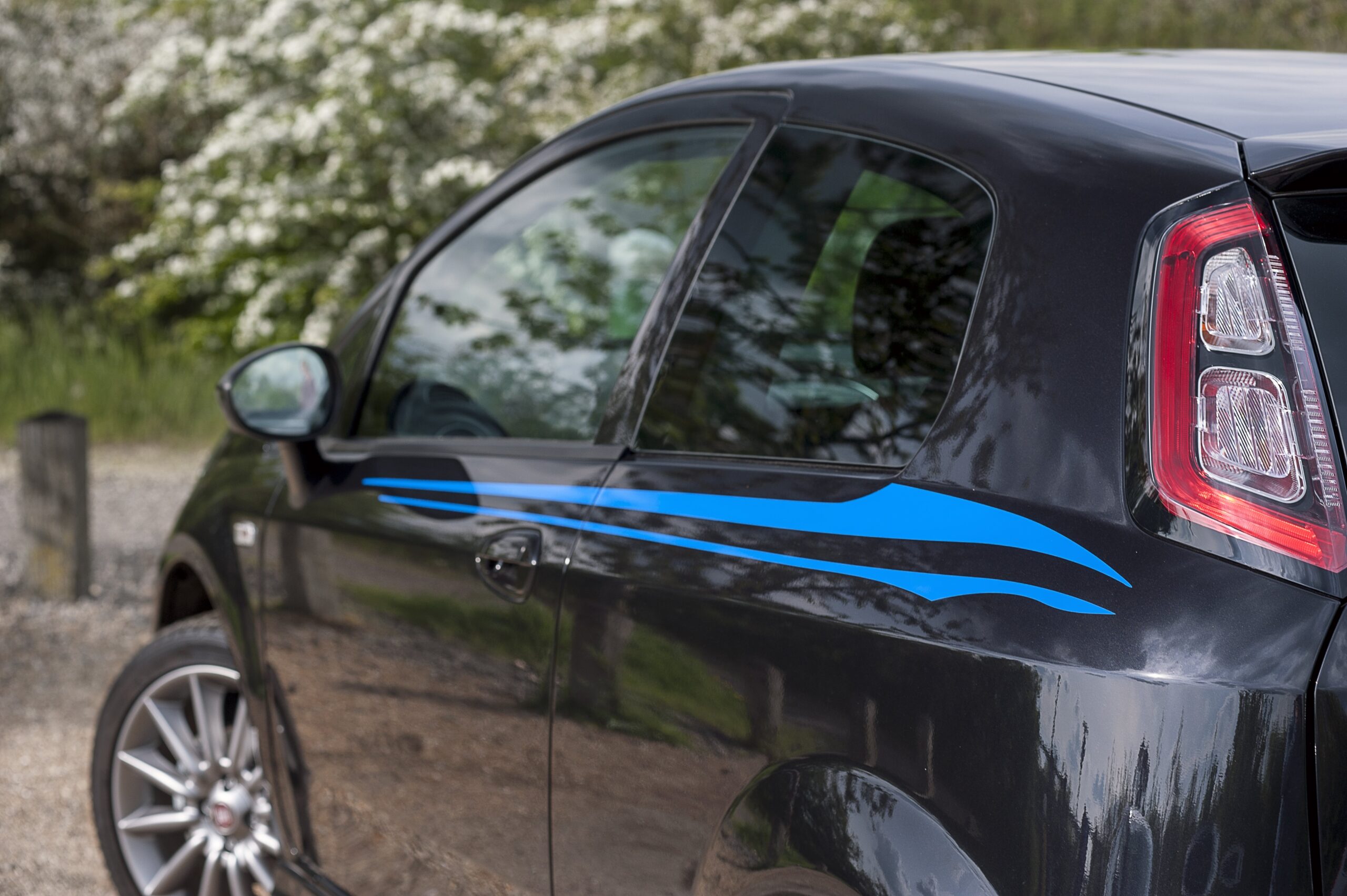
Many Puntos are used as city cars. As a result they show dents, scrapes and damage to bumpers and side panels. This is caused by parking mishaps in tight spaces. Check the condition of the wheels, as scratches and damage to the alloys point to hard use. Stone chips underneath accelerate rust and can also damage lines and pipes.
Interior and comfort
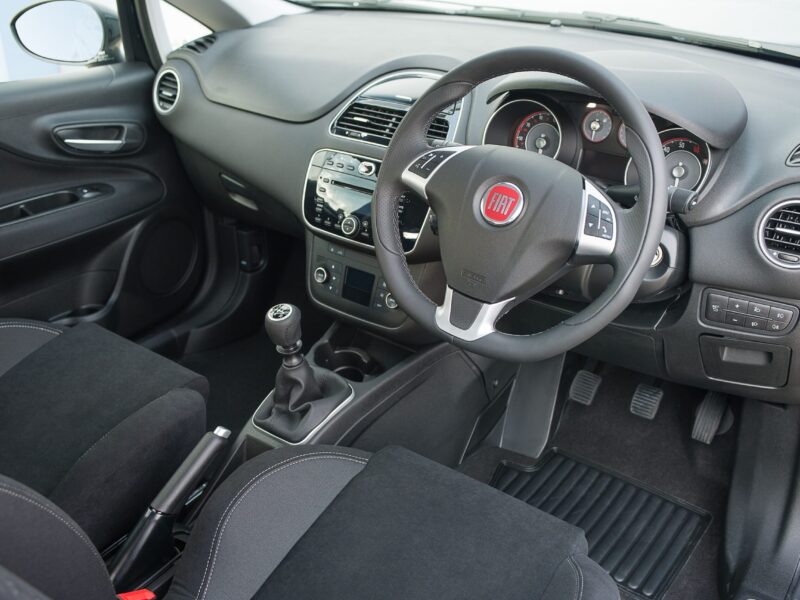
The interior of the Fiat Punto is functional, but it does suffer from wear. Loose plastics and creaking dashboards are normal. Fragile seat covers are also part of the usual wear and tear. Seats can sometimes jam and door panels start to rattle over time. These are cosmetic defects; they do not immediately cause breakdowns, but in daily use they are annoying.
The heating and air conditioning regularly fail due to electrical problems or faulty switches. Test these systems thoroughly during a test drive. Try both the warm and cold settings. Check whether all fan speeds work and whether the temperature control responds. Repairing a faulty air conditioning system can cost a few hundred euros, depending on the cause.
Maintenance prevents bigger problems
Regular maintenance is essential on the Fiat Punto, not a luxury. Always use high-quality oil and replace filters according to the service schedule. For MultiAir engines, specific oil is mandatory. Neglect quickly leads to faults here, which can cost thousands of euros. Check the cooling system regularly and replace the thermostat at the first sign of a leak.
Inspect the flywheel and timing chain at every service. Keep an eye on the oil level and top up if necessary. Make small investments in preventive maintenance; that way you save yourself much larger expenses later on. Use quality fuel to keep injection systems and catalytic converters alive for longer.
Have the suspension checked annually. Also have the brakes checked every year. Replace shock absorbers, anti-roll bar links and brake lines in good time. Check the electrical systems for corrosion and weak connections. Keep the underside of the car clean, especially in winter. This slows down rust.
‘ Those often have flywheel problems. ’
Checklist for buying a used Punto
Thinking of a used Fiat Punto? Then carry out a thorough inspection. Start with the cooling system. Check for leaks. Look at the colour of the coolant. Watch out for signs of overheating. Start the engine from cold and listen for unusual noises such as squeaking or knocking.
Test the gearbox thoroughly. Shift through all the gears. Listen for grinding noises or hesitation. With automatics, the transmission should shift smoothly without jerks. Ask for the service history of the flywheel. Also ask for the service history of the clutch. Examples that have recently had these replaced are less risky.
Check all electronics, from the instrument cluster to the windscreen wipers. Test the air conditioning and heating on all settings. See whether any warning lights are on that point to sensor faults. Inspect the underside for rust, paying special attention to the sills, wheel arches and floorpan. Check the bodywork for damage and dents that indicate parking scrapes.
Take a test drive on different types of road. Listen for clattering noises from the suspension and test the brakes for effectiveness. Ideally, choose a car with a full service history. Avoid cars with very low mileage but many short journeys. Those often have flywheel problems.

When it’s better to call in a specialist
Some repairs on the Fiat Punto are suitable for DIYers with basic knowledge. Many issues, however, need professional help. Cooling system faults are complex. Cylinder head gasket leaks require specialist knowledge. Transmission problems, especially with automatics, are also best left to a garage with experience.
Electrical faults are difficult to diagnose. You need the right equipment for that. Sensor faults, ECU problems and wiring are checked using a diagnostic computer. Only repair suspension and braking systems yourself if you have the right tools and knowledge. If you are in doubt, call in a professional. Poorly carried-out repairs can create dangerous situations.
Set aside a budget for repairs when buying a Punto. Parts are cheap and widely available, but labour costs can add up. A low purchase price can be misleading. Major maintenance may be needed straight away. Always have a used car inspected by an independent specialist before you buy.
The Punto as an everyday car
The Fiat Punto can serve for many years as a reliable city car, provided you maintain it properly. Take small warning signs seriously. Many owners praise the low maintenance costs and simple technology. Some examples cover hundreds of thousands of kilometres without issues. Others show faults early on. The difference is often in the maintenance, and the way the car is driven also plays an important role.
The car feels light and agile in town and is economical to run. Parking is easy thanks to the compact dimensions. As an A-to-B car for daily commuting, the Punto does its job well. You should not, however, expect everything to work perfectly. Accept that the electronics can be temperamental and that parts will need regular attention.
Compare the Punto with rivals such as the Opel Corsa. Both are affordable compact cars with similar problems. The Punto, however, has its own character. The choice depends on what is available and on the condition of the specific example. Do not let yourself be dazzled by a low price. Look at the overall condition and check the service history. A more expensive example can work out cheaper. A well-maintained car will save you money and irritation in the long run.