
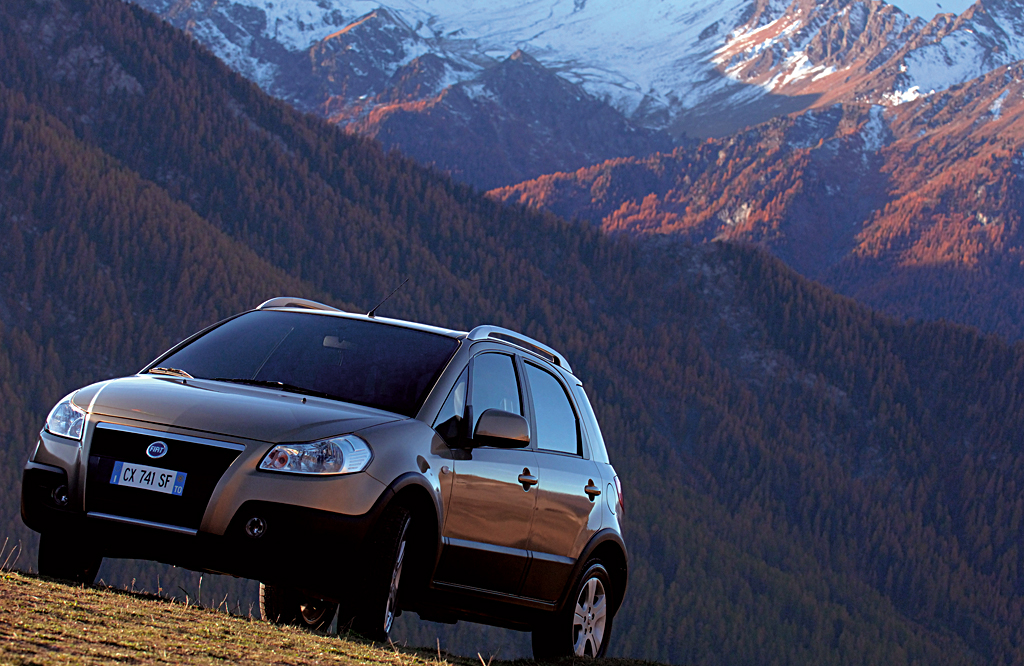
Fiat Sedici: these are the problems you will encounter
The Fiat Sedici turns out in practice to be less reliable than you might expect from a car with Suzuki genes. The problems are mainly concentrated in the engine, transmission and suspension. Owners regularly report issues with clogged EGR valves (exhaust gas recirculation, a component that routes exhaust gases back to reduce emissions), diesel particulate filters (a filter that traps harmful soot particles from diesel exhaust gases) that clog up, and clutches that wear out too early. Want to know what to look out for with this crossover and how to avoid expensive repairs?
A crossover with Suzuki roots
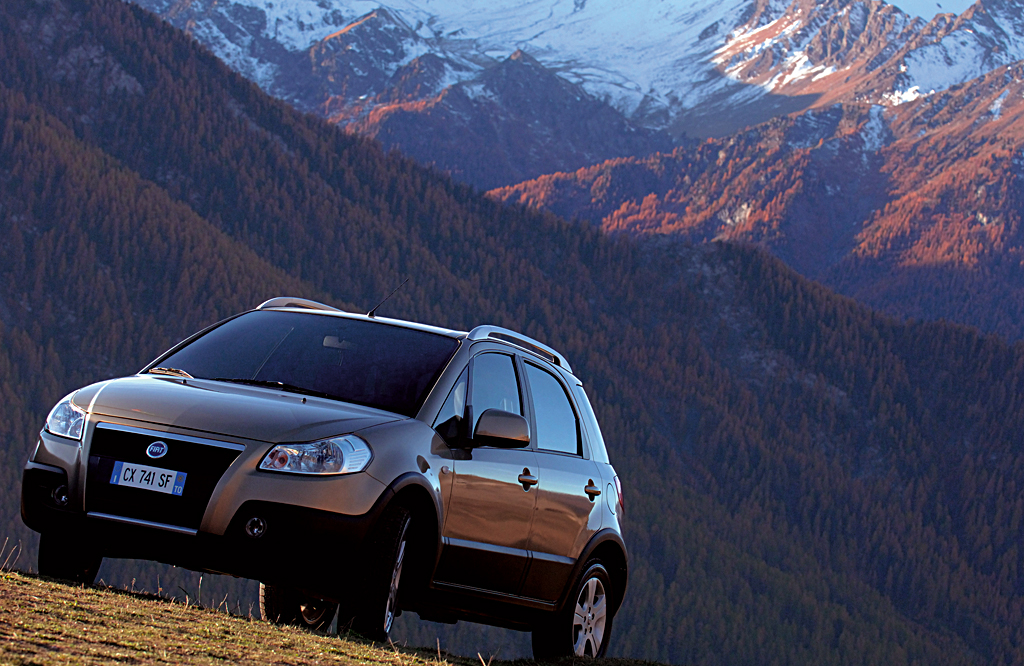
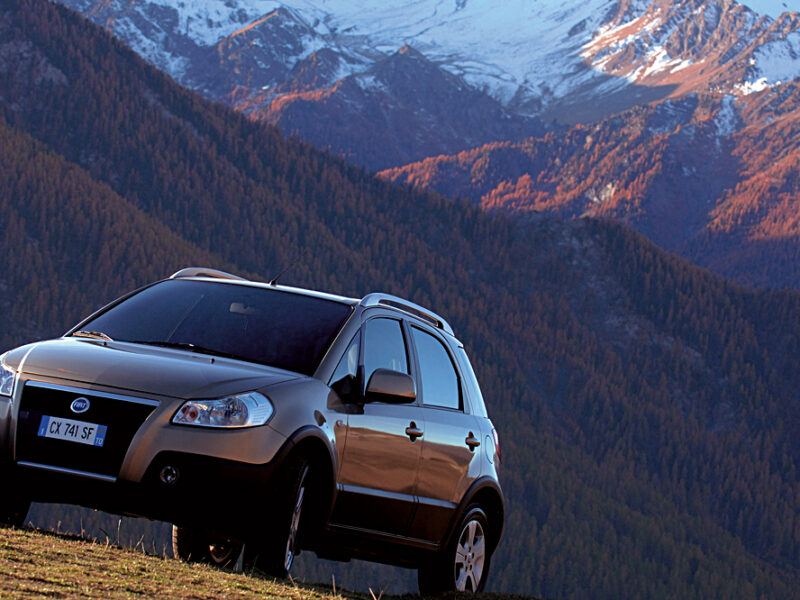
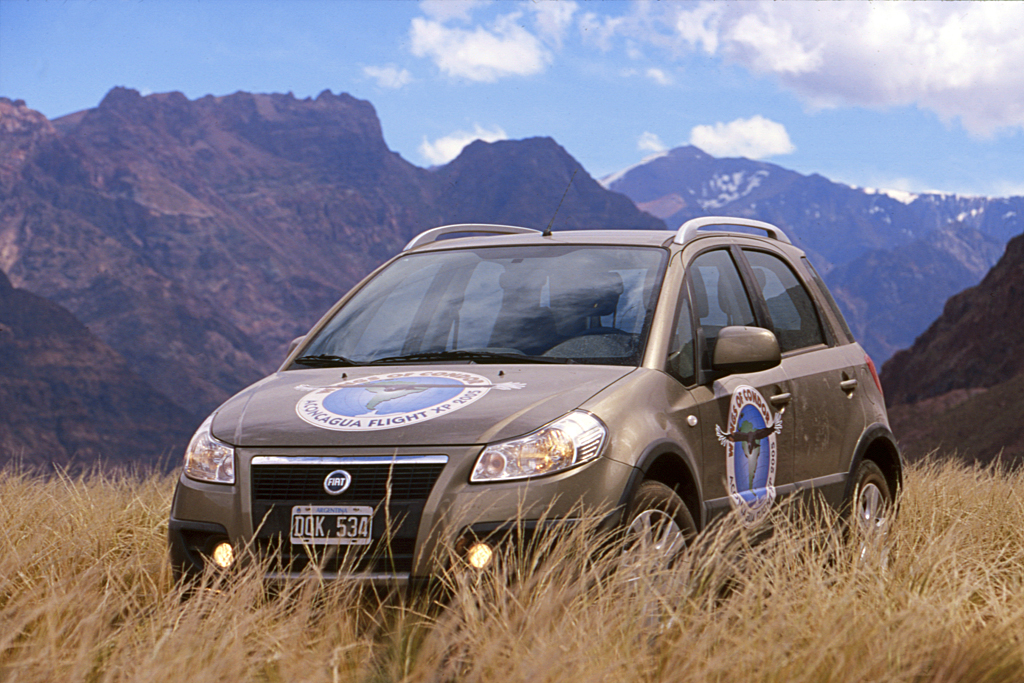
The Fiat Sedici was produced between 2006 and 2014 as the result of a collaboration with Suzuki. In essence, the Sedici is a Suzuki SX4 with a Fiat badge. This partnership means that you will find Suzuki technology under the bonnet. That brings both advantages and disadvantages. Parts are relatively easy to find and are often interchangeable with those of the Suzuki SX4, which makes repairs more affordable. At the same time, the car has inherited vulnerabilities that appear with both brands.
The Sedici was supplied as a compact crossover with either standard four-wheel drive or front-wheel drive. The version determined which system was fitted. The model was aimed at buyers looking for a practical, high-riding car with off-road capability at a reasonable price. For a complete overview of known faults for this brand, see the page about Fiat car problems.
‘ The difference often lies in the maintenance and the way the car is used. ’
Overall reliability: where does the Sedici stand?
The Sedici scores below the level of comparable Japanese rivals. Its reliability rating is noticeably lower than, for example, that of the Toyota RAV4 or Honda CR-V of the same era. Some owners cover tens of thousands of kilometres without major issues, while others are faced with recurring faults. The difference often lies in the maintenance and the way the car is used. With intensive use, such as towing or regular off-road driving, weak points show up more quickly.
The strengths of the Sedici are its practical nature and compact dimensions. In addition, the four-wheel drive system offers versatility. The car performs well in snow and on unpaved roads. Weak points lie mainly in the quality of specific components. Think in particular of the following parts:
- The EGR valve
- The diesel particulate filter on diesel engines
- The suspension
The transmission also requires attention.
Engine problems with petrol and diesel
The diesel engines, especially the 1.9-litre variant, suffer from clogging of the EGR valve. This valve quickly becomes contaminated with oil residues and soot. This results in jerky running, starting issues and increased fuel consumption. With the 2.0-litre diesel engine, this problem occurs even more frequently. You can recognise it by visible oil leaks around the EGR valve and an engine that struggles to start.
The diesel particulate filter also causes problems. On shorter journeys, the filter does not regenerate sufficiently. It then becomes clogged. This leads to loss of power and, in the worst case, engine damage. Many owners choose to have the particulate filter removed and the engine adjusted via software (remapping means reprogramming the engine management software to adjust performance and emissions behaviour). This intervention costs around 300 euros. It prevents endless repair cycles. Some owners report that after this modification the engine even performs better, with power outputs up to 160 bhp.
The petrol engines, such as the 1.6 16V, have fewer problems but are not flawless. Owners report starting issues, especially in cold weather conditions. The engine only fires up after several attempts, despite a working fuel pump. Replacing the spark plugs does not always solve this. The petrol engine sounds vocal at higher revs. Overall, this engine proves more durable than the diesel variants.
Transmission and clutch: shifting in fits and starts
The manual gearbox often feels stiff and notchy. Especially when the engine is still cold, the gear lever frequently catches. This makes gear changes less smooth. This is a known issue that occurs with many examples. Thoroughly test the gearbox during a test drive, preferably in cold conditions.
The clutch on the Sedici wears faster than expected, particularly on the heavier four-wheel-drive variants. Intensive use, such as towing or off-road driving, accelerates this wear. Symptoms include clutch slip when pulling away and the revs rising without the speed increasing proportionally. Replacing the clutch is an expensive repair, so when buying, check whether the clutch has already been replaced and, if so, when.
The four-wheel drive system generally works as it should, but it does require maintenance. Some owners report problems with the driveshaft and the subframe. These parts can fail the MOT test. Have these components checked preventively, especially if you use the car intensively.
‘ “These noises are not only irritating, they also indicate wear that can affect safety.” ’
Chassis and suspension: creaking noises and rust
The Sedici’s suspension is prone to wear. The bushes in the wishbones and other rubber-metal parts wear prematurely. This leads to creaking noises when steering at low speed or when driving over bumps. These noises are not only irritating, they also indicate wear that can affect safety.
The shock absorbers and springs hold up reasonably well, but on older examples replacement is necessary. Pay attention to rust on the chassis, especially on cars that have been driven in areas where a lot of road salt is used. Rust can set into the subframe and around the suspension mounting points. This makes repairs more expensive.
The brakes wear faster than average, particularly on the four-wheel-drive variants and with heavier loads. The rear wheels are often fitted with drum brakes, which are less effective than disc brakes. Some owners replace these with disc brakes from the Suzuki SX4. This results in a shorter stopping distance and better performance. Regularly check the thickness of the brake discs and pads and replace them in good time.
Electronics and interior: minor irritations
Electrical problems do occur, but they are generally limited to minor faults. Owners report intermittent loss of power, often related to poor contacts or an ageing battery. The audio system sounds mediocre and dated, but usually works.
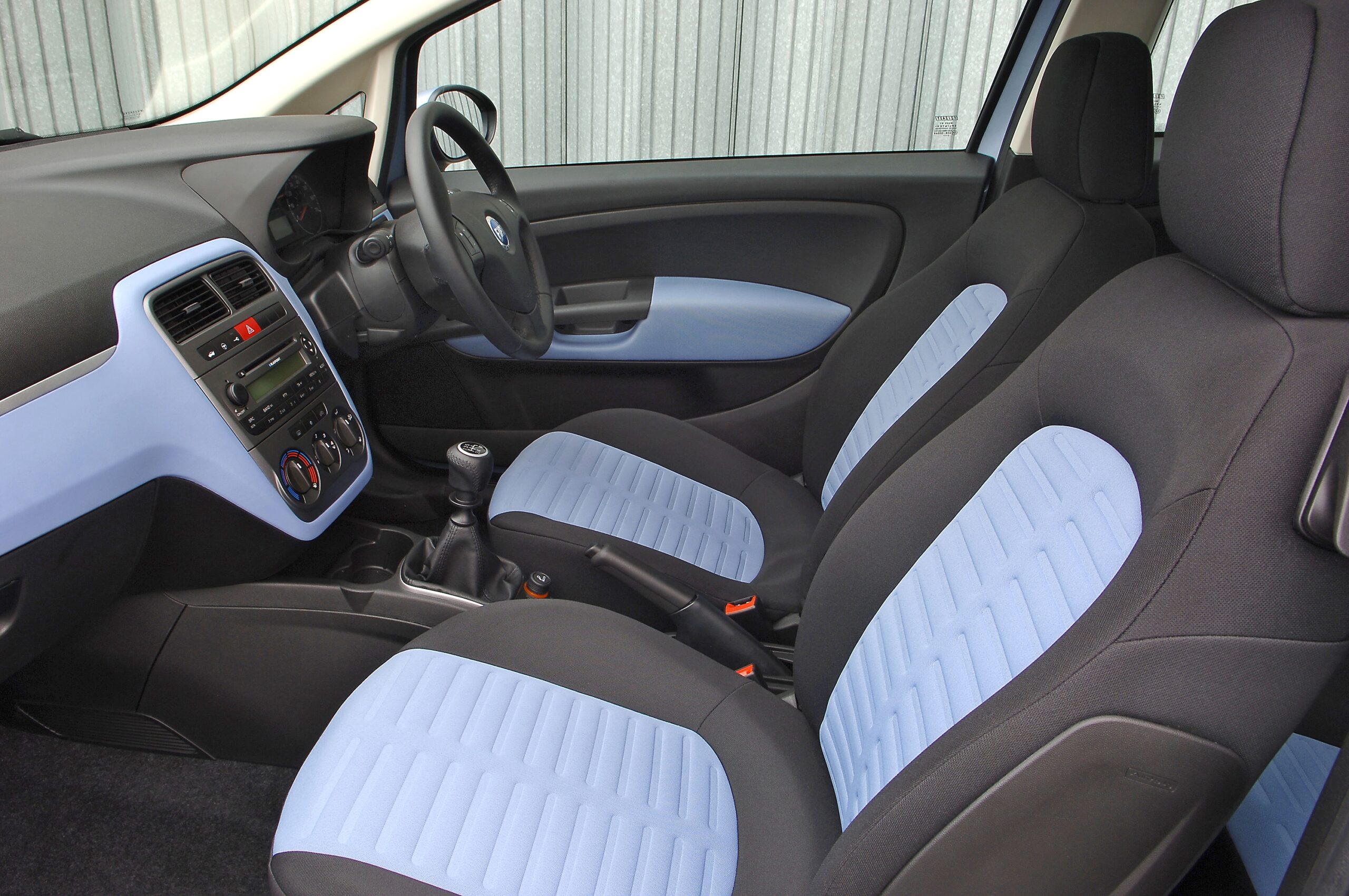
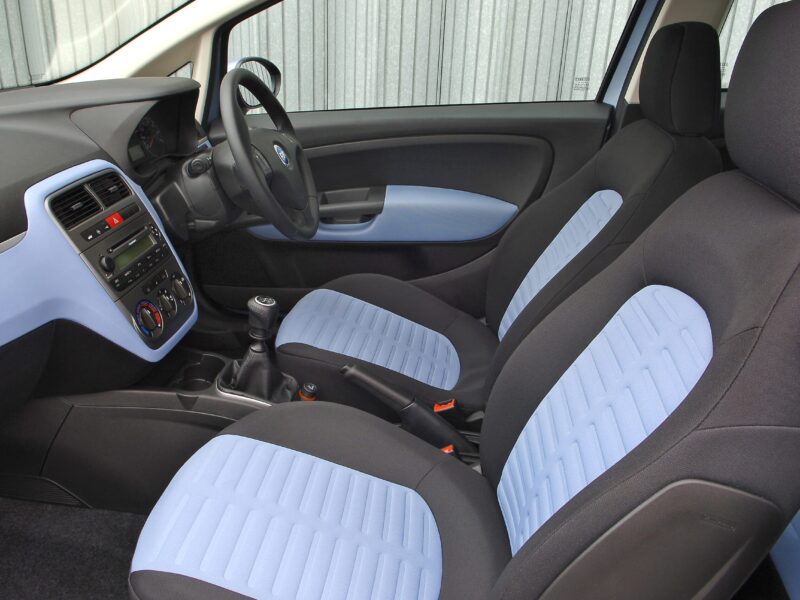
The interior is functional but basic. The seats offer little comfort on longer journeys and the materials are prone to wear. Creaking noises from the dashboard and doors are common. This is especially true with older examples. These noises are usually the result of loose clips or worn rubbers.
Preventive maintenance: keeping the Sedici in good condition
Preventive maintenance is more important than average with the Sedici. Start with the EGR valve and the diesel particulate filter on diesel engines. Have the EGR valve cleaned regularly. Consider removal combined with a remap if you use the car intensively. This prevents clogged pipes and starting problems.
Check the suspension for wear. Replace bushes before they are completely worn out. This prevents further damage to other components and keeps the car safer. Keep an eye on the brakes and replace pads and discs in good time, especially if you often drive heavily loaded or go off-road frequently.
Keep the chassis clean. Pay particular attention to this after driving through snow or on salted roads. Rinse off the underside regularly to prevent rust forming. Lubricate the hinges of the doors and the bonnet to reduce creaking noises. Change the engine oil at the prescribed interval. Use good-quality oil to prevent engine problems.
‘ In that case, the diesel version with the 1.9-litre engine is the best choice. ’
Buying advice: what to look out for with a used Sedici?
If you are buying a used Sedici, first check the engine. Start the car several times, also from cold, and watch out for starting problems. Check the EGR valve for oil leaks and ask whether the diesel particulate filter has already been removed. Test the power during a test drive and pay attention to juddering or loss of power.
Check the gearbox thoroughly. Shift through all gears, including at low temperatures, and pay attention to hesitation or a notchy gear lever. Test the clutch by pulling away on a slope and checking whether the car moves off smoothly without clutch slip.
Inspect the chassis for rust, focusing in particular on the subframe and the driveshaft. Push against the car to feel whether the suspension makes creaking noises. Check the brakes by braking hard during the test drive and listen for squealing or scraping sounds. Ask about the service history. Check whether preventive work has been carried out.
If you are looking for economy and torque, the diesel version with the 1.9-litre engine is the best choice. This engine achieves up to 18 kilometres per litre and offers enough pulling power for light off-road trips. The petrol version is more reliable but less economical and more vocal. If you regularly drive off-road or live in snowy areas, opt for four-wheel drive. Do bear in mind the higher maintenance costs.

Is the Sedici a sensible buy?
The Fiat Sedici offers practical versatility and off-road capability for an affordable price, but it does demand attention and maintenance. Engine and transmission issues are the biggest downside, especially with the diesel variants. With preventive maintenance and timely repairs, the car remains usable and reliable enough for everyday use and light off-road trips.
For buyers who are willing to invest in maintenance and small modifications, such as removing the diesel particulate filter, the Sedici offers good value for money. The Suzuki parts make repairs more affordable and the compact dimensions make the car practical in the city. However, keep the weak points in mind and test the car thoroughly before purchase. If in doubt, having it inspected by a specialist is always sensible.