
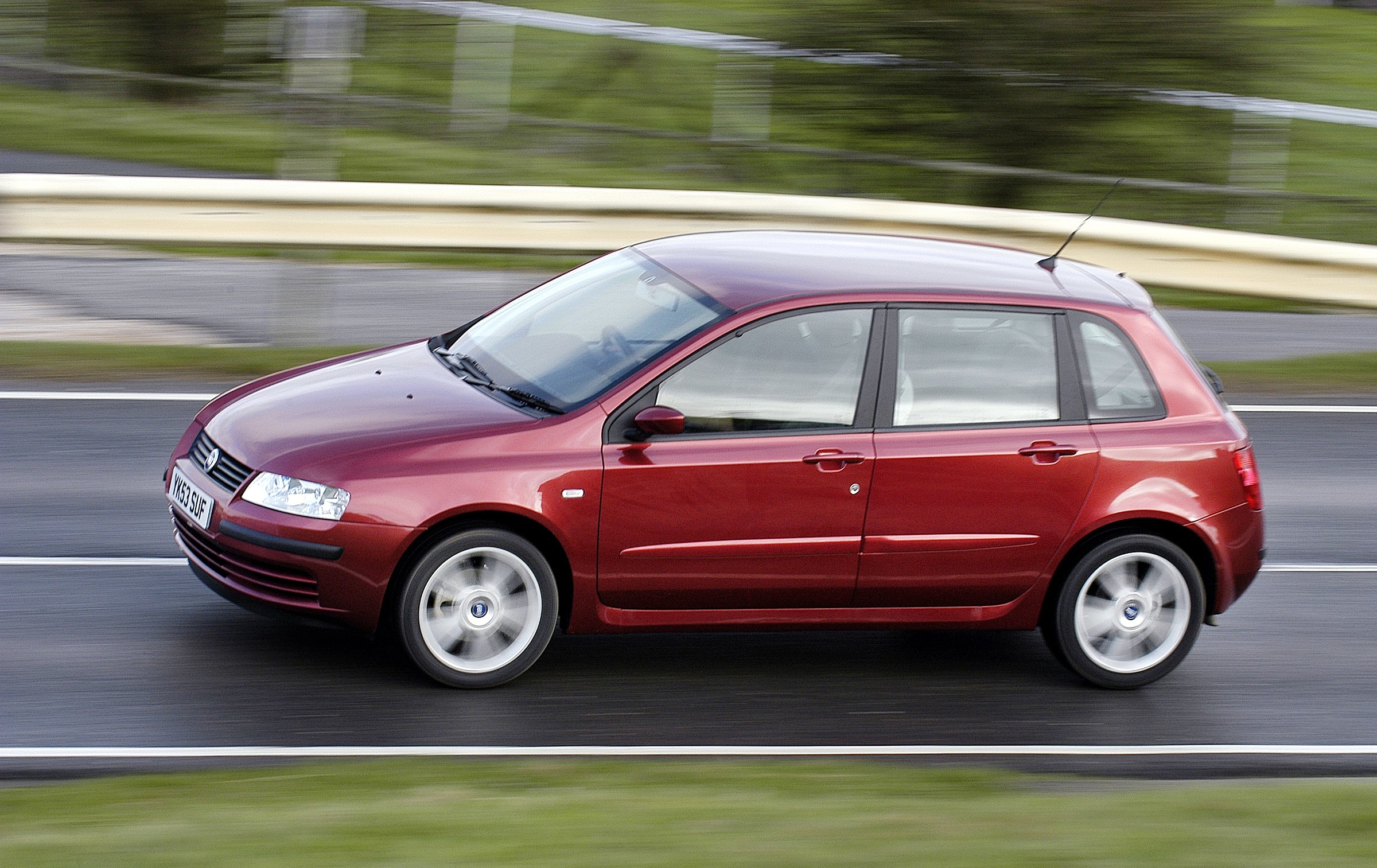
Fiat Stilo: a complete overview of common problems
The Fiat Stilo is a compact family car with Italian flair that was on the market between 2001 and 2007, but the model is mainly known for its numerous technical problems. From electrical faults and gearbox issues to engine problems and water leaks: the Stilo has built up a reputation that you, as a buyer or owner, need to take into account. Do you often find your Stilo behaving strangely? Then you are not the only one.
An ambitious successor with a problematic reputation
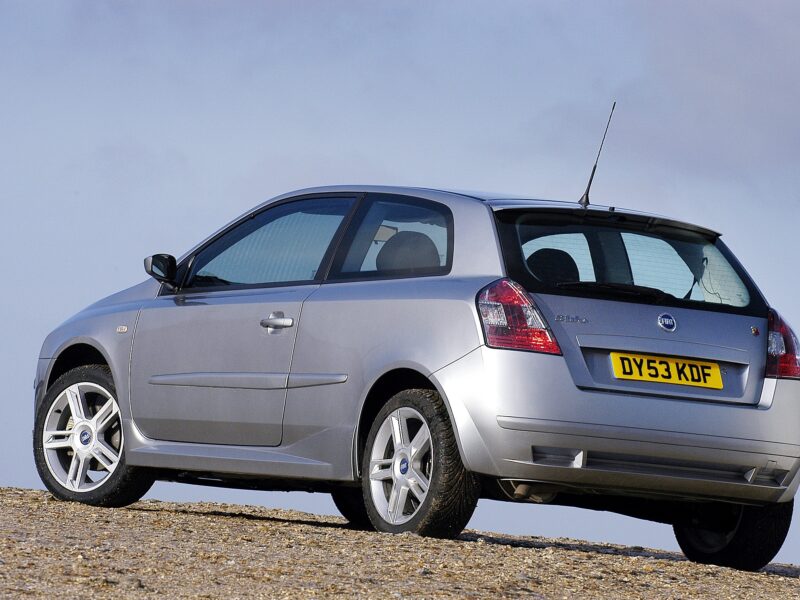
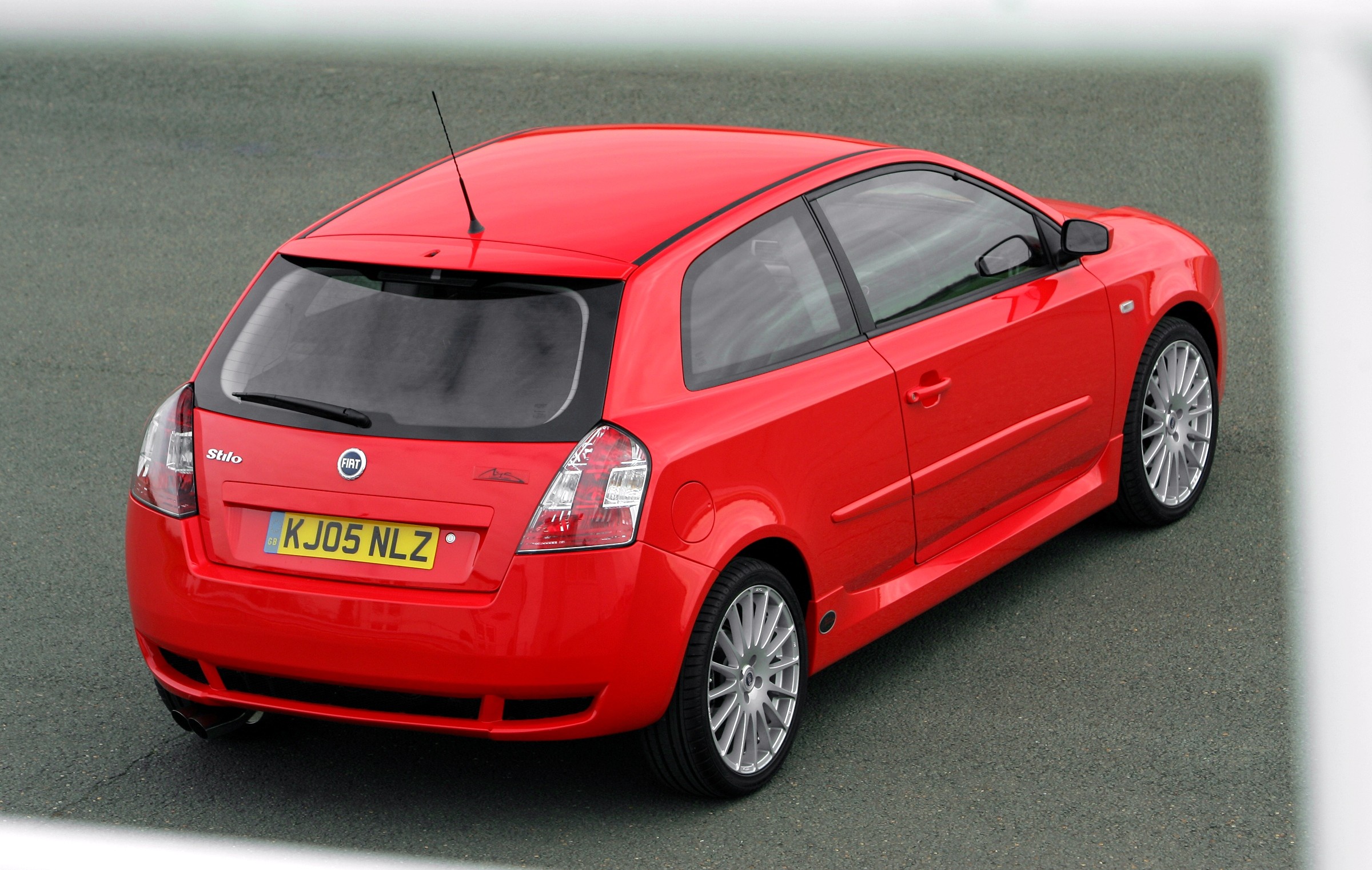
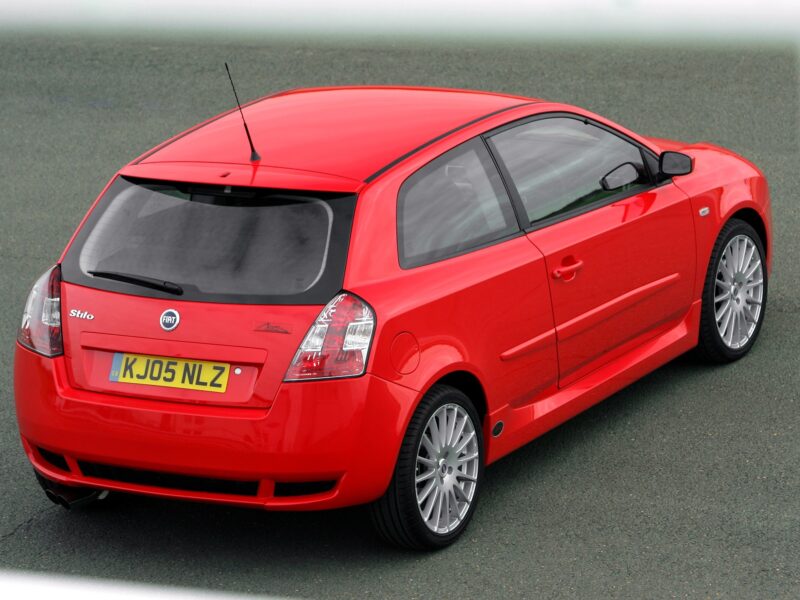
Fiat launched the Stilo as the successor to the Bravo and Brava, with the aim of becoming a strong competitor in the compact segment. The model offered a choice of different body styles and engine options, from the small 1.2 petrol to powerful diesels bearing the JTD name. With the Stilo the Italian manufacturer wanted to take a step forward in design and equipment, but reality turned out to be more stubborn. From the early production years onwards, owners reported various complaints, especially in the field of electronics and mechanical durability. These problems have seriously damaged the Stilo’s image, which means that today the car carries a certain risk as a second-hand purchase. For many Fiat drivers, Fiat car problems are unfortunately no longer a surprise.
‘ Prone to rust and interior issues that expose the build quality ’
The five most common problem areas
Anyone who is considering a Fiat Stilo or already owns one needs to be aware of the weak spots. These five areas are mentioned most often in owner complaints:
- Electrical and electronic faults, especially in the dashboard and wiring
- Problems with the suspension and steering, such as wheel bearings and power steering
- Engine problems that differ by type, from coils on petrol engines to turbos on diesels
- Sensitive transmission systems, particularly the Selespeed automatic
- Prone to rust and interior issues that expose the build quality
In the following sections we discuss each of these problem areas in detail, so you know what to look out for and what to expect.
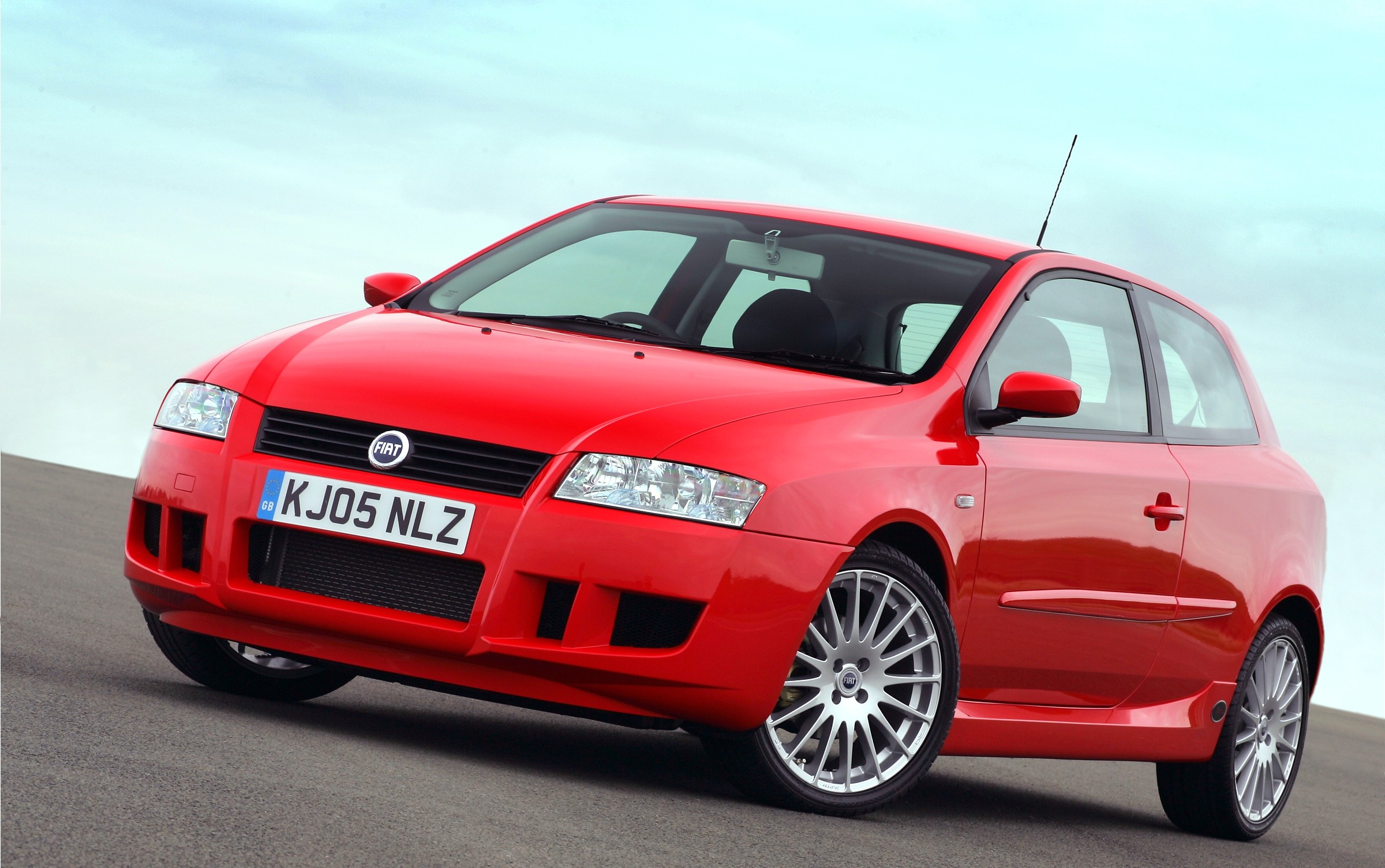
Electronics remain the Stilo’s Achilles heel
Electrical problems are by far the greatest source of irritation with the Fiat Stilo. The dashboard can illuminate warning lights without any clear cause, such as the airbag light that stubbornly stays on. These faults are often caused by moisture entering the fuse box, leading to short circuits. Owners also report that the window motor regularly fails and that the trip computer gives incorrect fuel consumption readings. The tailgate switch does not always work properly and the remote central locking can stop working.
The Stilo’s electronic system is sensitive to voltage fluctuations. As a result, faults can occur that are difficult to trace. The bad news is that these problems are hard to solve once and for all. They often return after repair. When buying a used Stilo, carefully check all the electrical functions and look for signs of moisture damage in the boot and around the fuse box. Repairs can turn out to be expensive, especially if the faults lie deeper in the electrical system.
Suspension and steering: complaints that pile up
As the kilometres add up, the Stilo’s suspension shows wear that manifests itself in instability and creaking noises. The front anti-roll bar links in particular are prone to deformation. This causes tapping noises when driving over uneven surfaces. The wheel bearings in the front wheel arch can also show wear and then need to be replaced. The front drop links also wear out after many kilometres. This contributes to vague steering behaviour.
Problems with the power steering are common and can lead to heavy steering effort or unpredictable behaviour on uneven road surfaces. The Stilo can pull to one side, indicating that the wheel alignment is incorrect. This causes rapid and uneven tyre wear, with the tread wearing down significantly within just a few thousand miles. Have the wheel alignment checked regularly and replace worn suspension components in good time. The good news is that shock absorbers for the Stilo are reasonably priced, so this maintenance item does not have to become a major expense.
‘ Do not postpone this replacement, as a snapped timing belt can cause severe engine damage. ’
Engine problems differ by type
The Fiat Stilo’s engine problems depend heavily on the type fitted under the bonnet. On petrol engines, particularly the 1.2 and 1.8, coil failures occur which cause ignition problems. The 1.8 engine from the early production years can also suffer from excessive oil consumption, which makes regular checking of the oil level essential. Head gasket problems also occur on the 1.2, especially when coolant changes are not carried out at the recommended three-year intervals.
On the diesel versions with JTD engines, the problems are of a different nature. The EGR valve can get clogged with soot deposits, leading to loss of power and irregular engine running. The turbo is sensitive to wear and can fail, which brings high repair costs. Injectors can also fail, resulting in starting problems and rough idling. For all engine types, the timing belt must be replaced every 60,000 kilometres. Do not postpone this replacement, as a snapped timing belt can cause severe engine damage.
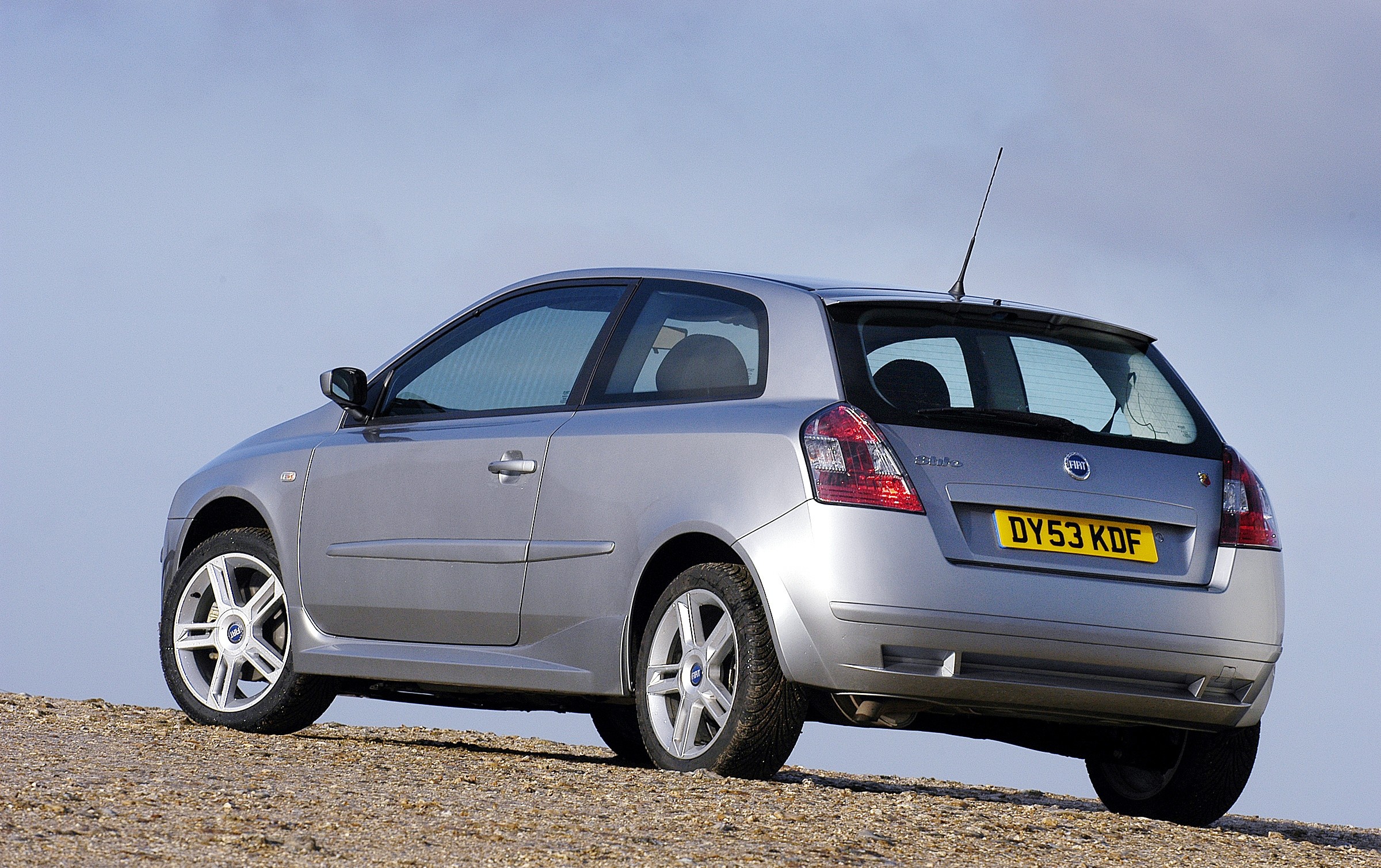
Transmission: the Selespeed needs extra attention
The gearbox is one of the most expensive problem areas of the Fiat Stilo. On manual versions, complaints can arise such as a stiffening clutch pedal, which makes shifting uncomfortable. Clutch problems do occur and sometimes require replacement of the entire system, which is an expensive job. During a test drive, carefully check how the gearbox shifts and listen for any unusual noises or hesitation.
The Selespeed automatic, however, is notorious for its complexity and sensitivity. This automated manual system uses electrically operated actuators and a clutch that is controlled automatically. In practice this system proves susceptible to faults, which show up as jerky gear changes, refusal to change gear or error messages on the dashboard. Repairs to the Selespeed are technically complex and expensive, because specialist knowledge is required. Anyone considering a Stilo with Selespeed needs to be aware that the gearbox can bring a costly surprise. Always ask about the gearbox’s service history and test the system thoroughly during the test drive.
Bodywork and interior reveal weak spots
The build quality of the Fiat Stilo is not always consistent. Rust can appear in places where water can accumulate or where the paintwork is damaged. Pay particular attention to the wheel arches, sills and the bottom edges of the doors. Water leaks in the boot are a known problem. The source is difficult to locate and to fix permanently. Water that enters can not only damage the interior, but also cause electrical short circuits in the wiring behind it.
After years of use, the Stilo’s interior shows wear that appears more quickly than in comparable cars. Plastic trim can start to creak, seat upholstery wears out and switches can lose their positive click. These are not direct safety issues, but they do contribute to a perception of reduced quality. When buying, check the interior for loose parts, stains that may indicate water ingress and the overall condition of the upholstery and trim.
‘ Do not wait too long, as small problems can grow into major and costly repairs. ’
Recognising symptoms and taking the first steps
Spotting problems early can prevent expensive repairs. Watch out for the following symptoms that indicate something is wrong:
- Warning lights that come on or stay on for no apparent reason
- Irregular engine noise, starting problems or loss of power
- Knocking or grinding noises from the suspension while driving
- Jerky gearchanges or reluctance when changing gear
- Moisture or puddles of water in the boot after rain
- Uneven tyre wear or steering behaviour that does not feel right
Do you notice any of these symptoms? Then have the car checked by a garage with experience of Fiat models. Do not wait too long, as small problems can grow into major and costly repairs. Clearly note the symptoms and pass this information on to the mechanic. This allows a more targeted diagnosis.
Maintenance and prevention keep costs manageable
With the Fiat Stilo, regular and correct maintenance is not just recommended, but essential. Replace the timing belt strictly every 60,000 kilometres and use high-quality parts. Check the oil level regularly, especially on older petrol engines that are prone to oil consumption. Keep the fuel tank on diesel models above the minimum, as the fuel pump is cooled by the diesel itself. Running the tank dry can damage the pump.
Regularly inspect electrical components and fuses for moisture ingress. Dry any moisture immediately and replace damaged rubber seals around the fuse box. Have the wheel alignment checked if there is uneven tyre wear and replace worn suspension components in time. Check the air conditioning regularly, as faults can easily cost more than 500 euros. Test all electrical functions and note any faults for targeted repair. A complete and well-documented service history improves the car’s reliability. It also increases its resale value.
Consider the Stilo with your eyes open
The Fiat Stilo may look attractive because of its low purchase price on the used market, but potential buyers need to be realistic about its technical limitations. Those who are prepared to carry out regular maintenance and allow for unexpected repairs can still enjoy many years of driving with a well-maintained example. However, do not buy a Stilo without a thorough inspection and a complete service history. Ask specifically about timing belt replacement, the condition of the gearbox and any previous electrical problems.
For anyone looking for a reliable, trouble-free car, the Stilo is not an obvious choice. The well-known problems with electronics, gearbox and engine make this Fiat a risky investment. However, if you have a technical interest and the means to carry out maintenance and repairs, the Stilo does offer Italian design and plenty of space at an affordable price. Carefully weigh up the pros and cons before making a purchase decision.