
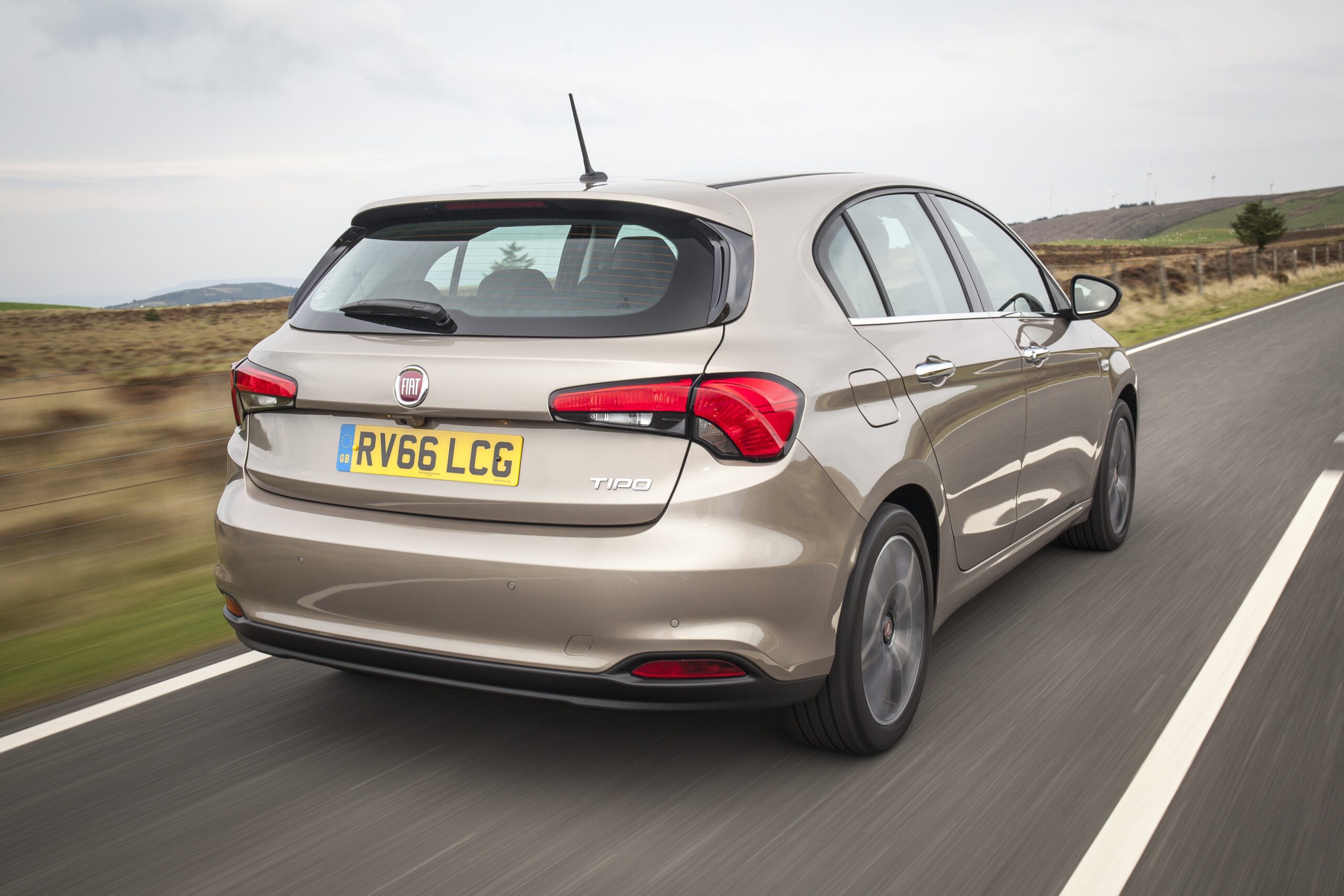
Fiat Tipo: common problems and what you need to know
The Fiat Tipo combines space and an attractive price with a reliability score that is not among the best in its class. Electrical faults, fragile suspension components and engine issues are well-known complaints that owners have to deal with. However, you do not have to dismiss it straight away: with proper maintenance and the right vigilance, many of these issues remain manageable. Curious what exactly you should look out for and how to prevent or solve problems?
General reputation and reliability
The Fiat Tipo (introduced in 2015) positions itself as a budget-friendly family car with plenty of interior space for little money. In reliability surveys, Fiat as a brand scores low: it ended up in 24th place out of 32 brands in a recent survey. The Tipo shares that reputation and is known for a relatively high number of technical issues, mainly in the areas of electrics, suspension and brakes.
Strong points are the generous space, low purchase price and the availability of parts. Weak points lie in the vulnerable electronics, cheap materials in the suspension and chassis, and engine problems that can have unpleasant consequences without preventive maintenance. For buyers who are prepared to pay attention to maintenance and minor repairs, the Tipo remains attractive. For those who want completely carefree motoring, more reliable alternatives are the obvious choice. You can find more information about problems with different models on our page about Fiat car problems.
‘ This is why it is best to fill up with premium diesel to extend your engine’s lifespan beyond 200,000 kilometres. ’
Common engine problems
The Tipo’s petrol engines, especially the 1.4 and 1.6, are known for relatively high oil consumption. This problem mainly occurs in cars that were not run in properly or were used as fleet cars without sufficient rest periods. So check the oil level regularly and top up when needed. The 1.4 T-Jet variant suffers from cracking of the exhaust manifold or turbo housing. Fortunately, the cost of replacing the turbo remains relatively limited.
Diesel engines, such as the 1.3 and 1.6 Multijet, mainly suffer from clogging of the diesel particulate filter (DPF). This happens especially with cars that mostly drive in town and do not make enough long motorway journeys to regenerate the filter. If you drive regularly on the motorway, you prevent oil contamination and even engine damage. Injectors can fail when fuel quality is poor. This is why it is best to fill up with premium diesel to extend your engine’s lifespan beyond 200,000 kilometres.
In the 1.6 diesel, the dual-mass flywheel and clutch plates wear out faster than average. Symptoms include rattling noises from the clutch, especially at low revs or when starting. Some owners report that these parts were replaced free of charge under warranty. In addition, the timing belt must be replaced every 100,000 kilometres to prevent the toothed belt from slipping.
Issues with transmission and clutch
The Tipo’s manual gearboxes are generally not known for major faults, but the clutch is something to watch. In the 1.6 diesel engine the clutch plate wears faster than in comparable models. This is due to the engine’s relatively high torque and the car’s weight. When you notice that the clutch starts to slip or when rattling noises are audible when changing gear, replacement is necessary.
The dual-mass flywheel works together with the clutch and is also vulnerable. This component dampens vibrations from the engine, but when worn it can cause rattling noises. It is best to replace the flywheel at the same time as the clutch, otherwise you pay double labour time. Note that some mechanics or dealers will suggest replacing the whole lot straight away when you come in with clutch problems.
In automatic or automated variants, major faults are rarer, but owners sometimes report jerky gear changes or hesitant software. Software updates at the dealer can sometimes provide relief. If in doubt, have the transmission oil checked and change it in line with the prescribed schedule.
Electrical faults and electronics
Electrical issues are among the most common complaints with the Fiat Tipo. The fuse box, located to the upper left of the accelerator pedal, is prone to moisture and rust. When water or damp gets in, functions such as central locking, electric windows and other systems can fail. Temporary repairs often do not help: replace the entire fuse box for a lasting solution.
Door locks fail regularly. The mechanism wears out faster than in many competitors, meaning that doors can no longer be opened remotely or will not lock properly. Inspect the locks regularly and replace faulty ones immediately to prevent worse. Window regulators also often break: the cable snaps and the glass drops into the door. Tape the glass in place temporarily and have the mechanism replaced at a local garage to save costs.
The digital instrument cluster can show a poor image due to a faulty transistor. A specialist can replace this component cheaply, saving you the cost of an expensive new display. Owners further report that the DAB radio regularly loses signal because of a defective antenna base. Diagnosis at the dealer is often more expensive than necessary, so a local specialist is a sensible choice here too. When buying a used car, thoroughly check all electrical functions: windows, cameras, radio, lights and locks.
‘ The suspension generally uses cheap bushes and links that wear out faster than on more robust cars. ’
Problems with suspension, steering and chassis
The Tipo’s front suspension is vulnerable and often makes knocking noises on bumpy roads. This frequently points to failing wishbones (control arms). If you hear distinct knocking or rattling noises when driving over bumps, have the control arms replaced. The suspension generally uses cheap bushes and links that wear out faster than on more robust cars. The rear axle is fortunately stronger and causes fewer problems.
Shock absorbers and springs are also prone to wear, especially if you often drive on poor road surfaces. Regularly check whether the car is damping properly and whether there is any oil leaking from the shock absorbers. Squeaking or creaking noises in the steering system also occur, even on new cars. This indicates early wear of power steering components or rubber parts in the steering linkage.
During a test drive, listen carefully for unusual noises when steering or driving over bumps. Many of these parts are easy to replace at a local garage and do not necessarily have to be done by a dealer. Preventive checks during routine maintenance help to avoid bigger problems.
Interior and exterior weaknesses
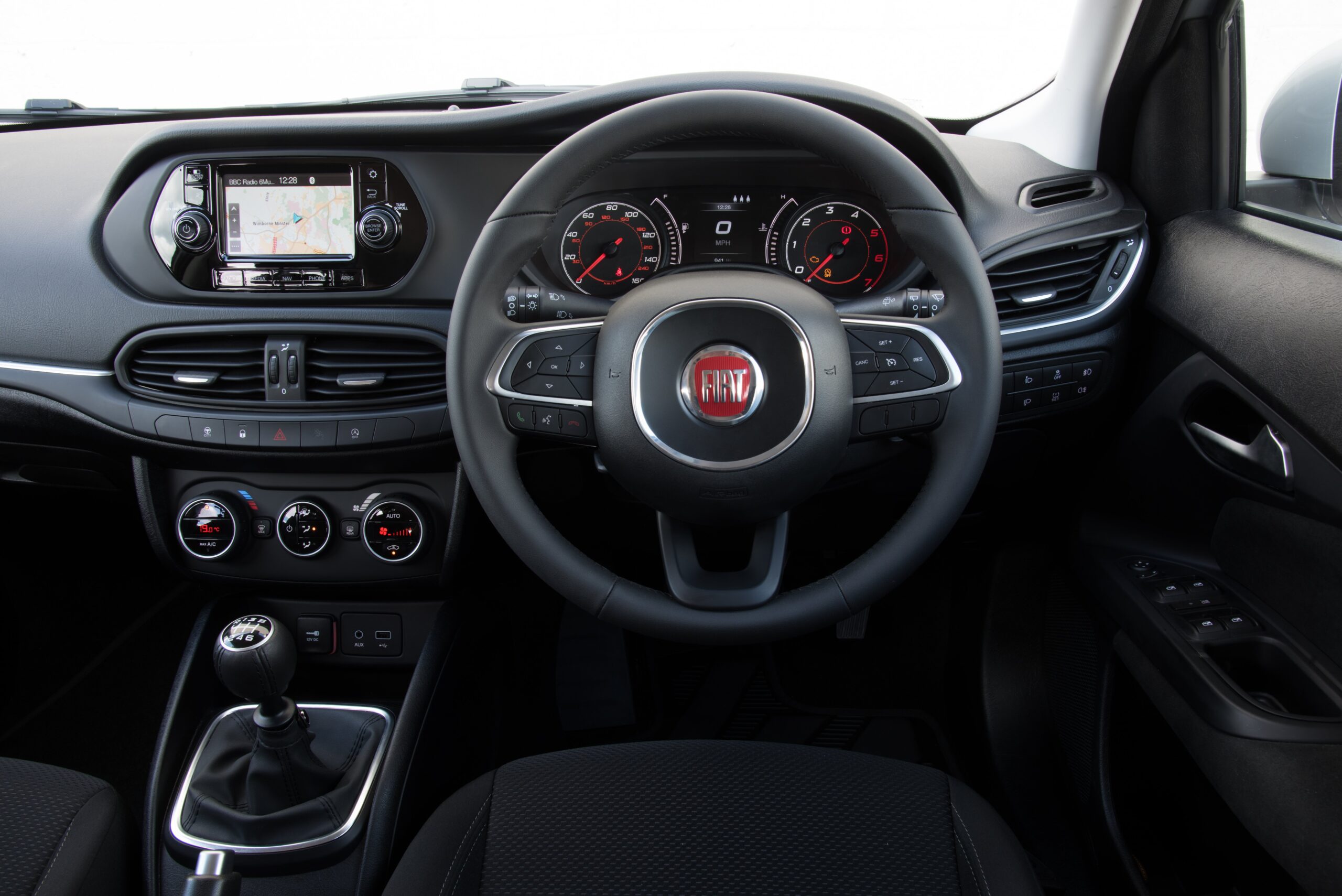
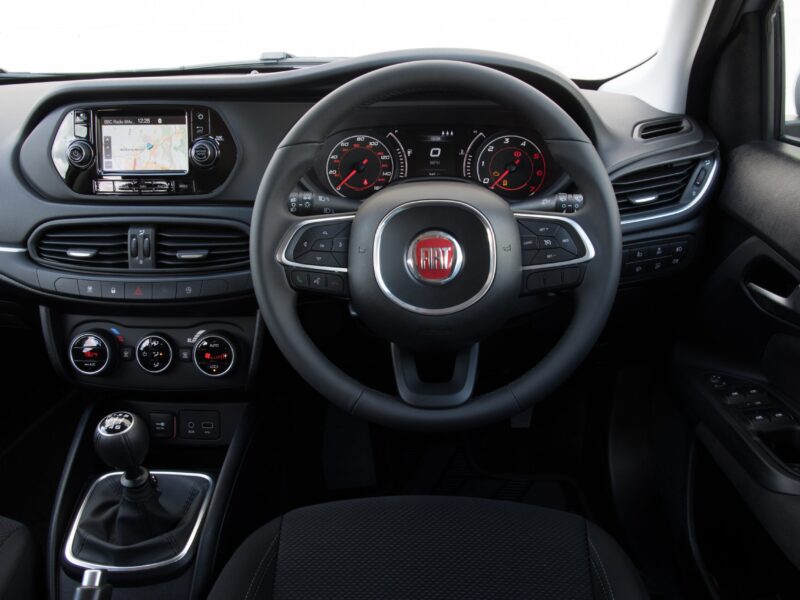
The Tipo’s interior is functional but not finished to a high standard. The plastic scratches easily and feels cheap. For a second-hand example, examine the interior carefully for wear, scratches and damage. The finish of buttons and switches is mediocre, meaning that they sometimes work loose or stick.
Window regulators often break, as mentioned earlier, and that directly affects the car’s usability. When the glass drops down into the door, you can temporarily keep using the car by taping the window in place, but replace the mechanism as soon as possible. Loose washer fluid hoses for the windscreen wipers also occur; check them for leaks or loose connections.
The Tipo’s bodywork currently shows few corrosion problems, but the brake discs and brake lines do rust quickly. That mainly affects functionality and safety. Dashboard warning lights can stay on without any clear reason, especially on newer cars. Have this checked with a diagnostic computer to find the cause.
Maintenance tips to prevent problems
Good maintenance is more important on the Fiat Tipo than on more reliable cars. Make sure you include the following points in your maintenance schedule:
- Check the engine oil level every month and top up when needed, especially on petrol engines.
- Drive at least once a week on a longer motorway run to regenerate the DPF on diesel engines.
- Replace the timing belt every 100,000 kilometres.
- Inspect the fuse box for moisture and rust in wet weather.
- Check the brake lines annually for rust and replace them preventively if visible corrosion is present.
- Listen for unusual noises from the suspension or steering and have them checked immediately.
- Test all electrical functions regularly to detect faults at an early stage.
Prefer a local, reliable garage instead of the dealer. Many repairs, such as replacing brake discs, wishbones or window regulators, are cheaper there without loss of quality. In the case of DPF problems, it is important to check whether the oil level is rising, which indicates fuel contamination. Change the oil immediately to prevent engine damage.
‘ Faults in these systems are very common and often expensive to repair. ’
What to look out for when buying a used Fiat Tipo
When you are considering a used Fiat Tipo, take your time for a thorough inspection. Start by testing all electrical functions: central locking, windows, radio, cameras, lights and instrument cluster. Faults in these systems are very common and often expensive to repair.
During the test drive, listen for knocking noises from the front suspension and rattles when steering. Check whether the windows move smoothly up and down without hesitation or sticking. Inspect the fuse box for signs of moisture or rust. Ask for the maintenance history, in particular whether the timing belt and DPF have been serviced regularly.
Check the engine oil level and look for black deposits or a rising oil level, which indicate DPF problems. Inspect the brake discs and brake lines for rust. Test the clutch by pulling away on a hill: if the car shudders or the clutch slips, it needs replacing. Ex-fleet cars require extra attention due to the risk of oil consumption and insufficient running-in periods.
Also pay attention to the condition of the interior: scratches, loose buttons and damaged upholstery indicate intensive use. Ask whether any warranty was provided on recent repairs to parts such as the flywheel, wishbones or electrical systems. A complete maintenance history and transparency about previous issues are valuable when making your purchase decision.
The Fiat Tipo as a long-term choice
The Fiat Tipo offers a lot of car for little money, but it does require a realistic view of reliability and maintenance costs. Electrical faults, fragile suspension components and engine problems occur regularly, especially on cars that have had little maintenance or have been used intensively. For those who are prepared to invest time and attention in preventive maintenance, the Tipo remains a workable option.
The price–quality ratio is appealing when you weigh the purchase price against the space and practicality. Parts are affordable and labour costs at local garages are lower than at dealer workshops. Anyone looking for a carefree car with minimal maintenance risks is well advised to look at more reliable makes and models.
For budget-conscious car enthusiasts who know what to look out for and are not afraid of small repairs, the Tipo can be a sensible choice. Make sure you stay alert to common problems when buying and schedule regular maintenance in your diary. That way you keep costs manageable and avoid major surprises.