Everything about car problems with Ford:
Ford models suffer from various reliability issues, ranging from fire risks due to faulty engine block heaters to electronic failures and transmission troubles. Especially recent models such as the F-150 and Mustang Mach-E, as well as popular types like the Fiesta, Focus and Kuga, show known weak spots. The good news? With the right knowledge you can recognise symptoms early and prevent costly damage. Discover per model what to look out for and how to deal smartly with maintenance and repairs.
How reliable are Ford models nowadays?
Ford scores below average in the Vehicle Dependability Study (reliability survey of car brands). Infotainment remains the biggest reliability weakness, followed by exterior issues and over-the-air (OTA) software failures. These issues mainly affect models from 2013 to 2026, including popular types such as the F-150 and Mustang Mach-E.
The role of electronics and software has increased, and with it the number of failures. Whereas older Fords were mechanically reliable, modern models struggle with complex systems. These systems are sensitive to software errors and updates. Recent recalls focus on safety risks such as fire hazards and rollaway problems in electric vehicles.
Ford acknowledges the quality problems and promises improvements, but owners continue to report frustrations. Certain models make the news more often than others:
- Mustang Mach-E: rollaway risk due to a component in the gearbox
- General Ford models: infotainment freezes, electrical failures
‘ The electronic parking brake activates automatically, but if it fails or is switched off, the car can roll away. ’
Common problems with Ford models: electronics, software and safety
Several Ford models share similar issues. You will encounter these brand-wide problems across different model years and types.
Electronic failures in dashboard and infotainment
Black dashboards pose a major danger in 2025-2026 F-150 and Super Duty models. Screens switch off unexpectedly while driving, without speed, warnings or alerts. You suddenly see no information about your speed, fuel or warning lights.
Infotainment systems freeze or respond slowly. Sync connectivity drops out, navigation freezes and cameras show no image. This mainly occurs in models with larger touchscreens and newer software versions.
Symptoms you can recognise:
- Dashboard that shuts down while driving
- Infotainment screen that does not respond or keeps freezing
- No reversing camera image when reversing
- Bluetooth connectivity that regularly drops out
What you can do: demand a software update at the dealer and report failures immediately for safety. Do not drive without alerts and always have faulty systems checked before making long journeys.
Over-the-air software problems and error messages
Over-the-air updates sometimes solve problems, but also cause new software errors. Error messages appear without any clear cause, and systems stop working after an update.
In hybrid and electric models, software problems cause issues with charging systems and regenerative braking (a system that recovers energy when braking). Regularly check whether updates are available and preferably have them installed by a dealer who can test whether everything works properly afterwards.
Fire risk due to engine block heaters
In January 2026 Ford announced three recalls for fire risk caused by short circuits in engine block heaters. This affects more than 119,000 vehicles from 2013-2024 and 2,633 separate parts.
Warning signs are:
- Coolant leaks under the car
- Loss of cabin heating
- Overheating engine
- Low coolant warning lights
- Smell of burning or smoke
Stop using the heater immediately and do not park indoors. Avoid plugging in the engine block heater until the fix is available after 13 April 2026. Check your VIN through official channels to see whether your car is affected.
Rollaway risk in electric and hybrid models
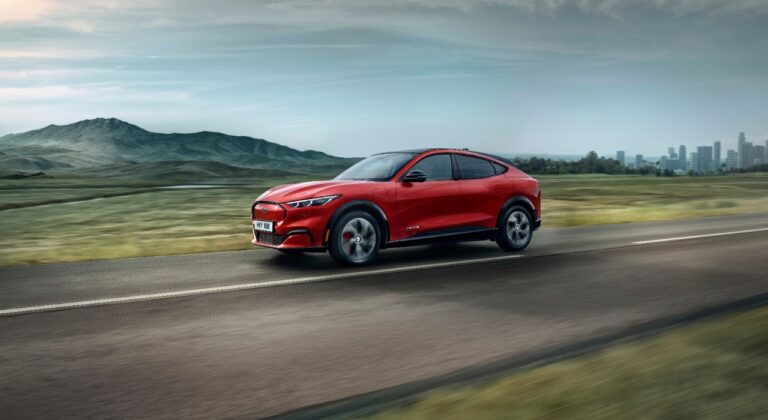
Ford is recalling 272,645 hybrid and electric models due to rollaway risk. This concerns 2022-2026 F-150 Lightning, 2024-2026 Mustang Mach-E and 2025-2026 Maverick Hybrid. A component in the gearbox (transmission) jams, preventing Park from engaging.
The dashboard shows no Park light, but it does show a key light and an error message. The electronic parking brake activates automatically, but if it fails or is switched off, the car can roll away. Ford estimates that 1 per cent of vehicles are defective, with no accidents reported.
Solution: request the free OTA software update or visit a dealer from the end of January 2026. Until then, always make sure the parking brake is on and do not switch it off manually.

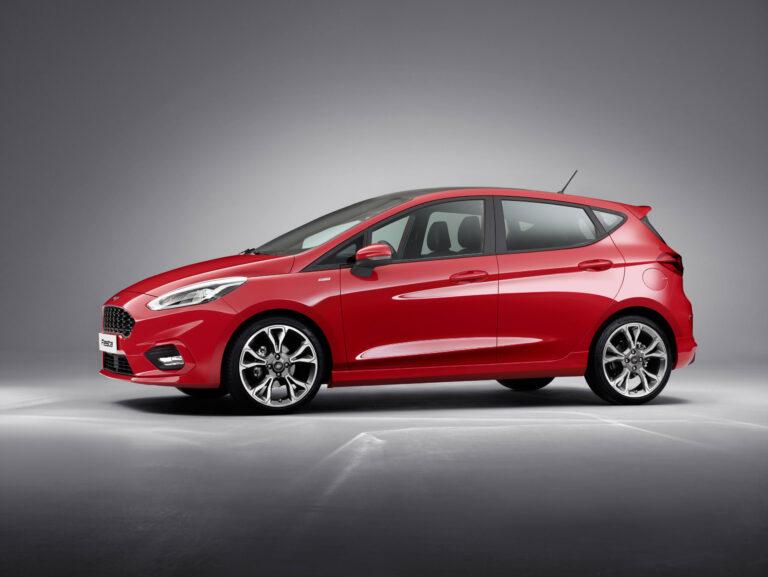
Ford Fiesta: clutch, electronics and rust
The Fiesta is popular as a city car, but struggles with known weak spots. Older models in particular show failures that you should keep an eye on when buying or servicing.
Clutch and transmission complaints
Certain model years with the Powershift automatic gearbox show juddering, slipping or go into limp mode. The dual dry clutch wears faster than in traditional automatics, especially in town with lots of stop-start traffic.
Symptoms:
- Jerky shifting at low speeds
- Slipping clutch when pulling away
- Vibrations when changing gears
- Limp-home mode with warning light
Preventive maintenance helps only to a limited extent. In case of serious complaints, replacement of the clutch or transmission module is often the only option. Costs can run into several thousand euros. When buying a used Fiesta, always check the transmission type and ask about the service history.
Electrical failures and warning lights
Central locking fails regularly, especially in models around 2010-2015. Doors do not lock or open spontaneously. Warning lights for tyres, airbags or ABS come on without any clear reason.
Many of these failures are caused by loose connections, corrosion on wiring or faulty sensors. A diagnostic test (electronic reading of fault codes) at the dealer reveals the cause. Fix minor electrical issues in good time before they cause major damage.
Rust spots and bodywork wear
Fiestas from before 2017 are prone to rust around the wheel arches, bottom of the doors and tailgate. Road salt and moisture accelerate corrosion.
Check these points during purchase or inspection:
- Wheel arches on the inside and outside
- Bottom of the doors and sills
- Tailgate and light units
- Chassis and exhaust
Treat small rust spots immediately to prevent the rust from spreading further. Protect the chassis with a coating if you drive in areas with a lot of road salt.
Read more: Ford Fiesta
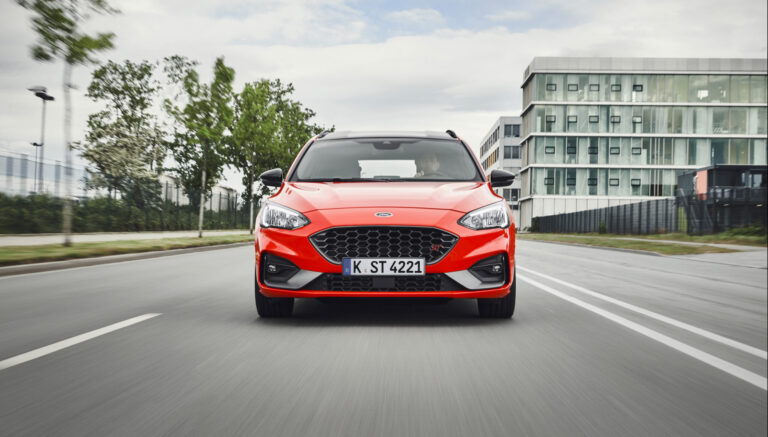
Ford Focus: transmission troubles and engine management
The Focus shares much of its technology with the Fiesta, but has its own specific problems. The Powershift transmission and turbo engines in particular need attention.
Powershift and automatic gearbox problems
The dual dry clutch of the Powershift automatic gearbox is notorious. Juddering, slipping and limp mode occur frequently in Focus models from 2011-2016. Ford has repeatedly released software updates, but hardware issues remain.
If you notice jerky behaviour or a slipping clutch: have it checked immediately. Waiting will worsen the wear and increase repair costs. Some owners report that a reset of the transmission computer helps temporarily, but a lasting solution often requires replacement.
Problems with turbochargers and engine management
Focus models with small turbo engines (1.0 and 1.5 EcoBoost) suffer from misfiring and loss of power. Turbochargers fail due to contamination or oil problems, especially at higher mileage.
Common causes:
- Blocked oil supply to the turbo
- Faulty wastegate or control valve
- Software errors in engine management
- Contaminated intake ports
Symptoms include misfiring under acceleration, loss of power and increased fuel consumption. Preventive maintenance with regular oil changes reduces the risk. Use the correct oil quality and change it according to factory specifications.
Electronic failures and sensors
Warning lights often come on due to faulty sensors. Lambda sensors, mass air flow meters and position sensors fail over time. This leads to poor engine performance, high consumption or starting problems.
A diagnostic test (electronic reading of fault codes) reveals the cause. Replace faulty sensors in good time to prevent follow-up damage. Genuine Ford parts are more reliable than cheap alternatives.
Read more: Ford Focus
‘ Repair costs are high for complex systems. ’
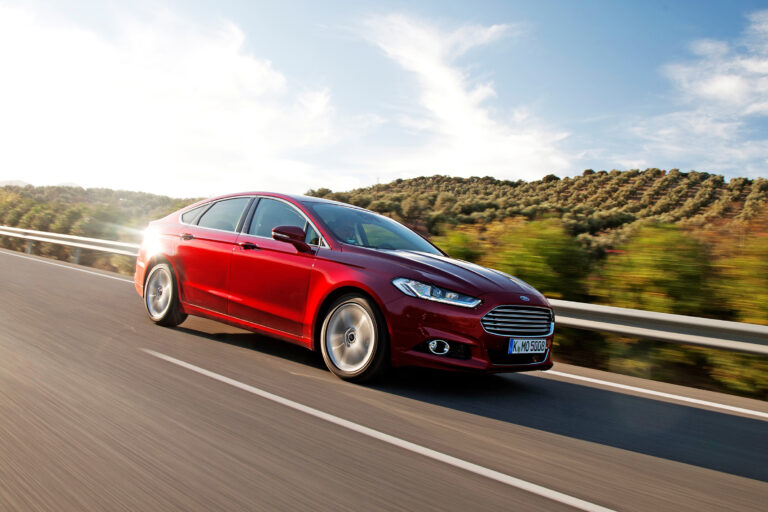
Ford Mondeo: diesel problems and suspension
The Mondeo is particularly popular as a company car, often with a diesel engine and high mileage. This brings specific wear and maintenance points.
Diesel-related issues
EGR valves become clogged with soot deposits. This causes juddering behaviour, loss of power and warning lights. Cleaning or replacement is required in case of severe contamination.
Particulate filters cause problems when making many short journeys. The regeneration process (automatic burning clean of the filter) does not start, causing the filter to clog up. Symptoms include loss of power, increased consumption and warnings on the dashboard.
Injectors fail at higher mileage, especially in poorly maintained engines. This leads to poor starting, irregular revs and black exhaust fumes. Replace faulty injectors and have the fuel filter changed regularly.
Wear on suspension and steering
Mondeos with high mileage show wear in the suspension and steering. Creaking and rattling noises over uneven surfaces indicate worn bushes, ball bearings or anti-roll bar links.
Unstable driving behaviour is caused by worn track rod ends or control arm bushes. Have the suspension checked during the MOT and replace worn parts in good time. This improves driving comfort and prevents damage to tyres and wheel suspension.
Electronic complaints in higher trim levels
Mondeos with lots of electronics show failures in seat heating, park assist and automatic lighting. Sensors and modules fail due to moisture or age.
Repair costs are high for complex systems. Consider whether all functions are necessary and have faulty modules read out for an accurate diagnosis.
Read more: Ford Mondeo

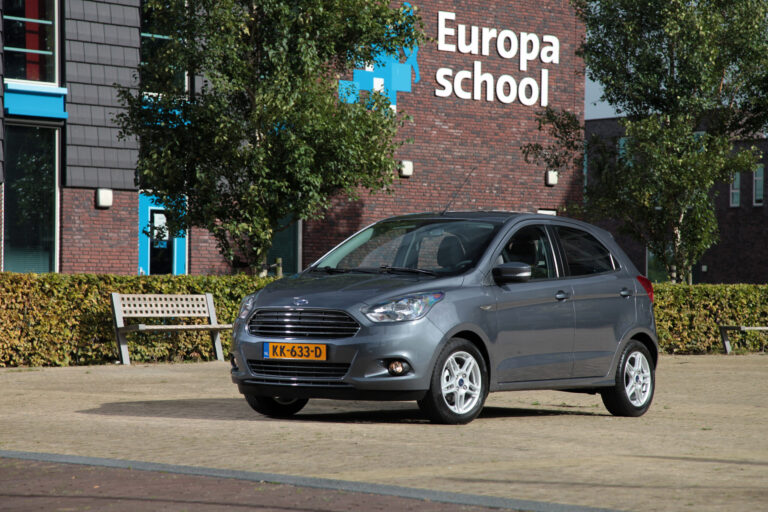
Ford Ka: city car with known weak spots
The Ka is affordable to buy, but has specific points of attention. Older examples in particular require extra checks.
Rust-prone bodywork and chassis
Kas are prone to rust, especially around wheel arches, sills and chassis. Lack of good coating and thin sheet metal speed up corrosion.
Check these points thoroughly when buying:
- Wheel arches inside and out
- Sills and bottom of doors
- Chassis, especially around mounting points
- Tailgate and light units
Treat rust spots immediately and apply extra protection if you plan to keep the car for a longer period.
Basic electronics and failures
Lighting, wipers and dashboard warnings regularly cause problems. This is often due to simple causes such as loose earth connections, corrosion or faulty switches.
Error messages on the dashboard may indicate sensor failures. Have this checked, as some issues are easy to fix by cleaning contacts or replacing an inexpensive part.
Engine problems at high mileage
Kas with more than 150,000 kilometres show engine problems such as oil consumption, starting problems or irregular revs. Much of this is due to overdue maintenance.
Regular oil changes and replacement of wear parts such as spark plugs and air filters keep the engine healthy for longer. Do not buy a Ka with an unclear service history, as repairs quickly cost more than the value of the car.
Read more: Ford Ka
Ford C-Max: electrical failures and drivetrain
The C-Max combines the size of a family car with relatively compact dimensions. However, this practical MPV has its own teething problems.
Electrical failures in interior and infotainment
Infotainment systems freeze or respond slowly. Sync connectivity fails regularly and updates do not always fix the problems. Heating and climate control display error messages or do not work properly.
Seat heating and cooling are not always reliable. This is often due to faulty heating elements or electrical modules under the seats. Repairs are costly because of limited accessibility.
Problems with the drivetrain
Vibrations at certain speeds indicate imbalance in the drivetrain or worn engine mounts. Jerky shifting occurs in C-Max models with a Powershift automatic gearbox.
The clutch and gearbox require the same attention as in the Focus. Preventive maintenance helps only to a limited extent. In case of serious complaints, professional diagnosis is necessary.
Specific issues in hybrid versions
C-Max Hybrid and Energi struggle with software problems around the regenerative braking system (a system that recovers energy when braking) and battery management (software that monitors the battery charge). Charging problems in the Energi arise from faulty charging cables, contact points or software errors.
The 12V battery in hybrids discharges faster than in regular models. This is due to continuous use for electrical systems. Replace the battery in good time to prevent starting problems.
Battery degradation in older hybrids reduces the electric driving range. This is normal, but when buying, check the condition of the high-voltage battery via a diagnostic test (electronic reading of battery condition).
Read more: Ford C-Max
‘ The S-Max offers seven seats and a lot of electronics. That makes the car comfortable, but also prone to failures. ’
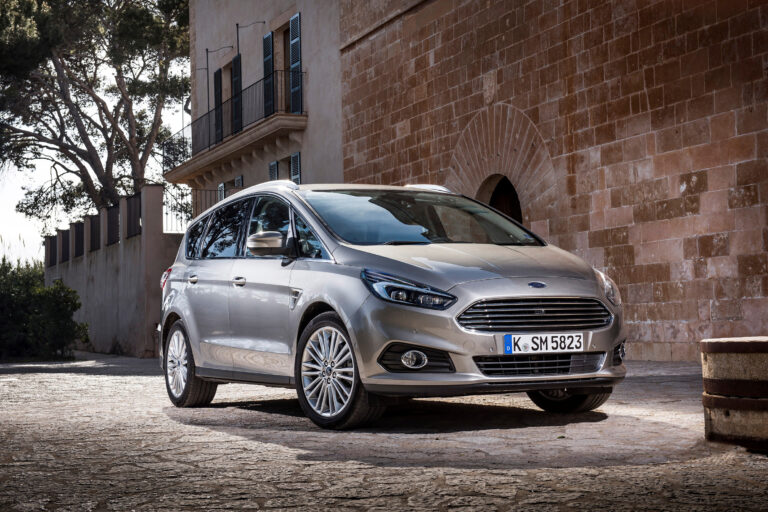
Ford S-Max: family MPV with complex technology
The S-Max offers seven seats and a lot of electronics. That makes the car comfortable, but also prone to failures.
Failures in chassis and suspension with full load
With a full load of seven people and luggage, wear on chassis and suspension is accelerated. Shock absorbers, springs and control arm bushes deteriorate more quickly.
Creaking and rattling noises over uneven surfaces indicate worn suspension components. Have this checked at the MOT and replace defective parts in good time. A well-maintained suspension ensures safe and comfortable driving.
Electronic teething problems
Parking sensors give false warnings or stop working. This is caused by contamination, damage or corrosion on the sensors. Cleaning sometimes solves this; otherwise replacement is needed.
Sliding and tailgate systems at the rear do not always function reliably. Electrical modules fail or mechanical parts wear out. Lubricate hinges regularly and check the operation of the electrical controls.
Engine problems in petrol and diesel versions
S-Max models with EcoBoost engines suffer from turbo and cooling problems. Diesel versions have EGR and particulate filter issues, especially with many short journeys.
Regular maintenance helps to prevent problems. Drive longer distances to allow diesel regeneration (automatic burning clean of the particulate filter) to take place. Check the coolant regularly and pay attention to temperature warnings.
Read more: Ford S-Max


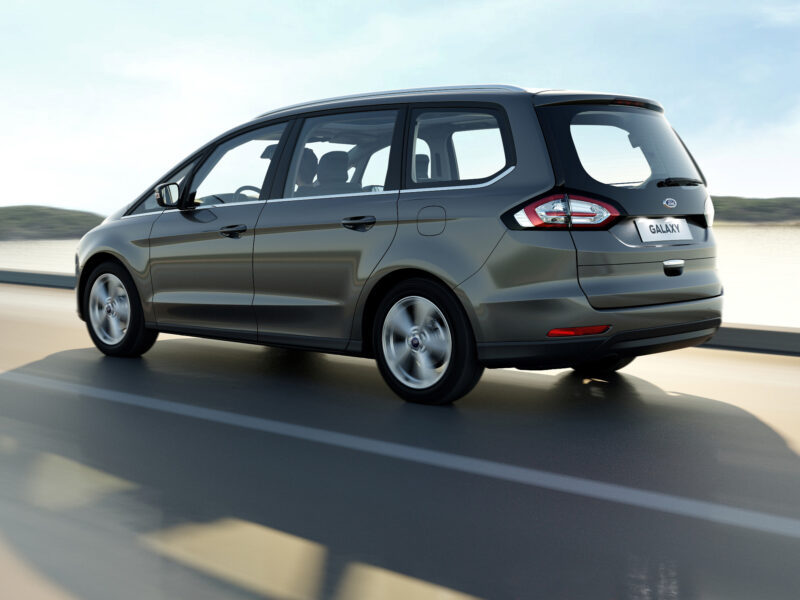
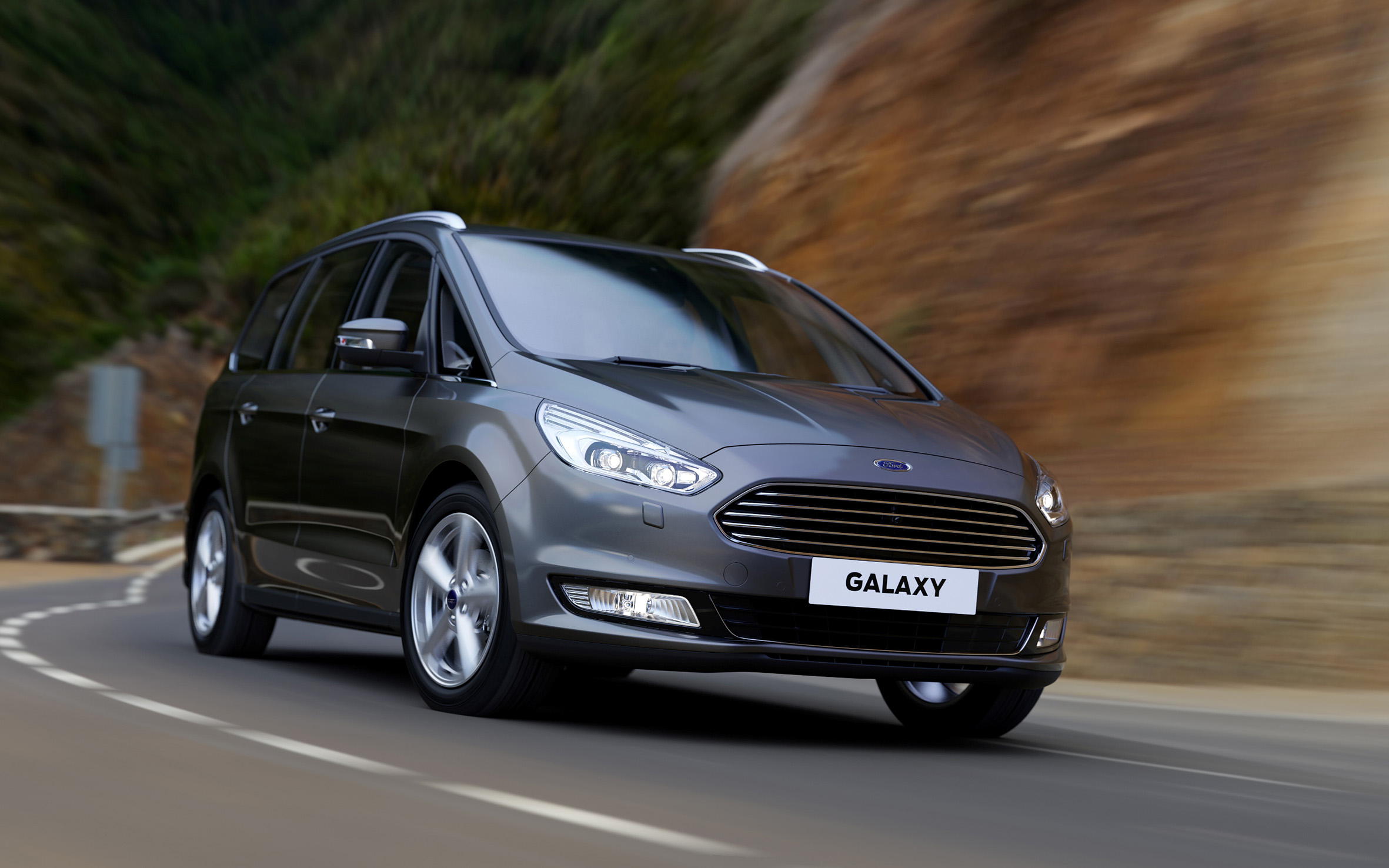
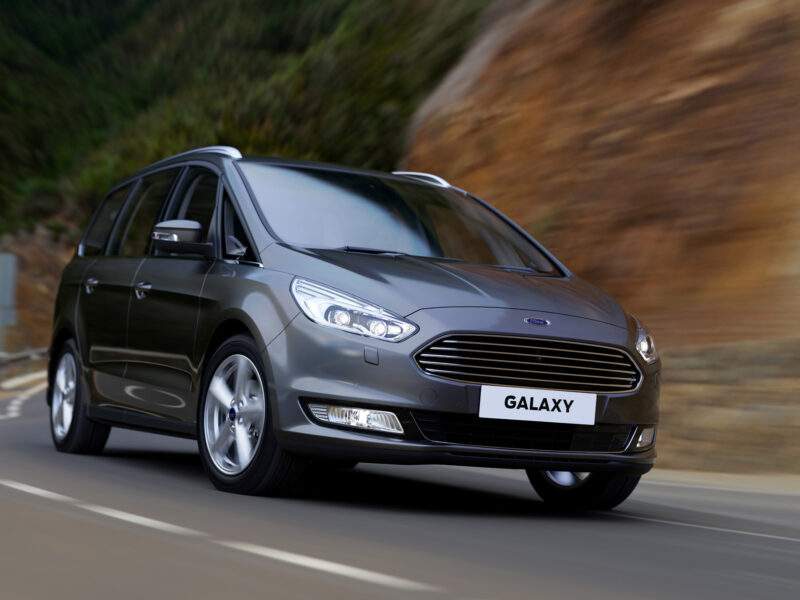
Ford Galaxy: heavy load and wear points
The Galaxy shares much of its technology with the S-Max, but is often used more intensively by families and businesses. This accelerates wear on specific components.
Accelerated wear on brakes, suspension and clutch
The high weight and frequent full load cause faster wear on brakes. Brake discs and pads wear faster than in lighter cars.
The clutch and suspension experience the same load. With intensive use with a caravan or full load space, the wear rate doubles. Schedule maintenance more frequently than the factory recommendation and check these components extra carefully during MOT inspections.
Air conditioning and climate control problems
The large cabin makes heavy demands on the air conditioning system. Compressors fail over time, especially in older models. Refrigerant leaks via hoses and connections.
Irregular operation of the climate control occurs due to faulty sensors or modules. An air conditioning service with pressure measurement and refilling solves many problems.
Electronics issues with seat adjustment and systems
Electric seat adjustment does not always operate reliably. Motors fail or switches become defective. Repair is expensive due to the labour-intensive dismantling.
Sliding and folding mechanisms of the rear seats show mechanical wear. Cables and levers break or do not latch properly. Check the operation regularly and lubricate mechanical parts.
Read more: Ford Galaxy
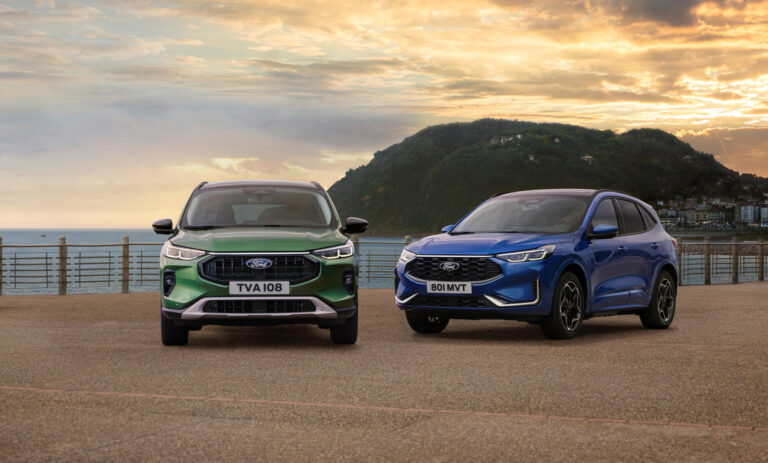
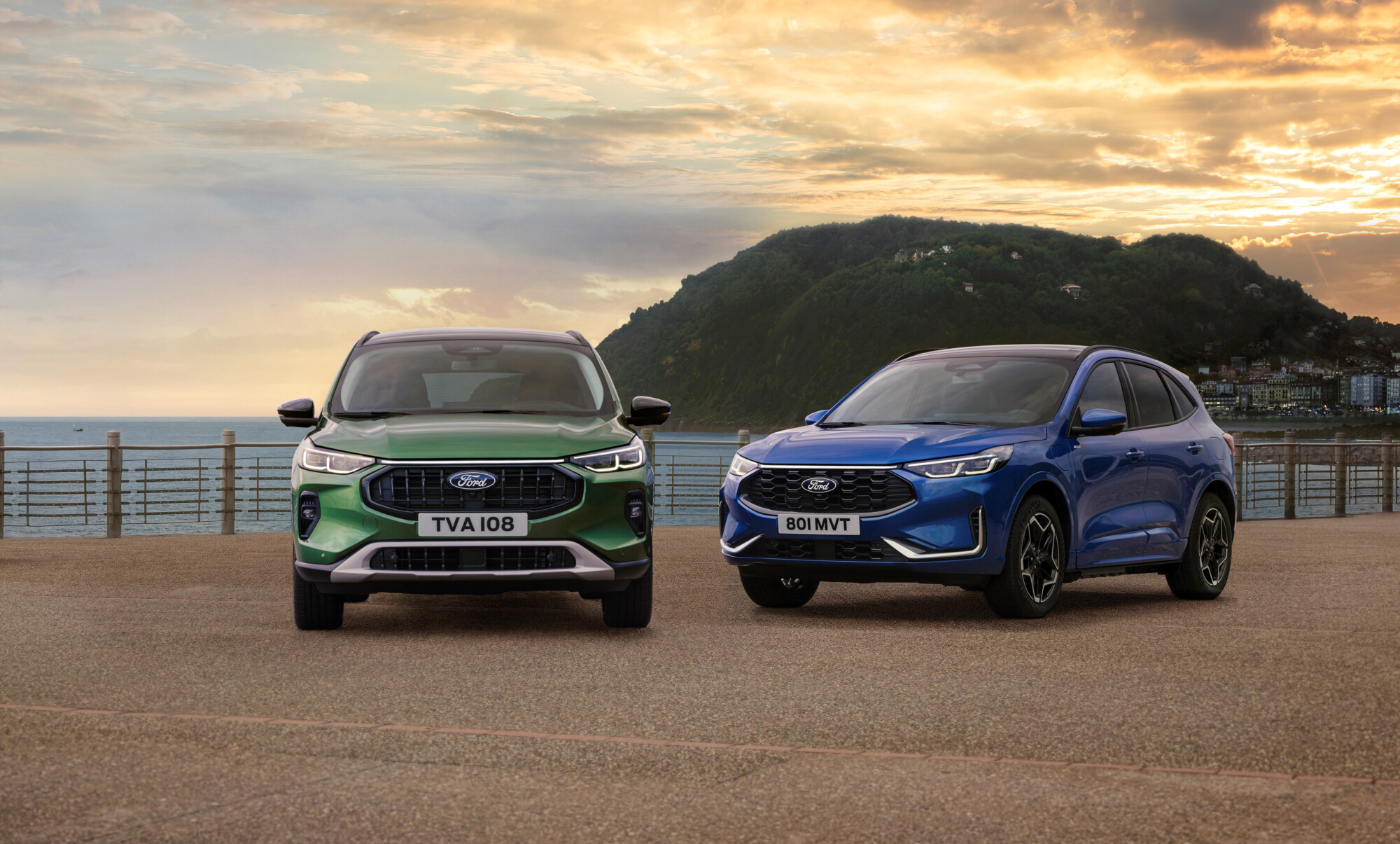
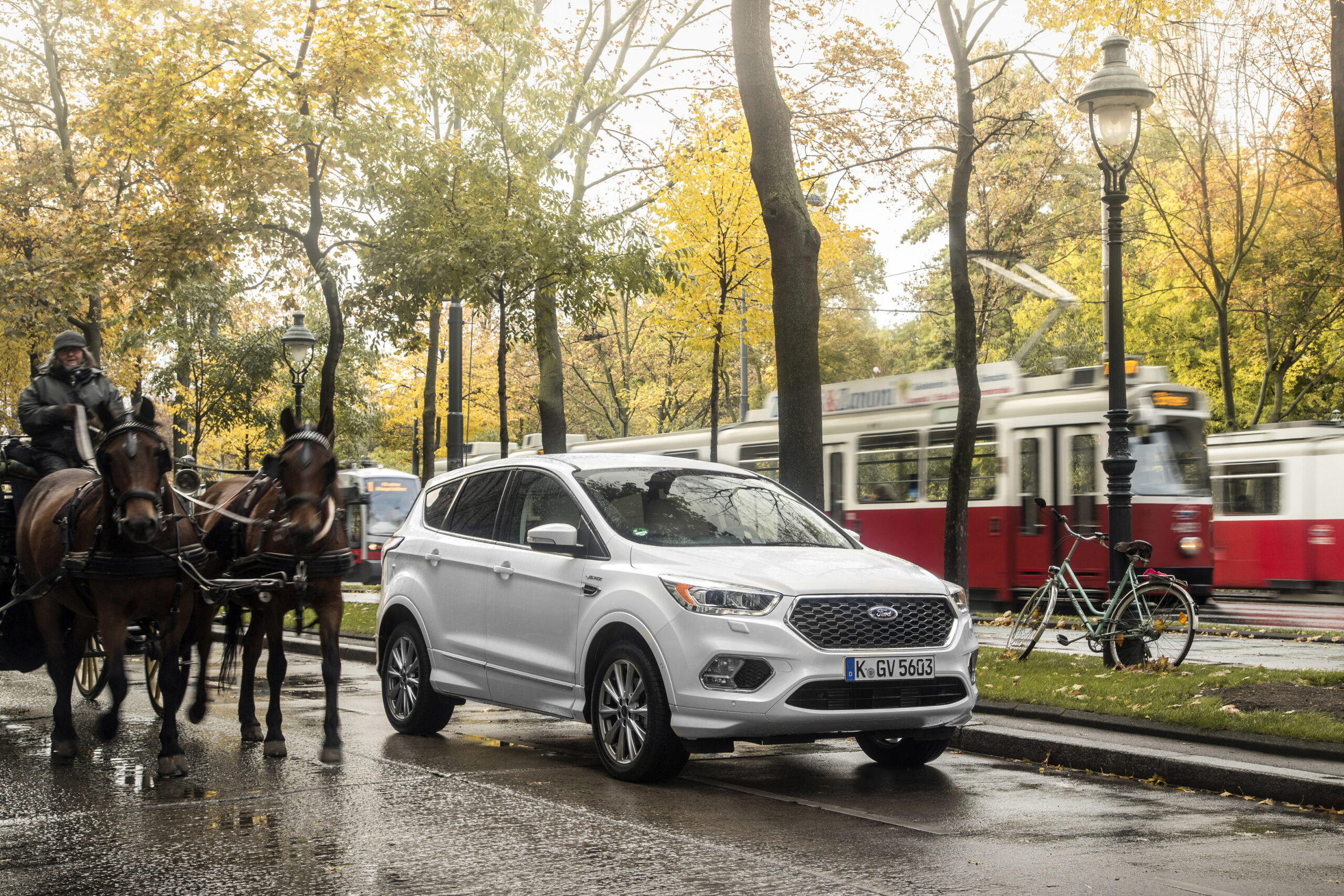
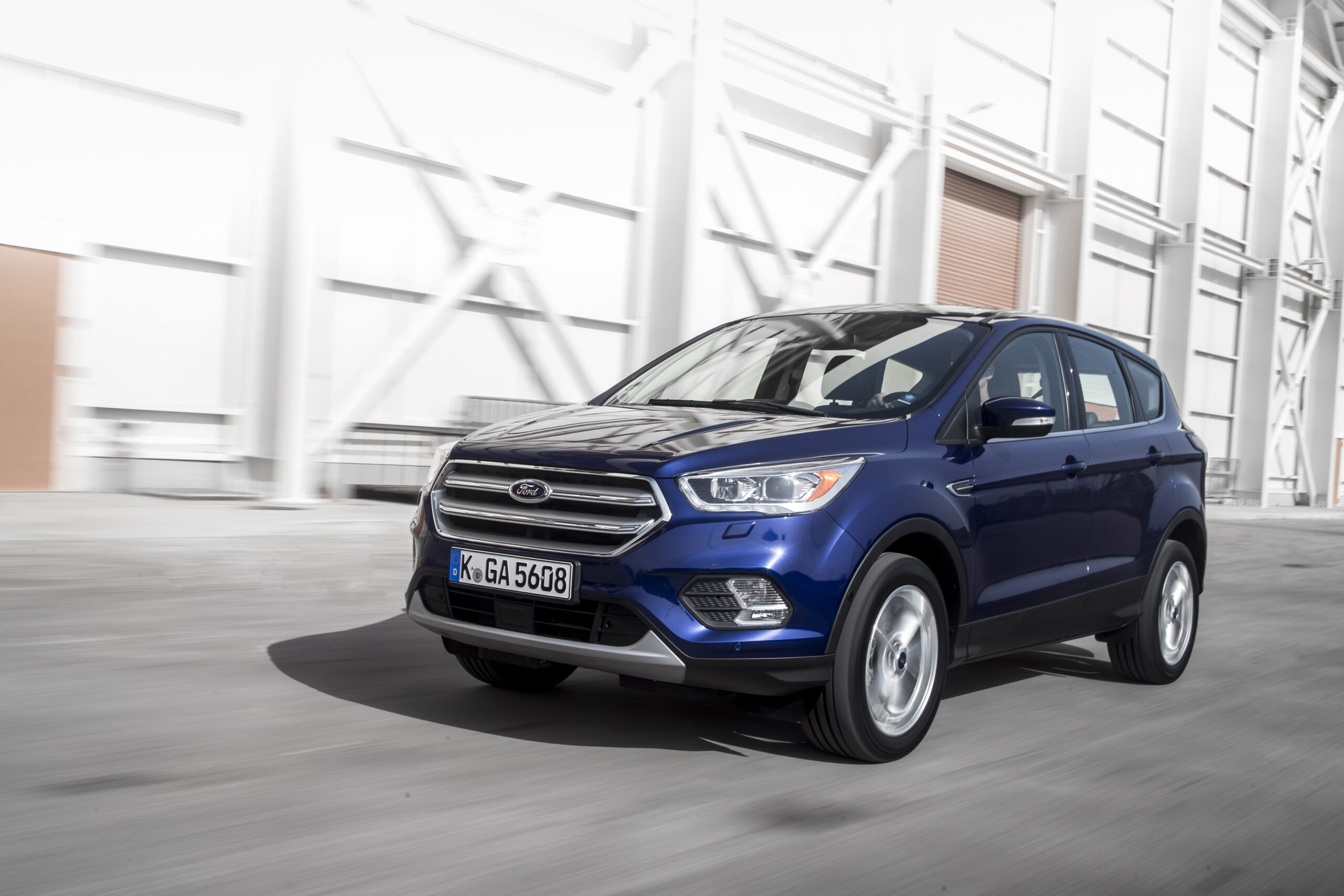
Ford Kuga: SUV problems with engine and drivetrain
The Kuga is popular as a family SUV, but has specific technical issues. The engine and drivetrain in particular require attention.
Turbocharger and cooling problems
Kuga models with small turbo engines suffer from overheating and cooling problems. Turbochargers fail due to high load, especially with sporty driving or towing caravans.
Symptoms include misfiring, loss of power and increased exhaust temperature. Check the coolant level regularly and pay attention to temperature warnings. Have the cooling system flushed during services and replace the thermostat in good time.
4×4 and AWD failures
Kugas with four-wheel drive show faults in the drivetrain. Rear differential and couplings between front and rear axle cause problems under intensive use.
Common symptoms:
- Vibrations under acceleration
- Unusual noise from the rear axle
- Warning messages for four-wheel drive
- Poorly functioning AWD system
Regular maintenance of differential oil and checks of driveshafts prevent many problems. Do not use the Kuga for heavy off-road work if you have a 2WD version.
Software and sensor complaints in driver assistance systems
Modern Kugas with driver assistance systems suffer from software problems. Lane assist gives false warnings or does not work properly. Adaptive cruise control brakes unexpectedly or switches off.
This is often caused by contaminated sensors or software errors. Keep sensors clean and ask the dealer for software updates. Some issues have been resolved in newer software versions.
Read more: Ford Kuga
‘ Software updates solve some problems, but new software errors sometimes arise after updates. ’
Ford Puma: modern crossover with software bugs
The Puma is Ford’s latest compact crossover, launched in 2019. Despite the modern technology, the car has teething problems.
Infotainment and connectivity problems
Sync systems freeze, navigation does not work properly and cameras show no image. Bluetooth connections drop out regularly and voice control works poorly.
Software updates solve some problems, but new software errors sometimes arise after updates. Report failures to the dealer and ask for the latest software version. Check whether your car is subject to a recall.
Teething problems in driver assistance systems
Lane assist, traffic sign recognition and adaptive cruise control are not always reliable. Systems give unnecessary warnings or switch off unexpectedly.
This is due to software problems and sensitive sensors. Keep cameras and radars clean and have systems calibrated after a windscreen replacement or heavy impact.
Wear in small turbo petrol engines
Pumas with the 1.0 EcoBoost engine show problems with sporty driving. Turbos wear faster and oil consumption increases under higher loads.
Regular oil changes with the correct specification extend service life. Avoid constantly high revs and let the turbo cool down before switching off the engine.
Read more: Ford Puma


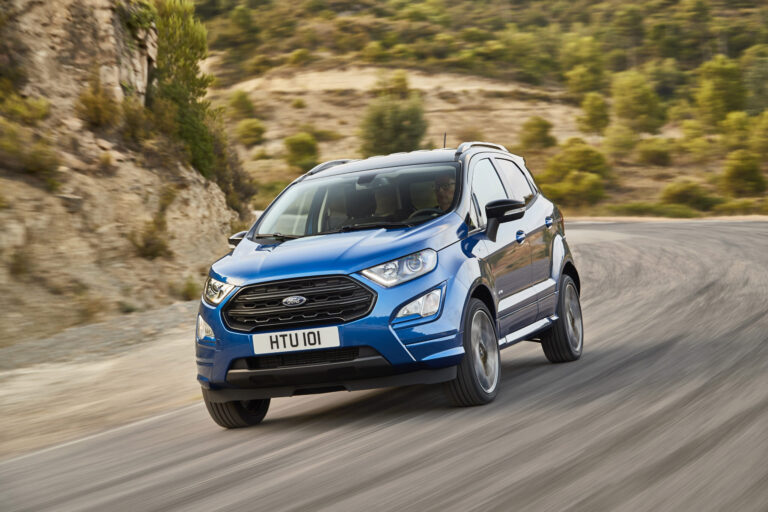
Ford EcoSport: compact SUV with mixed reputation
The EcoSport is Ford’s smallest SUV, but does not have a good reputation for reliability. Various issues make the car less attractive.
Suspension and ride comfort complaints
The suspension is firm and produces many rattles on uneven surfaces. Ride comfort is mediocre compared to competitors. Shock absorbers and bushes wear faster due to the stiff set-up.
This is partly a design choice, partly a quality problem. When buying, check the condition of the suspension thoroughly and factor in higher maintenance costs for these components.
Problems with doors, locks and bodywork
The tailgate opens sideways instead of upwards. This makes loading inconvenient and the lock often malfunctions. Central locking fails and doors do not always close correctly.
Body alignment leaves much to be desired. Rattles and vibrations arise from poorly fitting panels and plastic parts. This is particularly annoying at higher speeds.
Electrical failures in later model years
Newer EcoSport models suffer from electrical failures in infotainment and dashboard. Software updates sometimes help, but hardware issues remain.
Lighting fails regularly and warning lights come on without any clear cause. Always have this checked, as some failures point to real defects.
During a test drive, pay extra attention to:
- Operation of all locks and windows
- Rattles on uneven surfaces
- Function of all lighting
- Infotainment and connectivity
Read more: Ford EcoSport
Ford Transit: workhorse with known weak spots
The Transit is a popular van for business owners. High mileage and heavy loads bring specific problems.
Engine and transmission problems at high mileage
Transit models with diesel engines suffer from injector problems at higher mileage. Starting problems, irregular revs and black smoke indicate faulty injectors.
Transmissions fail under intensive use. Clutches wear faster with lots of stop-start driving and heavy loads. Gearboxes show wear on synchromesh rings, leading to difficult gear changes.
Regular maintenance on engine oil, fuel filters and transmission oil extends service life. At high mileage, check these points:
- Condition of the clutch
- Shifting behaviour of the gearbox
- Turbo pressure and performance
- Exhaust fumes and smoke
Rust formation in load area and chassis
Transits are prone to rust in the load area, especially with moisture transport or use in construction and gardening. Chassis and suspension rust without underbody protection.
Check regularly for rust formation and treat spots immediately. Apply extra coating to the chassis if you plan to use the van for a longer time.
Electronics issues and starting problems
Starting problems occur regularly due to battery issues, alternators or starter motors. Lighting fails and warning lights come on without any clear cause.
Many electrical failures are caused by corrosion on earth connections and wiring. This is due to moisture in the load area or poor maintenance. Check wiring regularly and protect connections from moisture.
Read more: Ford Transit
‘ a faulty central locking system increases the risk of theft. ’
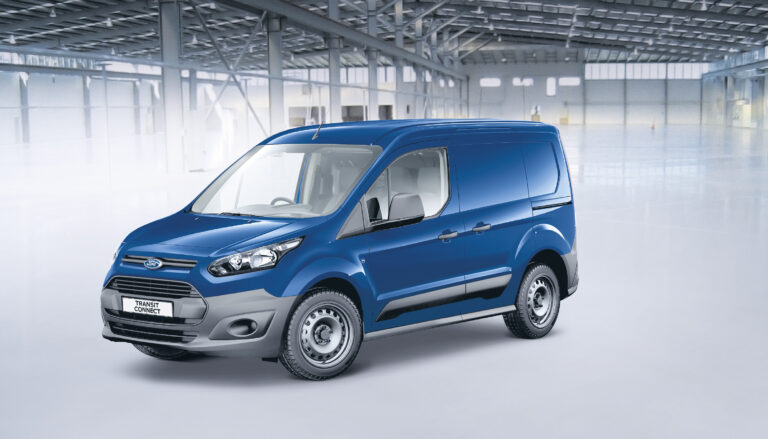
Ford Transit Connect: compact van with electrical failures
The Transit Connect is smaller than the Transit, but shares much of its technology. Specific problems occur with intensive city use.
Starting problems and battery issues
Batteries discharge faster with many short journeys. Alternators do not charge sufficiently under constant city use. Starter motors fail due to intensive use.
Replace the battery in good time and have the charging voltage checked during services. Use a trickle charger if the van regularly stands still for a long time.
Central locking and key problems
Central locking fails regularly. Doors do not lock or open spontaneously while driving. Keys are not recognised and the immobiliser engages.
This is often due to weak batteries, faulty keys or failures in the control module. Have this checked, as a faulty central locking system increases the risk of theft.
Wear on brakes and suspension
City use with lots of braking and bumps accelerates wear on brakes and suspension. Brake discs and pads wear faster than with motorway use.
Schedule brake maintenance more frequently and check the suspension at every MOT. Replace worn parts in good time to remain safe on the road.
Read more: Ford Transit Connect
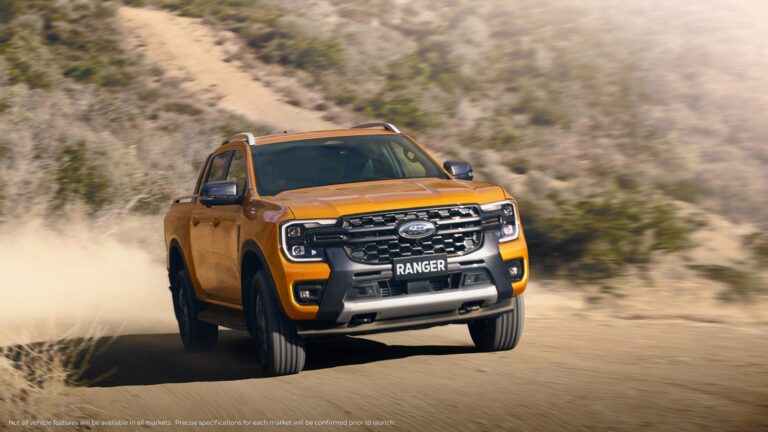
Ford Ranger: pick-up with heavy-duty use
The Ranger is popular for business use and leisure. Heavy loads and off-road driving bring specific wear points.
4×4 drivetrain problems under heavy use
Rangers with four-wheel drive suffer from differential and driveshaft problems under heavy towing or off-road work. Couplings between front and rear axle wear faster under intensive use.
Common symptoms:
- Unusual noises from front or rear axle
- Vibrations under acceleration in 4WD mode
- Warning messages for four-wheel drive
- Poorly functioning off-road programme
Change differential oil according to factory specifications and check driveshafts for play. Use 4WD only when necessary and switch to 2WD on paved roads.
Turbo diesel issues
Ranger models with turbo diesels show injector problems, especially in older examples. Particulate filters clog up with many short journeys or low load.
EGR valves become clogged and turbochargers fail due to contamination or oil problems. This leads to loss of power, increased consumption and black exhaust fumes.
Preventive maintenance with regular oil changes and fuel filter replacement reduces the risk. Drive longer distances regularly to allow particulate filter regeneration (automatic burning clean of the filter) to take place.
Bodywork and chassis under rough conditions
Off-road use and building sites cause faster wear on bodywork and chassis. Stone chipping, mud and moisture accelerate rust formation. The load bed and chassis take hits that can cause structural damage.
Check regularly for:
- Rust formation on chassis and suspension
- Damage to load bed and sides
- Condition of skid plates under the car
- Condition of springs and dampers
Apply extra protection to the chassis and repair damage immediately. Wash the underside regularly, especially after off-road use or exposure to road salt.
Read more: Ford Ranger
Ford B-Max: sliding doors and body electronics
The B-Max stands out for its lack of B-pillars and unique sliding doors. This brings specific problems.
Failures in sliding doors and locking
The sliding doors without B-pillar regularly cause failures. Electric operation fails, doors do not close properly or open while driving. This is due to faulty sensors, wear on rails or software problems.
Mechanical parts wear faster because of the complex system. Cables and electric motors fail over time. Repair is expensive due to the unique construction.
Electronic teething problems in the interior
Infotainment freezes and connectivity works poorly. Dashboard warnings appear without any clear cause. Heating and ventilation show error messages.
Software updates solve some problems, but new software errors appear. Report failures to the dealer and check whether your car is subject to a recall.
Engine and transmission problems
B-Max models share engines and transmissions with the Fiesta and Focus. Powershift automatics show the same juddering and slipping complaints. Small turbo engines suffer from misfiring and loss of power.
When buying, check the transmission type thoroughly and ask about the service history. Avoid examples with a Powershift automatic if you cannot face high repair costs.
Read more: Ford B-Max
‘ This covers manufacturing faults and material defects, but not normal wear and tear or damage caused by misuse. ’
How to deal smartly with Ford recalls and warranties
Regularly check whether your Ford is subject to a recall. You can do this via the VIN checker on the website of Ford Nederland or RDW. Interim notifications will start mid-February for new recalls.
Your rights under the manufacturer’s warranty
Ford offers a standard three-year warranty with unlimited mileage. This covers manufacturing faults and material defects, but not normal wear and tear or damage caused by misuse.
In case of problems within the warranty period:
- Report complaints directly to a Ford dealer
- Have repairs carried out only by authorised workshops
- Keep all maintenance documentation
- Ask for written confirmation of work carried out
Goodwill schemes after the warranty period
Ford sometimes offers goodwill in the case of known problems outside the warranty period. This applies in particular to safety issues and large-scale defects.
Arguments that help with goodwill requests:
- Known problem among multiple owners
- Car has been serviced according to schedule
- Problem arose shortly after warranty expiry
- Safety risk or reputational damage
Present your case calmly and ask for a written response. Escalate via Ford Nederland if the dealer does not cooperate.
Software updates and dealer visits
OTA updates are offered automatically in newer models. Older cars require a dealer visit for software updates.
Schedule updates during regular maintenance to avoid extra visits. Always ask which problems an update solves and whether any new issues are known after installation.
Tips for (future) Ford drivers: purchase, maintenance and value retention
Handling purchase and maintenance smartly prevents expensive problems and preserves the value of your Ford.
What to look out for during a test drive and purchase
Always check these points when buying a used Ford:
- Transmission behaviour: juddering, slipping or vibrations
- Electronic systems: infotainment, lighting, sensors
- Engine performance: misfiring, loss of power, smoke
- Bodywork: rust spots, damage, alignment
- Service documentation: complete and according to schedule
If in doubt, ask for a professional inspection. This costs a few tens of euros, but prevents you from buying a problem car.
Maintenance strategy by type of use
Private use with low mileage: follow the factory schedule and pay extra attention to rust prevention. Diesels require longer journeys for regeneration.
Business use with high mileage: schedule maintenance more frequently than the factory recommendation. Check brakes, suspension and transmission extra carefully during inspections.
Sporty driving: use the right oil quality and change it more often. Turbos and clutches wear faster at high revs.
Caravan use: check cooling, transmission and suspension more frequently. Increased load accelerates wear on these components.
How to recognise problems early
Watch out for these warning signs:
- New noises while driving
- Changed shifting behaviour
- Warning lights that stay on
- Reduced performance or increased consumption
- Moisture or leaks under the car
Report symptoms to the dealer immediately and do not keep driving with serious failures. Early diagnosis often prevents greater damage and higher costs.
Retaining the value of your Ford
Preserve the value by:
- Complete servicing according to schedule at an authorised workshop
- Having all repairs documented
- Treating minor damage immediately
- Applying rust prevention
- Keeping the car clean and tidy
Avoid models with known reliability issues if you want to sell quickly. Focus and Fiesta with Powershift and EcoSport lose value faster due to their negative reputation.
Take into account depreciation on electric models. F-150 Lightning and Mustang Mach-E lose value faster due to battery degradation and software uncertainties.
—
Do you want to stay up to date with the latest car news, maintenance tips and experiences from other Ford drivers?
At Carnews you will find daily up-to-date information and practical advice for car enthusiasts. Whether you already drive a Ford or are considering buying one: with the right knowledge you will enjoy carefree driving pleasure for longer and preserve the value of your car.