

Ford C-Max: a compact MPV with familiar technical teething problems
The Ford C-Max is a compact MPV that was a solid choice for families looking for space and practicality between 2003 and 2019. The Ford C-Max combines five doors with a flexible interior and, in later versions, even a hybrid powertrain with significantly lower fuel consumption and reduced CO₂ emissions. However, if you are considering buying one, you need to take a number of technical issues into account. This car has some specific teething problems, particularly affecting the engine, transmission and electronics, which you simply cannot ignore as an owner or buyer. If you want to make a well-informed decision, it is important to know exactly what you need to look out for.
Why you need to know the most common problems
It is no secret that every car has its weak spots, and in the C-Max these regularly crop up in owner reports and technical reviews. Knowing about these problems helps you in two ways. Firstly, as an owner you can recognise early warning signs and prevent a minor issue turning into an expensive repair. Secondly, as a potential buyer you can use the inspection to specifically check for the known weak points, which reduces the risk of unpleasant surprises. Especially with a used C-Max, it is sensible to know in advance which components need extra attention. If you would like more background information on Ford car problems, you will find a broad overview there of other models and their technical challenges.
‘ Each of these powertrains has its own vulnerabilities. ’
Engine problems that regularly crop up
The C-Max was offered with various petrol engines, including the popular 1.0 and 1.6 EcoBoost, and diesel engines such as the 1.6 and 2.0 TDCi. Each of these powertrains has its own vulnerabilities. With the 1.0 EcoBoost, the timing belt can wear prematurely or even snap, with all the consequences that has for valves and pistons. This problem occurs mainly in examples built before 2015, and Ford later introduced improved belts. The 1.6 EcoBoost also suffers from complaints of coolant leaks and overheating, often caused by a faulty cooler or thermostat.
Among the diesel variants, the 1.6 TDCi is known for problems with the turbocharger and the EGR valve (exhaust gas recirculation valve). Over time the turbo can seize or develop excessive play, leading to loss of power and smoke. The EGR valve becomes contaminated by soot deposits, especially with short trips and urban use. This results in rough idling and increased fuel consumption. The 2.0 TDCi is not immune either: owners report occasional problems with injectors and fuel pump, which can involve substantial repair costs if they fail.


Transmission problems: the notorious Powershift automatic
The Powershift dual-clutch automatic (a dual-clutch gearbox used by Ford) is without doubt one of the weakest links in the C-Max’s technical package. This six-speed automatic, which Ford used in various models between 2010 and 2016, is associated with a wide range of complaints. Gear changes are often jerky or delayed, especially at low speeds or during cold starts. The underlying problem lies with the clutch plates and control electronics, which are prone to overheating and wear.
Ford has released several software updates to improve the behaviour of the Powershift, but many owners continue to experience irregular shifting and sometimes even a sudden loss of drive. In more serious cases, overhaul or replacement of the clutch set is required, which can quickly run into several thousand euros. Manual versions are considerably more reliable, but even there the clutch can wear relatively quickly, especially on examples with high mileage or intensive city use.
Electronic faults and troublesome sensors
Modern cars are packed with electronics, and the C-Max is no exception. Owners regularly report problems with various sensors, such as parking and rain sensors, which trigger error messages for no apparent reason or stop working altogether. The infotainment system can also behave erratically: touchscreens that do not respond, Bluetooth connections that drop out unexpectedly or sat nav systems that freeze.
Another common electrical issue concerns the ABS and ESP sensors (sensors for brake and stability control systems) on the wheels. Due to dirt, moisture or corrosion, these sensors can send incorrect signals. This leads to warning lights on the dashboard and in some cases even to the stability control system being disabled. The engine management warning light also illuminates regularly on many C-Max models, often due to defective lambda sensors or a failing mass air flow sensor. Always have these faults read and diagnosed by a professional, as ignoring them can lead to further damage or safety issues.
‘ Preventive maintenance on the suspension can prevent a lot of hassle and higher repair costs. ’
Chassis and suspension: wear on control arms and bushes
The C-Max’s chassis is generally solidly built, but after a few years and tens of thousands of kilometres the wear starts to show. Common complaints involve the control arm bushes and anti-roll bar links, which can cause knocking or clunking noises while driving, especially when going over speed bumps or taking tight corners. These noises indicate worn bushes or play in suspension components.
The shock absorbers and springs can also age faster than you might expect, resulting in reduced ride comfort and less composed handling. On hybrid versions the battery adds extra weight, which puts more strain on the suspension. During an inspection or test drive, carefully check whether the car remains stable over bumps and whether any unusual noises occur. Preventive maintenance on the suspension can prevent a lot of hassle and higher repair costs.
Bodywork and interior: small annoyances that add up
The bodywork of the C-Max is reasonably well protected against rust, but examples from the first generation and early second generation can show corrosion around the wheel arches, bottoms of the doors and tailgate. Cars that are regularly exposed to road salt are particularly susceptible to this problem. Water ingress is another point to watch: owners sometimes report water entering via the door or tailgate seals, which can lead to damp footwells and a musty smell in the interior.
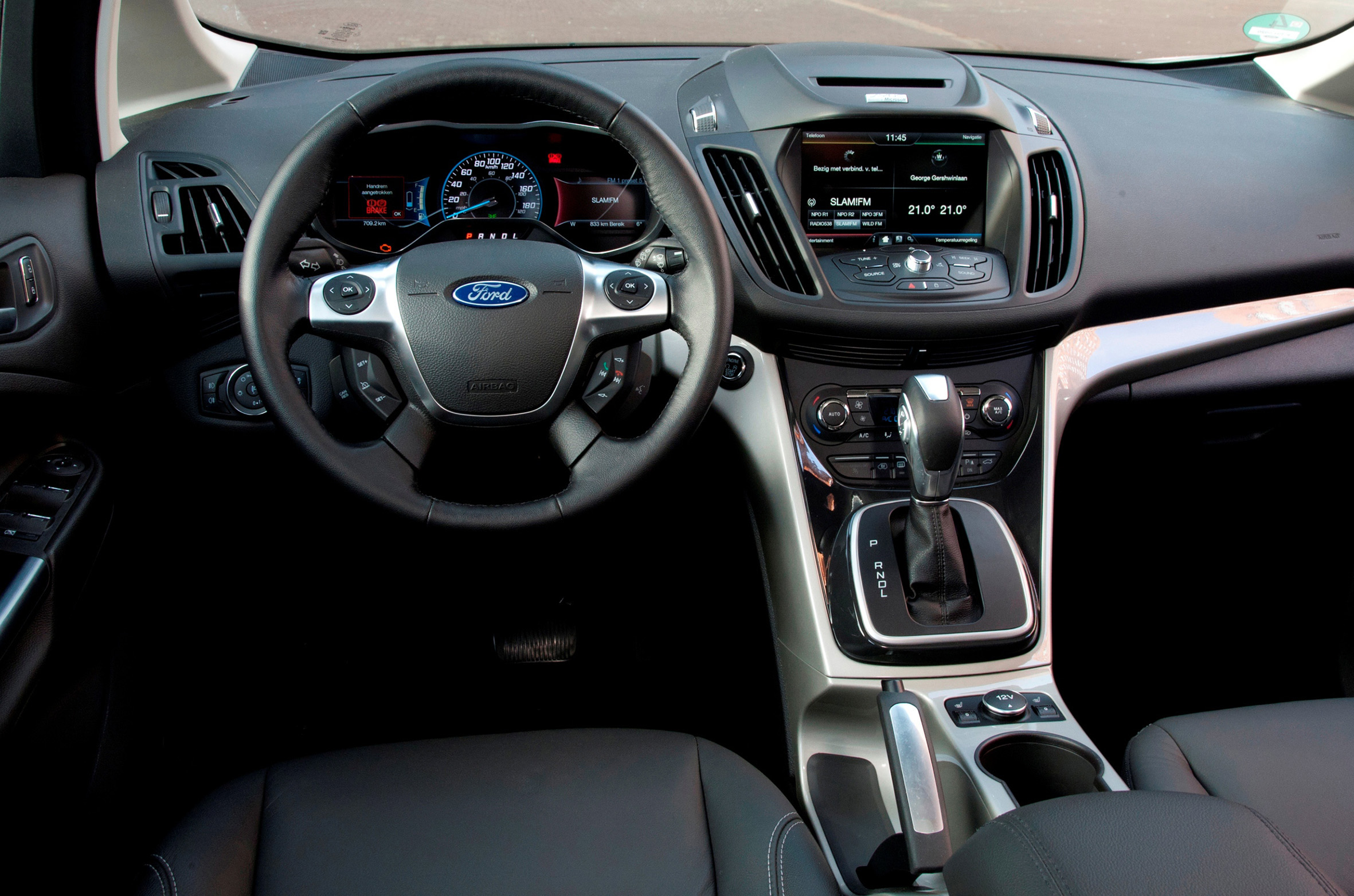
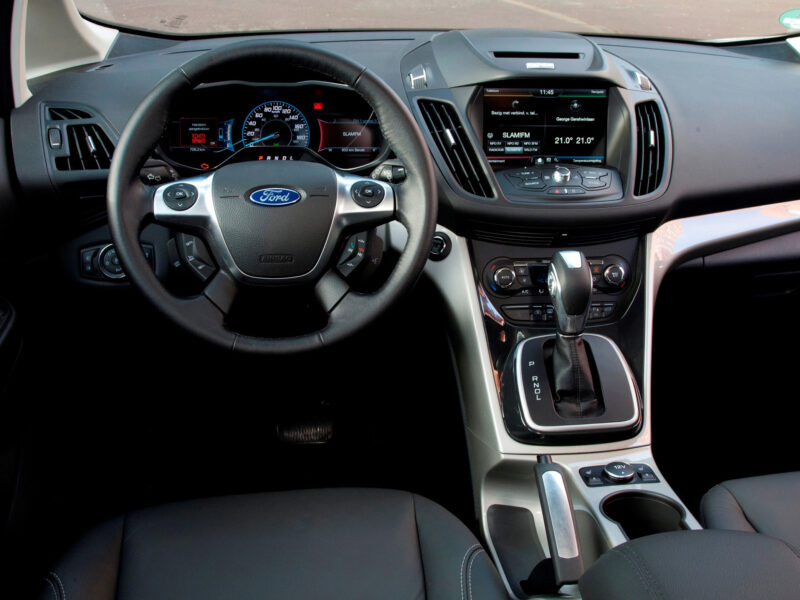
Inside the car you will notice that interior trim wears faster than in comparable models. Think of worn seat upholstery, scratches on the dashboard and loose buttons or levers. The quality of the plastics used is not always ideal, resulting in rattling panels and crumbling clips. Fortunately, these are mostly cosmetic issues that you can spot during a viewing, but they do give a good indication of how carefully the previous owner has treated the car.
Recognising symptoms and practical solutions
Early recognition of problems saves you a lot of money and stress. Pay attention, for example, to unusual noises from the engine: a ticking noise may indicate problems with the timing chain or valves, while a whistling or hissing sound can point to a leaking turbo or vacuum hose. With transmission problems you will often notice jerks during gear changes, delayed response to throttle input or even a burning smell after prolonged driving.
Electronic faults usually announce themselves via warning lights on the dashboard. Do not ignore these signals; have the fault codes read and analysed. A simple sensor repair or software update is often enough, but sometimes the codes point to more serious issues. For suspension problems, listen out for knocking noises, check for an off-centre steering wheel or uneven tyre wear. Have the suspension checked regularly, especially if you frequently drive on poor road surfaces.
For many of these problems, preventive maintenance is the best solution. Stick to the recommended service intervals, use quality oil and filters, and if in doubt always have a specialist inspect the car. For the Powershift automatic, changing the transmission fluid regularly helps, even if this is not always specified in the service schedule. For the EGR valve and turbo, it is wise to take a longer drive at higher speed now and then so the engine reaches full operating temperature and soot deposits are burned off.
‘ Those costs do not compare to the financial problems a poorly maintained example can cause. ’
What to look out for when buying a used C-Max
If you are considering buying a used Ford C-Max, start with a thorough check of the service book. Verify that all services have been carried out according to schedule and look for documentation of any repairs to the engine, transmission or electronics. For examples with the Powershift automatic, it is sensible to pay extra attention to the shifting behaviour during the test drive: look out for jerks, delays or strange noises.
Check under the bonnet for signs of oil leaks, coolant leaks or other fluid losses. Start the engine from cold and listen carefully for unusual noises during start-up and warm-up. Test all electronic functions, from the infotainment system to the parking and rain sensors, to make sure everything works as it should. Take a test drive on both quiet roads and motorways, and pay attention to the handling, suspension and any vibrations or unusual noises.
Inspect the bodywork for rust, particularly around the wheel arches and the bottoms of the doors. Open and close all doors and the tailgate several times to check that the hinges and catches operate smoothly. If in doubt, take the car to an independent garage for a full inspection. Those costs do not compare to the financial problems a poorly maintained example can cause.


The C-Max as a considered choice: weighing things up for potential owners
The Ford C-Max undeniably offers practical advantages: space for five people, a flexible interior and, in hybrid form, acceptable fuel consumption. Even so, you cannot ignore the well-known technical weaknesses. The Powershift automatic remains a risk factor, the EcoBoost engines need extra attention in terms of maintenance and the electronics regularly fall short. If you deliberately choose a manual example with a reliable engine and are willing to keep on top of maintenance, the C-Max can still be a reasonable choice.
Bear in mind that repair costs can mount up, especially when it comes to transmission and engine problems. A solid service history and a careful pre-purchase inspection are therefore essential. The C-Max is not a car you can buy blindly and then drive for years without worries. With realistic expectations and the right precautions, however, you can certainly enjoy this compact family car for many years.