
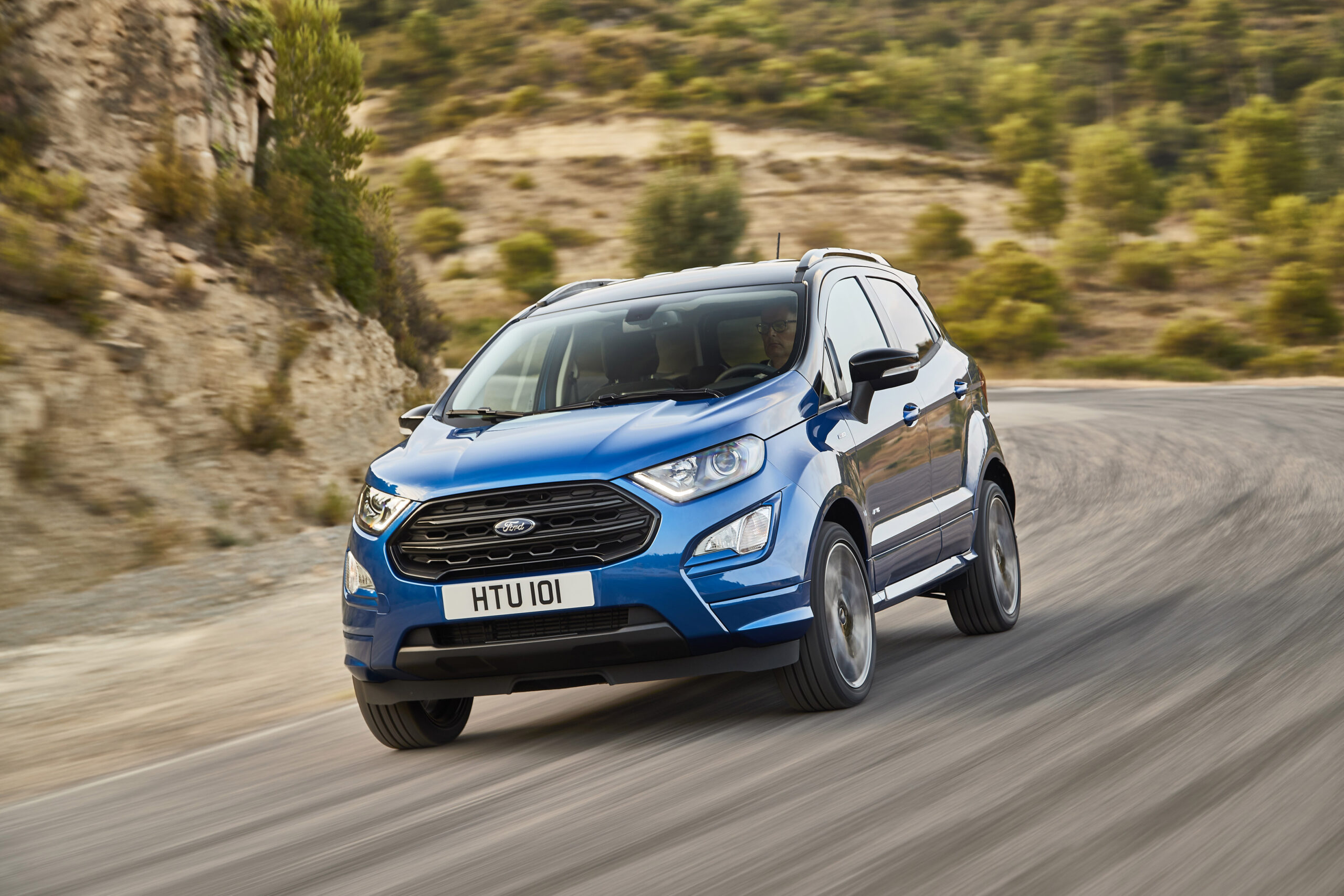
Ford EcoSport: common problems and what to look out for
The Ford EcoSport is a compact SUV that was popular for many years with city drivers and families looking for an affordable, agile car. The model struggles with a series of recurring problems that you should be aware of as an owner or potential buyer. From engine issues to transmission problems and electrical faults: the EcoSport has several weak spots that regularly lead to expensive repairs. Despite these well-known teething troubles, is this compact Ford still a sensible choice?
A compact SUV with a mixed reputation
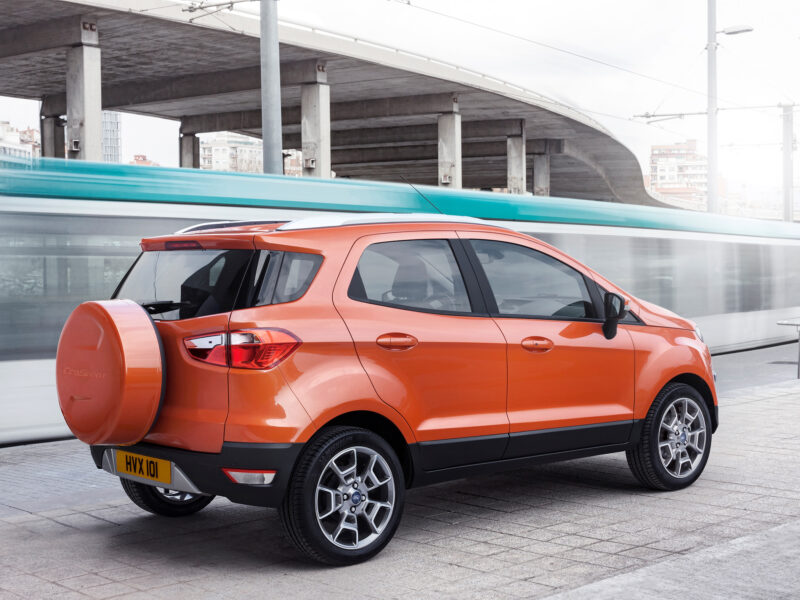
Ford introduced the EcoSport to the European market in 2012 as a response to the growing demand for compact SUVs. At just over four metres in length, the model combined the style of a higher-riding car with the manoeuvrability of a city car. The EcoSport was available with various engines, including a 1.0 EcoBoost three-cylinder and a 1.5 TDCi diesel. Production for Europe stopped in 2022, but tens of thousands of examples are still driving on Dutch roads.
The model was aimed mainly at buyers on a limited budget who still wanted the look of an SUV. The entry price was significantly lower than that of competitors such as the Nissan Juke or Renault Captur. The practical layout and compact dimensions made the EcoSport suitable for parking in the city. If you are interested in this model, it is wise to study car problems with Ford carefully before you proceed with a purchase.
‘ From 2017 the EcoSport received a facelift with a redesigned front and improved materials, but that did not solve the underlying technical problems. ’
Popularity driven by price and positioning
The appeal of the EcoSport lay mainly in the combination of an affordable purchase price and a raised seating position. For many buyers it was their first introduction to the SUV segment. The generous boot space and easy-to-judge dimensions appealed to families who mainly drive in urban areas. Ford positioned the model as adventurous and versatile. The technical basis was simple.
Sales figures in the Netherlands lagged behind expectations. Competitors offered more modern technology and a higher level of finish. From 2017 the EcoSport received a facelift with a redesigned front and improved materials, but that did not solve the underlying technical problems. Many owners report that they are satisfied with its use in the city, but that reliability is disappointing at higher mileages.
Reliability lags behind average
The Ford EcoSport consistently scores below the class average in international reliability surveys. Organisations such as J.D. Power and What Car? record an above-average number of complaints about various components. The problems are mainly concentrated in models from the 2012–2017 period. Later production years show slight improvements. Fundamental weaknesses remain.
Owners report that the first faults occur particularly after 60,000 kilometres. The frequency of unexpected problems is higher than with direct competitors. This translates into higher maintenance costs and faster depreciation. For used buyers this means extra attention during the pre-purchase inspection and to the maintenance history.
Engine problems that occur regularly
The 1.0 EcoBoost three-cylinder is prone to coolant leakage. The cause lies in a weakly designed cylinder head. With this problem, coolant seeps into the combustion system. This leads to overheating and, in serious cases, engine damage. Symptoms include a sweet smell from the exhaust, white exhaust smoke and a drop in coolant level without visible external leaks.
Ford has carried out a recall for certain production years, but not all affected vehicles have been modified. Check whether this repair has been carried out on your model. Replacing the cylinder head costs several thousand euros if the repair falls outside the warranty period. If in doubt, have a pressure test carried out to detect internal leakage at an early stage.
The 1.5 TDCi diesel engine suffers from problems with the particulate filter and the EGR valve (exhaust gas recirculation valve). Frequent short urban journeys cause the particulate filter to become clogged. This results in vibrations, loss of power and dashboard warnings. The EGR valve becomes contaminated by carbon deposits. This leads to an irregular idle speed and increased fuel consumption.
Regular longer trips on motorways help burn off deposits in the particulate filter. Preventive maintenance on the EGR valve reduces the risk of costly repairs. Replacing a clogged particulate filter costs between 800 and 1,200 euros, depending on the version.
‘ Ford has released software updates that improve shift behaviour, but these do not solve the underlying mechanical vulnerability. ’
Transmission problems concentrated around PowerShift
The six-speed PowerShift automatic is a well-known Achilles’ heel of several Ford models, including the EcoSport. This transmission uses two dry clutches that are subject to accelerated wear. Symptoms include jerky gear changes, refusal to engage a particular gear and slipping during acceleration.
The problem occurs mainly in vehicles that regularly drive in traffic jams or dense traffic. The heat generated by frequent clutch movements accelerates wear. Ford has released software updates that improve shift behaviour, but these do not solve the underlying mechanical vulnerability.
Replacing the dual clutch costs between 1,500 and 2,500 euros. Some owners opt for a complete transmission replacement, which can rise to 4,000 euros or more. Anyone considering a used EcoSport with PowerShift should pay particular attention to shift behaviour during the test drive and request documentation of any transmission updates carried out.
The five- and six-speed manual gearboxes are more reliable, although there are still regular complaints about clutch adjustment. A slow or heavy gear change response can indicate wear. The cause is often the clutch cable or pressure plate. These are relatively affordable repairs compared with the automatic.

Electrical faults and software errors frequently reported
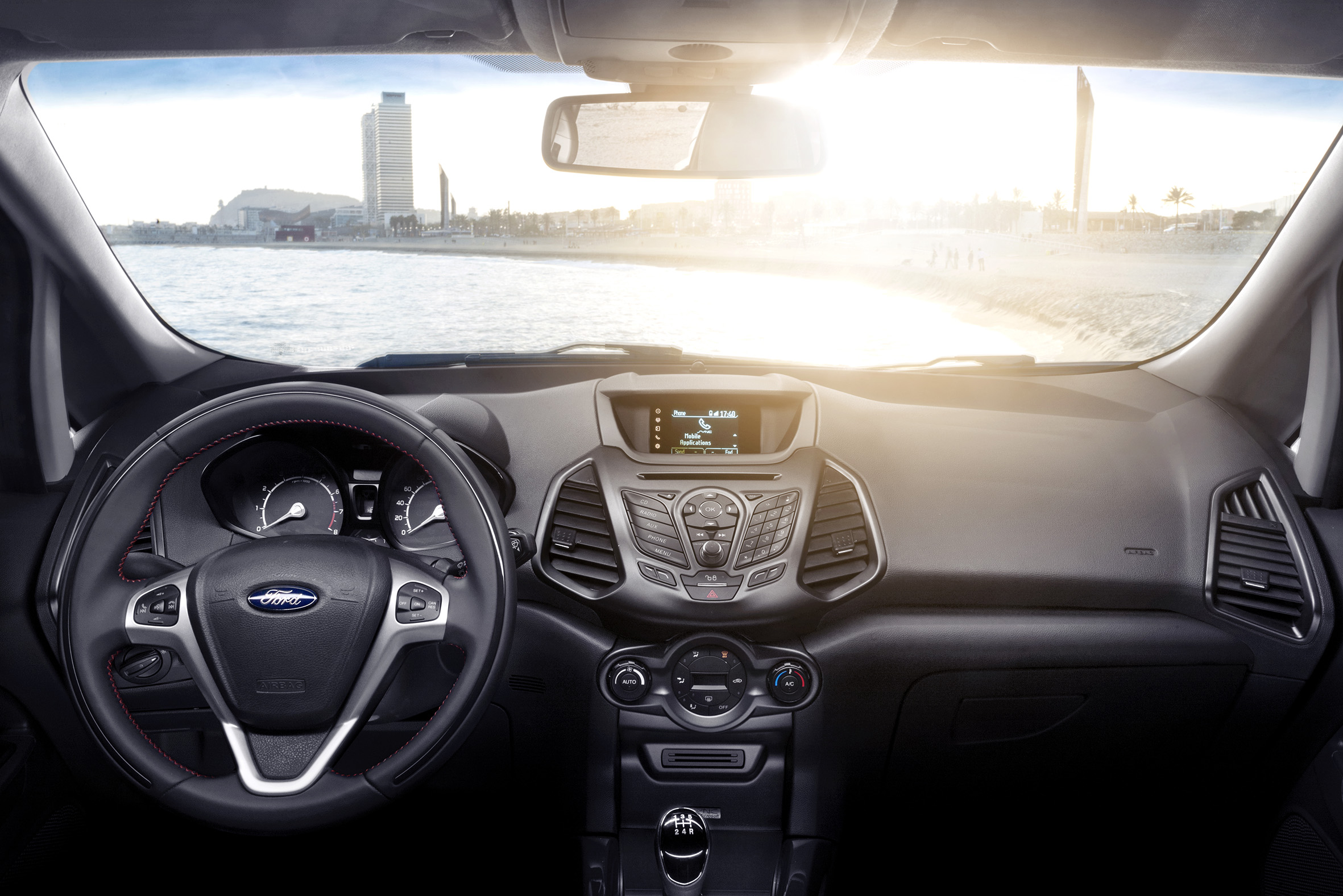
The EcoSport’s electrical system is prone to various faults. Owners regularly report problems with the SYNC infotainment system freezing, randomly restarting or no longer responding at all. Bluetooth connections drop out for no apparent reason and software updates often only provide a temporary solution.
Sensors for parking assistance and tyre pressure often give false warnings. The cause usually lies in defective sensors or corrosion at contact points. Replacing individual parking sensors costs between 80 and 150 euros each. When buying, check that all driver assistance systems are working properly, as minor faults can be a sign of wider electrical problems.
The EcoSport’s battery has a limited service life, especially in vehicles that mainly make short trips. A weak battery leads to starting problems. In addition, a weak battery causes faults in various electronic systems. Symptoms include a sluggish starter, flickering dashboard lights and error messages about electrical systems. Proactively replace the battery after four to five years to avoid unexpected breakdowns.
Wiring problems due to design choices
In the boot, wiring runs along sharp edges. In addition, wiring passes through areas where luggage in the boot can rub against it. This leads to damaged cables that cause short circuits or failure of the rear lights. Regularly check the condition of cable looms in the boot and protect them with insulating tape or cable conduits where necessary.
Suspension and running gear cause noises
Many owners report rattling or knocking noises from the front suspension. This occurs mainly over bumps and at low speeds. The cause is often worn anti-roll bar bushes or dried-out ball joints in control arms. This wear can already occur at relatively low mileages between 40,000 and 70,000 kilometres.
Replacing anti-roll bar bushes is an affordable repair at between 100 and 200 euros. Replacing complete control arms can run to 400–600 euros per side including labour. Do not ignore these noises. Worn suspension components affect handling and cause uneven tyre wear.
The steering system on some examples shows play or heavy operation. This may be due to a defective power steering pump or air in the hydraulic system. Pay close attention if the steering suddenly becomes heavy or if you hear clicking noises while turning the steering wheel. Have the steering system checked in that case.
‘ Plastics feel cheap and show signs of wear quickly. ’
Other recurring points of attention
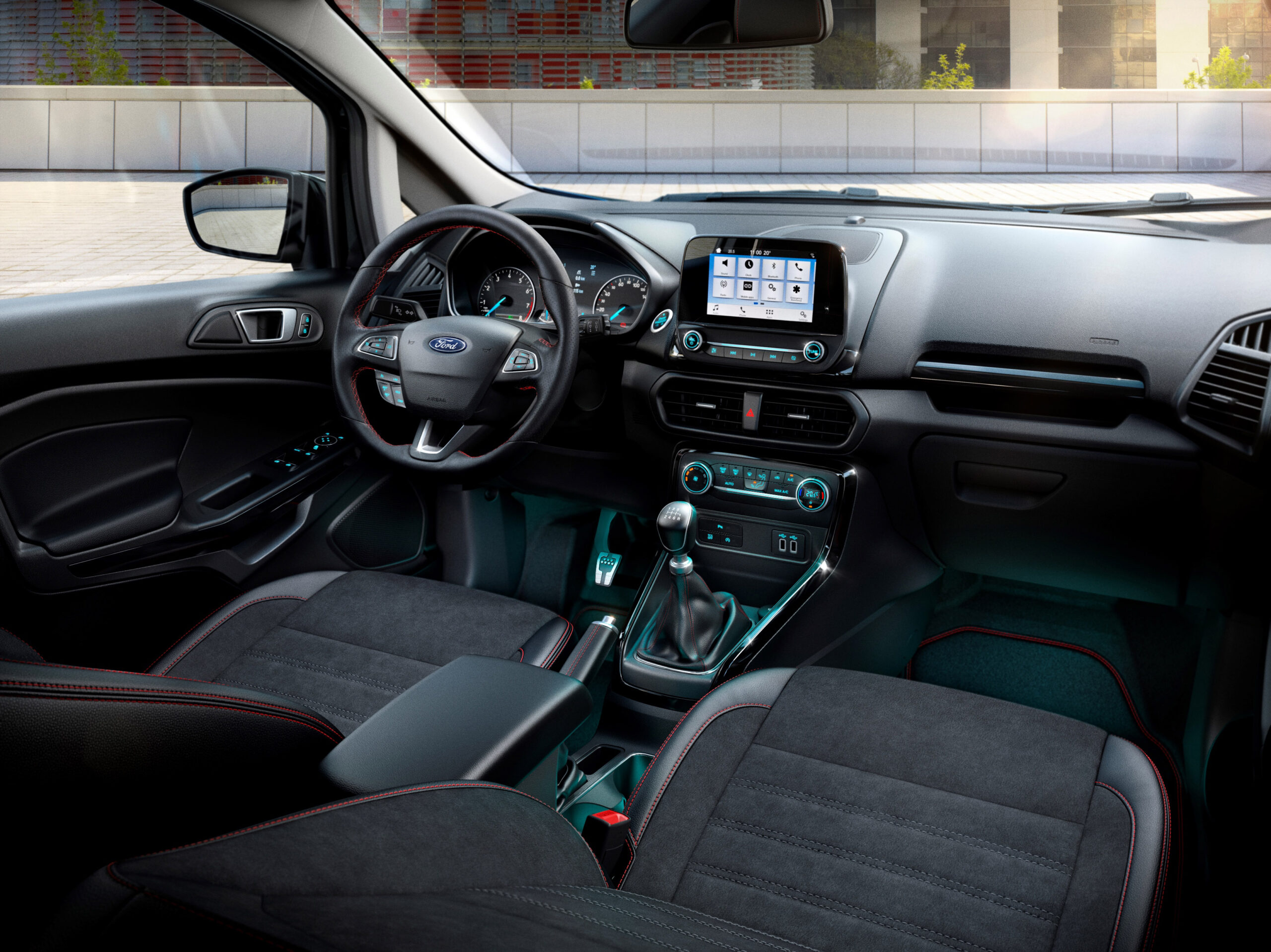
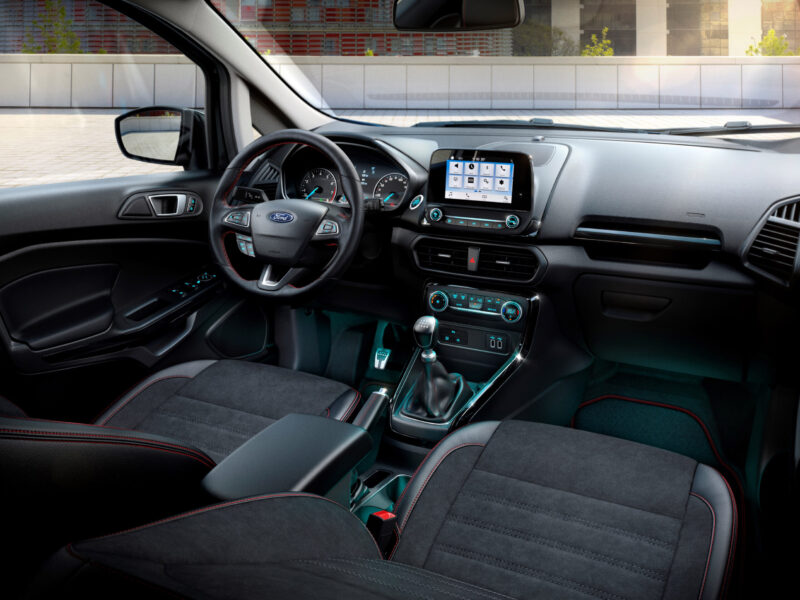
The interior quality of the EcoSport lags behind that of its competitors. Plastics feel cheap and show signs of wear quickly. Dashboard components can start to rattle. The cause lies in clips that have come loose. The seat upholstery is prone to premature wear, especially on the driver’s seat where the seat base becomes shiny after a few years.
The paint on the bonnet and tailgate is thinner than average, so stone chips quickly lead to rust formation. Pay particular attention to the edges of the bonnet for early corrosion. Also check around the rear window frame. Treat small paint damage immediately with touch-up paint to prevent the metal from rusting through.
The EcoSport’s brakes are not particularly problematic, but owners do report faster wear of the rear brake pads than expected. Regularly checking pad thickness prevents damage to the brake discs. Replacing a complete rear brake set costs between 250 and 400 euros.

Diagnostics and repair: where to start?
If you suspect problems, start with a thorough read-out of fault codes. For this you use an OBD diagnostic tool (a reader for on-board computer fault codes). Many problems generate codes that help point the way in diagnosis. Have this carried out at a professional workshop with Ford expertise. This workshop should have access to manufacturer-specific diagnostic systems.
Distinguish between sporadic and structural faults. Sporadic faults are one-off software errors that may not recur. Structural faults are recurring problems such as engine issues that require immediate action. Record all symptoms with the time and circumstances. Also note how often they occur. This information helps the mechanic to make an efficient diagnosis.
If in doubt, consider a second opinion from an independent specialist. Dealer prices are often higher than those of independent garages, while the quality of repairs can be comparable. Always ask for a detailed quotation with a breakdown of parts and labour hours before you approve the repair.
Maintenance and prevention reduce the risk
Follow the prescribed maintenance schedule strictly, but consider shorter intervals if the car is used intensively in the city. Replace engine oil and filters on turbo engines slightly more often than prescribed to limit carbon build-up. Always use the specifications for engine oil that Ford prescribes. Also pay attention to the prescribed specifications for coolant.
Make regular longer trips to fully regenerate the particulate filter and evaporate condensation from the exhaust system. Short urban journeys accelerate various wear problems and increase the risk of engine issues. Plan at least one longer trip every month. Drive for an hour at motorway speed.
Regularly check fluid levels, tyre pressures and the operation of the lights yourself. Early detection of small problems prevents major repairs. Pay particular attention to the coolant level on EcoBoost engines, as a falling level can indicate internal leakage. Note the reading at each check to spot trends.
‘ Ford applies these quietly for known structural defects. ’
Recalls and warranty claims
Ford has carried out several recalls for the EcoSport. The most important concern the cylinder head of the 1.0 EcoBoost and the PowerShift transmission. In addition, various software updates have been carried out for the SYNC system (Ford’s infotainment system). Check via the Ford website whether your vehicle’s chassis number is affected by any outstanding recalls. Dealers must carry these out free of charge.
The factory warranty on new models was three years or 100,000 kilometres. For used examples outside this period there is often no warranty, unless you take out a used car warranty at the time of purchase. Some problems fall under extended warranty schemes. Ford applies these quietly for known structural defects.
Carefully document all contact with the dealer regarding warranty claims. Are you unsure about a rejected claim? Then contact the Motor Vehicles Disputes Committee (Geschillencommissie Verkoop Auto’s). Keep all repair invoices and correspondence as evidence.
Buying or selling: pay attention to these points
If you are considering a used EcoSport, you should look closely at the maintenance history. Check whether all recalls have been carried out and whether there is documentation of major repairs such as to the transmission or engine. Models from 2017 or later generally have fewer problems than the first production years.
During the test drive, test all electronic functions, shift through all gears and listen for unusual noises from the engine and suspension. Drive over bumpy roads to detect suspension problems. Check that the air conditioning and heating work properly in all modes.
Before buying, have an independent pre-purchase inspection carried out that focuses on the known problem areas. An inspection costs between 150 and 250 euros. This investment can uncover thousands of euros’ worth of hidden defects. Use the findings from the inspection to negotiate the price or insist that the seller resolves problems first.
As a seller, you can improve the car’s saleability by having all maintenance invoices available and fixing minor defects in advance. Being transparent about known problems prevents disputes afterwards and speeds up the sale. Explicitly mention any recalls carried out in the advertisement.
The EcoSport weighed up
The Ford EcoSport offers an affordable way into the compact SUV segment, but the long list of known problems makes it a risky choice. The structural weaknesses in engine, transmission and electronics lead to above-average maintenance costs and rapid depreciation. For those who mainly make short city journeys, alternatives such as the Hyundai Kona or Mazda CX-3 are more reliable.
Potential buyers who nevertheless choose an EcoSport should set aside a budget for unexpected repairs and pay close attention to the maintenance history. Preferably choose an example with a manual gearbox from model years after 2017. Thorough preventive maintenance and early detection of symptoms limit the risk of major problems. These measures do not, however, eliminate the fundamental design weaknesses.