
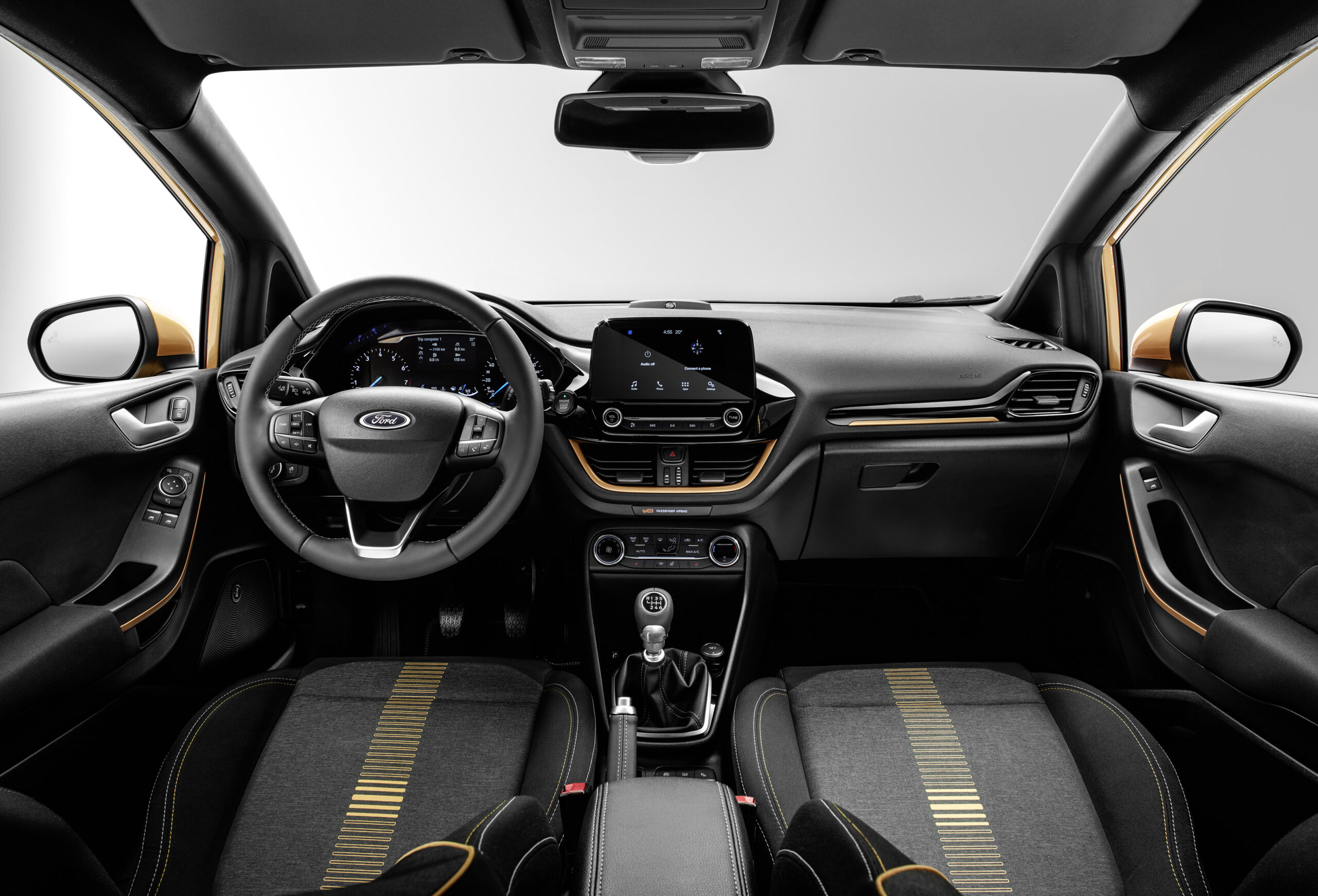
The Ford Fiesta with the 1.0 EcoBoost engine regularly suffers from coolant leaks that lead to engine overheating and serious damage. This problem occurs mainly in models from 2013 onwards and is caused by weak components in the cooling system. Owners report repeated leaks, sometimes even shortly after dealer repairs, with costly consequences. What can you do to prevent this? How do you recognise the warning signs in time?
Where do the leaks come from?
The cooling system of the 1.0 EcoBoost contains several vulnerable points. Hairline cracks in the cylinder head or the coolant reservoir cause the coolant level to drop rapidly. This leads to overheating and can quickly result in melted pistons or seized bearings. In severe cases the coolant mixes with the engine oil, which compromises lubrication.
Hoses and return hoses are another risk. These can work loose after a repair or crack due to inferior material quality. Ford has even carried out an official recall for the coolant return hose on 1.0 EcoBoost engines. The problem is that the dashboard often only shows a warning once the damage has already been done.
Defective O-rings and seals also cause leaks. These are often located at small hoses near the engine, hidden behind the timing belt. To replace them, the engine has to be partially dismantled. This makes the repair time-consuming and expensive.
‘ By that time the engine may already be damaged. ’
Symptoms you must not ignore
Recognising early warning signs can prevent severe engine damage. Watch out for the following warnings:
- The coolant level drops quickly, even shortly after topping up
- White or blue smoke comes from the exhaust, indicating coolant loss
- The engine loses power, vibrates at idle or during acceleration
- Oil consumption rises unexpectedly or coolant mixes with the oil
- The temperature gauge responds slowly or only shows a warning once the engine is already too hot
Some owners only notice these symptoms afterwards, for example after a longer journey. By that time the engine may already be damaged. That is why you should regularly check the coolant level, even if there is no warning on the dashboard.


Why does your Fiesta use so much coolant?
High coolant consumption indicates a leak in the system. This may be due to cracks in the reservoir, loose clamps at hose connections or defective seals. In some cases the coolant burns internally in the combustion chamber. This happens because of a damaged head gasket or hairline cracks in the cylinder head. You recognise this by white smoke from the exhaust.
Owners also report that a new reservoir can fail after just 1,000 kilometres due to a loose hose. This sometimes results in total engine failure, without the dealer offering any warranty. That is why it is important to be extra alert to new symptoms after every repair.
Defective water pump: signs and consequences
The water pump circulates coolant through the engine. If it fails, the coolant can no longer be pumped around properly. This quickly leads to overheating. Symptoms of a defective water pump are:
- A squeaking or grinding noise coming from the engine
- Visible leaks under the car, often at the front
- Rising engine temperature, even on short trips
- Damp or greasy residue around the water pump
On the EcoBoost, the water pump is often located behind the timing belt. Replacement then requires a major service. Some owners opt for preventive replacement of the pump during a timing belt change, at around 100,000 kilometres. That prevents an expensive emergency repair later on.
‘ Cooling is a recurring issue on Fiesta EcoBoost and ST models. ’
How to prevent EcoBoost overheating
Regular maintenance is the best protection against overheating. Check the coolant level weekly and top up using the correct specification. Always use original parts when replacing components, as cheap alternatives fail more quickly.
Inspect the hoses and reservoir for cracks, loose clamps or greasy residue at the connections. Replace these parts preventively at high mileages, for example above 100,000 kilometres. Have the cooling system checked during timing belt maintenance. Combine this with an oil and filter change and a clean of the intake channels to prevent further problems.
If you notice symptoms such as juddering, higher fuel consumption or smoke, do not carry on driving. Otherwise you risk secondary damage. Have the car checked again immediately, even if a repair has just been carried out. Cooling is a recurring issue on Fiesta EcoBoost and ST models.


Repair costs for a coolant leak
The cost of a repair depends on the cause and the extent of the damage. A simple hose replacement costs between 100 and 200 euros. A new coolant reservoir is around 150 euros including labour.
If the problem lies deeper, such as defective O-rings behind the timing belt or a failed water pump, the bill can rise to 600 to 800 euros. In the worst case, if there is engine damage due to overheating, costs are considerably higher. An engine overhaul quickly runs into several thousand euros.
When buying a used Ford Fiesta EcoBoost, pay close attention to the service history. Ask about completed recalls and recent cooling system repairs. During a test drive, check the car for overheating and see whether smoke comes from the exhaust. This can save you high repair costs later on.
What owners report about recurring problems
Many Fiesta EcoBoost owners experience recurring leaks, even after dealer repairs. A frequently mentioned example is a new reservoir that fails again after 1,000 kilometres due to a loose hose. This results in total engine failure, with no warranty provided by the dealer.
Others report white smoke and loss of power shortly after a repair to O-rings. Fuel consumption temporarily increases, indicating that the engine has to work harder to deliver the same performance. These kinds of signs are recognisable, but the problem is not always solved in one go.
Owners on online forums warn that the cooling system is a well-known weak point on EcoBoost engines. The recalls on hoses confirm this. Thorough diagnostics and timely intervention keep the engine reliable. Do not ignore the warning signs, otherwise you risk costly overhauls that you could have avoided with preventive maintenance.
‘ Do not wait for the dashboard to show a warning, because by then the damage may already have been done. ’
Stay alert and act quickly
The 1.0 EcoBoost can be a reliable engine if it is well maintained. But the cooling system remains a vulnerable point. Regularly check the coolant level, inspect hoses and the reservoir, and have the system checked during major services. If you notice symptoms such as a rapidly dropping coolant level, smoke or loss of power, take action immediately. Do not wait for the dashboard to show a warning, because by then the damage may already have been done.
On the Carnews website you will find much more information about common car problems, maintenance advice and buying tips for different makes and models. Discover more and stay up to date with everything related to your car.
Frequently asked questions
You mainly recognise a coolant leak or impending overheating by a rapidly dropping coolant level, especially if you have to top up again shortly after topping up. While driving, watch for white or bluish smoke from the exhaust, loss of power or engine vibration, as that can indicate coolant loss and early engine damage. Under the bonnet, look around the coolant reservoir and hoses for cracks, loose clamps or damp/greasy spots. Because the Fiesta EcoBoost often gives a warning late, checking the level weekly and going straight to a specialist in the event of unexplained loss is crucial.
Immediate risks include severe engine damage such as melted pistons, seized bearings and mixing of oil and coolant, which can lead to a total engine write-off. Stop driving immediately as soon as you notice a rapidly dropping coolant level, white/blue smoke from the exhaust, a clear loss of power or an overheating warning/temperature in the red. Switch the engine off as quickly and safely as possible and have the car towed to prevent further damage.
Common causes of coolant leaks on the Ford Fiesta EcoBoost include hairline cracks in the cylinder head or expansion tank, splitting or detaching (return) hoses, and defective O-rings or seals deep in the engine bay. Effective repairs involve replacing the cracked cylinder head or reservoir, fitting new, good-quality hoses (including parts from the official recall actions) and renewing O-rings/seals after thorough dismantling and pressure-testing of the cooling system. It is also important, after repair, to bleed the entire cooling system and check the coolant level frequently to detect new leaks in time. Regular visual inspection of hoses, clamps and connections helps prevent future problems.
Check the coolant level weekly and only top up with the specified coolant; if there is unexplained loss, consult a specialist immediately. Regularly inspect the expansion tank and all hoses for hairline cracks, greasy traces, white deposits and loose clamps, and replace any suspect parts preventively, especially above 100,000 km. During servicing, ask explicitly for the entire cooling system (including O-rings, return hoses and the timing belt side) to be checked and ask about completed recall actions at Ford. Stop driving immediately if you notice smoke from the exhaust, loss of power or a rapidly rising engine temperature in order to prevent serious engine damage.
The average costs of repairing coolant leaks and overheating issues on a Ford Fiesta EcoBoost range roughly from a few hundred euros (for replacement of hoses, O-rings or the reservoir) to several thousand euros if there is already engine damage (head overhaul or engine overhaul/replacement). Because of the complex routing of pipes and seals (including behind the timing belt), labour hours add up quickly. A DIY approach is only realistic for basic checks and replacing easily accessible hoses or topping up/checking coolant. For structural leaks or potential cylinder head damage, professional diagnosis and repair are strongly recommended to prevent severe engine damage.