
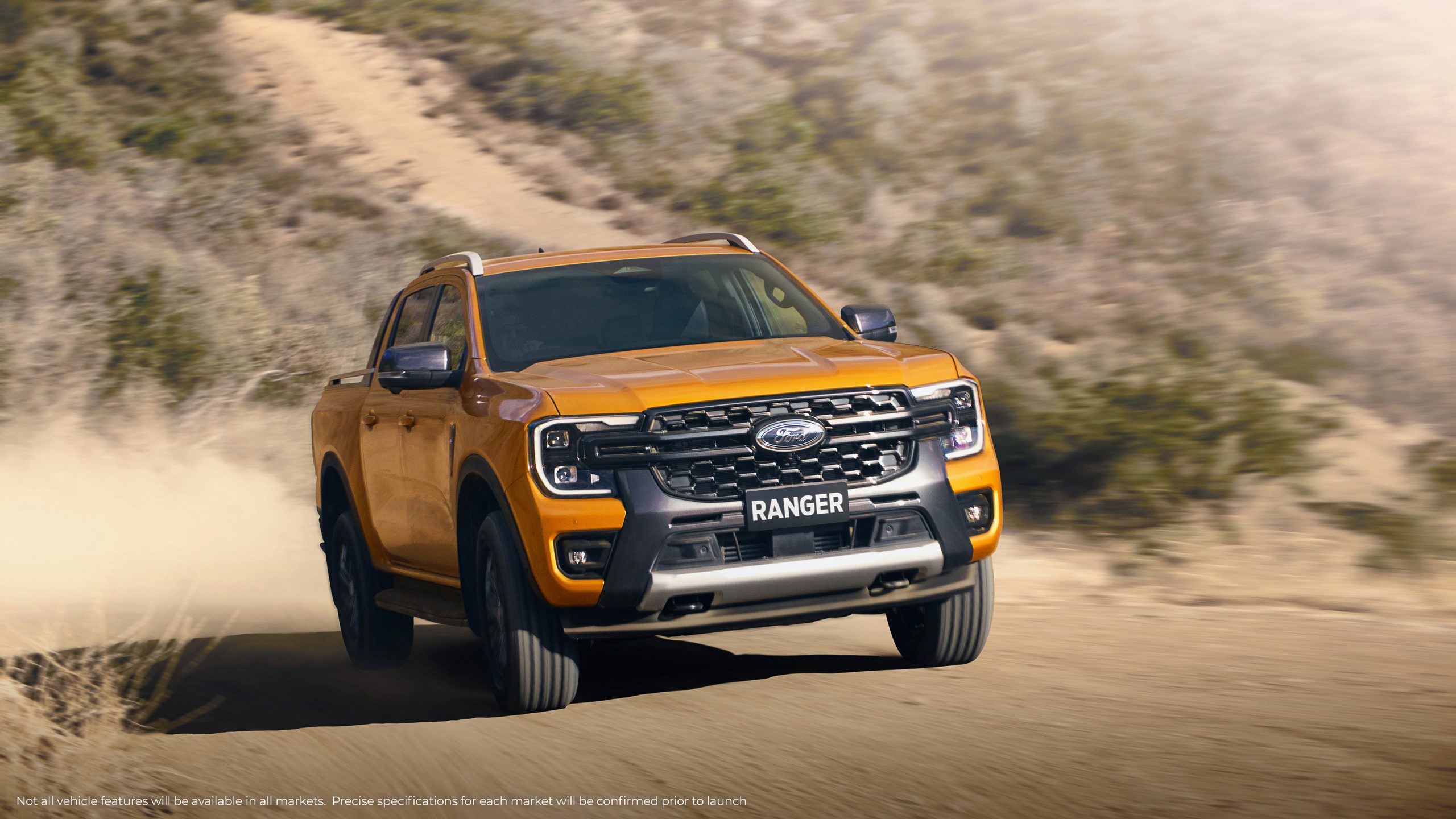
Ford Ranger: common problems and what you need to know
The Ford Ranger is a popular pick-up, known for its versatility and power, but it also has a number of recurring technical issues that owners and buyers may encounter. From engine faults to problems with the transmission and electronics: if you know the weak spots, you can prepare better for maintenance and for buying a used Ranger.
Understanding the common problems of the Ford Ranger helps you be prepared for what can go wrong. Those who know what to look out for can avoid expensive surprises and react more quickly at the first signs. For more information about wider issues within the Ford range, take a look at the problems with Ford.
Why knowing the issues matters for owners and buyers
Anyone who buys, or is considering buying, a Ford Ranger would be wise to know the known weak spots. Some problems are linked to specific model years, others occur on particular engine variants or trim levels. By doing your homework in advance, you can carry out a targeted check for symptoms during the inspection. That goes especially for anyone considering a second-hand example.
Knowing the issues also gives you a grip on maintenance costs. If you know which parts are vulnerable, you can anticipate this with preventive maintenance or a dedicated maintenance budget. In addition, it helps you during price negotiations if there are signs of wear or items that clearly need attention.
‘ Quality can vary significantly depending on model year and trim level. ’
Overall reliability of the Ford Ranger
The Ford Ranger scores average on reliability compared with other mid-size pick-up models. Many owners report positive experiences with durability in normal use, but there are also complaints about specific components that fail earlier than expected. Quality can vary significantly depending on model year and trim level.
Overall, the Ranger is a solid workhorse that performs well in tough conditions. Even so, certain years and engine variants demand more maintenance. The newer generations from 2019 onwards have improved electronics and engines, but there are still issues reported by owners on forums and at dealerships.
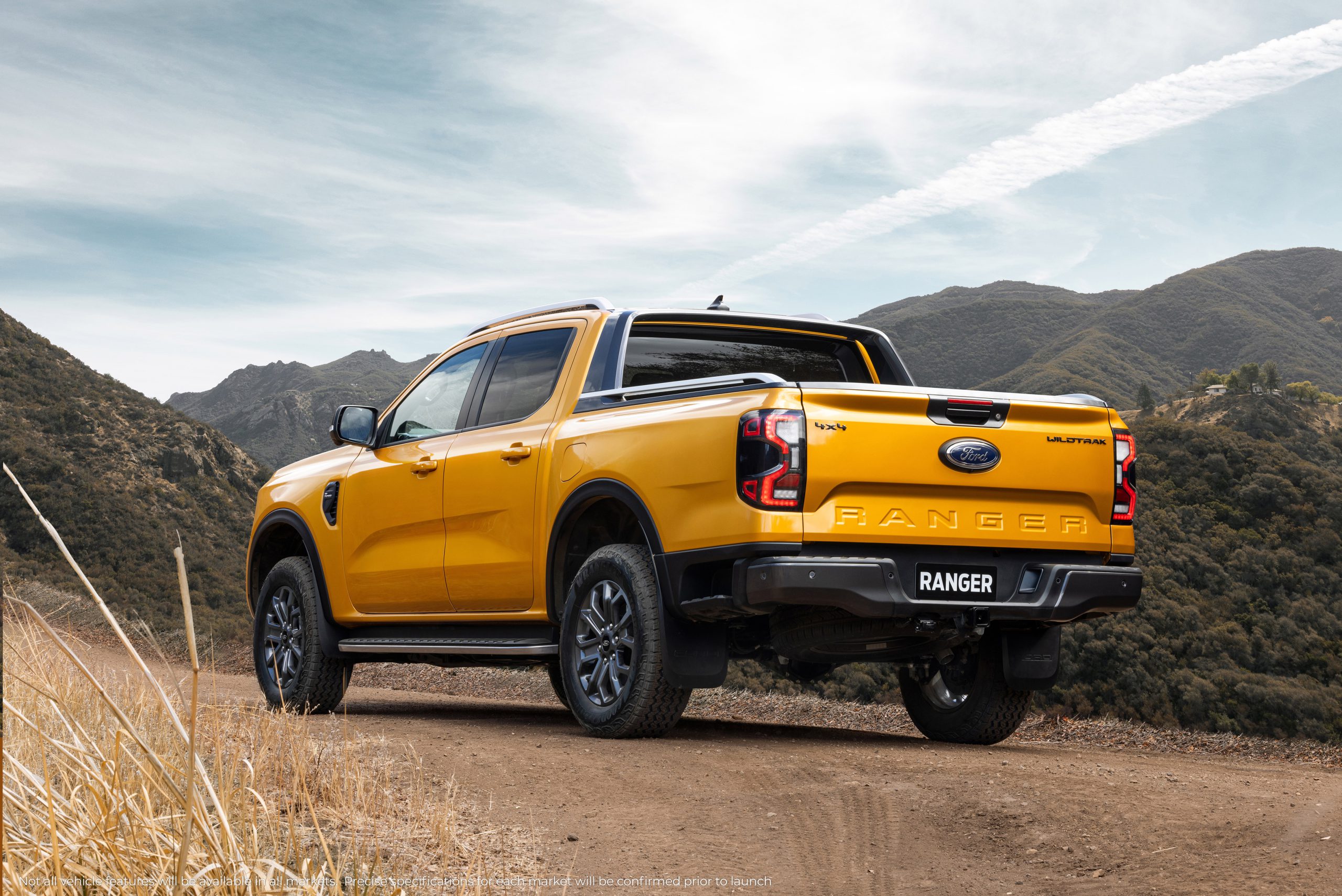
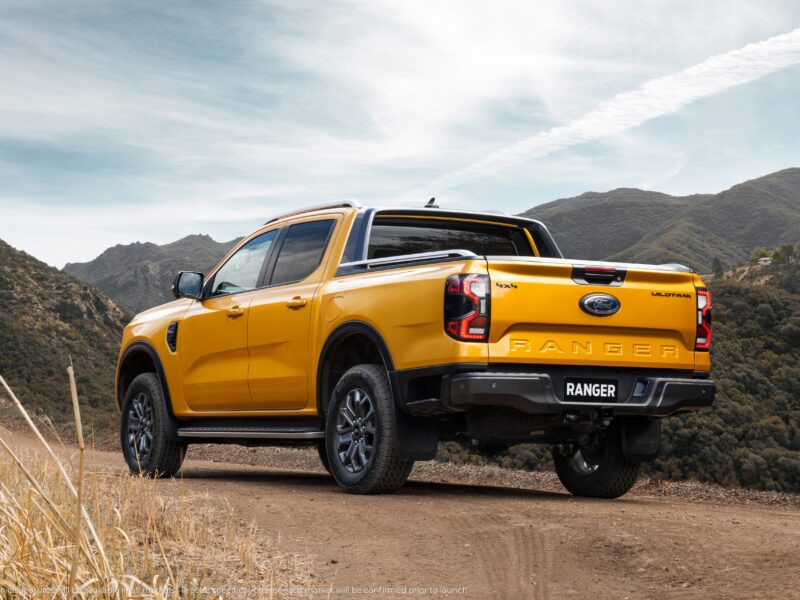
Common engine problems on the Ford Ranger
The 2.3L EcoBoost engine, fitted in many Rangers, is known to suffer from turbocharger and cooling issues. Owners regularly report coolant leaks and overheating, especially under heavy load or in hot climates. If not spotted in time, this can lead to serious engine damage.
In addition, wear or stretching of the timing chain can occur on older models. This can result in a rattling noise when starting and can ultimately cause engine damage if the chain breaks. Check the engine oil regularly and listen for unusual sounds.
On the older 3.0L and 4.0L V6 engines, problems with ignition coils and spark plugs are very common. This shows up as misfires, a rough-running engine and poor fuel economy. Replace coils and plugs at the first signs to prevent further issues.
Possible causes of engine problems:
- Poor maintenance of coolant and oil
- Turbocharger wear under heavy load
- Worn timing chain due to high mileage
- Defective ignition coils or spark plugs
Transmission and drivetrain problems
The 10-speed automatic, which has been standard since 2019, is the subject of complaints about jerky shifting and delayed response under acceleration. This mainly occurs at low speeds and when pulling away from a standstill. Ford has released multiple software updates to address this, but not all owners report an improvement.
On older models with the 5-speed automatic, there are reports of slipping gears and overheating of the transmission. If left unaddressed, this can lead to total failure. Have the transmission fluid and filters replaced regularly according to the recommended intervals.
The four-wheel drive system (4WD) can suffer from problems with the transfer case and the front and rear differentials. Owners report clicking or grinding noises when engaging 4WD, and sometimes the system does not stay properly locked. This may be due to wear of the actuator or low oil levels in the differentials.
‘ Faulty earth connections cause a wide range of malfunctions ’
Electrical and electronic faults
The wiring and sensors in the Ford Ranger are prone to faults, especially on older models. Problems with earth connections occur frequently and can lead to all sorts of strange symptoms, such as starting issues, lights cutting out and warning messages on the dashboard.
The SYNC multimedia system attracts complaints about freezing, loss of connectivity and failure of functions such as navigation and climate control. Software updates sometimes resolve this, but in more serious cases the head unit needs to be replaced.
Sensors such as the oxygen sensors and the mass airflow sensor (MAF) can fail, resulting in poor performance, high fuel consumption and fault codes. Replace these sensors at the first signs to prevent engine problems.
Common electrical problems:
- Faulty earth connections cause a wide range of malfunctions
- SYNC system freezes or loses functionality
- Sensors fail due to dirt or wear
- Battery drains due to parasitic current draw
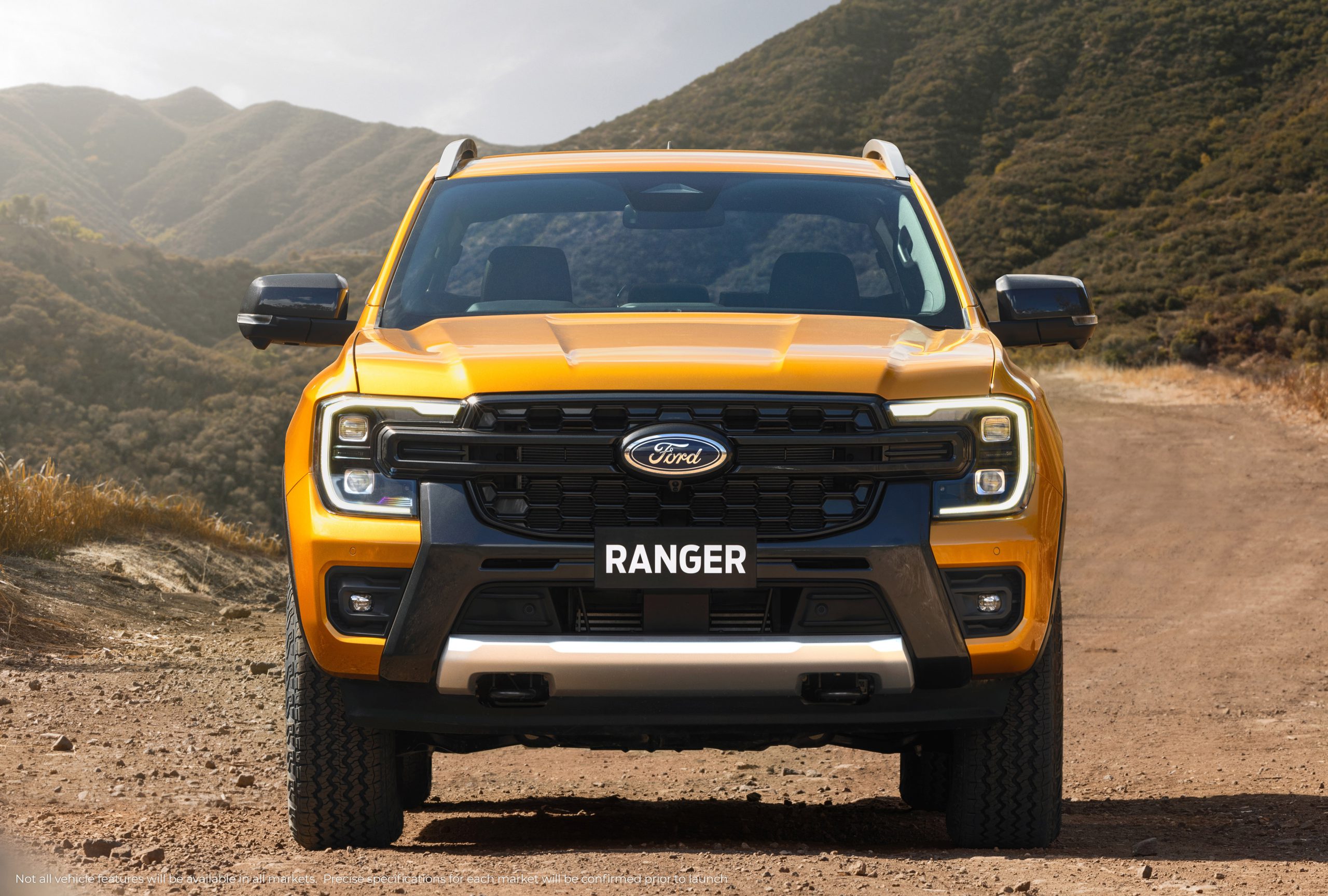
Suspension and steering problems
The front suspension of the Ranger is prone to wear of wishbone bushes and ball joints. This shows up as knocking noises over bumps and reduced handling. Check these parts regularly, especially after off-road use or heavy loading.
The steering system suffers from issues with the power steering pump and the steering column. Owners report heavy or, conversely, overly light steering, and sometimes leaks in the pump or lines. This can lead to loss of power assistance, which is dangerous at higher speeds.
The rear axle with leaf springs can sag or crack over time, especially on vehicles that are regularly heavily loaded. This affects handling and can lead to uneven tyre wear. Inspect the springs regularly for cracks and replace them at the first signs of damage.
Bodywork and interior annoyances
Rust is a well-known problem on Rangers used in damp or salty environments. Check the wheel arches, sills and chassis for signs of corrosion. Treat minor rust spots quickly with protective coatings to prevent further damage.
The paint can fade or flake over time, especially on the bonnet and roof. This occurs more often on older models and is partly due to the quality of the paint layer. Regular washing and waxing helps to protect the paint.
Inside, owners complain about creaks from the dashboard and doors. This is often caused by loose clips or poor panel fitment. Rattling noises can be annoying, but are generally not a technical issue. Sometimes replacing clips or adding rubber strips helps.
‘ Rangers from the years 2001 to 2011 are known for problems with the 4.0L V6 engine, including timing chain stretch and fuel pump failure. ’
Model year-specific points of attention
Rangers from the years 2001 to 2011 are known for problems with the 4.0L V6 engine, including timing chain stretch and fuel pump failure. The automatic gearbox from this period is also prone to overheating and slippage.
The 2019 models, the first of the current generation, attract complaints about the 10-speed automatic and software issues with the infotainment system. Ford has carried out several recalls on these models to address specific problems.
The Raptor versions, which are fitted with the more powerful 2.7L EcoBoost V6, can develop turbocharger and cooling system problems more quickly due to the higher loads. Anyone buying a Raptor should pay extra attention to maintenance of these systems.
How to spot and prevent problems
When starting the engine, listen for unusual noises such as rattling or knocking. This can point to problems with the timing chain or the engine itself. Regularly check fluid levels, including engine oil, coolant and transmission fluid.
Test the four-wheel drive system at every major service. Engage it during a test drive and listen for grinding or clicking noises. Also check that all drive modes work correctly, especially on models with electronically controlled 4WD.
Inspect the suspension and steering for wear. Look out for vibrations through the steering wheel, uneven tyre wear and knocking over bumps. Have these components checked by a specialist at least once a year.
Preventive maintenance includes:
- Replace oil and filters according to the recommended schedules
- Check the cooling system for leaks and renew the coolant
- Have the gearbox and differentials serviced regularly
- Inspect wiring and sensors for corrosion
- Check suspension and steering for wear
What to do when you need a diagnosis
If you suspect a problem, have a diagnosis carried out at a specialist garage as soon as possible. Many modern Rangers are equipped with OBD-II diagnostics (on-board diagnostic system), which allows fault codes to be read quickly. This provides an initial indication of the issue.
Do not rely solely on fault codes. Have a thorough physical inspection carried out, especially for mechanical problems such as suspension, transmission and four-wheel drive. Sometimes codes point to a symptom, while the actual cause lies deeper.
Ask for a detailed quote before agreeing to repairs. Compare prices at several garages, but choose a business with experience of Ford models. Some issues, such as software updates for the gearbox, can only be carried out by an official Ford dealer.
‘ Always have outstanding campaigns carried out as soon as possible, even if the problem does not yet seem to occur. ’
Ford recalls and service bulletins
Over the years, Ford has issued several recalls for the Ranger. Well-known campaigns concern problems with the transmission, the Takata airbags and faults in the four-wheel drive system. When buying, check whether all relevant recalls have been carried out.
You can check for outstanding recalls via the Ford website or at a dealer. Enter the chassis number (VIN) to get a complete overview. Always have outstanding campaigns carried out as soon as possible, even if the problem does not yet seem to occur.
In addition to recalls, Ford sometimes issues technical service bulletins (TSBs). These are not mandatory actions, but recommendations for dealers on how to address specific problems. When your vehicle is serviced, ask whether there are any relevant TSBs for your model and model year.
Checklist for buying a used Ford Ranger
When looking at a used Ranger, always check the service book and ask for evidence of maintenance carried out. Pay particular attention to whether the gearbox, differentials and cooling system have been serviced regularly. Missing maintenance may point to future problems.
Inspect the bodywork thoroughly for rust, especially underneath the vehicle and in the wheel arches. Rust is difficult to repair and can affect structural integrity. Also look for flaking paint and check the condition of the load bed.
Test the four-wheel drive system during the test drive. Switch between the different modes and listen for unusual noises. Check that the systems lock properly and that no warning lights or messages appear on the dashboard.
Points of attention during inspection:
- Complete service history and proof of work carried out
- Rust on chassis, wheel arches and sills
- Condition of engine and gearbox, including oil levels
- Operation of four-wheel drive and all electronic systems
- Tyre wear and condition of suspension and steering
- Check whether recalls have been carried out
The Ford Ranger as a reliable workhorse
The Ford Ranger offers a lot of value for money as a pick-up for work and leisure, but it also has weak spots that need attention. Engine problems, transmission issues and electrical faults do occur, but are often manageable with proper maintenance and timely repairs.
Those who know the common problems and remain alert to them can prevent most technical headaches or tackle them quickly. The Ranger remains a popular choice for anyone who needs versatility and towing capacity, provided you are prepared to give maintenance the attention it deserves. When buying a used example, a thorough inspection is essential to avoid nasty surprises.