

Ford S-Max: taking a closer look at the spacious family car
The Ford S-Max is a popular MPV (multi-purpose vehicle), also known as a people carrier. The S-Max combines space with sporty handling. Anyone considering a used S-Max will run into several common problems. From turbo issues to electrical faults: owners regularly report complaints about engine problems, transmission defects and faulty sensors. Do you want to know exactly what you should look out for before you buy a Ford S-Max?
the overall reliability of the Ford S-Max
The Ford S-Max has a mixed reputation when it comes to reliability. The first generation (2006–2015) suffers more from teething troubles than the second generation (2015–2023). In particular, models from before 2012 are more prone to technical problems. The second generation benefits from improved technology and more modern powertrains. However, this version is not entirely free from complaints either.
Owners appreciate the S-Max for its spacious interior and flexible seating layout. Its sporty road handling is also popular. However, you often hear about engine problems with the diesel versions. Faults in the Powershift automatic gearbox also occur. This dual-clutch automatic transmission can be a real headache for owners. The electronics can also cause worries at times. Do you want to know more about the general problems with Ford? There you will find an overview of the most commonly reported complaints across different models.
‘ Each engine type has its own specific things to watch out for. ’
common engine problems with the Ford S-Max
The S-Max is available with several different engines. Each type has its own specific things to watch out for. The diesel engines are popular thanks to their fuel efficiency and pulling power, but they do need extra attention.
Turbo problems on diesel engines
The 2.0 TDCi engines regularly suffer from turbo failures, especially the 140 bhp and 163 bhp versions. Symptoms include loss of power, a whistling noise and black smoke from the exhaust. The cause is often blocked oil feed lines to the turbo. Wear on the turbo vanes also occurs. A failed turbo can lead to expensive repairs in the region of €1,000 to €2,000.
During a test drive, listen for unusual noises when accelerating. Check whether the engine pulls smoothly through the rev range. When buying, always ask about the turbo’s maintenance history.
DPF issues
Diesel models with a particulate filter (DPF, diesel particulate filter) can suffer from blockages. This happens mainly when the car is used mostly for short trips. In that case, the engine does not reach a sufficiently high temperature and the filter does not regenerate properly. Symptoms include warning lights, reduced performance and limp mode. Cleaning a clogged DPF costs between €200 and €500. Replacing it can be as much as €1,500.
Do you mainly drive short distances? Then choose a petrol version. Otherwise, plan regular longer motorway journeys to keep the filter clear.
Injector problems
The common-rail injectors on the diesel engines can fail. Common rail is a high-pressure fuel system for diesel engines. These defects occur over time. You will notice an uneven engine idle and increased smoke. Starting problems are also common. Replacing injectors is expensive: expect to pay between €400 and €800 per injector. This happens more often on higher-mileage models, typically those that have covered more than 150,000 km.
Timing chain
Some engine variants suffer from timing chain problems. This applies, among others, to the 1.6 EcoBoost petrol engine. You will then hear rattling noises when starting the engine and also when accelerating. The chain can jump a tooth or snap altogether, leading to severe engine damage. Replacing the timing chain will quickly cost between €800 and €1,200.
When buying, check whether the chain has been replaced in time. Ask for maintenance invoices as proof. If in doubt, have a mechanic check the chain tension.
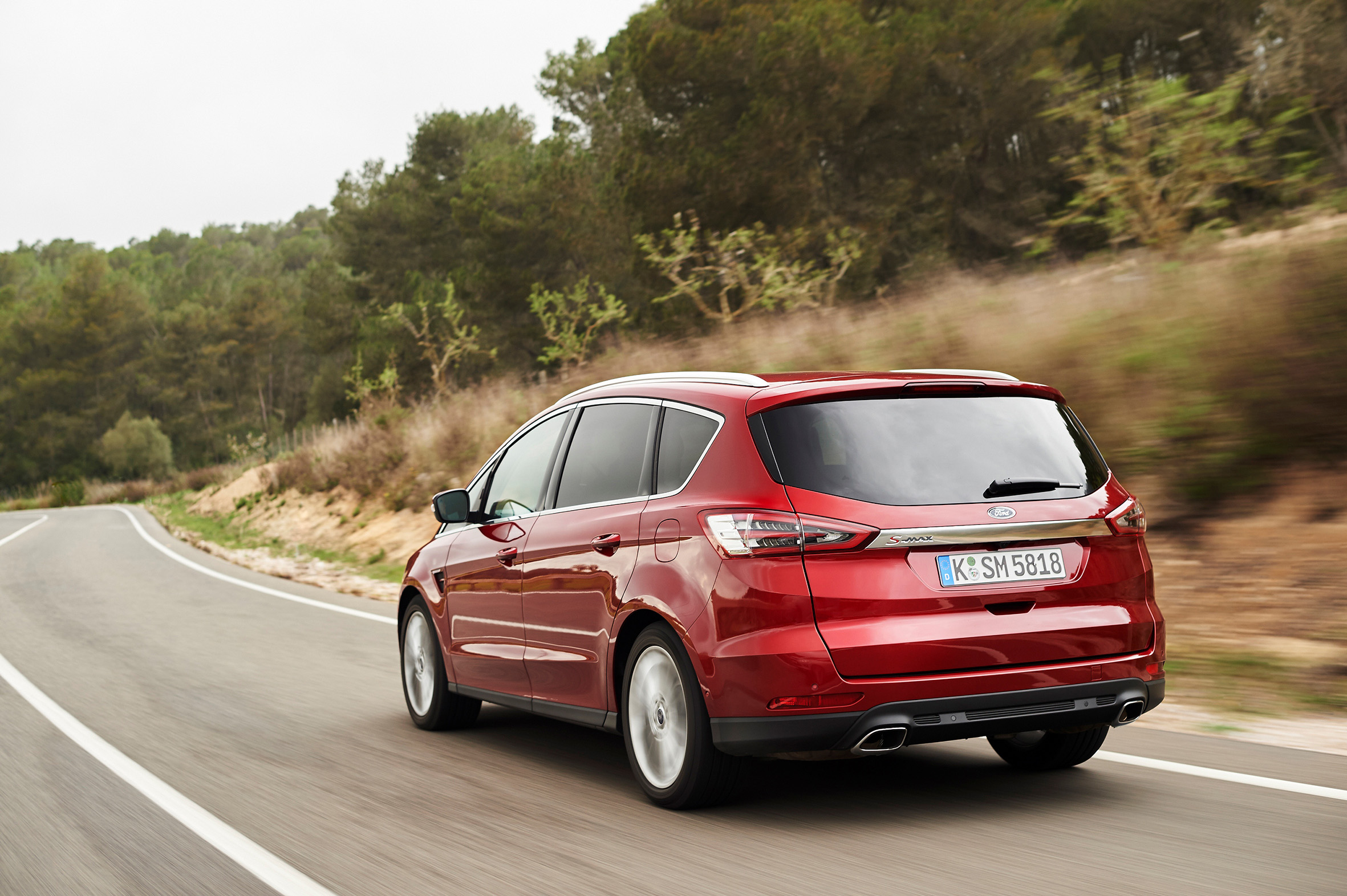
points to watch with the Ford S-Max transmission
The S-Max is available with manual gearboxes and with the Powershift automatic. Both transmissions have their quirks.
Manual gearbox
The manual version is generally reliable. However, the clutch can wear prematurely under heavy use. Aggressive shifting also speeds up wear. Symptoms include clutch slip and difficulty engaging gears. You may also hear grinding noises. Replacing the clutch costs between €600 and €1,000 including labour.
Powershift automatic
The Powershift automatic is notorious for its problems. This transmission uses dry clutches, which wear faster in heavy stop–start traffic, such as in busy city driving. Owners report jolts when changing gear, vibrations in the gear lever and sometimes limp mode. Ford has carried out several recalls, but older models remain vulnerable.
Repairing or replacing the Powershift automatic can cost €3,000 or more. During a test drive, put the automatic gearbox thoroughly through its paces. Do this in city traffic and on the motorway, and also test it on hilly roads. Watch out for jerks, delayed response and unusual noises.
electronic faults and infotainment problems
Modern cars contain more and more electronics, and the S-Max is no exception. Unfortunately, this also means more potential sources of failure.
SYNC infotainment system
Ford’s SYNC system suffers from software problems in various model years. SYNC is the multimedia system for audio and navigation. You may experience frozen screens and unresponsive buttons. Connection problems with smartphones are also common. Sometimes a software update helps; in some cases the entire unit has to be replaced.
Sensors
Parking sensors can fail. Rain sensors and interior mirrors with auto-dimming function sometimes stop working as well. Faulty parking sensors can give false warnings or stop working altogether. Replacing them costs between €50 and €150 per sensor, depending on the type.
Electric parking brake
The electric parking brake can seize or refuse to release. This is often caused by corrosion in the small electric motors or other mechanical parts. Symptoms include warning lights on the dashboard and the inability to apply or release the handbrake. Repairs can run to several hundred euros.
‘ This is a safety issue that needs immediate attention. ’
problems with the suspension and running gear
The S-Max has a solidly built chassis, but components do wear out over time. This is particularly noticeable on high-mileage cars, where you will see wear on specific parts.
Control arm bushes and wheel bearings
The rubber bushes of the control arms can crack or dry out. This leads to knocking noises when driving over bumps. Wheel bearings can start to drone, especially at higher speeds. Replacing control arm bushes costs between €200 and €400 per axle. Replacing wheel bearings costs roughly €150 to €300 per wheel.
Shock absorbers
Worn shock absorbers cause a wallowy, unstable driving experience and reduced comfort. The car does not absorb bumps properly and will also dive under braking. Shock absorbers are preferably replaced per axle and cost between €400 and €800 including fitting.
Steering rack issues
Some owners report leaking steering racks. This results in a loss of power steering assistance and oil patches under the car. This is a safety issue that needs immediate attention. Replacing a steering rack is expensive and can cost €1,000 or more.


other known issues: bodywork, interior and air conditioning
Aside from the mechanical and electrical issues, there are a few more things to watch out for regarding the bodywork, interior and climate control.
Rust
The first-generation S-Max is prone to rust, especially around the wheel arches. You also see it under the doors and on the boot threshold. Inspect these areas carefully during a pre-purchase check. Rust can spread and lead to costly body repairs.
Interior rattles
Owners regularly report rattling noises from the dashboard and door panels. This is particularly annoying on longer journeys. Often it helps to secure panels more firmly. Adding extra sound-deadening material can also make a difference.
Air conditioning system
The air conditioning system can suffer from leaking condensers. Faulty compressors also occur. Symptoms include poor cooling performance and unusual noises, as well as unpleasant smells. Repairing the air conditioning system costs between €300 and €800, depending on which components need to be replaced.
what should you look out for when buying a used Ford S-Max?
Buying a used S-Max calls for thorough preparation. You should do your homework carefully before making a decision. Follow these steps to avoid disappointment.
Check the service history
Always ask for the complete service record, including stamped booklets and invoices. Look for regular servicing at an authorised Ford dealer or a reputable independent garage. Check whether the timing chain has been maintained or replaced according to schedule. Also check the turbo and the DPF (diesel particulate filter) and make sure they have been serviced or replaced on time.
Carry out an extensive test drive
Test the car in different conditions. Drive through town and on the motorway, and also over rough or uneven roads. Pay attention to:
- Gearshift problems with the automatic
- Unusual engine noises
- Vibrations or jerks
- Operation of electronics and infotainment
- Noises from the suspension and running gear
Have the car inspected
Invest in a pre-purchase inspection by an accredited organisation. A mechanic can detect hidden defects that are difficult for a layperson to spot, such as rust, oil leaks or wear on mechanical components that is not immediately visible.
Check for recalls
Use the registration number to check whether there are any outstanding recalls. Ford has carried out several recall campaigns for the Powershift automatic. There have also been actions for other issues. These are often rectified free of charge by the dealer.
‘ Proper maintenance prevents many problems. ’
maintenance and prevention: how to keep your S-Max in top condition
Preventive maintenance is the key to keeping your S-Max reliable in the long term. Proper maintenance prevents many problems. Follow this advice to minimise the risk of issues.
Regular servicing
Stick to Ford’s recommended service intervals. These can be found in the service booklet or obtained from the dealer. Replace engine oil, filters and fluids on time. Use high-quality oil that meets Ford specifications. This helps reduce turbo and engine problems.
DPF regeneration
Regularly drive your diesel S-Max on the motorway so the particulate filter can regenerate properly. Avoid exclusively short trips where possible.
Transmission checks
On Powershift models, have the transmission checked annually. Ask the mechanic to update the software and inspect the clutches. Replace the transmission oil according to a fixed schedule, even if Ford calls it “maintenance free”. In practice, regular oil changes prove to be beneficial.
Protect against rust
Have the wheel arches and underside of the car cleaned regularly, especially in winter. Road salt accelerates corrosion. Consider cavity protection treatment to help prevent rust from forming.
Update infotainment software
Check whether software updates are available for the SYNC system. Updates can improve functionality and resolve or prevent many electronic problems.


is the Ford S-Max a reliable choice?
The Ford S-Max offers many practical advantages: generous space, a flexible seating layout and surprisingly sporty handling for an MPV. For families looking for an alternative to an SUV, the S-Max is a logical choice. However, the common problems mean you need to keep a realistic perspective.
The diesel engines suffer from turbo, DPF and injector issues. The Powershift automatic has a dubious reputation and can lead to high repair bills. Electronics and sensors also fail on a regular basis. On older models, rust is another factor to consider.
Anyone buying a used S-Max would be wise to choose a well-maintained example with a full service history. Have the car inspected before purchase and set aside extra budget for maintenance and repairs. With the right care and preventive maintenance, the S-Max can last for many years, but you should not expect it to be completely trouble-free.