
Ford Transit: workhorse with teething troubles
The Ford Transit has been the symbol of reliable commercial transport for generations, but it also has quite a few technical points of attention. This article highlights the most common problems with this versatile van, from engine issues to rust, and gives you concrete tools to recognise and tackle them. Because if you know the weak spots, you can maintain it in a targeted way and prevent expensive repairs.
An icon with history
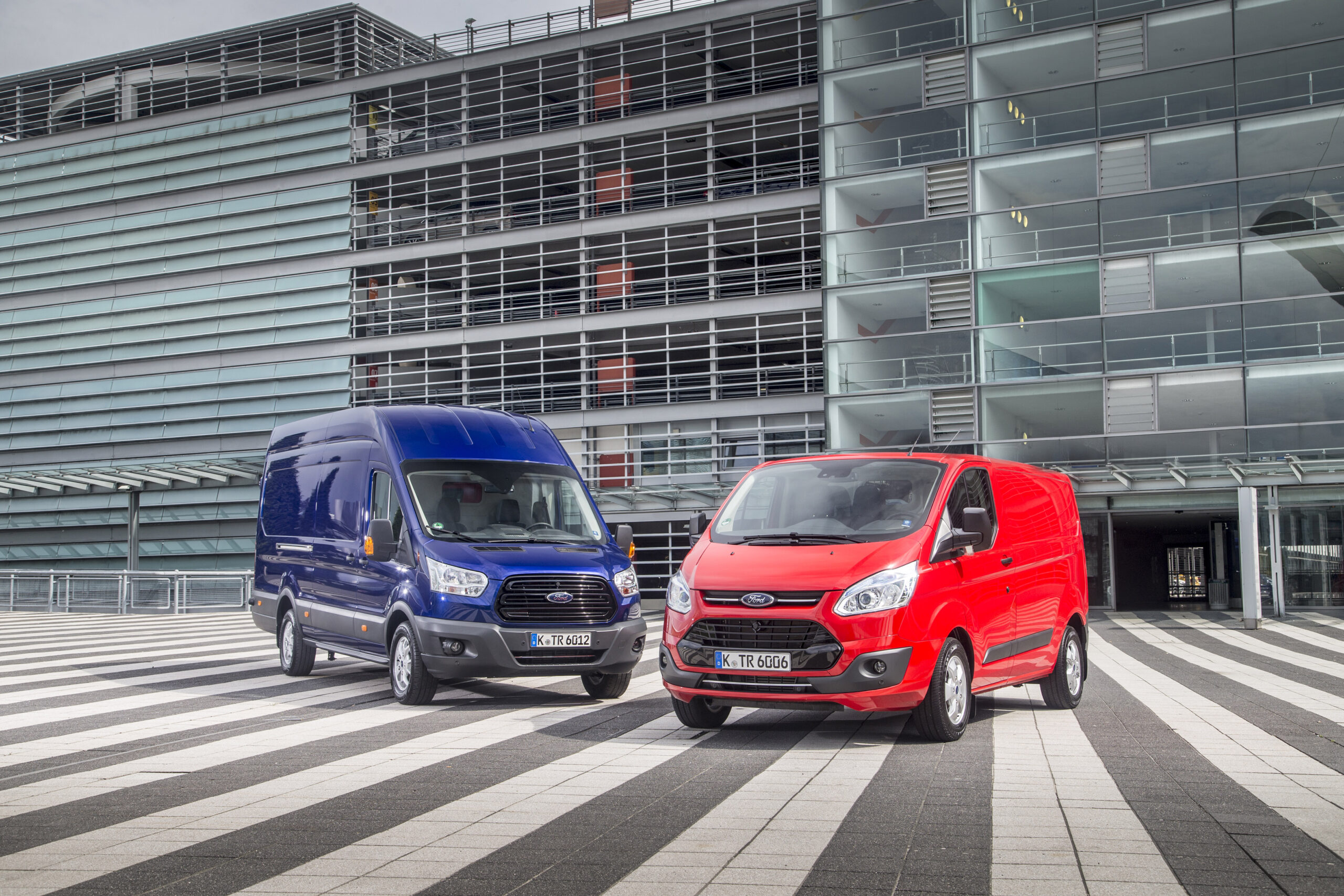
The Ford Transit has been driving on European roads since 1965. The model has grown into the market leader in the segment for medium and large commercial vehicles. Parcel couriers, tradespeople, hospitality suppliers and even motorhome builders rely on the Transit. That popularity is thanks to the wide range of body types, wheelbases and roof heights. You can tailor the Transit exactly to your transport needs, from a compact city van to an XXL version with almost five hundred cubic feet of load space.
The combination of usability and availability means that millions of Transits are on the road. That high volume also means a wealth of experience among users and garages. That real-world data shows where the Transit is vulnerable.
‘ Reliability strongly depends on maintenance and usage. ’
Reliability with nuances
The Ford Transit is generally regarded as reasonably reliable, but that reputation differs per generation and engine variant. Models from before 2014 show more susceptibility to rust and electrical issues. The newer generations benefit from improved materials and software, but specific complaints also crop up there. Problems with Ford models are no exception, and the Transit shares some weak points with passenger cars from the same production years.
Reliability strongly depends on maintenance and usage. Transits that trundle around the city fully loaded every day are subjected to different stresses than examples that do long motorway journeys once a week. Owners who replace oil, filters and coolant on time suffer significantly less from the known ailments.


Engines under pressure
The diesel engines in the Transit are popular because of their torque and fuel consumption, but they show recurring problems. The 2.2 TDCi, the standard in many Transits for years, regularly suffers from a defective EGR valve. That valve redirects exhaust gases back to the intake to reduce emissions, but it becomes clogged by soot deposits. The result: loss of power, rough idling and a warning light on the dashboard.
The turbocharger on the 2.2 TDCi can also wear prematurely, especially if lubrication is insufficient or oil levels are too low. You then hear whistling or hissing noises when accelerating. If you ignore that noise, you risk the turbo seizing completely. Replacement quickly costs one thousand pounds or more.
The newer 2.0 EcoBlue engine is more economical and cleaner, but in the first years it drew complaints about the AdBlue dosing module and the particulate filter. Software updates and regular longer journeys above fifty miles per hour help the filter to regenerate automatically. If you only ever do short trips, the filter will clog much faster.
Transmission and drivetrain
The manual gearbox in the Transit is generally robust, but clutches wear out under intensive use within one hundred thousand kilometres. Symptoms include a dragging clutch, difficulty engaging gears or a burning smell when pulling away. The cost of a new clutch kit including fitting is around one to one and a half thousand pounds.
Automatic transmissions in later Transits sometimes show jerky gear changes or vibrations when accelerating. This often points to worn transmission fluid or defective mechatronic modules. Regularly changing the transmission oil can delay these problems.
On rear-wheel drive Transits, the propshaft can show wear, especially around the universal joints. You will notice this as knocking sounds when pulling away or accelerating. The differential seal can also start to leak, leading to loss of oil. Check the underside regularly for damp patches.
‘ Have this replaced in good time, because loose joints have a direct impact on driving safety. ’
Suspension, steering and brakes
The front suspension of the Transit is sturdily built, but bushes and bearings wear with high loads. Common issues are wear on the wishbone bushes and track rod ends. This shows up as rattling noises over bumps and nervous steering. Have this replaced in good time, because loose joints have a direct impact on driving safety.
Shock absorbers start to deteriorate after around one hundred thousand kilometres of intensive use. A Transit that continues to bounce after a bump or leans noticeably in corners needs new dampers. Always replace them per axle for even damping.
Brake discs and pads wear faster than on passenger cars because of the higher weight. Check the thickness of the brake discs at least every six months and replace pads before they wear down to the metal backing. The handbrake cable can also seize, especially on older Transits that are parked outside. Lubricate the cable annually and test the handbrake on a slope.


Electrical and electronic faults
Modern Transits have complex electronics for engine management, safety systems and comfort. Software problems in the body control module can cause random malfunctions: door mirrors that fold in by themselves, windscreen wipers that come on spontaneously or hazard lights that keep flashing. Dealers can often help with a software update.
Batteries in Transits are heavily loaded because of the many electrical consumers. A weak battery causes starting problems and can also trigger fault messages on the dashboard. Replace the battery preventively after four to five years, especially if you do lots of short trips where the alternator does not fully recharge the battery.
Wiring in the sliding door is a weak spot. Because it is opened and closed so often, the cables break at the hinge points. This leads to failure of the small window in the sliding door, the interior lighting or the central locking. Inspect the rubber gaiter regularly and have damaged cables repaired in good time.
Bodywork, chassis and rust
Transits from before 2014 are prone to rust, especially in places where water can collect. Check the bottom of the sliding doors, the sills, the wheel arches and the rear doors. The chassis on older examples can also rust around the mounting points of the rear axle.
Load areas that are used intensively develop dents, scratches and rust holes. Small damage to the protective coating lets moisture in, allowing rust to spread from the inside out. Treat damage immediately with rust-inhibiting primer and paint.
Door and window seals become porous over time. This leads to water leaks in the cab and load area. Replace worn seals to prevent damage to trim and electronics. Drain holes in the doors and below the windscreen also become blocked with leaves and dirt. Clean these annually to avoid water ingress.
‘ Safety and cost control come first. ’
Recognising and tackling problems
Many faults announce themselves with clear symptoms. Watch out for strange noises, vibrations, warning lights on the dashboard, smoke or changes in smell. Note when a problem occurs: on a cold start, while accelerating or when idling. Those details help the mechanic with the diagnosis.
Always have faults read out with a diagnostic computer (a device that reads the car’s fault codes). Fault codes give a direction, but never replace parts blindly on a hunch. An experienced garage will first test the real cause. Ideally use a workshop with Ford-specific knowledge and equipment.
If in doubt about how serious a problem is, do not keep driving. A small oil leak can turn into engine damage within a few miles. A dragging clutch can burn out. Safety and cost control come first.
Maintenance as a foundation
Prevent many common problems by strictly adhering to the service intervals. Replace engine oil and filter every year or every fifteen thousand kilometres, whichever comes first. Use oil of the type specified by the manufacturer in the owner’s manual. Under heavy use you can shorten the intervals to ten thousand kilometres.
Check coolant, brake fluid and screenwash every month. Top up with the correct fluids and deal with any leaks immediately. Also check the tension and condition of the V-belt or multi-rib belt. A broken belt will stop the alternator, water pump and possibly the power steering.
Do not let the MOT expire and use that appointment to have the general condition assessed as well. Ask the garage about wear on brakes, tyres, suspension and exhaust. Dealing with minor issues now prevents big bills later.
Now and then, do a longer run at motorway speeds. That helps the engine reach operating temperature, burns off soot in the particulate filter and evaporates condensation in the exhaust. Short trips are the biggest enemy of diesel engines.
Points to watch when buying used
If you are buying a used Transit, first check the service book. A fully stamped book or a collection of invoices inspires confidence. If the history is missing, be extra alert to hidden defects. Check the registration number in the RDW database (Dutch vehicle authority) for the mileage and any periods of suspension.
Inspect the engine for oil leaks, especially around the rocker cover and oil filter housing. Start the engine from cold and listen for unusual ticking or rattling. Check the exhaust for blue or black smoke when you rev it. Blue smoke indicates oil burning, black smoke points to an incorrect air–fuel mixture.
Test all electrical functions: lights, wipers, heating, central locking and electric windows. Try the sliding door several times as well. Check the load area for rust, leaks and damage. Look under the floor mats for moisture or rust.
Take a test drive on different types of road. Pay attention to gear changes, steering behaviour, braking and any strange vibrations. A Transit should feel solid and stable, not wobbly or rattly. If in doubt, have the vehicle inspected by an independent organisation before you buy.
‘ It remains a workhorse that has more than earned its stripes, provided you take its teething troubles seriously. ’
The Transit as a complete package
The Ford Transit combines load capacity, usability and the availability of parts into a solid commercial vehicle. The issues discussed are not a reason to dismiss the Transit, but they are points to watch in daily use and when buying. Those who maintain it consciously, know its weak points and act in good time can cover hundreds of thousands of kilometres in their Transit without problems. It remains a workhorse that has more than earned its stripes, provided you take its teething troubles seriously.