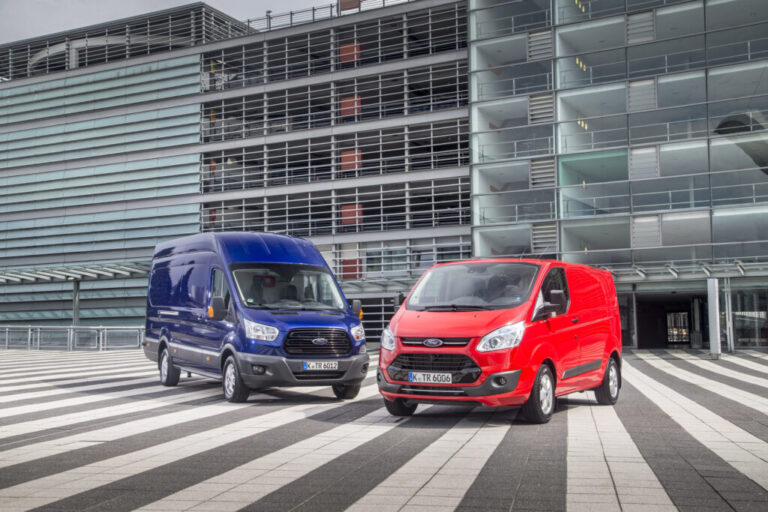
The 2.2 TDCi in the Ford Transit has a reputation for costly problems with injectors, pistons and, at times, serious engine damage. In addition, turbo, EGR, DPF and cooling problems are often reported, especially under heavy use and lots of short trips. As a result, the risk of expensive repairs is considerably higher than with alternative engines. That is why this engine is often not recommended unless there is a fully verifiable and careful service history.
With the 2.2 TDCi engine, problems are reported especially with faulty injectors and piston damage, which can lead to serious engine damage. In addition, turbo, EGR and DPF faults occur relatively often, with complaints such as loss of power, exhaust smoke and limp mode. Cooling and sometimes timing/chain problems are also mentioned, which, if neglected, can cause overheating and further engine damage. This combination of weaknesses means that many experts and experienced owners advise against this engine, especially without a verifiable, good service history.
There are no specific model years or revisions of the 2.2 TDCi that are clearly known as “problem-free”; the earlier model years in particular have a poor reputation. Later or reconditioned engines may be more reliable, but that depends heavily on maintenance and use. It remains an engine with a relatively high risk profile, regardless of model year. Only choose an example with verifiable, careful maintenance and a clean diagnosis.
Better alternatives within the Ford Transit range are mainly the **2.0 EcoBlue diesels** (such as the 130 hp and 170 hp variants), which are known as more modern and generally more reliable than the 2.2 TDCi. The older, simple **2.4 TDCi diesels** are also often described in practical experience as more robust and less prone to costly engine damage.
Common repairs to the 2.2 TDCi include injectors and the fuel system (approx. €800–€1,500), turbo replacement (approx. €1,000–€2,000), EGR/DPF problems (from a few hundred to well over €1,000) and, in serious cases, engine overhaul or replacement (several thousand euros). Because of the combination of these known weak points, total costs in the event of trouble can quickly rise to the economic value of an older Transit, or above it. Precisely because there is a real risk of repeated or cascading faults, such expenditure is often seen as difficult to justify with this engine, especially without a perfect service history. Only with an otherwise excellent van, demonstrably well maintained and with limited damage, can an expensive repair sometimes still be justified.
Frequently asked questions
Why is the Ford Transit ‘2.2 TDCi’ engine often not recommended?
The 2.2 TDCi in the Ford Transit has a reputation for costly problems with injectors, pistons and, at times, serious engine damage. In addition, turbo, EGR, DPF and cooling problems are often reported, especially under heavy use and lots of short trips. As a result, the risk of expensive repairs is considerably higher than with alternative engines. That is why this engine is often not recommended unless there is a fully verifiable and careful service history.
What specific problems are known with the ‘2.2 TDCi’ engine that lead to advice to avoid it?
With the 2.2 TDCi engine, problems are reported especially with faulty injectors and piston damage, which can lead to serious engine damage. In addition, turbo, EGR and DPF faults occur relatively often, with complaints such as loss of power, exhaust smoke and limp mode. Cooling and sometimes timing/chain problems are also mentioned, which, if neglected, can cause overheating and further engine damage. This combination of weaknesses means that many experts and experienced owners advise against this engine, especially without a verifiable, good service history.
Are there certain model years or revisions of the ‘2.2 TDCi’ engine that are less problematic than others?
There are no specific model years or revisions of the 2.2 TDCi that are clearly known as “problem-free”; the earlier model years in particular have a poor reputation. Later or reconditioned engines may be more reliable, but that depends heavily on maintenance and use. It remains an engine with a relatively high risk profile, regardless of model year. Only choose an example with verifiable, careful maintenance and a clean diagnosis.
Which alternative engines are available for the Ford Transit that are more reliable than the ‘2.2 TDCi’?
Better alternatives within the Ford Transit range are mainly the **2.0 EcoBlue diesels** (such as the 130 hp and 170 hp variants), which are known as more modern and generally more reliable than the 2.2 TDCi. The older, simple **2.4 TDCi diesels** are also often described in practical experience as more robust and less prone to costly engine damage.
What are the costs of common repairs to a ‘2.2 TDCi’ engine and are they justified?
Common repairs to the 2.2 TDCi include injectors and the fuel system (approx. €800–€1,500), turbo replacement (approx. €1,000–€2,000), EGR/DPF problems (from a few hundred to well over €1,000) and, in serious cases, engine overhaul or replacement (several thousand euros). Because of the combination of these known weak points, total costs in the event of trouble can quickly rise to the economic value of an older Transit, or above it. Precisely because there is a real risk of repeated or cascading faults, such expenditure is often seen as difficult to justify with this engine, especially without a perfect service history. Only with an otherwise excellent van, demonstrably well maintained and with limited damage, can an expensive repair sometimes still be justified.
The Ford Transit 2.2 TDCi has a clear reputation for engine problems. That reputation is not without reason. Owners and mechanics regularly report serious damage to injectors, pistons and the turbo. This is especially the case for examples from the period 2006 to 2011. Are you unsure whether a used Transit with this engine is a sensible purchase? Or are you worried about making an expensive mistake? Here you can read what you need to know before you decide.
Why the 2.2 TDCi has earned its reputation
The Ford Transit with the 2.2 TDCi engine falls into the Euro 4 engine category. These are diesel engines that comply with the European Euro 4 emissions standard, which was in force between 2005 and 2009. The 130 or 140 hp variants in particular are vulnerable. Model years 2006 to 2011 are the most risky. These are not minor complaints. Faults sometimes lead to major engine damage.
Problems most often occur in the fuel system and with the injectors. Faulty injectors cause poor combustion. This damages the pistons directly. Owners report ticking noises, loss of power and rough idling. In serious cases, the engine seizes completely. That makes this engine more expensive to maintain than you might often expect when buying one.
As well as injector problems, the turbo and cooling system are also weak points. The EGR system, which recirculates exhaust gases back into the engine to reduce emissions, is also prone to faults. With short trips and heavily loaded use, the particulate filter (DPF, the filter that traps fine particles from the exhaust gases) and the EGR system clog up more quickly. This adds extra wear and extra costs.
Known faults of the 2.2-litre Ford Transit
User experiences and repair forums are full of reports about the 2.2 TDCi. The following faults are the most common:
- Injectors and fuel system: Poor combustion, difficult starting, irregular running and loss of power. In the worst case, this can lead to damaged pistons and further engine damage.
- Pistons: Broken or damaged pistons are one of the most frequently reported causes of serious engine damage with this type of engine. Symptoms include a ticking noise, increased oil consumption and sudden loss of power.
- Turbo: Wear or lack of oil can damage the turbo. You will notice this through a whistling noise, reduced pulling power or the activation of limp mode.
- EGR and DPF: The exhaust gas recirculation system (EGR) and the particulate filter (DPF) clog up more quickly with city driving and short journeys. This leads to warning lights and reduced power.
- Cooling: Temperature problems and coolant loss can place a heavy strain on the engine and greatly shorten its lifespan.
- Timing and distribution: Problems with the timing system are recognisable by rattling noises at a cold start. If this is not dealt with in time, it can lead to major engine damage.

Ford Transit camper vans with the 2.2 TDCi: extra risk
The 2.2 TDCi engine is also used by camper converters. They choose the Transit as a rolling base vehicle. For a camper, however, the conditions of use are different. A van is more likely to do short trips, whereas a camper is more likely to do longer journeys. A camper is also left standing for longer periods. When starting from cold, this puts extra strain on the fuel system and injectors.
A camper is more heavily loaded than an empty commercial vehicle. That extra load demands more from the turbo and the engine. The risk of serious engine problems is therefore greater in a camper based on a Transit 2.2 TDCi. That certainly applies to examples from the period 2006 to 2011. Always check the service history when buying. Also have the engine control unit read for fault codes.
How to spot a risky Transit when buying
Still considering buying a Transit 2.2 TDCi? There are a number of things you can check beforehand. A thorough inspection can prevent expensive surprises.
- Have the engine control unit read for fault codes, even if no warning lights are showing on the dashboard.
- Start the engine from cold and listen to whether it starts smoothly and quietly, without ticking or smoke.
- Watch for smoke when accelerating. Blue smoke points to oil burning. White smoke is a sign of coolant leakage. Black smoke indicates a problem with the injectors or the fuel system.
- Check the oil level. Then also check the colour of the oil. Heavily contaminated or milky oil is a bad sign.
- Ask for proof of regular maintenance. Think oil, fuel filter and air filter changes.
- Check for oil traces around the turbo and the intercooler.
Ideally, only buy an example with a full service history. That history must be verifiable. A Transit without clear maintenance records carries a major risk. The chance of an expensive repair is then significantly higher.
‘ Within the Transit range, the 2.0 TDCi is the better choice. ’
Alternatives to the problematic 2.2 TDCi
If reliability is your top priority, it is worth looking at other engine versions of the Ford Transit or at other models. Within the Transit range, the 2.0 TDCi is a better choice. This engine was introduced in 2019 and is more reliable in design. It has more modern technology. The problems that characterise the 2.2 TDCi occur much less often with this engine.
Looking for a commercial vehicle or camper in the Transit segment? The Mercedes-Benz Sprinter and the Volkswagen Crafter are also worth considering. Owners generally describe these models as more reliable. However, bear in mind that they also have their own points to watch. Always make sure you are well informed about the specific model year and engine version. Do that before making a decision.

Avoiding the 2.2 TDCi: when does it make sense?
Avoiding the Ford Transit 2.2 TDCi makes sense if you prioritise reliability. Still choosing this type of engine? Then you should only end up with an example with a clean diagnosis. Verifiable maintenance is a second requirement. There should be no visible signs of smoke, oil consumption or loss of power. If an example does not fully meet these criteria, the risk is too great. An unclear service history greatly increases the chance of an expensive repair or total engine damage.
On the Carnews website you can find more information about common problems with Ford Transit models and other popular commercial vehicles. Read which models are reliable. Discover which points to watch matter when buying. And learn how to recognise engine problems at an early stage.
Frequently asked questions
Why is the Ford Transit ‘2.2 TDCi’ engine often not recommended?
The 2.2 TDCi in the Ford Transit has a reputation for costly problems with injectors, pistons and, at times, serious engine damage. In addition, turbo, EGR, DPF and cooling problems are often reported, especially under heavy use and lots of short trips. As a result, the risk of expensive repairs is considerably higher than with alternative engines. That is why this engine is often not recommended unless there is a fully verifiable and careful service history.
What specific problems are known with the ‘2.2 TDCi’ engine that lead to advice to avoid it?
With the 2.2 TDCi engine, problems are reported especially with faulty injectors and piston damage, which can lead to serious engine damage. In addition, turbo, EGR and DPF faults occur relatively often, with complaints such as loss of power, exhaust smoke and limp mode. Cooling and sometimes timing/chain problems are also mentioned, which, if neglected, can cause overheating and further engine damage. This combination of weaknesses means that many experts and experienced owners advise against this engine, especially without a verifiable, good service history.
Are there certain model years or revisions of the ‘2.2 TDCi’ engine that are less problematic than others?
There are no specific model years or revisions of the 2.2 TDCi that are clearly known as “problem-free”; the earlier model years in particular have a poor reputation. Later or reconditioned engines may be more reliable, but that depends heavily on maintenance and use. It remains an engine with a relatively high risk profile, regardless of model year. Only choose an example with verifiable, careful maintenance and a clean diagnosis.
Which alternative engines are available for the Ford Transit that are more reliable than the ‘2.2 TDCi’?
Better alternatives within the Ford Transit range are mainly the **2.0 EcoBlue diesels** (such as the 130 hp and 170 hp variants), which are known as more modern and generally more reliable than the 2.2 TDCi. The older, simple **2.4 TDCi diesels** are also often described in practical experience as more robust and less prone to costly engine damage.
What are the costs of common repairs to a ‘2.2 TDCi’ engine and are they justified?
Common repairs to the 2.2 TDCi include injectors and the fuel system (approx. €800–€1,500), turbo replacement (approx. €1,000–€2,000), EGR/DPF problems (from a few hundred to well over €1,000) and, in serious cases, engine overhaul or replacement (several thousand euros). Because of the combination of these known weak points, total costs in the event of trouble can quickly rise to the economic value of an older Transit, or above it. Precisely because there is a real risk of repeated or cascading faults, such expenditure is often seen as difficult to justify with this engine, especially without a perfect service history. Only with an otherwise excellent van, demonstrably well maintained and with limited damage, can an expensive repair sometimes still be justified.