Car problems Honda: common issues by model and smart solutions
Honda enjoys a worldwide reputation as a reliable car brand. Even so, specific problems do occur with certain Honda models and model years. The 1.5-litre turbo engine suffers from oil contamination. Transmission failure affects the Civic and Odyssey. Some technical issues occur more often than you would expect. Average annual maintenance costs are around 400 euros. The risk of major failures is low. Hondas remain cost-effective, but only if you know what to look out for. Do you want to know which car problems occur most often with Honda and how to spot them at an early stage?
Why Hondas are so reliable – and where things can still go wrong
Honda is known for its durability and technical soundness. Most models easily reach 300,000 kilometres or more, provided they are properly maintained. Owner experiences and mechanic reports do, however, show that some models have typical weak spots. In particular, the combination of turbo technology and stricter emission standards has led to new challenges in more recent model years (2017–2022).
The seriousness of problems differs by model and model year. Transmission failure in older Accords and Civics can lead to costly repairs of 2,000 to 4,000 euros. Oil contamination in turbo engines (engines with a turbo) requires extra checks and more frequent maintenance. Rust formation in older Fits and Civics affects the residual value and requires expensive bodywork treatments.
The good news: many problems can be prevented or limited with timely inspection and adjusted maintenance. Hondas remain a sensible choice for car enthusiasts, especially if you know the risk periods.
‘ Early detection is crucial. ’
General weak points in Honda models
The same complaints crop up across several models. Transmission problems (problems with the gearbox) occur regularly in the Accord, Civic, Odyssey and CR-V, often caused by overheating or manufacturing defects. Symptoms include jerking when shifting, slipping or complete failure of the gearbox.
The 1.5-litre turbo engine (petrol engine with turbo), used in the Civic, CR-V and Accord from 2017 onwards, struggles with oil contamination. Fuel ends up in the engine oil, especially on short journeys in cold weather. This thins the oil and speeds up wear on moving parts. Older V6 engines in the Pilot use excessively high amounts of oil due to cracks or worn seals.
Rust and paint problems mainly affect Civics, Fits and CR-Vs in damp climates. Clear coat failure and rust formation on wheel arches and the chassis reduce the residual value. Preventive treatment with wax and anti-rust spray helps.
Airbag and fuel pump faults occur in Fits (2010–2013) and some Civics. Defective airbag sensors trigger warning lights, failing fuel pumps (pumps that send fuel to the engine) cause starting problems and loss of power. Electrical faults, such as failing infotainment systems in the Accord (2018–2020), and air conditioning (A/C) problems in various models round off the list.
Early detection is crucial:
- Check oil level and colour monthly
- Watch for milky oil (indicates coolant in the oil)
- Watch for grey oil (indicates fuel mixing with the oil)
- Watch for jerks, vibrations or unusual noises while driving
- Inspect wheel arches, sills and chassis twice a year for rust formation
- Test all electrical systems (infotainment, locking, airbag lights) during a pre-purchase inspection
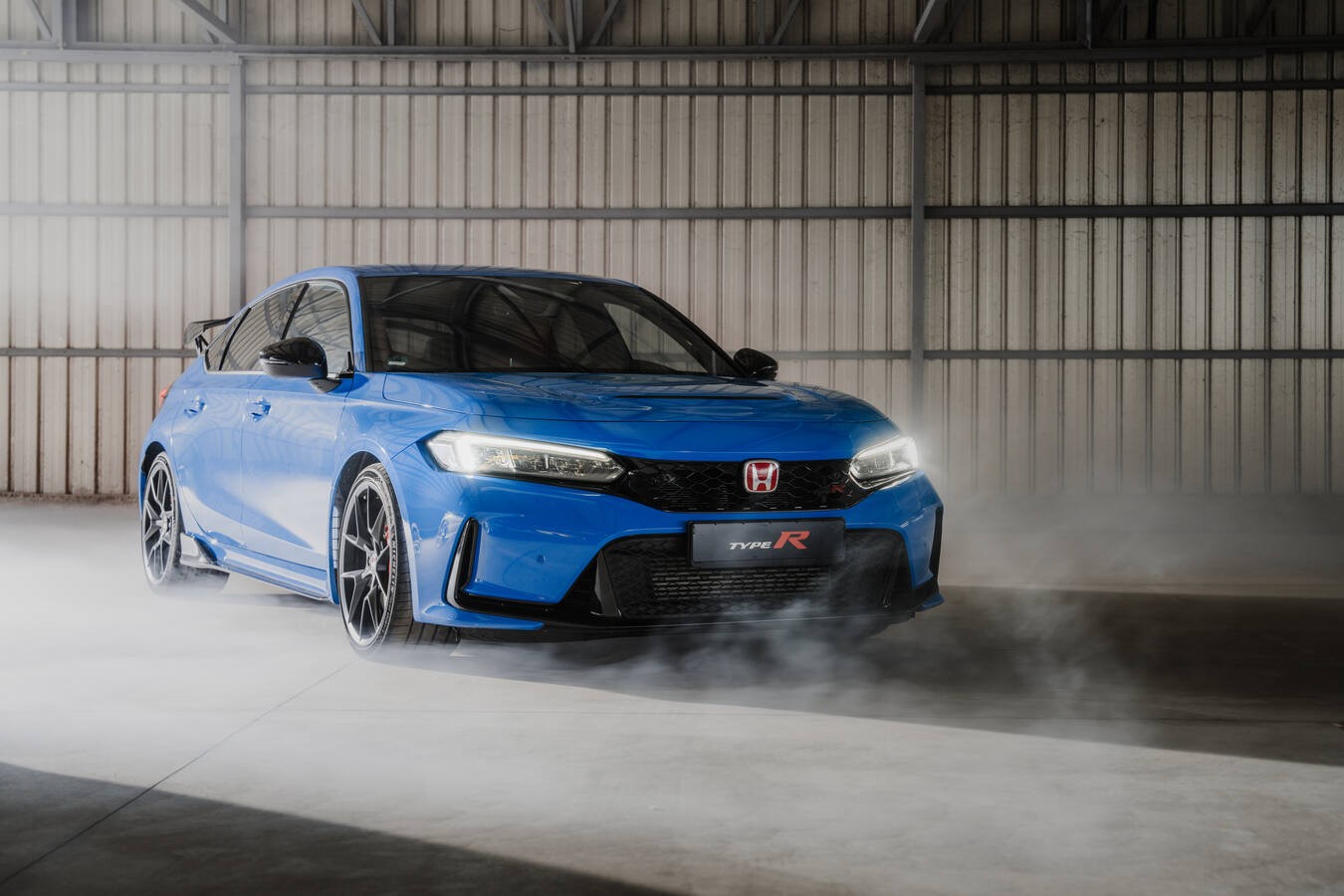
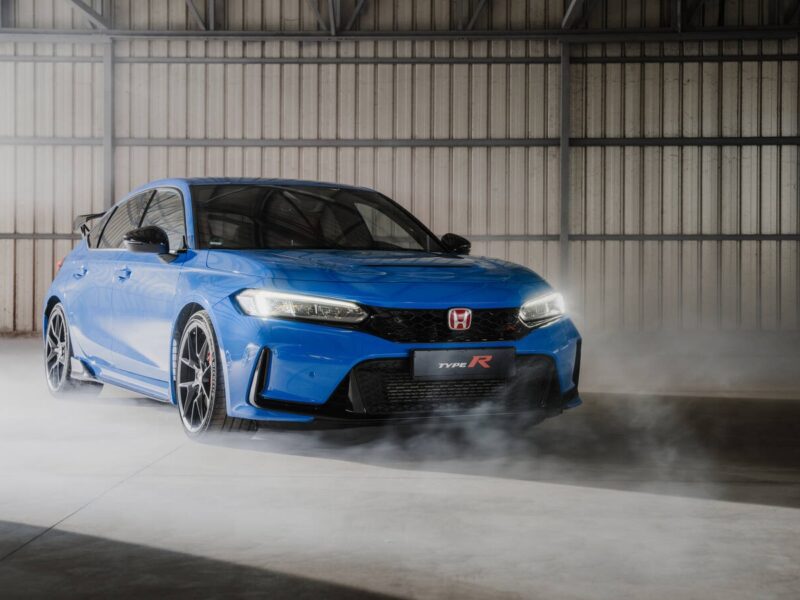
Honda Civic: turbo oil issues, transmission and rust
The Civic, one of Honda’s best-selling models, has model-year-specific problems. The 1.5-litre turbo engine (petrol engine with turbo) from 2017–2022 suffers from oil contamination, especially on short journeys in cold weather. Fuel mixes with engine oil, thinning it and causing engine components to wear more quickly. Some owners report that the oil already feels like water after 3,000 kilometres.
Transmission problems (problems with the gearbox) mainly affect older Civics (before 2017). Automatics jerk when shifting, slip or fail completely. This is caused by overheating, manufacturing defects or insufficient fluid changes. Repair costs can reach 3,500 euros.
Emission software faults can cause the Civic to fail the MOT (periodic vehicle inspection). A dealer update often fixes this, but if the warning light stays on, a faulty catalytic converter may be the culprit. Engine mounts wear prematurely, causing vibrations when idling. Rust on wheel arches and chassis occurs in older generations, especially in damp environments.
Practical checks before and during a test drive:
- Ask the dealer whether the emission update has been carried out
- Thoroughly test the automatic: accelerate, brake, shift between positions
- Check oil level and consistency; smell the dipstick (petrol smell = problem)
- Inspect wheel arches from the inside and the chassis with a torch for rust spots
- Listen for vibrations when idling (broken engine mounts)
Maintenance tips for Civic drivers: replace engine oil every 5,000 to 8,000 kilometres on turbo models, have the transmission fluid changed every 50,000 kilometres and treat the chassis preventively with Tectyl or a similar protective coating.
Read more: Car problems with Honda Civic
Honda Jazz (Fit): compact star with rust, airbag and fuel pump issues
The Jazz, known in some markets as the Fit (the model name of the Jazz in other countries), is a compact family car with high practical value. Even so, the 2010–2013 generation in particular has specific problems. Rust formation is common in older examples, especially on wheel arches, sills and the bottom of doors. This problem mainly affects cars from damp climates or those regularly used in winter without thorough aftercare.
Airbag faults show up as illuminated warning lights on the dashboard. Defective sensors or the airbag units themselves may be the cause. This is not only an MOT problem but also a safety issue. Failing fuel pumps (pumps that send fuel to the engine) cause starting problems, juddering while driving or sudden loss of power (the car does not accelerate as well). The car can even cut out in the middle of traffic, which creates dangerous situations.
Electrical faults, such as failing window operation, faulty central locking or flickering warning lights, occur in higher-mileage models. These are often traced back to worn wiring or corrosion in connectors.
Recommendations for MOT and safety checks:
- Have the airbag system tested at the MOT; replace defective parts immediately
- Test the starting procedure several times in succession; the fuel pump should start up immediately
- Check during the test drive that the car accelerates smoothly without hesitation
- Systematically check electrical functions (windows, locking, lighting)
What to look for in a used Jazz: ask about maintenance history and previous repairs to electrical systems, thoroughly inspect the bodywork for rust (including inside wheel arches), and if in doubt have a diagnostic scan carried out to check stored fault codes.
Read more: Honda Jazz
‘ Left untreated, this can lead to costly engine repairs. ’
Honda CR-V: family SUV with turbo oil issues and valvetrain problems
The CR-V is a popular family SUV, but here too model-year-specific problems occur. As with the Civic, the CR-V with 1.5-litre turbo engine (petrol engine with turbo) from 2017–2022 suffers from oil contamination caused by fuel mixing with the oil. This problem is worse on short journeys and in cold temperatures, where fuel does not burn off completely and ends up in the sump.
Complaints about the valvetrain and VTEC system occur in 2.4L engines. Owners report ticking or rattling noises from under the bonnet, especially on start-up or when the engine is cold. This points to wear in the valvetrain or a defective camshaft sensor. Left untreated, this can lead to costly engine repairs.
Body rust affects CR-Vs in damp climates, particularly on wheel arches, sills and the bottom edge of the tailgate. Transmission complaints in older generations (before 2017) show up as jerking, slipping or complete failure of the automatic gearbox.
Tips on oil intervals and prevention:
- Change engine oil every 5,000 to 8,000 kilometres on turbo engines, regardless of factory advice
- Check oil level monthly; watch for thinning (level too high, petrol smell)
- Make longer trips so the engine reaches operating temperature and fuel burns completely
Recognising engine noises: ticking or rattling sounds at start-up point to valvetrain problems. Have this checked immediately by a specialist to prevent expensive consequential damage. A thorough inspection of the chassis during a pre-purchase inspection is recommended: check wheel arches, sills and load-bearing seams for rust.
Read more: Honda CR-V
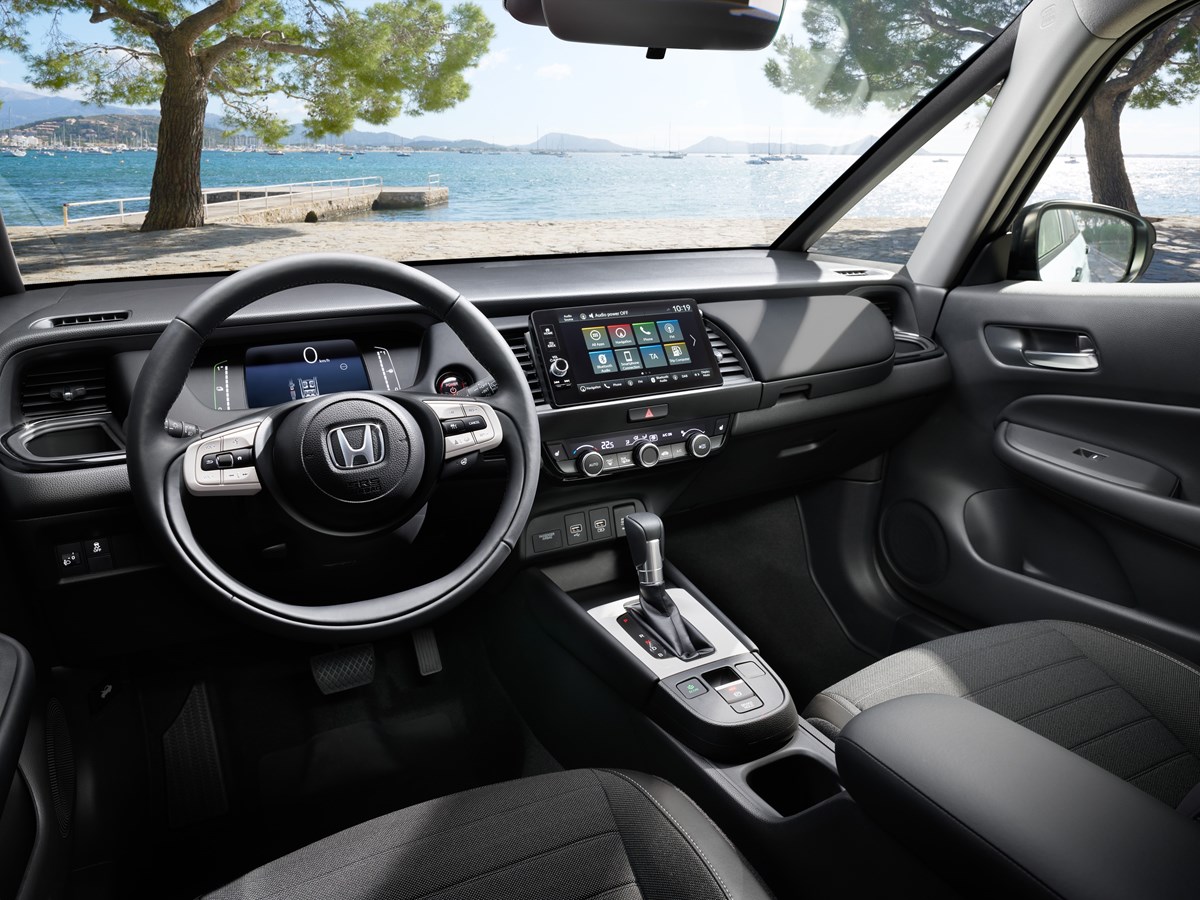
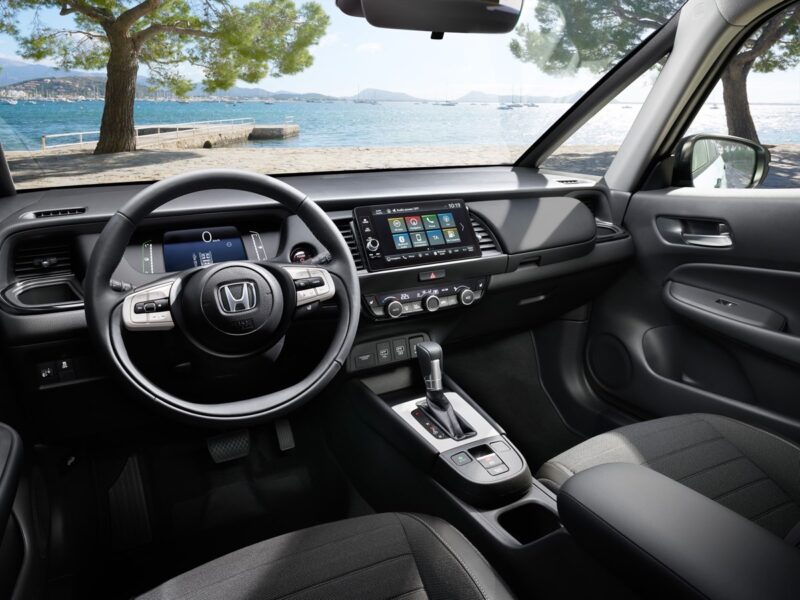
Honda HR-V: electronic faults and wear in compact SUVs
The HR-V, a compact crossover, mainly suffers from electronic and comfort-related problems. Electrical faults occur in various systems: sensors that send incorrect values, infotainment screens that freeze or reboot, and central locking that does not always respond. These faults are often intermittent, making diagnosis difficult.
Air conditioning (A/C) problems show up as weak cooling, strange smells or complete failure of the system. Causes include leaks in the cooling system, defective compressors or clogged filters. Typical wear points in the chassis are suspension bushes, shock absorbers and track rod ends. At higher mileages these components can cause noises or affect driving behaviour.
What to watch for during a test drive:
- Listen for clicking, creaking or knocking noises over bumps (chassis)
- Feel for steering wheel vibrations at higher speeds (wheel balancing, chassis)
- Systematically test all electrical functions: infotainment, windows, mirrors, lights, locking
- Check whether warning messages appear on the dashboard during or after the drive
Preventive maintenance actions: have the chassis inspected at 80,000 and 150,000 kilometres, have the A/C system serviced every three years with cleaning and new refrigerant, and have a diagnostic scan carried out in case of electrical faults to identify fault codes.
Read more: Honda HR-V
Honda Accord: transmission and glitchy infotainment
The Accord, especially the 2018–2020 generations, has specific complaints. Transmission problems (problems with the gearbox) occur in certain model years (mainly before 2012 and some examples from 2013–2017). Automatics jerk, slip or refuse to shift correctly. This is due to overheating, manufacturing defects or insufficient maintenance of the transmission fluid.
The infotainment system in 2018–2020 Accords regularly cuts out, freezes or restarts spontaneously. Users report that touchscreens do not respond, navigation freezes or Bluetooth connections drop out. Honda has released software updates for some models, but not all problems have been resolved.
Turbo-related oil contamination affects Accords that share the 1.5-litre turbo engine (petrol engine with turbo) with the Civic and CR-V (2017 and later). Fuel mixes with engine oil, especially on short trips, thinning the oil and accelerating wear. Early-life electrical issues, such as sensor faults, failing dashboard functions or problems with central locking, also occur.
Tips on software updates and diagnosis:
- Ask your dealer whether software updates are available for your model year
- Have infotainment problems documented; sometimes they are covered by warranty or goodwill schemes
- If you have transmission complaints: ask about the service history and check whether the transmission fluid has ever been changed
Warranty and service campaigns: Honda has launched recalls for certain problems. Check with your dealer whether your Accord is part of a campaign. This can save you hundreds of euros in repair costs.
Read more: Honda Accord
‘ You can avoid costly repairs through preventive maintenance and timely replacement of wear parts. ’
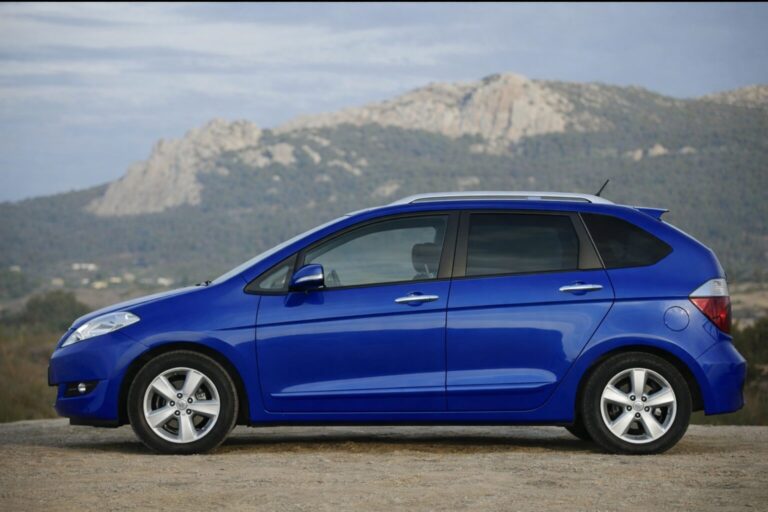
Honda FR-V: practical family car with age-related issues
The FR-V, a six-seater with a unique 3-2-1 seating layout, is now an older model with typical age-related problems. Wear in the suspension and steering is common in higher-mileage examples. Worn bushes, shock absorbers and ball joints cause noises, vibrations and poorer road holding.
Rust formation mainly affects wheel arches, sills, chassis and door edges. In damp climates or where there has been insufficient aftercare in winter, this process speeds up. Electrical faults, such as non-functioning window operation, faulty central locking or failing lights, are often traced back to aged wiring or corrosion.
Air conditioning (A/C) problems arise due to leaks, defective compressors or clogged filters. This leads to weak cooling, strange odours or complete failure of the climate system.
Recommendations for pre-purchase inspection and prevention:
- Have a full chassis inspection carried out before purchase: check bushes, mounts, shock absorbers
- Carefully inspect the bodywork for rust spots, including hidden areas
- Test all electrical functions, including lighting and window operation
- If you are unsure about the A/C, have a pressure and leak test carried out
What to have checked at higher mileages: replace suspension bushes and shock absorbers preventively from 120,000 kilometres, check track rod ends for play and have the brakes and brake lines inspected for corrosion. You can avoid costly repairs through preventive maintenance and timely replacement of wear parts.
Read more: Honda FR-V


Honda Insight: hybrid technology, battery and brake energy recuperation
The Insight is a hybrid model (car with combustion engine and electric motor) with specific technical challenges. Degradation of the hybrid battery occurs over time, especially in older generations (before 2019). The battery loses capacity, reducing electric range, increasing fuel consumption and decreasing performance. Full replacement of a hybrid battery costs 1,500 to 3,000 euros.
Faults in energy management and brake energy recuperation show up as warning messages on the dashboard, reduced regeneration when braking or problems starting the combustion engine. Software faults can affect these systems, sometimes resolved by a dealer update.
The impact on consumption and performance is noticeable: a weakened hybrid battery means the combustion engine cuts in more often and runs for longer, which can increase fuel use by 10 to 20 per cent.
Lifespan and signs of wear:
- Hybrid batteries typically last 8 to 10 years or 150,000 to 200,000 kilometres
- Signs of wear: decreasing electric range, increased fuel consumption, slower charging, warning messages
- When buying, check battery condition via a diagnostic system; some dealers provide a battery test report
What a specialist inspection involves: with hybrid models it is wise to consult a Honda specialist or hybrid expert. They can read out the battery status, check the energy management system and identify possible software faults. This costs 100 to 150 euros, but prevents expensive surprises after purchase.
Read more: Honda Insight
Honda CR-Z: sporty hybrid with specific drivetrain issues
The CR-Z combines hybrid technology with a sporty driving experience, but brings its own problems. Wear on the hybrid battery and clutch under sporty use is common. The combination of electric assistance and manual transmission puts extra strain on the clutch, especially with enthusiastic drivers. Clutch replacement costs 800 to 1,200 euros.
VTEC and valvetrain problems can occur at higher mileages: ticking noises, loss of power or uneven idling indicate wear in the valvetrain. Electrical faults in the hybrid system show up as warning messages, loss of electric assistance or problems with the start-stop function.
Tips for enthusiasts:
- If tuning or modifying: bear in mind the extra load on the clutch and hybrid system
- Tighten maintenance intervals: change engine oil every 5,000 kilometres, check transmission oil every six months
- Have valve clearances checked at 80,000 and 150,000 kilometres
- Regularly test the hybrid battery via a diagnostic system to monitor degradation
How to keep the fun without sacrificing reliability: warm up the engine before driving sportily, avoid aggressive clutch use on short trips and have preventive checks carried out by a Honda specialist familiar with hybrid technology.
Read more: Honda CR-Z
‘ In these cases, continuing to drive can lead to serious engine damage. ’
Transmission, engine and electronics: recognising symptoms before things go wrong
Early detection of problems prevents expensive repairs and unsafe situations. Jerking and slipping in an automatic are clear warning signs. When shifting you feel jolts, or the gearbox does not engage properly. This points to overheating, low fluid level or internal wear.
You notice vibrations caused by engine mounts when idling: the steering wheel, gear lever or pedals vibrate. Broken engine mounts cause this, and can also lead to knocking noises when accelerating or braking. Smoke or increased oil consumption are serious signals: blue smoke indicates burning oil, white smoke indicates coolant leakage, black smoke indicates a mixture that is too rich.
Fault codes and warning lights provide important information. An illuminated engine light may indicate emission faults, sensor faults or serious engine problems. Have fault codes read immediately at a garage. Failing infotainment or airbag warning lights are also signals that require attention.
Concrete steps for initial diagnosis:
- Note when problems occur (cold, warm, under acceleration, when shifting)
- Check fluid levels (oil, coolant, transmission, brake fluid)
- Have fault codes read at a garage or with an OBD reader
- Watch for noises, smells and visual signs (smoke, leaks)
When you should go straight to a specialist: if there is smoke from the exhaust, sudden loss of power, strong vibrations, illuminated warning lights or leaks under the car. In these cases, continuing to drive can lead to serious engine damage.


Rust, paint and bodywork on Hondas: how to avoid expensive damage
Hondas are more prone to rust and paint problems than their Japanese competitors. Clear coat failure is particularly common on older Civics, Fits and CR-Vs: the top coat of paint flakes off, leaving the metal underneath vulnerable. Rust formation often starts on wheel arches, sills, chassis and the bottom of doors.
How to inspect a car for rust:
- Check wheel arches from the inside with a torch: look for brown patches or holes caused by rust
- Inspect sills and door bottoms: gently press suspect areas, soft metal indicates rust
- Check the chassis: pay attention to load-bearing seams, exhaust mounts and front and rear axle mounting points
- Look at the paint: dull areas, flaking clear coat or blisters are warning signs
Preventive treatments that work: wash your car regularly, especially in winter to remove road salt, treat chassis and wheel arches with Tectyl or a similar anti-rust coating, thoroughly wash and polish the paintwork twice a year and apply a wax or sealant layer. Extra points of attention for imports and older models: Japanese import cars sometimes have thinner paint layers, so always check bodywork quality when buying and, if necessary, have a cavity protection treatment carried out straight away.
Smart maintenance and cost savings for Honda drivers
A well-thought-out maintenance strategy extends the life of your Honda and prevents expensive repairs. Recommended intervals for oil and transmission fluid differ from factory advice, especially for turbo engines. Replace engine oil every 5,000 to 8,000 kilometres on 1.5-litre turbo models, even if Honda recommends 10,000 kilometres. Change transmission fluid every 50,000 to 80,000 kilometres, not only at 100,000 kilometres.
Software updates are important for infotainment, emission systems and hybrid technology. Check with your dealer whether updates are available for your model. Some updates solve known problems and are covered by warranty or goodwill.
Checks you can carry out yourself:
- Check oil level, colour and consistency monthly
- Check coolant level and colour (it should be clear green, red or orange)
- Check tyre wear and pressure every six weeks
- Check lights, wipers and fluid levels before long trips
- Read fault codes with an OBD reader (costs 20 to 50 euros)
When it is better to choose a Honda specialist: for transmission problems, hybrid faults, engine problems that go beyond simple maintenance, and for complex electrical faults. A specialist has specific knowledge and diagnostic software for Honda models.
Indicative average repair costs:
- Transmission repair or replacement: 2,000 to 4,000 euros
- Hybrid battery replacement: 1,500 to 3,000 euros
- Clutch replacement: 800 to 1,200 euros
- Rust treatment and bodywork: 500 to 2,000 euros depending on severity
- Software update or minor electrical repair: 100 to 300 euros
How to avoid nasty surprises: strictly follow maintenance intervals, have a full inspection carried out before purchase, keep all maintenance records and invoices, and respond immediately to warning lights or unusual behaviour.
‘ A well-maintained Honda often reaches 300,000 kilometres or more without major problems. ’
Buying a used Honda: model choice, model years and checklist
Model choice and model year largely determine whether you enjoy many trouble-free miles or face costly repairs. Choose wisely and you avoid many problems. The most reliable models are Civics and Accords from before 2017 with conventional petrol engines (no turbo), CR-Vs with 2.0L or 2.4L naturally aspirated engines (before 2017), and Jazz/Fit models from after 2014, which have left the worst rust and fuel pump issues behind.
Model years where extra vigilance is needed:
- Civic, CR-V and Accord with 1.5-litre turbo engine (2017–2022): oil contamination problem
- Accord with infotainment issues (2018–2020): software problems
- Fit/Jazz 2010–2013: fuel pump and airbag faults
- Older Civics and Accords before 2012: transmission failure
Concrete checklist for test drive and inspection:
- Bodywork: inspect wheel arches, sills, chassis and paintwork for rust and paint damage
- Engine: check oil level and consistency, listen for abnormal noises (ticking, rattling)
- Transmission: test shifting in all positions, watch for jerks, slipping or hesitation
- Electronics: test infotainment, lights, windows, locking, airbag warning lights
- Test drive: watch for vibrations, noises, smoke from the exhaust and dashboard warnings
- Maintenance history: ask for service records, especially for oil and transmission fluid
- Diagnostics: have fault codes read, even if no warning lights are on
A well-maintained Honda often reaches 300,000 kilometres or more without major problems. Pay attention to service history, avoid high-risk model years and turbo engines without solid maintenance records, and invest in a pre-purchase inspection by a Honda specialist. This costs 100 to 200 euros, but prevents thousands of euros in unexpected bills.