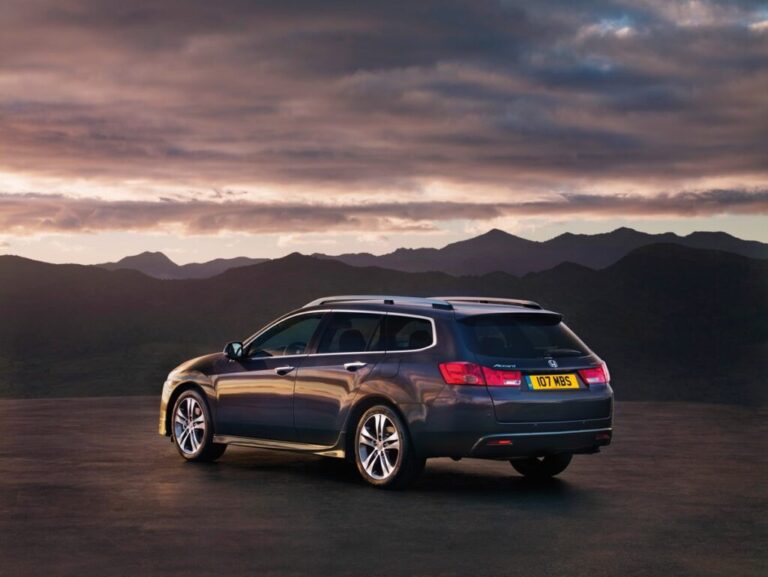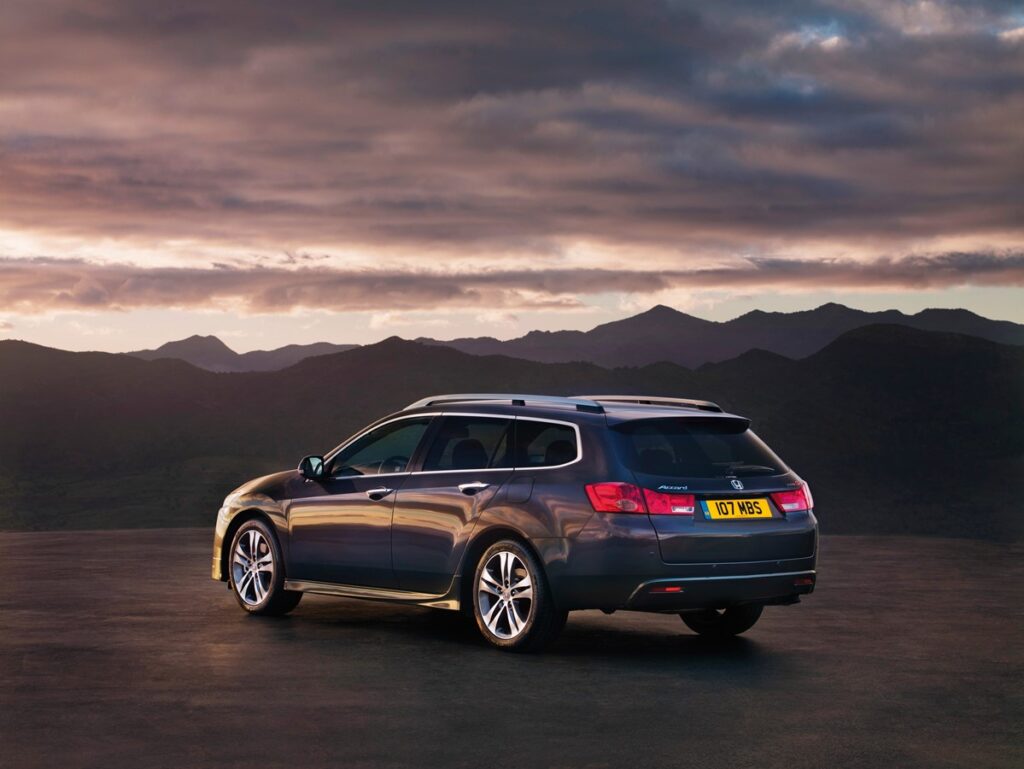
Premature brake wear on the Honda Accord mainly occurs on certain models from 2008 to 2010. The rear brake pads can wear out faster than expected. Possible causes include heavy braking loads and parts that move stiffly. Squeaking noises, hot brake discs and reduced braking power call for prompt inspection. Also see the well-known Honda Accord problems and find out what to look out for with this car.
Why do the brakes on the Honda Accord wear out too quickly?
On certain Accord models, the rear brakes are put under relatively heavy load. Electronic Brake Distribution (EBD) distributes braking force between the front and rear wheels. The system determines how much braking force each part of the car needs. This helps the car brake in a stable way, but on some versions it can contribute to faster wear of the rear brake pads.
Reports from practice mention a service life of around 24,000 to 40,000 kilometres (15,000 to 25,000 miles) for some rear brake pads. The actual lifespan varies greatly. Driving style, the routes driven and maintenance all play a role. The condition of the brake calipers is also important. A low mileage therefore does not automatically mean there is a design fault.
A brake caliper can sometimes fail to move smoothly. This causes uneven loading on the brake pads. The caliper is the part that presses the brake pads against the disc while braking. A stiff guide or slider pin hinders this movement. As a result, a brake pad may continue to press lightly against the disc after the pedal is released. This causes extra heat and wear.
Common causes of rapid brake wear are:
- contaminated or seized caliper slider pins;
- rust around the guides or the brake pad mounting points;
- a caliper that does not fully return;
- uneven wear between the inner and outer brake pad;
- brake pads made from a material that wears quickly;
- heavy city traffic, heavy loads or frequent hard braking.
Fitting new brake pads alone does not always solve the underlying cause. If a guide remains seized, the new set can wear out quickly too. That is why the garage should assess the full movement of the caliper.
How do you recognise worn brake discs on an Accord?
Worn brake discs do not always trigger a warning light straight away. Noise, vibrations and changed braking behaviour are often the first clues. Take such signals seriously, especially when they return shortly after the brake pads have been replaced.
Recognising squealing and grinding brakes
A squealing noise can occur when a wear indicator touches the brake disc. However, dirt, moisture and surface rust can also temporarily cause noise. A harsh grinding or metallic noise is more serious. It may mean that the friction material on a brake pad has almost completely worn away.
Continuing to drive with a completely worn brake pad can cause deep grooves in the disc. The braking distance may increase. Braking performance may also differ between the left and right sides. If a grinding noise continues, have the car inspected as soon as possible.
Vibrations and heat point to problems
Vibrations in the brake pedal can be consistent with a brake disc that is worn unevenly or warped. A pulsating feeling during gentle braking also deserves attention. Not every vibration comes from the brake discs. A technical inspection is therefore still needed.
A rear wheel that feels noticeably hot after a normal journey may indicate a dragging brake. Do not touch a brake disc, as it can cause burns. A strong smell or smoke calls for immediate inspection. Also have the car checked straight away if it pulls to one side when braking.
Other signs of worn brake discs or brake pads are:
- a longer stopping distance than usual;
- a less direct feel in the brake pedal;
- visible grooves or a clear wear ridge on the disc;
- a difference in brake pad thickness between the inner and outer side;
- recurring squeal after earlier replacement;
- uneven wear between the left and right brakes.
Checking premature brake wear on the Honda Accord
A proper diagnosis looks beyond the thickness of the outer brake pad alone. The inner pad in particular can wear out faster if the caliper is working stiffly. Checking both sides prevents hidden wear from going unnoticed.
- Have the thickness of all brake pads measured individually.
- Have the brake discs checked for thickness, grooves and irregular wear.
- Check that the slider pins move freely and that the dust boots are intact.
- Have rust and dirt removed from around the brake pad guides.
- Check whether the caliper returns fully after braking.
- Ask whether modified rear brake parts are suitable for the model year.
Lubrication should only be applied to the contact points intended for it and with a suitable product. Grease on the brake disc or the braking surface reduces braking performance. If you do not have enough experience yourself, have this work carried out by someone with knowledge of brake systems.
What does a brake repair on a Honda Accord cost?
The cost of a brake repair on a Honda Accord depends on the damage found. Replacing only the brake pads costs less than renewing the pads, discs and a caliper. The model year, the chosen parts brand and the workshop labour rate also determine the final amount.
When asking for a quote, request a breakdown of:
- brake pads per front axle or rear axle;
- brake discs per axle;
- cleaning and lubrication of guides;
- overhaul or replacement of a brake caliper;
- brake fluid if replacement is required;
- labour and additional fitting materials.
Brake pads are normally replaced per axle. That way, the pads on the left and right have the same material and the same thickness. The same generally applies to brake discs. A garage should first measure whether the discs are still within the specified minimum thickness. Replacement without measurement is not necessary in every situation.
A low quote is less attractive if the garage only renews the brake pads. A seized guide can then remain and cause wear again. That is why you should first ask what cause the mechanic found. Also ask which work is needed to prevent new wear. This allows you to compare quotes better than on the total amount alone.
‘ Cheap pads can wear out faster. ’
This is how to limit new brake wear
Prevention starts with paying attention to changes in noise and brake feel. Have the rear brakes checked when the inner and outer pads wear unevenly. A clean brake mechanism and freely moving slider pins can help limit recurring wear.
Also choose brake pads that suit the car’s version and use. Cheap pads can wear out faster. An incorrect material choice can also cause extra noise. If you have an Accord from the model years mentioned, check which parts were fitted during earlier repairs.
On the Carnews website you will find more information about Honda Accord problems, maintenance, brake systems and other automotive technology. Read the related articles and prepare properly for maintenance or your next workshop inspection.
Frequently asked questions
The eighth-generation Honda Accord in particular (model years 2008–2010) suffers a lot from premature brake wear. This mainly affects the rear brake pads.
On Honda Accord models around 2008–2010, electronic brake force distribution (EBD) places a relatively heavy load on the rear brakes, causing the pads to wear out faster. Seizing brake calipers, contaminated or corroded slider pins and ill-fitting pads can also cause constant contact, often especially on the inner brake pad. The extra friction and heat, combined with unfavourable or too soft a friction material, then also accelerate wear and damage to the brake discs.
During and after hard braking, look out for a longer or softer pedal travel, reduced braking force, vibrations and squealing, grinding or metallic noises. A burning smell, smoke or noticeably hot brake discs point to overheating or a dragging brake caliper. Before and between sessions, check the pad thickness and see whether the inner and outer pads and the left and right sides are wearing evenly. Stop immediately if braking performance is severely reduced, if you hear metal-on-metal noise or if there is overheating, and have the brake pads, discs, calipers and guide pins inspected.