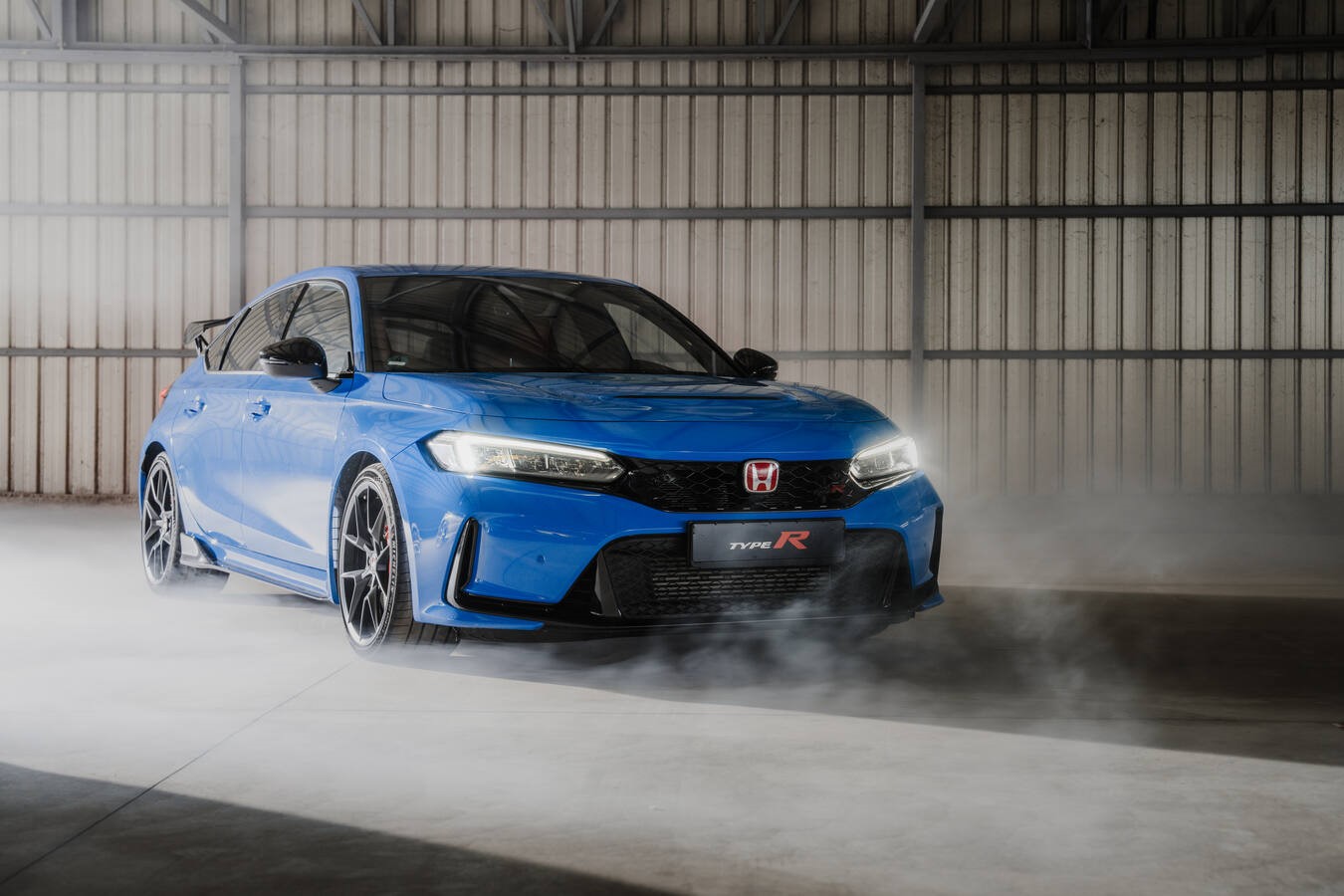
The Honda Civic: an icon with its own challenges
The Honda Civic has been known for decades as a reliable, economical and affordable car that makes millions of owners worldwide happy. Even so, this Japanese classic is not free from problems: early-life engine issues, electronic faults and transmission complaints do occur, depending on the generation and maintenance history. If you know the common weak spots, you can act proactively as an owner or buyer and avoid unpleasant surprises.
A brief look at the popularity of the Honda Civic
Since its introduction in 1972, the Civic has proved itself to be one of the most popular compact cars in the world. The model scores highly for reliability, low maintenance costs and strong resale value. As a result, it appeals to first-time buyers, families and car enthusiasts alike. The economical engines and agile handling make the Civic comfortable both in town and on the motorway. Driving enthusiasts value the Si and Type R versions for their performance and tuning potential. Hybrid models tempt commuters with fuel consumption of sometimes more than 20 kilometres per litre.
Over the years, recurring complaints and technical points of attention have emerged. Some generations struggle with specific engine or electrical problems. This is especially important when buying second-hand. Anyone who is aware of these weak spots and knows what to look out for can enjoy the many advantages of the Civic without facing annoying repairs later. For a broader overview of recurring defects in this brand, see the Honda car problems page.
‘ Every generation has its own strengths and weaknesses. ’
General problems by generation: what to expect
The Honda Civic spans eleven generations. Each generation has its own strengths and weaknesses. Older models from the 1990s to the early 2000s are popular with enthusiasts because of their simplicity and ease of modification. However, they are more prone to rust on the wheel arches, sills and underbody. The fifth generation (1992–1995) and sixth generation (1996–2000) are loved for their low weight and VTEC engines. The electronics are basic. Faults with the fuel pump or ignition coils do occur.
The eighth generation (2006–2011) introduced more electronic driver aids and is more comfortable. Owners report complaints about the air conditioning and transmission problems with the five-speed automatic. The ninth generation (2012–2015) suffers from complaints about the CVT system (a continuously variable transmission without fixed gears). This mainly affects older examples with high mileage. The tenth (2016–2021) and eleventh generation (2021–present) offer modern turbocharged four-cylinders and improved safety features. Early turbo engines sometimes show oil consumption and fuel dilution. This happens on shorter trips in cold conditions.
When choosing a generation, check the maintenance history and any recalls. Honda has repeatedly issued software updates and replacement parts to address known problems.

Engine-related points of attention: from oil consumption to timing issues
The engines in the Honda Civic are generally known for their durability. A few specific points do deserve attention. Owners of the 1.8-litre R18 engine from the eighth and ninth generations sometimes report increased oil consumption at high mileage. The piston rings wear or the cylinder walls become coked up. Check the oil level regularly and top up if necessary to prevent engine damage.
The turbocharged four-cylinders of the tenth and eleventh generations, such as the 1.5-litre turbo, suffer from fuel dilution. On short journeys in cold weather, unburnt fuel mixes with the engine oil. As a result, the fluid level rises and the lubrication quality decreases. This problem occurs mainly with models built before 2018. Honda has released a software update that allows the engine to warm up more quickly. Check whether this update has been applied to your car and make sure the engine regularly reaches full operating temperature.
Older Civic models with a timing belt, such as the sixth to eighth generations, require the belt to be replaced in good time. The recommended interval is around 100,000 kilometres or six years, whichever comes first. If the belt breaks unexpectedly, it causes severe engine damage. In newer models with a timing chain this risk is smaller. Over time, however, the chain does stretch. This shows up as a rattling noise when starting. Have this checked in good time to prevent further damage.
Transmission troubles: challenges for manual, automatic and CVT gearboxes
The manual Civic models are known for their reliability and precision, but problems do occur here as well. In the sixth and seventh generations, owners sometimes report worn synchro rings (components that bring the gears up to speed smoothly when shifting). This especially affects second and third gears. It manifests as grinding or crunching noises when changing gear. Regularly changing the gearbox oil postpones this.
The eighth generation has a traditional five-speed automatic. At high mileage it can develop problems with shifting or holding gears. Sometimes there are jolts when upshifting or the transmission slips. This points to worn clutches or contaminated oil. Have the transmission fluid changed in line with the specifications, even if this is not always stated in the service book.
The CVT transmission (continuously variable transmission without fixed gears) was introduced in the ninth generation. This type of transmission is standard in many newer versions. Owners complain of vibrations, noise and delayed response when accelerating. Examples built before 2016 suffer from software problems. In addition, the belts and bearings wear. Honda has released several updates to improve the shift profile. Check whether these updates have been carried out and listen for unusual noises or hesitation during test drives.
When buying a used Civic with CVT, pay attention to a complete maintenance history and have the transmission checked by a specialist. A poorly maintained CVT can require expensive repairs after around 150,000 kilometres.
‘ Not all problems have been fully resolved. ’
Electronics and comfort systems: faults and functionality
Modern Civic generations are equipped with extensive electronics. Examples include infotainment and active safety systems. This also brings susceptibility to faults. In the tenth generation, owners complain about software bugs in the infotainment system. They mention freezes and slow responses. There are also problems with Apple CarPlay and Android Auto. Honda has introduced improvements through updates. Not all problems have been fully resolved. Check whether the software is up to date and consider consulting a dealer if complaints persist.
In older generations, especially the sixth to eighth, the electric window operation is prone to failure. This is due to worn switches or motors. It shows up as slow-moving windows or a completely failed control. Replacing the switch or motor usually solves this. The air conditioning system also has weak points. The condenser (the component that removes heat from the coolant) is sensitive to stone damage and leaks. This mainly affects models from the eighth generation onwards. Regularly checking the coolant level and the system prevents more serious damage.
Sensors for parking assistance, blind spot monitoring and adaptive cruise control can give false alarms due to contamination or software errors. Clean the sensors regularly and have the software checked if warnings persist. In some cases a sensor needs to be replaced, which costs several hundred euros.
Chassis and bodywork: rust, suspension and brake issues
Civic models from the 1990s and early 2000s are susceptible to rust. The wheel arches, sills, tailgate and underbody components corrode more quickly than in newer generations. When buying an older Civic, check these areas thoroughly and, if necessary, have a specialist inspect the underside. Preventive treatment with an anti-rust coating helps to stop further corrosion.
The Civic’s suspension is generally solid. Rubber parts wear after around 80,000 to 120,000 kilometres. Examples include track rod ends (which connect the steering arms to the wheels). Anti-roll bars (which reduce body roll in corners) and bushes (rubber suspension mounts) also wear. This leads to clunking noises over bumps and less precise steering. Replace worn components in good time to maintain driving safety and comfort.
Brakes rarely cause major problems on the Civic. On sportier versions such as the Si and Type R, brake pads and discs wear more quickly. This is due to the higher power and more dynamic driving style. Regularly check the thickness of the brake discs and replace pads and discs in line with the wear indicators. On older models, brake callipers seize due to corrosion. This causes uneven wear and reduced braking performance. Lubricate the guide pins regularly and replace the callipers if necessary.
The role of preventive maintenance: how to keep your Civic in top condition
Preventive maintenance ensures a long service life and high reliability for your Honda Civic. Follow Honda’s recommended service intervals and make sure wear parts are replaced in good time. Change the engine oil every 10,000 to 15,000 kilometres or once a year, depending on your driving style. Turbo engines require high-quality oil with the correct viscosity (thickness, expressed for example as 5W-30). This limits fuel dilution and wear.
Replace air and fuel filters according to the schedule and have the spark plugs checked or replaced every 40,000 to 60,000 kilometres. This prevents starting problems and reduces fuel consumption. On models with a timing belt, plan the replacement at around 100,000 kilometres. Postponing this leads to expensive engine damage.
Regularly check fluid levels: coolant, brake fluid, power steering fluid (on older models) and transmission oil. On CVT models, change the transmission fluid every 60,000 to 80,000 kilometres. The service book does not always state this explicitly. It significantly extends the life of the transmission.
Keep the underside and wheel arches clean, especially in winter when roads are salted. Rinse the underbody regularly to slow down rust formation. Inspect the suspension annually for cracks, leaks and wear. Replace worn bushes before they cause further damage.
‘ Dark or milky oil indicates neglect or coolant leakage. ’
Buying a used Honda Civic: what should you look out for?
When buying a used Civic, the maintenance history (the record of services and repairs carried out) and mileage are the most important indicators. They show the condition of the car. Ask for a complete service book and check whether all scheduled services have been carried out. Pay attention to timely replacement of the timing belt, brakes and wear parts.
During the test drive, check whether the engine starts smoothly and idles without juddering or strange noises. Pay attention to the transmission: if a manual Civic is difficult to shift or crunches, this points to worn synchro rings. On CVT models, listen for noise or vibrations. Test the acceleration for any delay or hesitation. Start the car from cold and when warm to detect potential faults.
Inspect the bodywork for rust spots, especially around the wheel arches, sills and tailgate. Open the bonnet and look for oil leaks around the cylinder head, sump and transmission. Check the oil level and colour. Dark or milky oil indicates neglect or coolant leakage.
Test all electrical functions: windows, air conditioning, infotainment, lighting and sensors. Check whether software updates have been carried out, especially on turbo models with fuel dilution or CVT problems. Ask the seller about any complaints or repairs and, if in doubt, have the car inspected by an independent specialist.
Consult online forums and recall notices for your specific model year and generation. That way you will know which problems occur frequently and can ask targeted questions.


Summing up the Honda Civic
Anyone who knows the weak spots of the Honda Civic and carries out targeted preventive maintenance can enjoy this Japanese classic for many years with minimal trouble. When buying second-hand, a thorough inspection and a complete maintenance history are crucial. If you invest in regular servicing and stay alert to signs of wear, the Civic offers an excellent balance between quality, performance and running costs.