

A used Honda Civic is a popular choice for car enthusiasts who are looking for reliability and driving pleasure. With a mileage between 150,000 and 200,000 kilometres, three factors are decisive: maintenance history, transmission and rust. If you know what to look out for, you minimise risks and choose a Civic that will last for years.
Why consider a high-mileage Honda Civic
The Honda Civic is known for its reliability, even at higher mileages. Many owners drive without problems well beyond 200,000 kilometres. The chassis construction is solid, with plenty of grip and a well-balanced road holding. This remains comfortable in daily use. Honda Civic car problems do occur, but are often predictable and manageable with proper maintenance.
Popular engines such as the 1.8 petrol and 2.2 diesel perform well when driven enthusiastically and are economical. After five years and 60,000 miles, a Civic retains around 65 percent of its original value. This is better than many competitors. This makes a higher-mileage used Civic financially attractive, especially when you know what to check.
‘ A complete service history with stamps from authorised garages inspires confidence. ’
Maintenance history as first priority
The maintenance history tells the story of the car. Check whether all services have been carried out according to schedule. Pay particular attention to:
- Oil change intervals: at least every year or every 15,000 kilometres
- Replacement of timing belt or chain according to factory recommendation
- Maintenance of cooling system and brake fluid
- Records of major repairs or replaced parts
A complete service history with stamps from authorised garages inspires confidence. Services may be missing. In that case you run the risk of hidden defects. If in doubt, ask for invoices for recent work. These show how serious the maintenance has been.
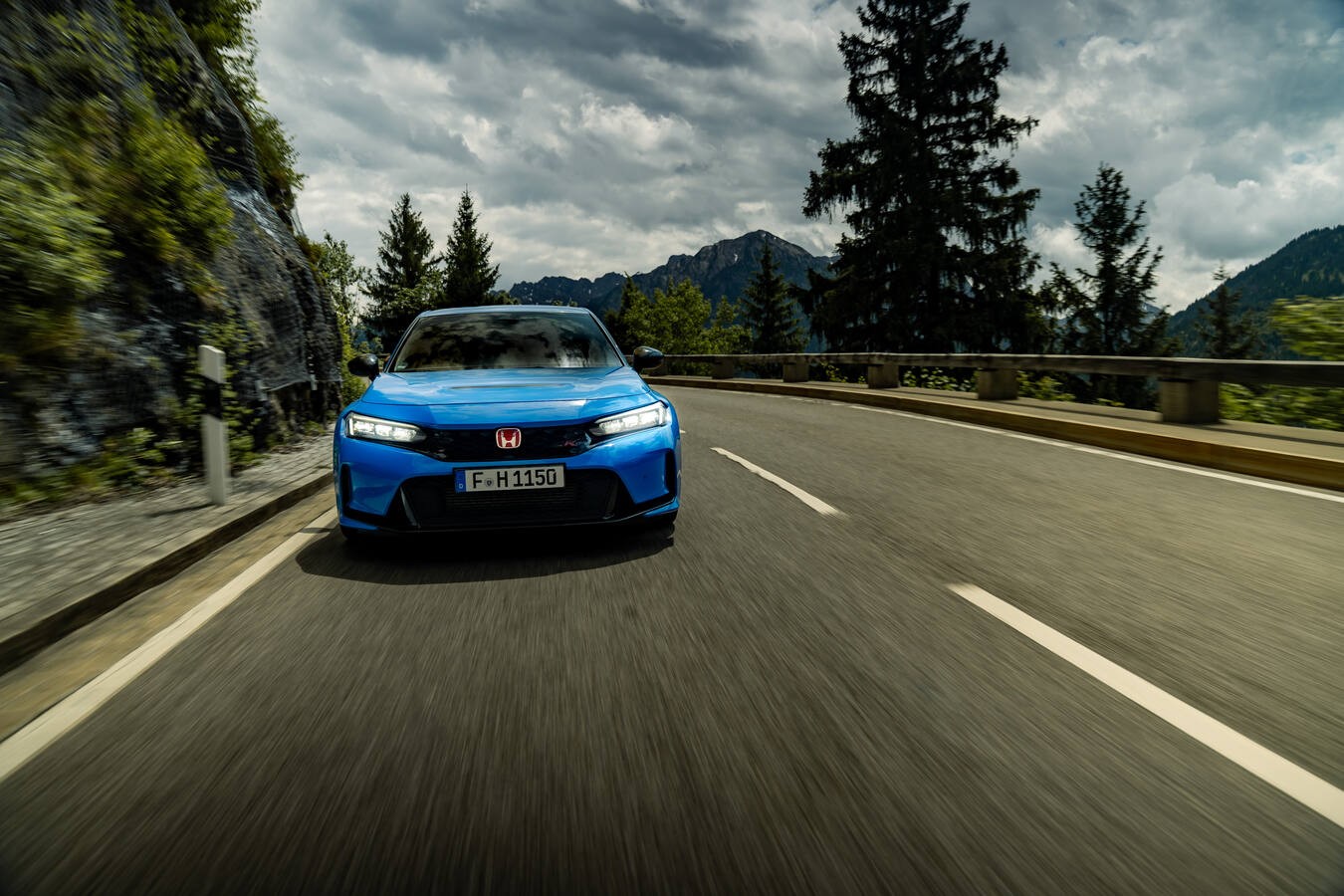
Engine checks need attention on older models
The 1.8 engine in older Civics can have problems with the cylinder head, leading to increased oil consumption. Test the car. Check whether blue smoke comes from the exhaust when you accelerate. Also check the oil level and see whether the engine block is clean without oil leaks.
For the 2.2 CDTI diesel engine, test the clutch for slipping. Try this during the test drive by accelerating hard in a higher gear. If the clutch slips, an expensive repair is looming. Also look out for black smoke when accelerating, which may indicate turbo or intake system problems.
Start the engine from cold and listen for unusual noises. Ticking or rattling at start-up may indicate problems. Possible causes are the timing chain or hydraulic tappets. These issues are not insurmountable, but they are costly repairs that you can use during price negotiations.
Checking transmission and drivetrain
The transmission must shift smoothly. Hesitation or snatching is unacceptable. On manual models, test all gears during the drive. Look out for:
- Stiff shifting or grinding when changing gear
- Clutch slip under load
- Unusual noises from the gearbox
- Vibrations when pulling away or at certain speeds
On automatics, test whether gear changes are jerky. Also check for delayed response when you press the accelerator. Some Civics have a CVT transmission, which should operate smoothly without surging. Have the transmission oil checked for colour. Also check the smell. Dark or burnt-smelling oil points to neglected maintenance.
Also check the drive shafts for split rubber boots. You can see this visually at the wheels. Damaged boots let dirt and moisture in, which leads to wear on the CV joints.
Rust remains a concern on used cars
Rust is a common problem on higher-mileage used cars. Crawl under the car or put it on a lift to inspect the underside. Important areas are:
- Wheel arches and inner wings
- Sills beneath the doors
- Floorpan and chassis rails
- Exhaust system and mounting points
- Areas around the tailgate and boot
Superficial rust is not a disaster, but metal that has rusted through means expensive repairs or MOT failure. Tap suspicious spots with a screwdriver. This lets you hear whether the metal is affected. If it sounds hollow or the metal gives way, there is serious corrosion. Also watch out for poorly executed welding, which may indicate previous rust problems.
‘ This is room for negotiation. ’
Testing the brakes during the test drive
Brakes wear on every car, but with higher mileage they need extra attention. Test the brakes thoroughly during the test drive. Check whether the car brakes in a straight line without pulling to the left or right. Do you feel vibrations through the brake pedal or steering wheel? Then the brake discs may be warped.
Listen for squeaking or scraping noises when braking. This indicates worn brake pads that are damaging the discs. Also check the handbrake to see whether it holds the car on a slope without slipping. A weak handbrake may mean the cables or pads need replacing.
If in doubt, have the brake discs and pads inspected visually. Deep grooves in the discs mean they need to be replaced. This is room for negotiation. A complete set of front and rear brakes costs several hundred euros.

Common mistakes when buying a used Civic
Buyers often fail to take the test drive seriously. Drive at least 20 kilometres on different types of road: city, motorway and twisty roads. Test all functions such as lights, wipers, air conditioning and electric windows. Electrical faults are annoying and sometimes expensive to repair.
Another mistake is insufficient inspection of the tyres. Do you see uneven wear? Then there may be alignment issues. Worn suspension components can also be the cause. Also check the production date on the tyre. Tyres older than six years should be replaced regardless of tread depth.
Buyers sometimes let themselves be tempted by a low price and then fail to ask sufficiently critical questions. Always ask for the reason for sale. Consider what the seller tells you. If you are unsure about the condition of the car, have an independent garage carry out a pre-purchase inspection. This costs a few tens of euros, but it prevents expensive surprises.
Best generations on the used market
The eighth-generation Civic is popular with fans of sporty hatchbacks that still offer family space. The 1.8 petrol and 2.2 CDTI combine efficiency with driving pleasure. This generation has distinctive styling and surprisingly generous interior space.
Recent models from 2024 and 2026 offer modern safety features and an improved interior. Hybrid versions deliver up to 184 bhp with low fuel consumption. Used examples from this generation often start below 25,000 euros. The price depends on trim level and mileage. Sport Touring versions offer lots of extras for a relatively small price premium.
Sportier variants such as the Type-S or Type-R have a stiffer suspension for extra grip, but are less comfortable for everyday use. Only choose these if you consciously opt for sportiness over comfort.
‘ However, this does not outweigh the reliability. ’
Practical tips from owners
Owners regularly report that the Civic shifts smoothly and has excellent grip. Fuel economy often exceeds the factory figures, especially with hybrid models. Many owners appreciate the low maintenance costs and the ease of obtaining parts.
Some criticism focuses on the low seating position. Limited legroom for taller drivers over 1.80 metres is also mentioned regularly. Test this during the test drive. Some models lack luxury options such as ventilated seats or advanced parking assistance. However, this does not outweigh the reliability.
Always negotiate on the price, especially when you identify minor defects. Discounts of several thousand euros are realistic on used cars with deferred maintenance. Cosmetic damage also offers room for negotiation. Consider upgrading the tyres after purchase for better handling and less road noise.


What else to look out for
Check the condition of the interior. Worn seats indicate intensive use. Damaged dashboards and broken buttons are also warning signs. Test all electrical functions, including seat heating and climate control. Faulty sensors or modules can be expensive to replace.
Ask about the MOT and check the most recent test reports. Look for comments about play in the steering, leaking shock absorbers or faulty lights. These points give insight into the technical condition and necessary repairs.
Also check whether the car comes with a complete tool kit, spare wheel or tyre repair kit. Missing accessories are not a deal-breaker, but they are a bargaining chip.
On the Carnews website you will find extensive information on common car problems, maintenance advice and comparisons between different models. Discover more about Honda and other brands so you can make your next purchase well prepared.
Frequently asked questions
Among enthusiasts, the eighth-generation Honda Civic (around 2006–2011) and the sporty Type-S and Type-R versions are the most sought after thanks to their well-balanced chassis, direct steering and strong tuning potential. These generations are also known for their high reliability and relatively simple, durable engineering. More recent Type-R models are also popular with tuners, but they are more exclusive and more expensive.
On the 1.8 petrol, pay particular attention to excessive oil consumption and any history of cylinder head or engine overhauls, and on the 2.2 CDTI check that the clutch does not slip and that the engine runs smoothly and without smoke when cold and hot. Test the transmission (manual or automatic/CVT) for smooth shifts without jolts, rattling or jumping out of gear and check whether the gearbox oil has been changed on time. Inspect the known rust areas: edges of wings, sills, undersides of doors, wheel arches, tailgate and subframes/chassis rails. Also look out for abnormal tyre wear (which may point to suspension or alignment problems) and ticking or creaking noises from the suspension and steering during a test drive.
Common modifications on Honda Civics include lowering springs or coilover kits, different wheels and tyres, sports exhausts, air intakes, ECU remaps and sometimes interior or audio upgrades. When viewing a used Civic, check whether the installation looks neat and professional (no messy wiring, clips or drilling) and ask for invoices for parts and fitting. Check whether the parts are from reputable brands, whether they are approved (for example TÜV/ABE) and whether the car still tracks straight and brakes stably during a test drive. Be extra critical with extremely lowered or heavily tuned examples and, if in doubt, have a pre-purchase inspection carried out with specific attention to the suspension and engine.
The 1.8 petrol engine in older Civics generally has a good reputation, but there are cases with cylinder head and oil consumption issues; check whether these have been resolved under warranty. The 2.2 CDTI diesel engine is regarded as pleasant and efficient, but needs attention for a potentially slipping clutch. The hybrid versions of more recent generations are known for their combination of reliability, low fuel consumption and smooth automatic gearbox. Sporty Type-S/Type-R versions are mechanically strong, but their stiffer suspension leads to increased wear on suspension components and tyres.