
Honda CR-Z: common problems and what you need to know
The Honda CR-Z is a special car that combines sportiness with hybrid technology and, although Honda is known for reliability, this model too has specific vulnerabilities you need to be aware of. This article describes the most common problems with the Honda CR-Z, from the hybrid system to the transmission, and gives you concrete tools to recognise them and, where possible, prevent them. Planning to buy a CR-Z or already driving one? Then this is the information that can make the difference.
A sporty hybrid with its own character
The Honda CR-Z was launched in 2011 as the first hybrid sports car with a manual gearbox. The car combines a 1.5-litre i-VTEC four-cylinder petrol engine with Honda’s Integrated Motor Assist (IMA) system, a technology in which an electric motor supports the petrol engine for better performance and lower fuel consumption. The combined output is between 130 and 140 bhp, depending on the model year. The electric motor adds 13 to 15 bhp to the performance.
What makes the CR-Z unique is its focus on driving pleasure within the hybrid segment. Whereas most hybrids aim purely for fuel efficiency, the CR-Z received a sporty design, a two-seater configuration and three driving modes: Sport, Normal and Econ. Fuel consumption remains attractive at roughly 45 to 57 mpg. Even so, this combination of technologies also brings specific points of attention.
‘ At the same time there are specific systems that are prone to wear. ’
Reliability within the Honda family
Honda is widely known for solid and durable cars, but the CR-Z occupies a special position. The model was only produced from 2011 to 2016 and combined technology that was still relatively new at the time. As a result, there is less long-term data available than for mainstream Honda models such as the Civic or Accord.
Owners regularly report that the car is pleasant to drive and, with proper maintenance, lasts for many years. At the same time, there are specific systems that are sensitive to wear. The hybrid battery, electronics and transmission require extra attention. For those who are unsure about the reliability of Hondas in general, this overview page on car problems with Honda offers more context on common issues within the brand.


The model’s main weak points
The Honda CR-Z has a number of recurring problems that you need to know about as an owner or potential buyer. These mainly concern the IMA system with its associated battery, faults in electronics and sensors, complaints about the transmission and premature wear of suspension components. These problems do not occur with every car, but they do crop up often enough to warrant caution.
In addition, there are reports of brake wear and steering wheel vibrations in some examples. The extent to which these problems occur often depends on how the car has been used and maintained. Early model years may have different vulnerabilities to later versions.
The IMA system and the hybrid battery
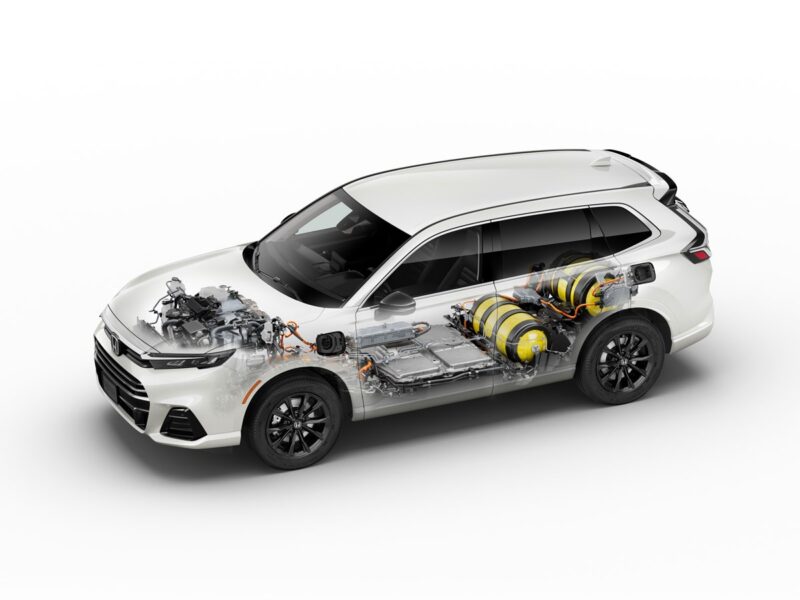
The Integrated Motor Assist system is the heart of the hybrid powertrain. This system consists of an electric motor, a battery and control electronics that work together with the petrol engine. In 2011 and 2012 CR-Zs there is a nickel-metal hydride battery; from 2013 a lithium-ion battery with higher capacity was used.
Over time, the battery can lose capacity. Symptoms include a warning light on the dashboard, reduced performance and increased fuel consumption. Some owners report that the battery shows loss of capacity after only 100,000 to 150,000 kilometres. Replacing the battery is expensive and can cost several thousand euros.
Warning signs that point to problems with the IMA system include:
- An illuminated IMA light or check engine light
- Noticeable loss of power during acceleration
- Increased fuel consumption without an obvious cause
- Irregular shifting behaviour or a jerky transition between electric motor and petrol engine
Have the system read regularly by a specialist. Minor software issues can sometimes be resolved with an update, but hardware problems often require extensive repairs.
‘ Neglecting this can lead to accelerated wear. ’
Transmission problems
The CR-Z is available with a six-speed manual gearbox or a continuously variable transmission (CVT), a stepless automatic transmission that continuously adjusts the gear ratio. With the manual version, owners report complaints about a worn clutch, especially with aggressive driving. With intensive use, the clutch can show wear after as little as 80,000 kilometres. There are also reports of balky synchromesh on second or third gear.
The CVT version has its own points of attention. Some owners experience a fluctuating gear ratio, noise during acceleration or a delayed response to the throttle. CVT transmissions require specific maintenance and the fluid must be changed on time. Neglecting this can lead to accelerated wear.
You can recognise transmission problems by:
- Gear changes that feel heavy or notchy
- Clutch slip during acceleration
- Unusual noises while changing gear or when pulling away
- Delayed response when pressing the accelerator pedal (CVT)
Preventive maintenance is important here. Replace the transmission fluid at the prescribed intervals and avoid aggressive shifting behaviour.
Electronics and sensors: sensitive components
The CR-Z contains various sensors and electronic systems that control the hybrid powertrain and other systems. Problems with the electronics occur regularly and can be difficult to trace. Common faults include error messages relating to the oxygen sensor, problems with the mass air flow sensor and faults in the ABS sensors (the anti-lock braking system that prevents the wheels from locking up under hard braking).
A defective oxygen sensor can lead to increased fuel consumption and a fault in the emissions system. The mass air flow sensor can cause the engine to run unevenly or for the idle speed to fluctuate. ABS sensors can send incorrect signals, causing the ABS system to activate unexpectedly or to fail.
Signs that point to electrical problems:
- Check engine light or other warning lights that stay on
- Irregular idle speed
- Unexplained loss of performance
- Faults in the infotainment system or dashboard indicators
Have fault codes read at an approved garage. Sometimes it is only a software issue, but hardware defects require the sensor to be replaced.
Chassis and suspension: wear and noises
The CR-Z’s chassis is tuned for sportiness, with MacPherson struts at the front and a torsion beam at the rear. In older examples or cars with high mileage, complaints arise about worn bushes, anti-roll bar links and shock absorbers. This manifests itself as creaking or knocking noises, especially when driving over bumps or uneven road surfaces.
Worn anti-roll bar links cause rattling noises at low speed. Wear in the suspension can adversely affect steering feel and lead to imprecise steering. Some CR-Zs also suffer from premature wear of the control arm bushes.
Watch out for these symptoms:
- Creaking or knocking noises when steering or driving over uneven surfaces
- Vague or imprecise steering
- Uneven tyre wear
- Steering wheel vibrations at higher speed
Replace worn parts in good time. Regular inspection of the chassis helps prevent major problems.
‘ Regenerative braking does not replace maintenance. ’
Brake system: potential issues
The CR-Z’s brake system uses regenerative braking, in which kinetic energy is recovered and stored in the battery. This system reduces wear on the brake pads, but can also cause specific problems. Some owners report that the brakes rust prematurely or seize if the car is left standing for a longer period.
There are also complaints about vibrations during braking, often caused by warped brake discs. This occurs more often with intensive use or when the brakes are not correctly adjusted. The regenerative braking effect can sometimes feel unpredictable, especially for drivers who are not used to hybrid cars.
Signs of brake problems:
- Squealing or grinding noises while braking
- Vibrations in the brake pedal or steering wheel when braking
- Reduced braking power or longer stopping distances
- A seized or stiffly operating handbrake
Check the brakes regularly and replace pads and discs when needed. Regenerative braking does not replace maintenance.
Diagnosis and solutions for most problems
When you suspect a fault, start by reading any error codes via the OBD port. Many issues can be traced back to electronics or sensors that report a fault. A proper diagnosis saves time and money, because not every warning light means an expensive repair.
Specialist knowledge is needed for the IMA system. Ideally, have it checked by a Honda dealer or a garage with experience in hybrid vehicles. Sometimes a software update helps, but in the case of battery problems replacement may be necessary. In that case, also consider having the battery refurbished, which can be cheaper than a completely new one.
You can prevent transmission problems by regular maintenance. Replace the transmission fluid according to the service schedule and have the clutch replaced in good time when it shows wear. For chassis problems, the rule is: replace worn bushes and links before they cause further damage.
Maintenance for a longer service life
Proper maintenance extends the service life of your CR-Z and prevents many problems. Make sure the hybrid battery does not run completely flat too often. Drive the car regularly, even if you do not use it every day. A hybrid battery that sits idle for long periods loses capacity more quickly.
Replace engine oil, air filters and spark plugs at the prescribed intervals. Check the transmission fluid, especially on the CVT version. Have the chassis and suspension inspected for wear every year. Check the brakes and brake fluid regularly, and make sure the tyres are at the correct pressure.
Practical maintenance tips:
- Follow Honda’s service schedule carefully
- Have faults read and rectified immediately
- Avoid leaving the car standing for long periods
- Drive in Sport mode from time to time. This ensures the IMA system stays active and keeps working
- Have the battery checked at every major service
Preventive maintenance is even more important with a hybrid car than with a conventional petrol car.
‘ Favour examples from after 2013 with the improved lithium-ion battery and higher power output. ’
What to look out for when buying a used CR-Z
Planning to buy a used one? First of all, check the condition of the hybrid battery. Ask about the service history and whether there have been any warning lights. Test the car thoroughly and pay attention to how the IMA system behaves during acceleration and braking.
Check the transmission thoroughly. On the manual version, gearchanges should feel smooth, without hesitation. On the CVT, listen for strange noises or delayed responses. Check the chassis for wear, rust and leaks. Test the brakes for vibrations and squealing noises.
Ask for a test drive of at least 30 minutes. Drive both in town and on the motorway and test all driving modes. Watch out for warning lights, strange noises and abnormal behaviour. If in doubt, have an independent inspection carried out by a specialist.
Specific points of attention when buying:
- Service book fully completed and stamped
- No active warning lights on the dashboard
- Smoothly operating IMA system without hesitation
- Transmission without abnormal noises or slipping
- Chassis without excessive play or rust
- Brakes that work evenly and without vibrations
Favour examples from after 2013 with the improved lithium-ion battery and higher power output.
The CR-Z requires conscious ownership
The Honda CR-Z remains an attractive car for anyone wanting to combine sportiness and efficiency. The model has a unique character and offers a driving experience that stands out within the hybrid segment. At the same time, the car requires conscious ownership. The hybrid system, electronics and transmission deserve extra attention and proper maintenance.
Anyone willing to invest in regular maintenance and to stay alert to the weak points mentioned can enjoy the CR-Z for many years. The car is particularly suitable for enthusiasts who understand and appreciate the technology. For those looking for carefree motoring without technical challenges, there may be better alternatives.