
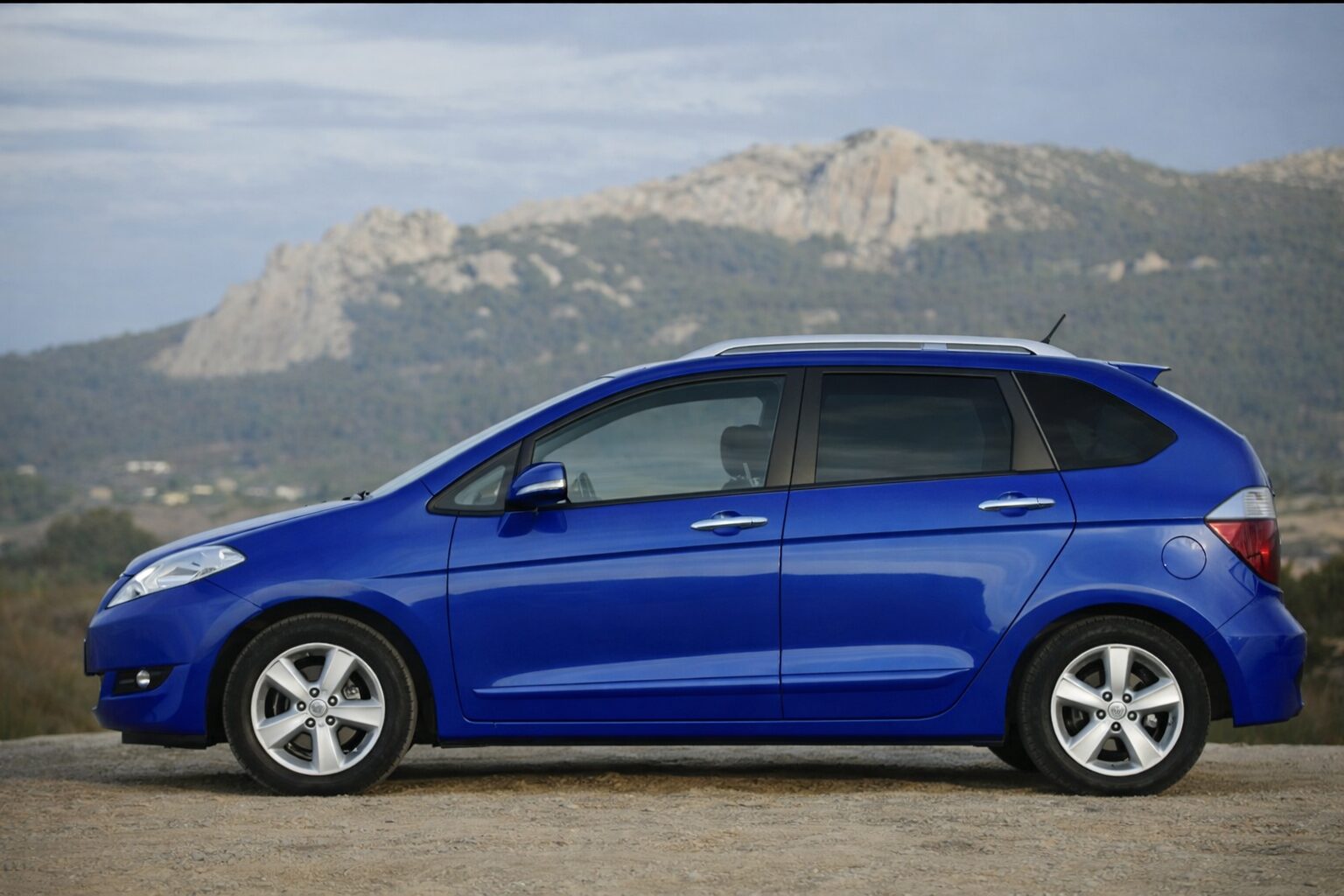
Honda FR-V: common problems and what to look out for
The Honda FR-V is a compact MPV with a unique 3+3 seating concept that was produced between 2004 and 2009. Honda is known for building reliable cars, but even the FR-V has specific weak spots you need to be aware of. Older examples in particular, often well over ten years old, can suffer from typical wear and well-known faults. Want to know what you need to look out for?
Why you should focus on weak spots with the FR-V
The Honda FR-V is no longer a young car. Many examples have covered high mileage and age plays an important role in the development of problems. Wear to engine components, electronics and running gear is common. Take the time in advance to familiarise yourself with the known issues. This helps you avoid unpleasant surprises and costly repairs. During a pre-purchase inspection you can specifically check the known problem areas. This helps you assess whether a particular car is still in good condition. For a broader overview of common problems with Honda models you can also look at patterns that affect several models.
‘ Even so, no model is completely faultless. ’
Honda reliability in perspective
Honda has built a strong reputation over many years as a reliable brand. Many models, such as the Civic and CR-V, are known for their solidity and low maintenance costs. The FR-V shares its platform with these models, which means that many parts are available and reasonably priced. Even so, no model is completely faultless. The FR-V also has a number of points to watch out for, caused by design choices, operating conditions and natural wear and tear. It is important to know the specific problems of this model, without losing sight of the broader picture of Honda’s overall reliability.
Engine problems with petrol and diesel versions
The FR-V was available with several engines: the 1.7 VTEC, 1.8i and 2.0i petrol engines, and the 2.2 i-CTDi diesel. Petrol engines can sometimes suffer from oil leaks, particularly around the rocker cover gasket and the timing chain cover. You’ll notice this from oil spots under the bonnet and sometimes a burning smell while driving. The timing chain can also wear over time. This shows up as a rattling noise when starting or idling. Have this checked in good time, because a defective timing chain can cause serious engine damage.
With the diesel version (2.2 i-CTDi), problems with the EGR valve (Exhaust Gas Recirculation) are quite common. The EGR valve can become clogged, resulting in rough idling, loss of power and the engine warning light coming on. Regular cleaning or replacement of the EGR valve helps to prevent this. The diesel particulate filter (DPF) can also cause problems, especially if the car is mainly used for short journeys. The filter then does not get hot enough to regenerate itself. Make sure the car regularly does longer trips, or have the DPF professionally cleaned if warning lights appear.
Transmission and drivetrain: where wear occurs
The FR-V was available with a five-speed manual gearbox, a six-speed manual gearbox or a five-speed automatic. On the manual versions the clutch can start to slip at high mileage (above roughly 150,000 km), and the pedal can feel heavy or stiff. This is normal wear. When buying, check that the clutch operates smoothly, does not smell and does not slip under acceleration. Replacing the clutch is a costly repair, so pay close attention to this.
The automatic gearbox is generally reliable if it is properly maintained. Some owners report jerky gear changes, while others experience a delayed response when pulling away. This can indicate aged transmission fluid, but internal wear is also possible. Make sure the transmission fluid is replaced regularly in line with the maintenance schedule. The propshaft and drive shafts can also develop play or noise over time, noticeable as clicking or knocking when accelerating in corners. Check the rubber gaiters and boots for cracks.
‘ Oxygen sensors are relatively easy and inexpensive to replace. ’
Electrical faults and sensors
Electrical problems are quite common in older FR-Vs. Owners report faults with the electric windows, which move slowly or stop working altogether. This can be due to the window motors, switches or wiring. The air conditioning can also play up, for example by losing cooling performance or making noises. Have the system checked and re-gassed at regular intervals.
The engine warning light can come on for various reasons, ranging from oxygen sensors to problems with the catalytic converter or EGR valve. Have the fault codes read to determine the exact cause. Oxygen sensors are relatively easy and inexpensive to replace. ABS (anti-lock braking system) and ESP (stability control) sensors can also fail, which shows up as warning lights on the dashboard. Check that all warning lights operate correctly and that no warnings remain on after starting.
Suspension, brakes and steering
The FR-V’s suspension is robust, but after many kilometres wear can occur in the components. Bushes on anti-roll bars and control arms can wear out, leading to rattling or knocking noises over bumps. Wheel bearings can develop play, which you’ll hear as a droning sound that gets louder at higher speeds. Have these parts checked and replaced if necessary, otherwise wear can spread to other components.
The brakes are generally reliable, but when buying, pay attention to the thickness of the discs and pads. On older cars the discs can be rusty or warped, causing vibrations when braking. The handbrake can also become less effective over time due to stretch in the cable or wear to the rear brakes. Test the handbrake on a slope to check that it holds the car securely.
The steering system is usually trouble-free, but some owners do report play or noises when turning the wheel. This may be due to worn track rod ends or a failing power steering pump. Check that the steering turns smoothly and does not make any unusual noises.
Bodywork and rust-prone areas
Rust is something to watch out for on the FR-V, especially on cars that have been used in climates with a lot of rain, road salt or general moisture. Typical rust areas are the bottom edges of the doors, the wheel arches, the sills and the floor of the boot. Also check the wings and the edges of the bonnet. Surface rust can still be treated, but rust that has eaten through metal is a sign of neglect and can mean very expensive repairs.
Water leaks do occur from time to time, mainly around the rubber seals of the doors and tailgate. Check whether the interior feels or smells damp. Leaks can cause mould to form and may also lead to corrosion of electrical components. Test the car in rainy weather or in a car wash to see if any water is getting in.
‘ Older examples often show wear on the seat upholstery, steering wheel and gear knob. ’
Interior and comfort: wear and rattles
The FR-V’s interior is functional and relatively solid, but older examples often show wear on the seat upholstery, steering wheel and gear knob. The centre seat in the front row, which is frequently used, is particularly prone to worn or damaged fabric. Also check that all seats slide and lock smoothly, and that the seat belts work correctly.
Rattles and creaks in the interior are not unusual, and they are even more noticeable on poor road surfaces. Loose clips or worn rubber components can be the cause, as can wear to the mounting points of the dashboard and centre console. This usually doesn’t cause major problems, but it can be annoying while driving. Also check that the climate control and infotainment systems work properly, and that all buttons and switches respond as they should.
Preventive maintenance and tips for owners
Regular maintenance is the key to preventing problems with the FR-V. Make sure it has oil services on time, ideally every year or every 10,000 to 15,000 kilometres. Use high-quality engine oil that meets Honda’s specifications. Check the coolant level regularly and replace the coolant in line with the maintenance schedule, usually every few years.
For the diesel version it is important to replace the fuel filter regularly and keep the fuel system clean. Occasionally use an additive to help prevent contamination. Drive longer distances from time to time so that the DPF can regenerate, and check that the EGR valve is clean.
Inspect the underside of the car annually for rust and wear, especially before the MOT test. Check the brake fluid and replace it every two years, and keep the tyre pressures at the correct level. Treat small rust spots straight away to prevent them from spreading. Do not ignore electrical faults: have them diagnosed and repaired in good time to avoid more extensive damage.
What to look out for when buying a used FR-V
Thinking about buying a used Honda FR-V? Take a checklist with you and carefully work through the following points:
- Check the service book for a complete history and regular servicing.
- Look under the bonnet for oil leaks, dirty or worn parts and check the condition of the timing chain.
- Test the electric windows, air conditioning, lights and all switches.
- Take a test drive and pay attention to unusual engine behaviour, jerky gear changes, noises from the suspension and how effective the brakes are.
- Inspect the bodywork carefully for rust, especially around the wheel arches, sills and the bottom edges of the doors.
- Check the interior for wear and damp, and make sure all seats work properly.
- Ask whether there have been any known problems and if they have been resolved.
- If in doubt, have an independent pre-purchase inspection carried out by a reputable garage.
A well-maintained FR-V with a full history is a much safer choice. Cars with an unclear condition or incomplete documentation carry a higher risk.
‘ Found a well-maintained example with a full history? Then the FR-V is still a reliable and practical solution for anyone who needs six seats. ’
Is the Honda FR-V a sensible choice despite its weak spots?
The Honda FR-V offers unique value thanks to its practical 3+3 seating layout and compact overall size. It is a handy family car or carpool vehicle that can carry six people without the bulk of a large MPV. Overall reliability is good, and compared with other brands in this segment the FR-V scores solidly. Many parts are widely available and reasonably priced because of the shared platform with the Civic and CR-V.
However, you do need to take into account the typical problems that occur on older examples. Think of engine issues such as oil leaks and EGR problems on the diesel, as well as electrical faults. Wear to the suspension and the car’s tendency to rust are also points to watch out for. These issues are not unique to the FR-V, but they do require attention and regular maintenance. Found a well-maintained example with a full history? Then the FR-V is still a reliable and practical solution for anyone who needs six seats. Take your time to check the car thoroughly and don’t be rushed into buying by a low asking price. Always carry out a proper inspection.