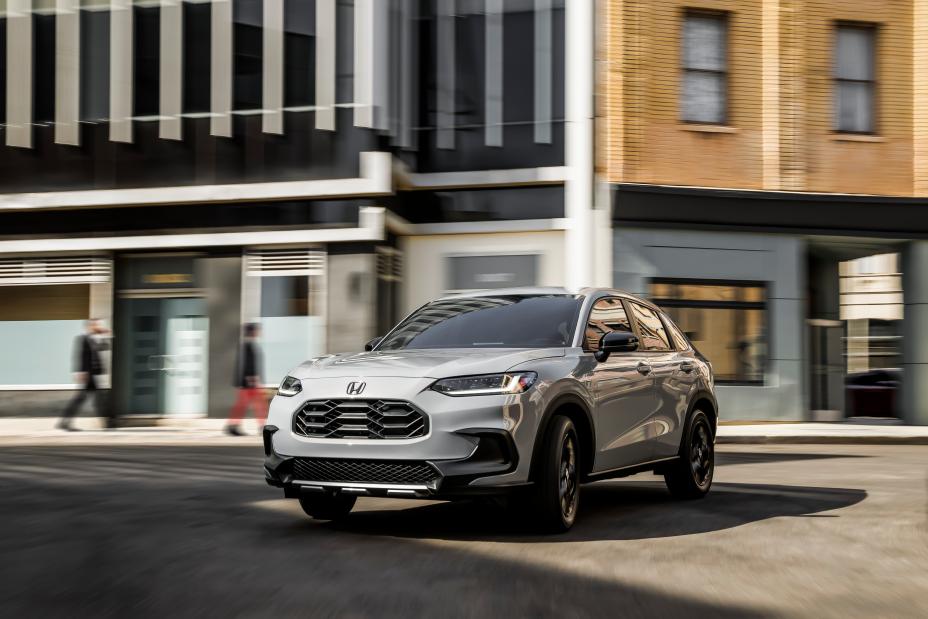
Honda HR-V: common problems and what to look out for
The Honda HR-V has a reputation as a reliable and practical compact crossover, but this model also has its weak spots. The CVT transmission (continuously variable transmission, a stepless automatic) regularly crops up in owner complaints. Certain electrical components and engine issues in specific model years are also frequently reported. Are you considering buying a used HR-V or are you already an owner? Then it pays to be well informed about potential problem areas.
In this article you will discover which problems occur most often with the Honda HR-V, how to recognise them and what you can do to prevent or solve them.
Overall reliability of the Honda HR-V
Honda is known for solid cars with a long service life, and the HR-V largely fits that image. The model combines a compact size with space for five people and a boot capacity of around 680 litres. Most owners are satisfied with the day-to-day reliability and the relatively low maintenance budget. Even so, there are weak points that recur in reports from owners and garages.
The first and second generation HR-V have specific points to watch. These generations were produced between 1999-2006 and 2015-2022. The third generation from 2023 onwards is still too new to identify large-scale problem patterns. For a broader overview of issues that can affect Honda models, take a look at the overview page of common car problems with Honda.
‘ Always have these complaints investigated quickly, because the engine cutting out while driving is a safety risk. ’
Engine problems with the Honda HR-V
Over the years the HR-V has been fitted with several different engines. The first generation came with 1.5-litre and 1.6-litre petrol engines. The second generation has a 1.5-litre turbo engine or a 1.8-litre naturally aspirated engine. The third generation comes as standard with a 2.0-litre four-cylinder producing 158 hp.
Older first-generation models can suffer from starting issues, often caused by worn spark plug leads or a weak battery. Some owners of second-generation cars with the 1.5-litre turbo engine report increased oil consumption, especially on cars with higher mileage. This can point to wear on piston rings or valves.
There are also reports of the engine cutting out while driving in some examples from the 2016-2018 period. This is often caused by problems with the fuel pump or a fault in the fuel pressure control. Always have these complaints investigated quickly, because the engine cutting out while driving is a safety risk.
Common engine complaints
- Increased oil consumption with the 1.5 turbo engine
- Starting problems due to weak battery or spark plug leads
- Engine cutting out while driving (2016-2018)
- Fuel pump failures
Transmission problems with the Honda HR-V with CVT
From the second generation onwards Honda uses a CVT transmission in the HR-V. A CVT is a continuously variable transmission without fixed gears, which provides smooth acceleration and good fuel economy. The downside is that CVT transmissions are more sensitive to wear and faults than traditional automatics.
Owners regularly report juddering or vibrations at low speeds, especially when the car is cold. This can indicate worn CVT fluid or internal components. Other complaints include strange whining noises while accelerating, which is often normal for a CVT but can also point to worn belts or bearings.
In some HR-Vs from the 2016-2019 period there have been cases of sudden loss of power or refusal to shift into gear. This is often caused by software issues or faulty sensors in the transmission. For certain model years Honda has released software updates to address these problems.
CVT maintenance is important
Many CVT problems can be prevented by changing the transmission fluid regularly. Honda recommends doing this every 40,000 to 60,000 kilometres, depending on your driving style. If you mainly drive short journeys in town or regularly tow a trailer, replace the fluid at the lower end of this interval.
Electrical faults and infotainment system problems
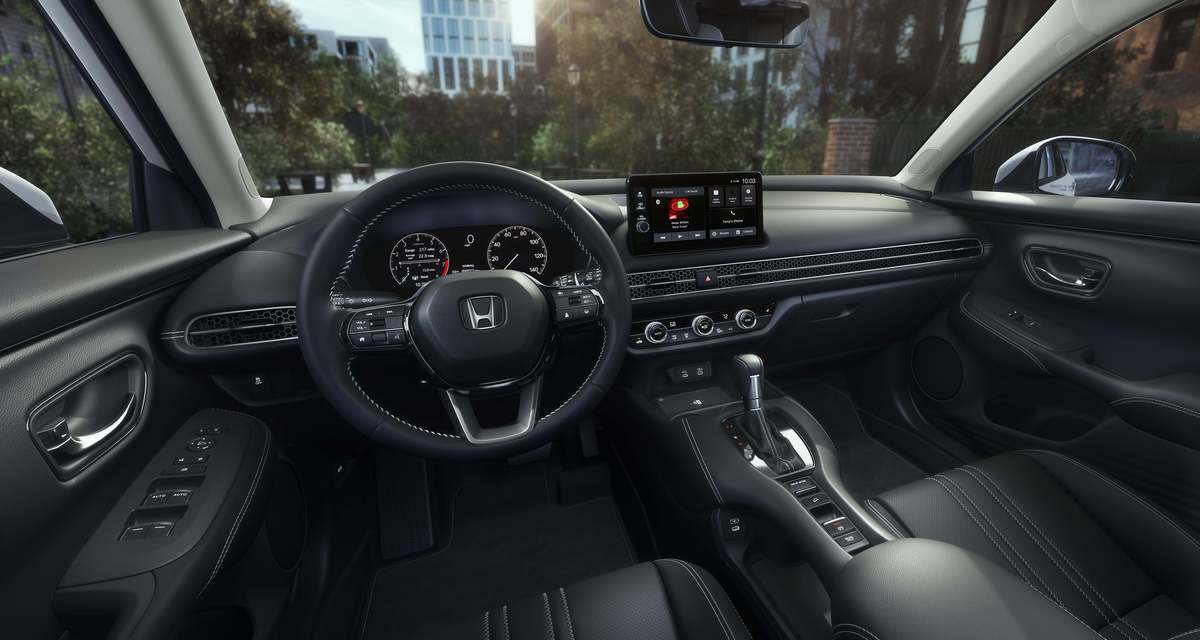
The second and third generation HR-V are equipped with a touchscreen infotainment system that supports Apple CarPlay and Android Auto. Although most owners are satisfied with the functionality, there are reports of frozen screens, connection issues and slow response times.
In some cases a reset of the system or a software update from the dealer helps. With persistent problems the touchscreen unit itself may be defective, which means an expensive repair.
Other electrical complaints include faulty parking sensors, reversing cameras that show a black screen or cruise control cutting out. These problems are often caused by loose connectors, damaged wiring or defective sensors.
Battery problems with the HR-V
Some owners of the second generation report that the 12-volt battery runs flat more quickly than expected, especially after periods of not using the car. Electrical components sometimes keep running, such as the infotainment system or security systems. This is called parasitic drain: the battery supplies power while the car is switched off. Check the battery regularly and replace it preventively after four to five years.
‘ Also keep an eye on the wheel alignment, because poor alignment leads to uneven tyre wear and pulls the car to one side. ’
Chassis and braking system of the HR-V
The HR-V’s chassis is generally robust, with MacPherson struts at the front and a multi-link rear axle. Nevertheless, there are reports of rattling noises from the suspension, especially on cars with higher mileage. This often points to worn anti-roll bar links, bushes or shock absorbers.
On some models from the 2016-2018 period owners complain about early wear of the brake discs and pads, particularly at the rear. This problem seems more common on cars that mainly do short trips, during which the brakes do not fully warm up and rust can form.
Have the brakes checked at every service and replace discs and pads in good time. If you hear noises such as squealing or grinding while braking, action is needed. A vibrating brake pedal can also indicate warped brake discs.
Steering system and wheel alignment
There are occasional reports of complaints about the electric power steering, particularly on the first series of the second generation. Owners describe a feeling of looseness or steering that is too light. This can sometimes be resolved with a software update at the dealer. Also keep an eye on the wheel alignment, because poor alignment leads to uneven tyre wear and pulls the car to one side.
Interior and bodywork of the HR-V
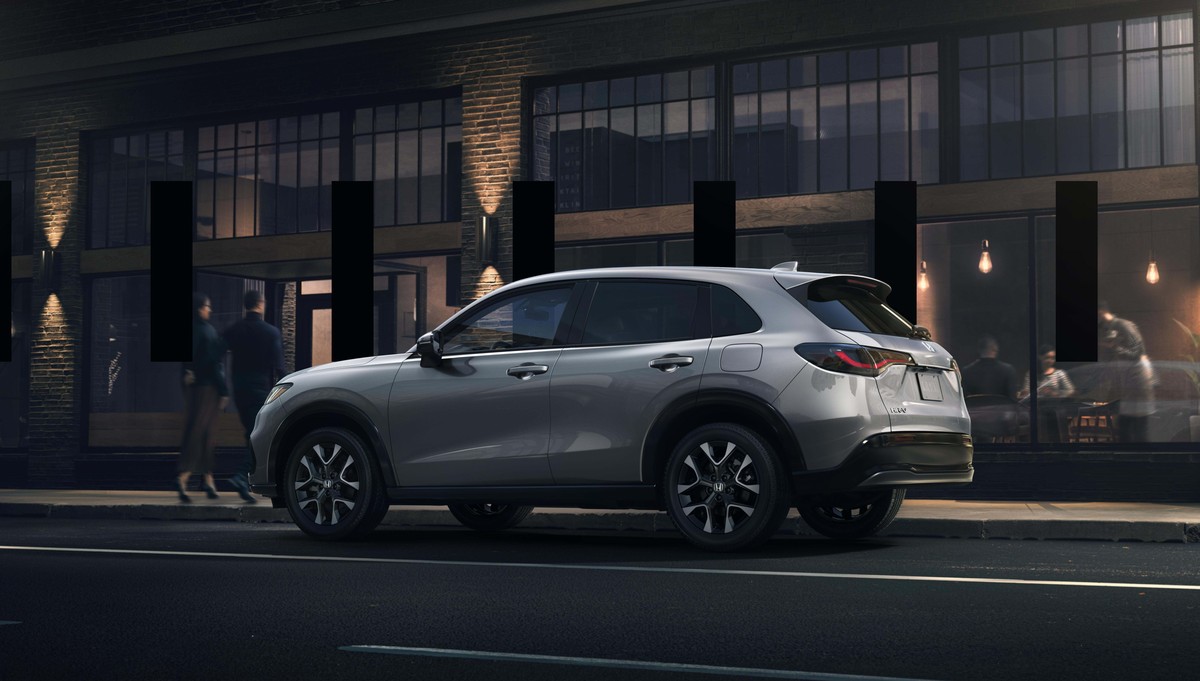
The HR-V has a functional interior with solid finishing, but there are weak spots here too. Owners sometimes report rattles or creaking noises from the dashboard or doors, especially with temperature changes. This is more common on older cars and is often caused by loose clips or worn rubbers.
Water ingress is another recurring problem, especially around the door seals or via the panoramic roof. Some models are equipped with a panoramic roof. When buying second-hand, always check for damp in the carpets, a musty smell or condensation on the inside of the windows. This can point to blocked drains or poor seals.
Air conditioning and climate control
Some second-generation HR-Vs suffer from weak air conditioning or a system that does not cool properly. Refrigerant is the gas that allows the air con to cool. Leaks in the refrigerant are one possible cause. A faulty compressor or blocked condensers also occur. Have the system checked regularly and when cooling performance drops, have it topped up immediately and the cause traced.
Paint issues and rust formation
Honda generally uses good-quality paint, but on the first-generation HR-V there are reports of paint starting to peel, especially in areas exposed to stone chippings such as the bonnet and sills. Rust is rare on well-maintained examples, but on older cars you should still check the wheel arches, underside and sills.
Model year-specific points to watch for the Honda HR-V
Not all HR-Vs suffer from the same problems. Below you will find an overview of specific points to watch by generation and model year.
First generation (1999-2006)
This generation is now relatively old and most problems are related to age and mileage. Watch out for rust, worn suspension components and engine problems due to neglected maintenance. The 1.6-litre engine is generally reliable, but if in doubt choose examples with a full service history.
Second generation (2015-2022)
This is the most popular generation on the used market. The CVT transmission is the biggest risk, particularly on cars from the 2016-2019 period. Check whether the software updates have been carried out and whether the transmission fluid has been changed regularly. The electrical components and infotainment system can also cause problems.
Models from 2020 onwards have often received improvements and show fewer software problems. The 1.5-litre turbo engine is generally reliable, but pay attention to increased oil consumption on high-mileage examples.
Third generation (from 2023)
This generation is still relatively new and large-scale problem patterns are not yet visible. The 2.0-litre four-cylinder engine appears more robust than the 1.5 turbo, and Honda claims to have improved the CVT. Keep an eye on owner experiences in the coming years.
‘ Early detection often prevents bigger and more expensive problems. ’
Tips for preventing problems and maintaining your Honda HR-V
Many problems with the HR-V can be prevented or limited with proper maintenance and attentive checks. Follow these tips to extend the life of your car and keep maintenance costs under control.
Follow the service schedule
Stick strictly to Honda’s service intervals. Replace the engine oil every 10,000 to 15,000 kilometres or annually, depending on your driving style. If you make a lot of short trips or often drive in town, choose the shorter intervals. Replace air filters, spark plugs and brake fluid as prescribed.
Change CVT fluid
The CVT transmission needs special attention. Replace the transmission fluid every 40,000 to 60,000 kilometres, even if Honda sometimes specifies longer intervals. This is the best way to prevent expensive transmission problems.
Check the battery regularly
Have the battery tested annually, especially before winter. Replace it preventively after four to five years to avoid starting problems and electrical faults.
Watch out for signs of wear
Do not ignore strange noises, vibrations or warning lights. Early detection often prevents bigger and more expensive problems. Always have unclear complaints investigated by a professional garage or Honda dealer.
What to check when buying a used Honda HR-V
If you are buying a used HR-V, do thorough research and take your time for a comprehensive inspection. Use this checklist to spot common defects and make a well-informed decision.
Service history and documentation
Ask for a complete service history with stamps and invoices. Check whether the CVT fluid has been changed. Also check whether software updates have been carried out. Cars without a clear history are a bigger risk.
Test drive and engine check
Take an extensive test drive and pay attention to unusual CVT behaviour, such as juddering, whining noises or irregular acceleration. Start the engine from cold and listen for ticking or rattling sounds. Check whether blue smoke comes from the exhaust, which can indicate oil consumption.
Electronics and infotainment
Test all electrical functions, including the infotainment system, navigation, cameras and sensors. Connect your smartphone via Apple CarPlay or Android Auto to check whether the connection is stable. When starting, check that all warning lights come on. They should then go out again.
Chassis and brakes
Have the car put on a lift and check the underside for rust, oil leaks and damaged components. Test the brakes thoroughly and watch for vibrations, noises or a spongy feel in the pedal. Check the thickness of the brake discs and pads.
Interior and bodywork
Check the interior for damp, musty smells or water stains. Test all seat adjustments, heating and ventilation. Inspect the paint for damage, peeling or rust, especially in areas exposed to stone chippings.
The Honda HR-V as a reliable choice with points to watch
The Honda HR-V offers a lot of value for money as a compact crossover with space, a practical layout and generally good reliability. However, it is important to be alert to known weak spots, especially the CVT transmission, electrical components and engine problems in specific model years.
Regular and careful maintenance helps you to prevent most problems and to detect them early. When buying a used example, a thorough inspection and a complete service history are essential. Ideally, choose models from 2020 onwards within the second generation, or consider the newer third generation if your budget allows.
Factor in CVT fluid changes, check the battery regularly and have electrical faults investigated immediately. That way you keep your HR-V reliable and avoid unpleasant surprises.